Many household routines that once felt normal now seem surprising, especially when viewed through modern safety rules and updated public health standards. Your grandma likely followed habits that were passed down through tradition rather than regulation, creating routines that worked for their time but would be restricted today. These changes reflect new research, updated policies, and a stronger focus on long term safety. Exploring these habits offers a fascinating look at how everyday life has transformed across generations.
1. Burning trash in the backyard
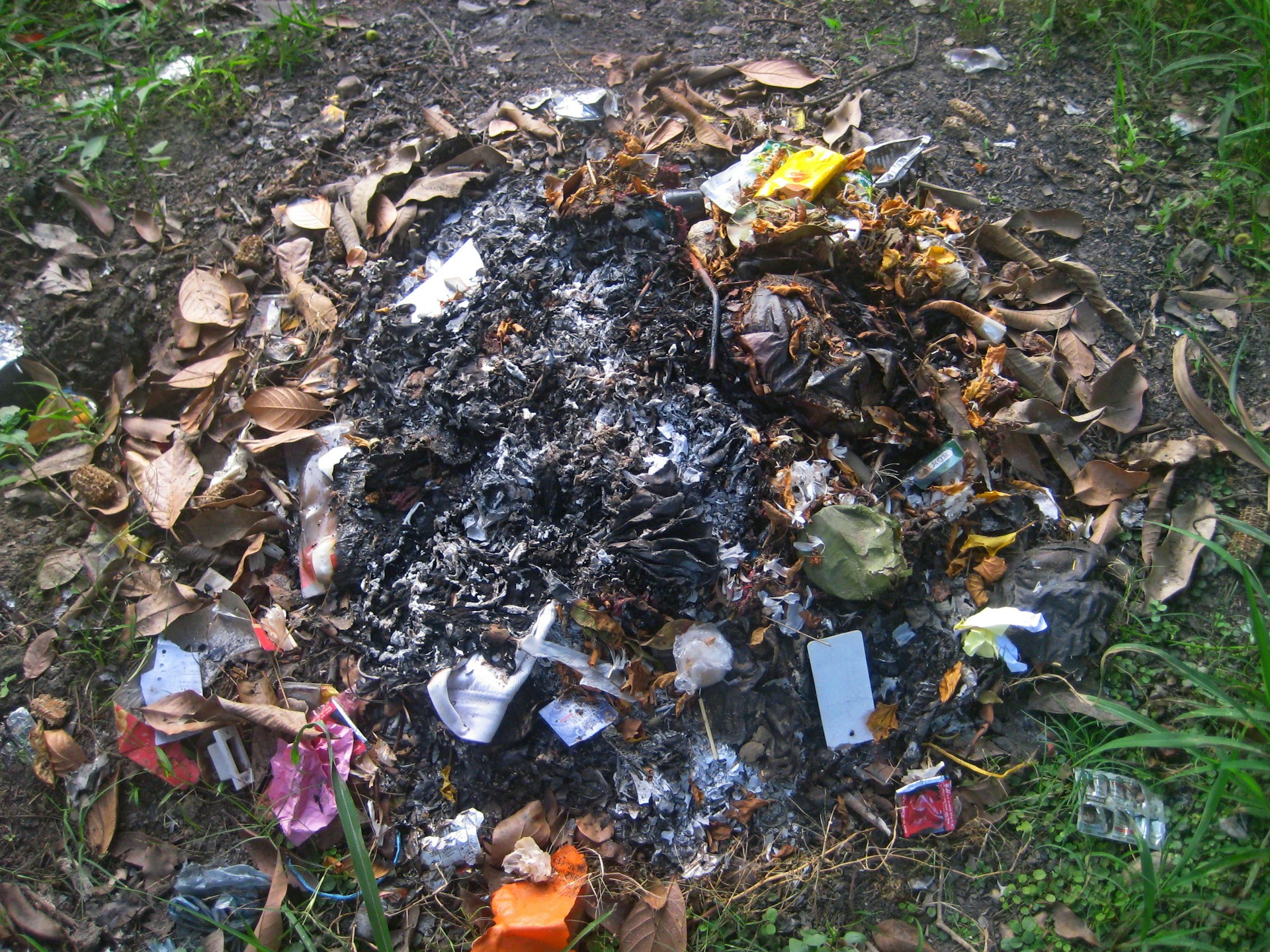
Families once burned paper, food scraps, and old household items in small pits or barrels behind their homes. It was seen as a simple way to manage waste before modern collection systems spread nationwide. Over time, concern grew about smoke, chemicals, and air pollution. Communities introduced strict rules to protect health and prevent fires. Today backyard burning is banned in many areas, showing how waste management evolved and how safety now plays a central role in daily household routines.
2. Washing clothes with harsh chemicals
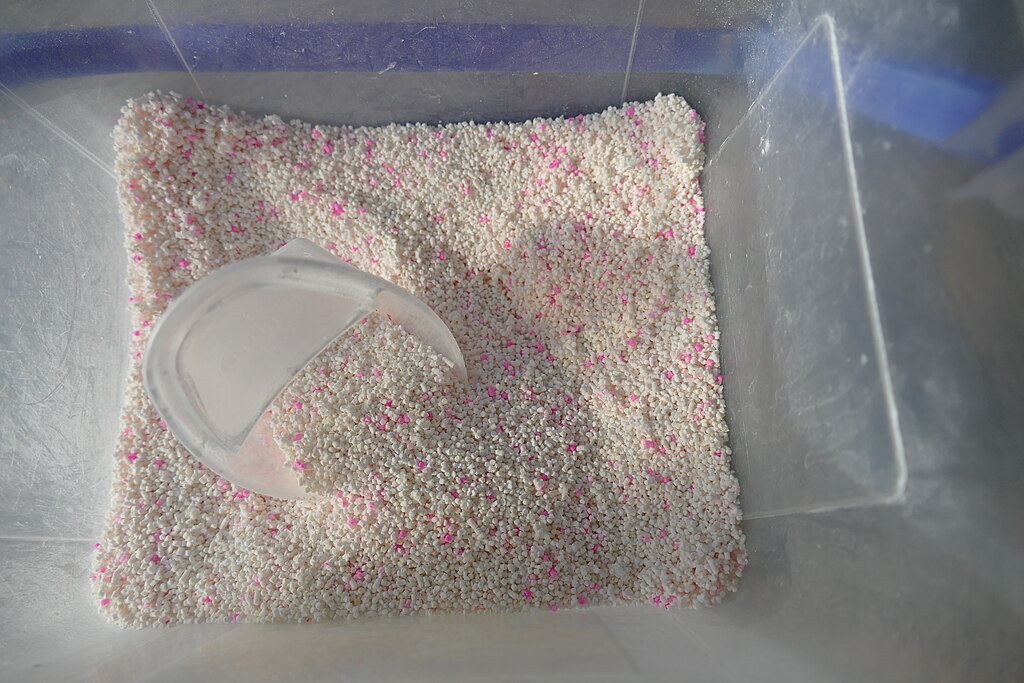
Your grandma may have used strong cleaning agents that were common before modern safety testing. These mixtures often produced fumes or caused skin irritation, yet they were trusted for their cleaning power. As scientific research expanded, regulators identified risks related to long term exposure. New rules limited or removed many of these chemicals from store shelves. Today laundry products follow strict standards to protect families. The shift reflects a growing understanding of health and the desire for safer home routines.
3. Using lead based household items
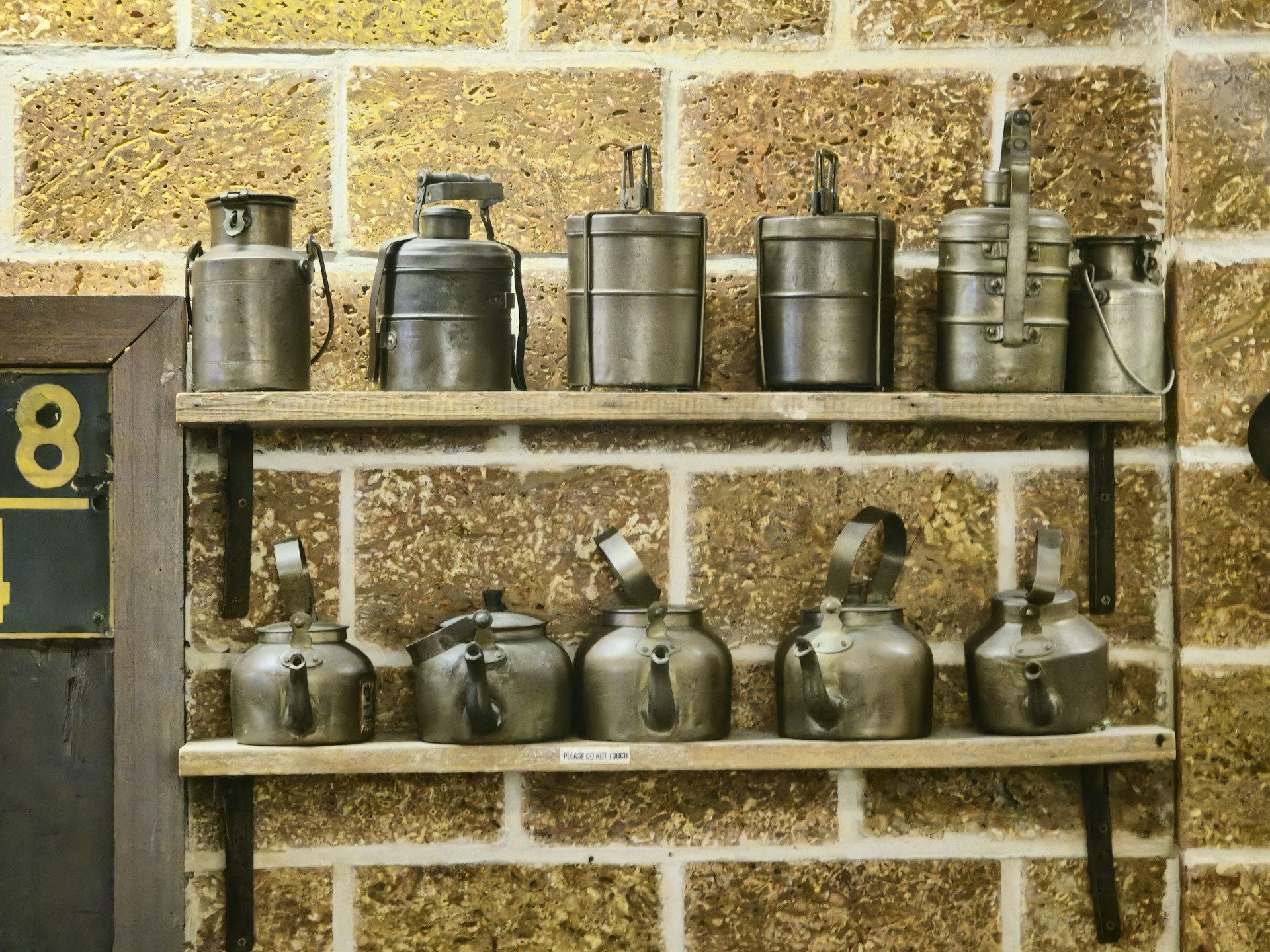
Lead once appeared in paints, dishes, toys, and other common household goods. Families used these items daily without awareness of the hidden dangers. As medical research connected lead to serious health problems, regulators stepped in to remove it from consumer products. Today strict rules protect children from exposure, and lead based items are banned nationwide. This change highlights the progress from trusting long standing products to using modern science as a guide for safer daily living.
4. Letting kids ride in cars without restraints
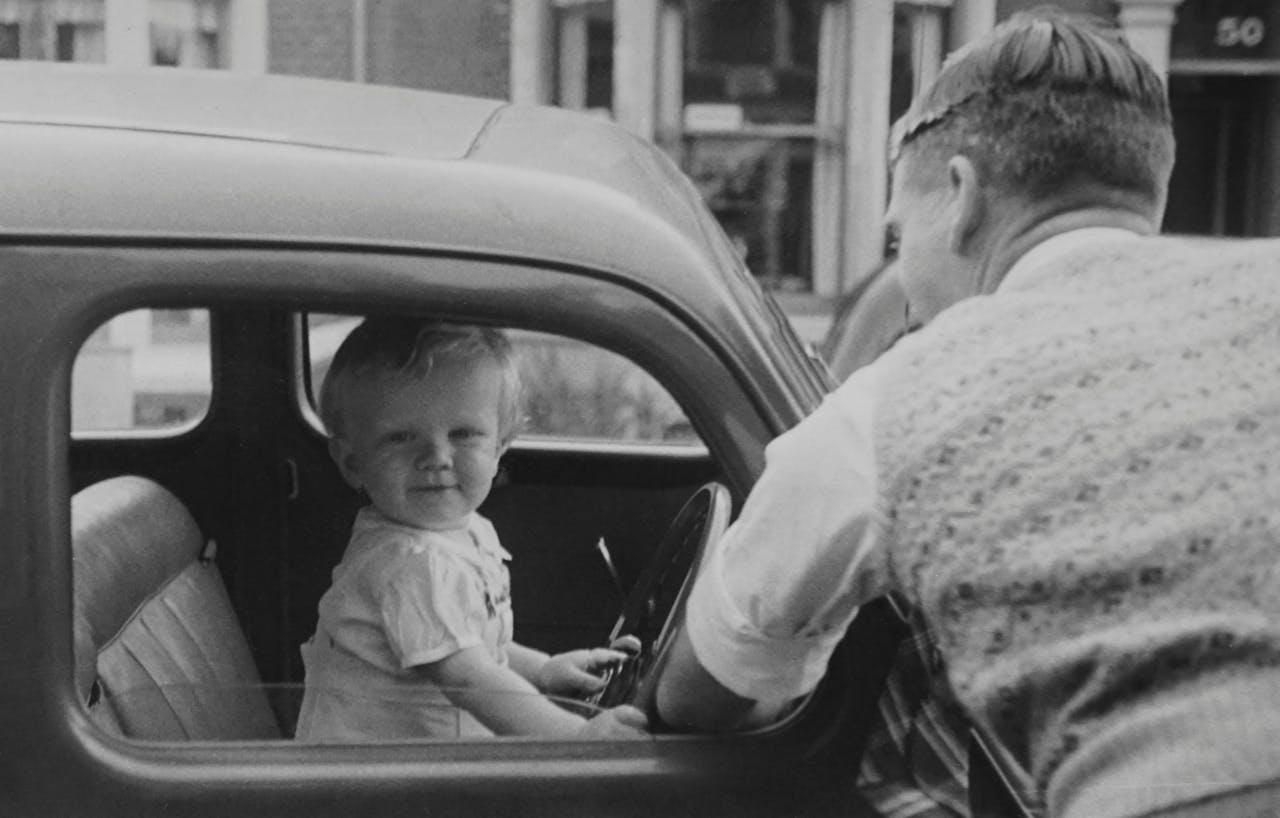
Decades ago, it was normal for children to sit freely in the back seat or even stand while the car was in motion. Seatbelts were rare, and car seats were uncommon. Over time, studies revealed the severe risks of unrestrained travel, leading to strict laws requiring proper restraints for all ages. Today car seats and seatbelts save countless lives. The shift shows how transportation safety evolved from casual habits to rules that prioritize the protection and well being of every passenger.
5. Using kerosene heaters indoors
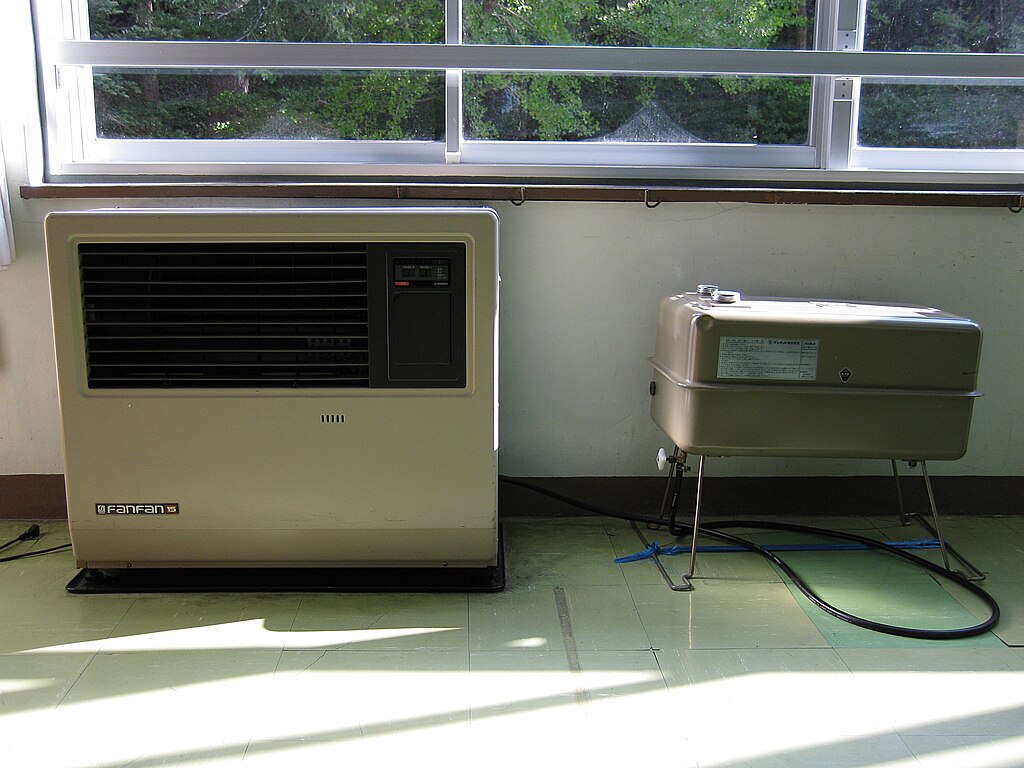
Kerosene heaters were once common for warming bedrooms or small living areas, especially in colder months. Families trusted them for quick heat, unaware of risks related to fumes, fire hazards, or carbon monoxide. As safety standards improved, many areas restricted or banned indoor use to protect households. Modern heating systems offer safer alternatives. This change reflects how simple routines once relied on convenience, while today’s homes place greater emphasis on long term safety and reliable temperature control.
6. Drying clothes near open flames
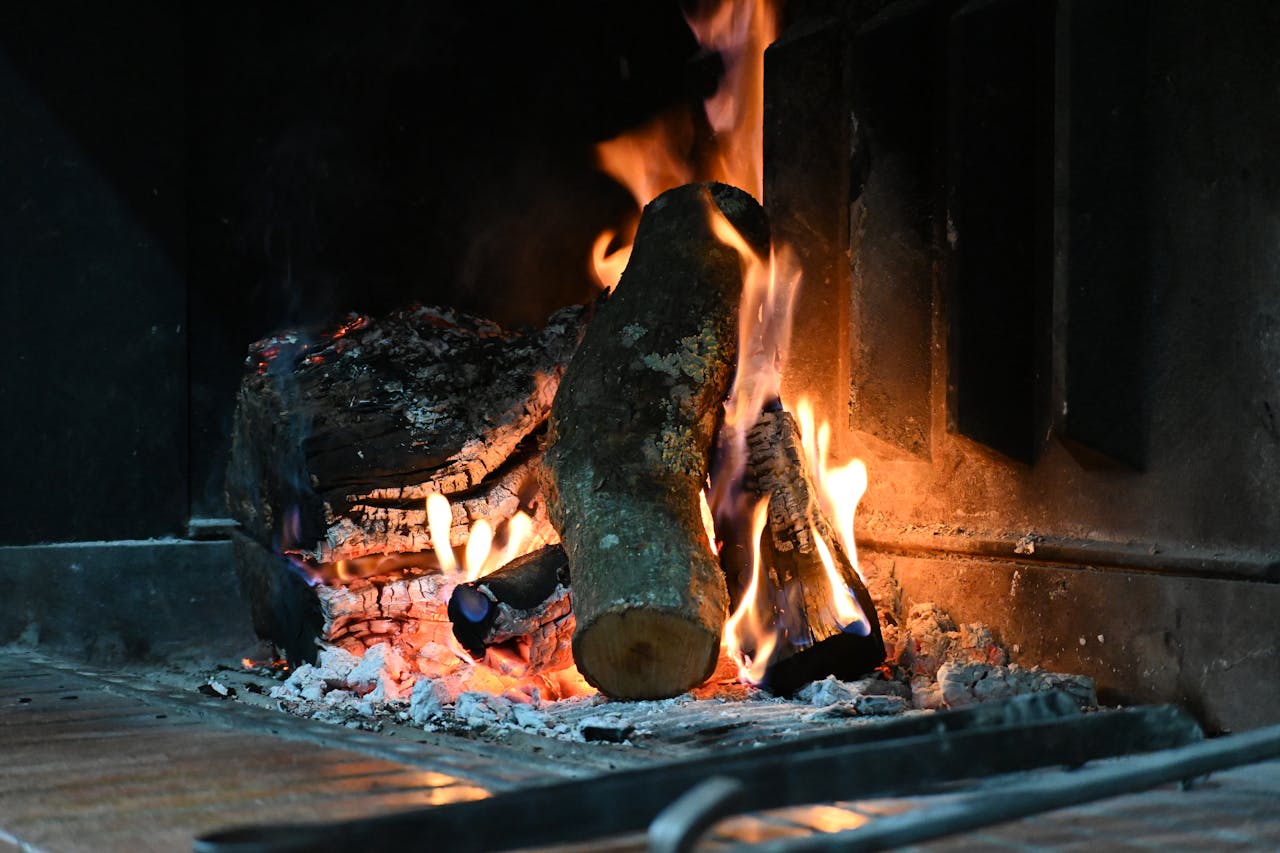
Before electric dryers were common, families often hung clothing near wood stoves or kitchen flames to speed up drying. While practical, this method carried serious fire risks. As home safety guidelines changed, authorities discouraged or banned drying clothes near direct heat sources. Modern appliances and safer drying practices replaced older habits. The shift demonstrates how small daily routines can evolve when communities prioritize protection and understand the dangers that earlier generations accepted without hesitation.
7. Keeping medicine in unlocked cabinets
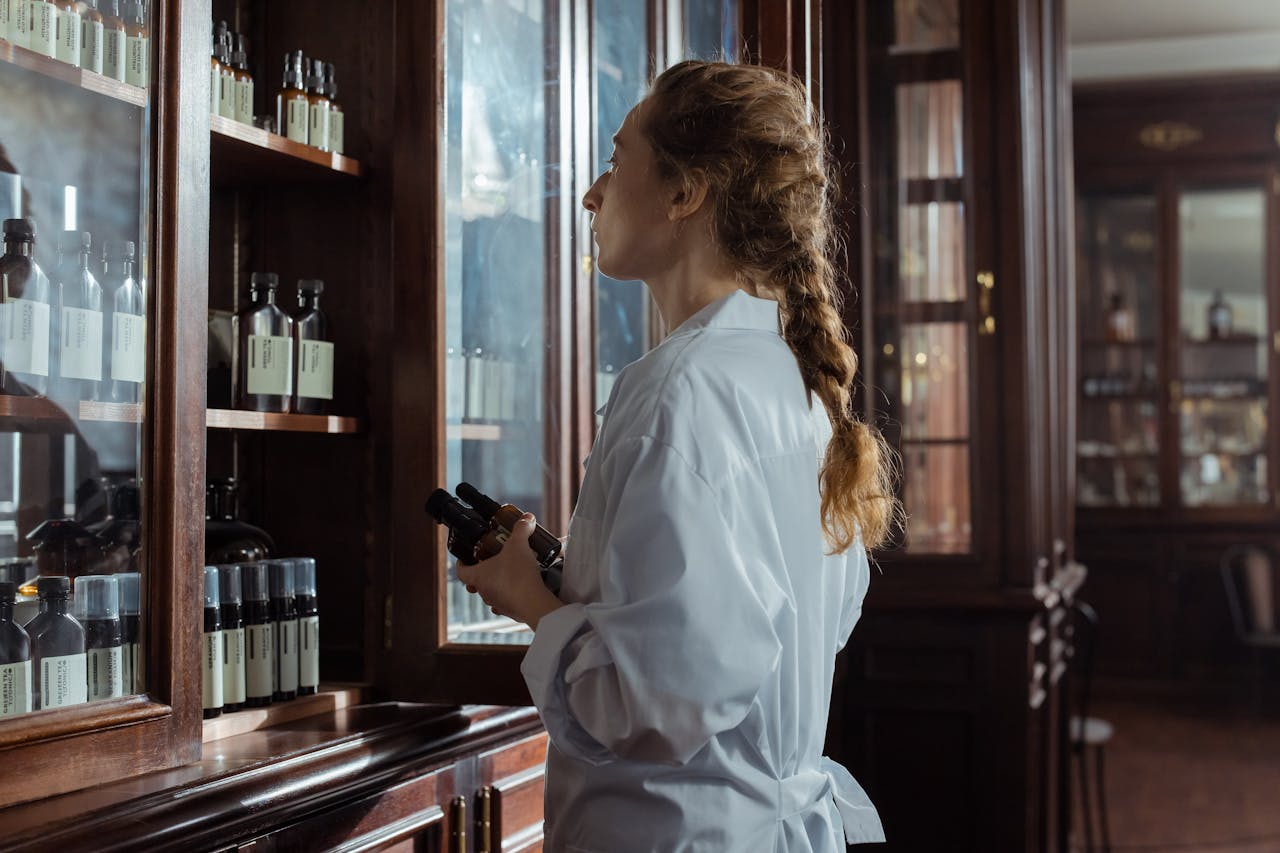
Homes once stored medicines openly on shelves or in simple bathroom cabinets. Families assumed children would avoid these items, but accidents were common. Over time, research revealed the importance of secure storage to prevent poisoning. New guidelines encouraged childproof packaging and locked cabinets. Today many medicines include safety seals and clear warnings. This reflects a shift from trusting instinct to relying on tested safety measures that protect vulnerable family members from accidental harm.
8. Allowing indoor smoking during gatherings

Smoking indoors was once considered normal, especially during family events or holidays. Over time, growing evidence connected secondhand smoke to health problems, prompting new regulations that banned indoor smoking in many public and private spaces. Today families prioritize clean air and healthier homes. This shift shows how awareness and research changed long standing social habits, transforming smoking from a casual indoor activity into something carefully controlled to protect health and well being.
9. Using old wiring for heavy appliances
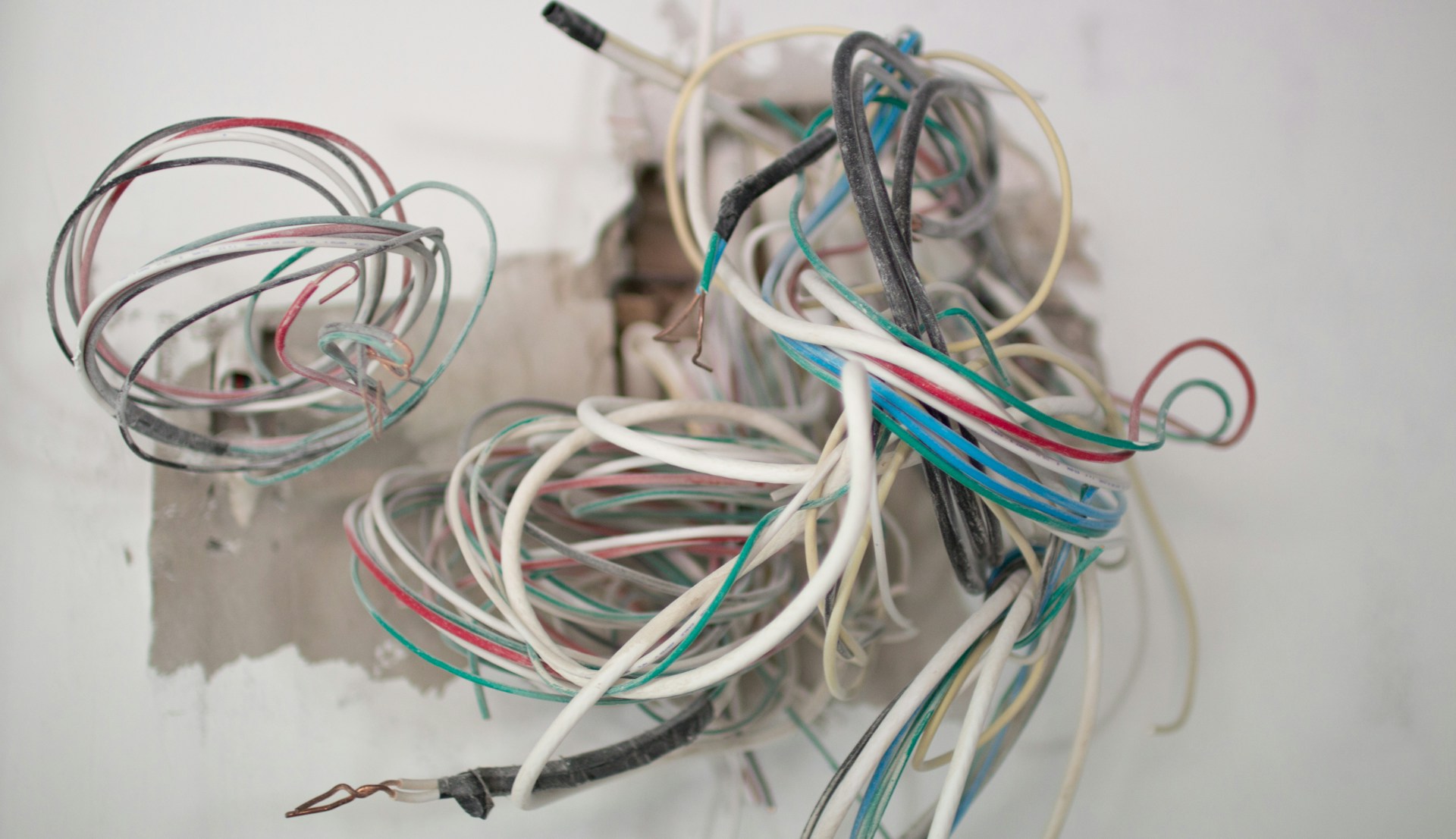
Earlier homes often relied on outdated wiring to power bulky appliances such as heaters or irons. Families rarely worried about electrical limits or overload risks. As technology advanced, the dangers of old wiring became clearer. Fire departments and safety agencies pushed for updated electrical standards. Today strict codes prevent the use of aging wiring for modern appliances. This shift highlights how awareness of household hazards evolved, replacing older habits with safer and more reliable systems.
10. Letting kids play with unsafe tools
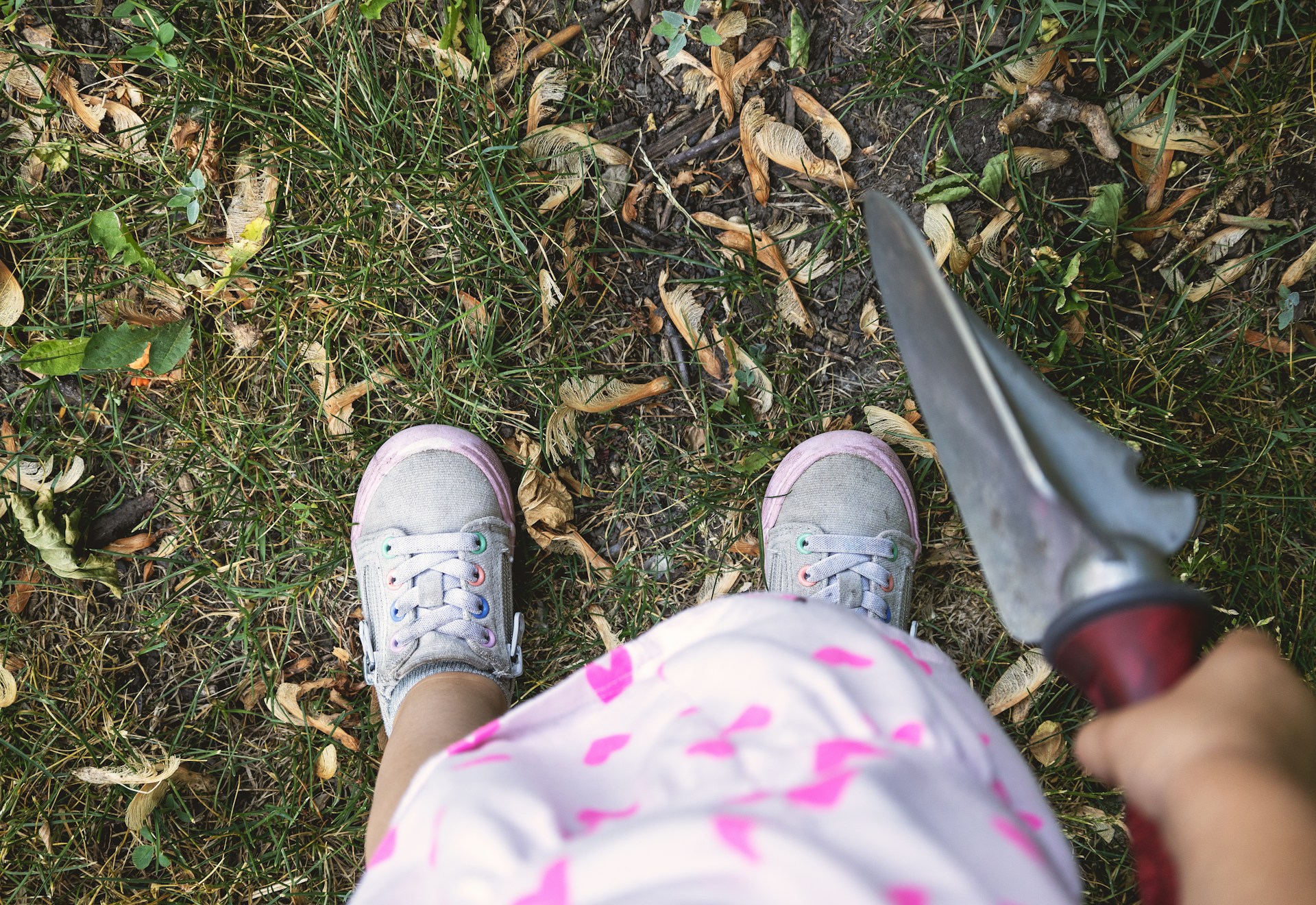
Children once played with small household tools such as hammers, pocket knives, or blades, often under loose supervision. These items were seen as part of learning or helping with chores. Over time, injury data revealed significant risks. New safety guidelines encouraged age appropriate tools and closer supervision. Today families prioritize protective gear and safer alternatives. This change reflects a deeper understanding of child development and a stronger focus on keeping kids safe while they learn new skills.
These household habits reveal how much daily life has changed from your grandma’s time to today. What once felt normal or practical is now restricted to protect families from hidden risks. Improvements in science, medicine, and public safety continue to shape modern routines. Looking back at these habits highlights how progress happens quietly through simple adjustments that make homes safer, healthier, and more aware of long term well being for everyone.