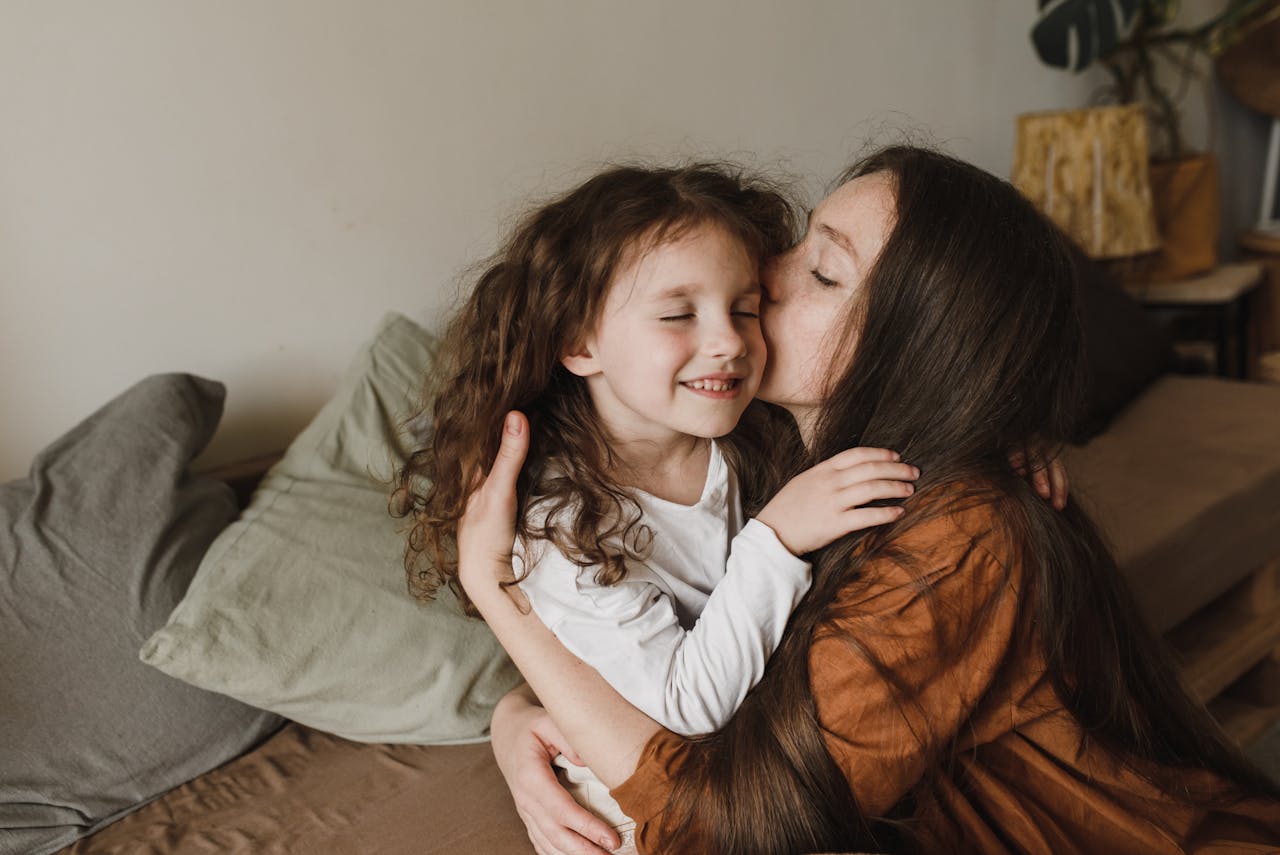

Creating a home environment that is safe and nurturing is key to helping children feel secure. Consistency and structure are important because they make kids feel like they know what to expect, which builds trust. Here are 10 home rules that can help provide the stability and confidence kids need as they grow.
Always Be Honest
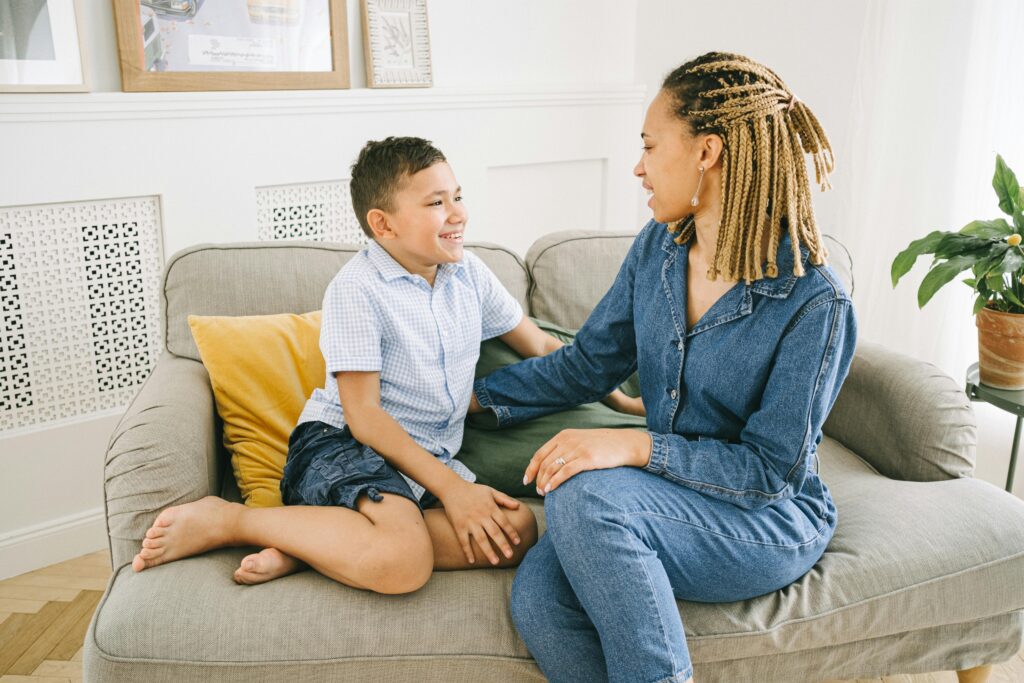
Kids feel safest when they know they can trust their parents. Encouraging honesty at home allows children to express themselves openly without fear of judgment. Even if the truth is tough, explaining things in a calm, age-appropriate way helps kids feel secure in knowing that they are not being deceived. Honest conversations create a strong bond between parent and child, showing them that truth and trust are essential in their relationships and within the family unit.
Show Respect for Each Other

Respecting one another—whether it’s family members, friends, or even pets—teaches kids the importance of kindness, empathy, and understanding. When children see their parents showing respect, they are more likely to mimic this behavior. It helps create a positive atmosphere at home where everyone’s feelings and needs are considered. A respectful environment makes kids feel valued and loved, reinforcing the idea that every family member deserves kindness and consideration.
Have Clear Boundaries

Setting clear rules and expectations at home gives kids a sense of stability. Boundaries help children understand what is acceptable and what isn’t, providing a framework within which they can confidently make decisions. It is important for boundaries to be consistent, as unpredictability can lead to feelings of insecurity. When children know their parents’ rules and can rely on them, they feel safe and can focus on learning and growing within those secure limits.
Encourage Open Communication

Children thrive in environments where they feel like their matter and their voices are heard. By encouraging open communication, parents give kids the freedom to express their thoughts, concerns, and ideas without fear of reprimand. Active listening shows children that their opinions matter, boosting their self-esteem. When kids know they can talk openly about anything—whether it’s a fear, problem, or joy—they feel emotionally safe and supported by their family, knowing their feelings are valid and respected.
Establish Routines
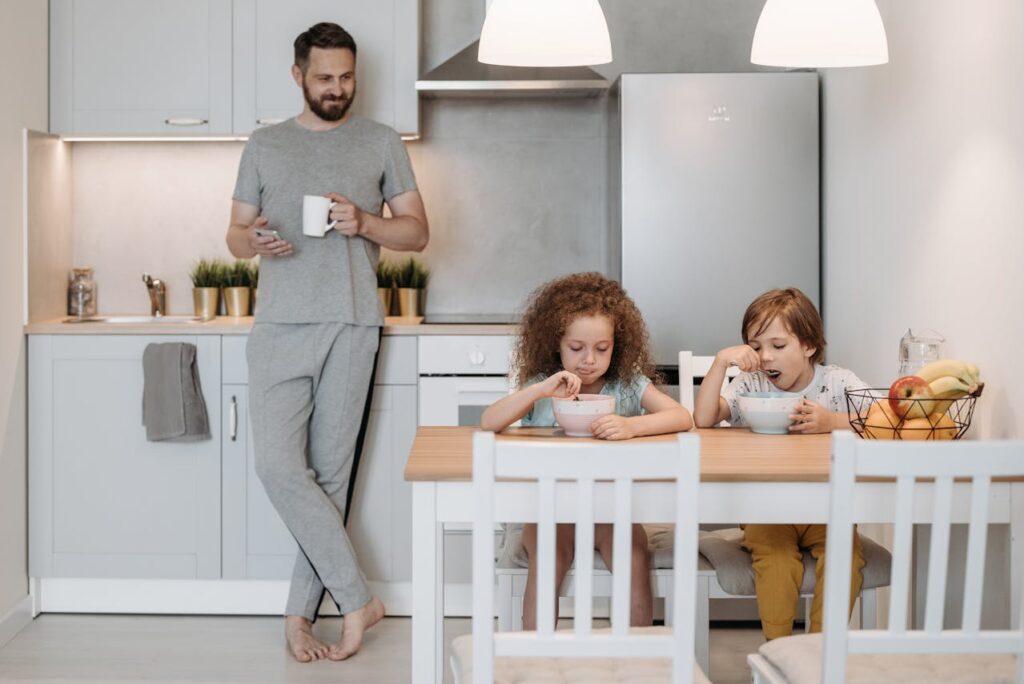
Routines provide children with a sense of predictability, which helps them feel more secure. Whether it’s a regular bedtime, meal times, or even after-school activities, having routines in place allows kids to know what comes next in their day. This helps reduce anxiety, especially during times of change or uncertainty. When children know what to expect, they can relax and feel safe, allowing them to focus on their personal growth and emotional development.
Be Consistent with Discipline
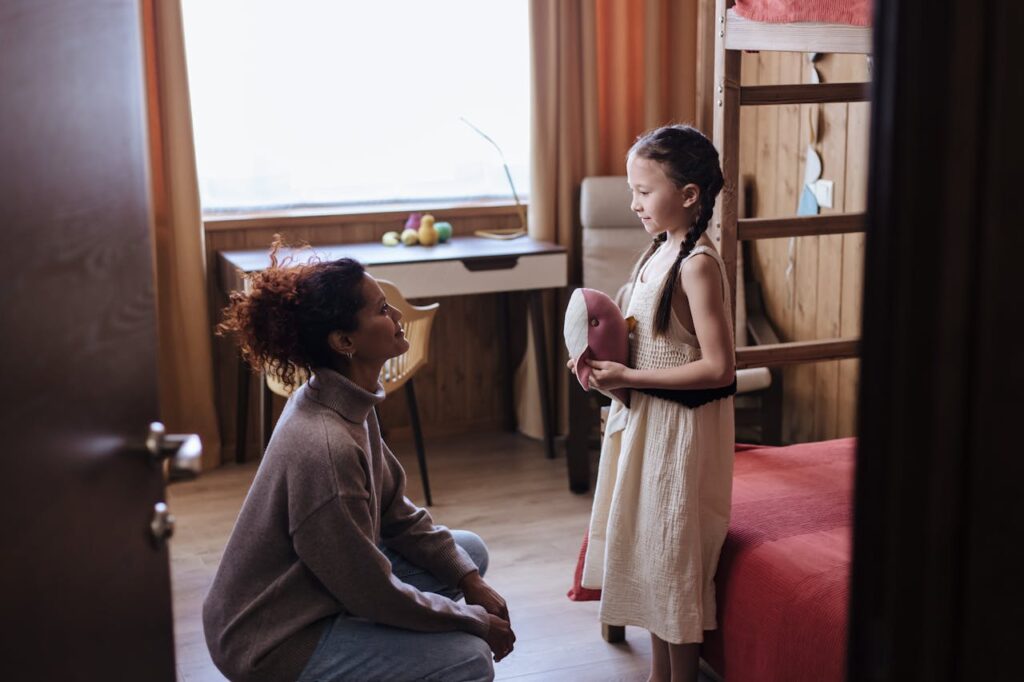
Consistency in discipline is crucial for helping kids understand the consequences of their actions. When parents consistently enforce rules and follow through with consequences, children feel a sense of fairness and stability. Inconsistent discipline can confuse kids, leading to insecurity and emotional distress. A child who knows the outcome of their actions is more likely to feel safe in their home, as they understand the rules and expectations they need to follow.
Provide Physical Affection

Physical affection, such as hugs, kisses, and hand-holding, plays a significant role in making children feel loved and secure. Physical touch releases oxytocin, the bonding hormone, which promotes feelings of safety and connection. Showing affection regularly reassures children that they are cared for and loved unconditionally. Whether it’s after a tough day or just as a way to say “I love you,” physical touch creates an environment where kids feel emotionally and physically safe.
Spend Quality Time Together

Spending time with your children—whether through play, talking, or doing activities they enjoy—strengthens the bond between parent and child. It shows them that they are a priority in your life and that their feelings and interests are important. Quality time provides kids with an opportunity to share their thoughts and experiences, which helps them feel supported and connected. It also helps build trust, as children know they can count on their parents for attention and care.
Show Appreciation

When kids are acknowledged for their efforts, whether big or small, it boosts their confidence and helps them feel secure. Positive reinforcement, such as verbal praise or small rewards, helps kids understand that their actions are valued. It also encourages them to continue engaging in positive behaviors. When children feel appreciated, they are more likely to feel like they belong and are an important part of the family, further reinforcing their emotional security.
Maintain a Safe Physical Environment

A child’s physical environment greatly impacts their sense of security. Keeping their home clean, organized, and safe ensures that they have a secure space to grow and thrive. This includes childproofing the home, maintaining safety standards, and making sure that the environment feels welcoming and nurturing. A tidy, safe environment provides peace of mind and makes children feel confident in the space where they sleep, eat, and play.
Creating a sense of security at home is about consistency, respect, love, and clear boundaries. These 10 home rules lay the foundation for a safe and nurturing environment where children feel valued and protected. When kids feel secure at home, they are more likely to develop confidence, emotional resilience, and healthy relationships. Parents who prioritize these rules create an atmosphere where their children can grow and thrive with a sense of stability and trust.