For much of the 19th and 20th centuries, train stations were more than transportation hubs, they were the beating hearts of cities. Families gathered there to welcome soldiers home, immigrants arrived to start new lives, and communities grew around the tracks. Each historic station carries its own story of architecture, innovation, and human connection. Today, these preserved stations allow kids and families to step into the golden age of rail travel, offering a glimpse of how trains shaped both cities and everyday life.
Grand Central Terminal in New York
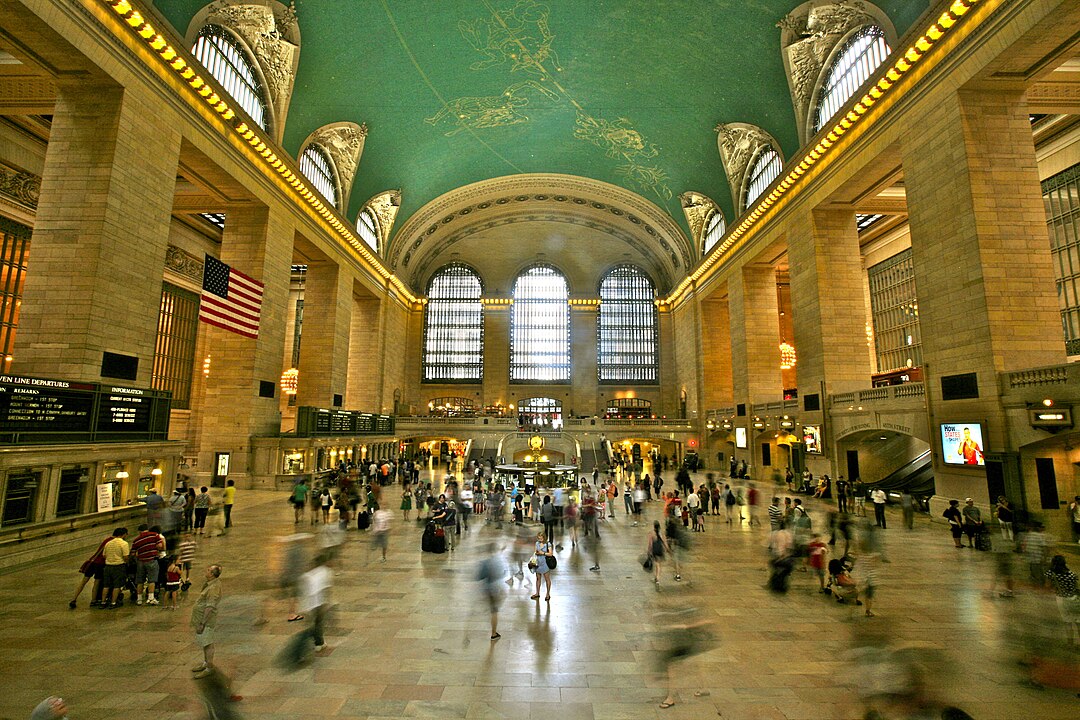
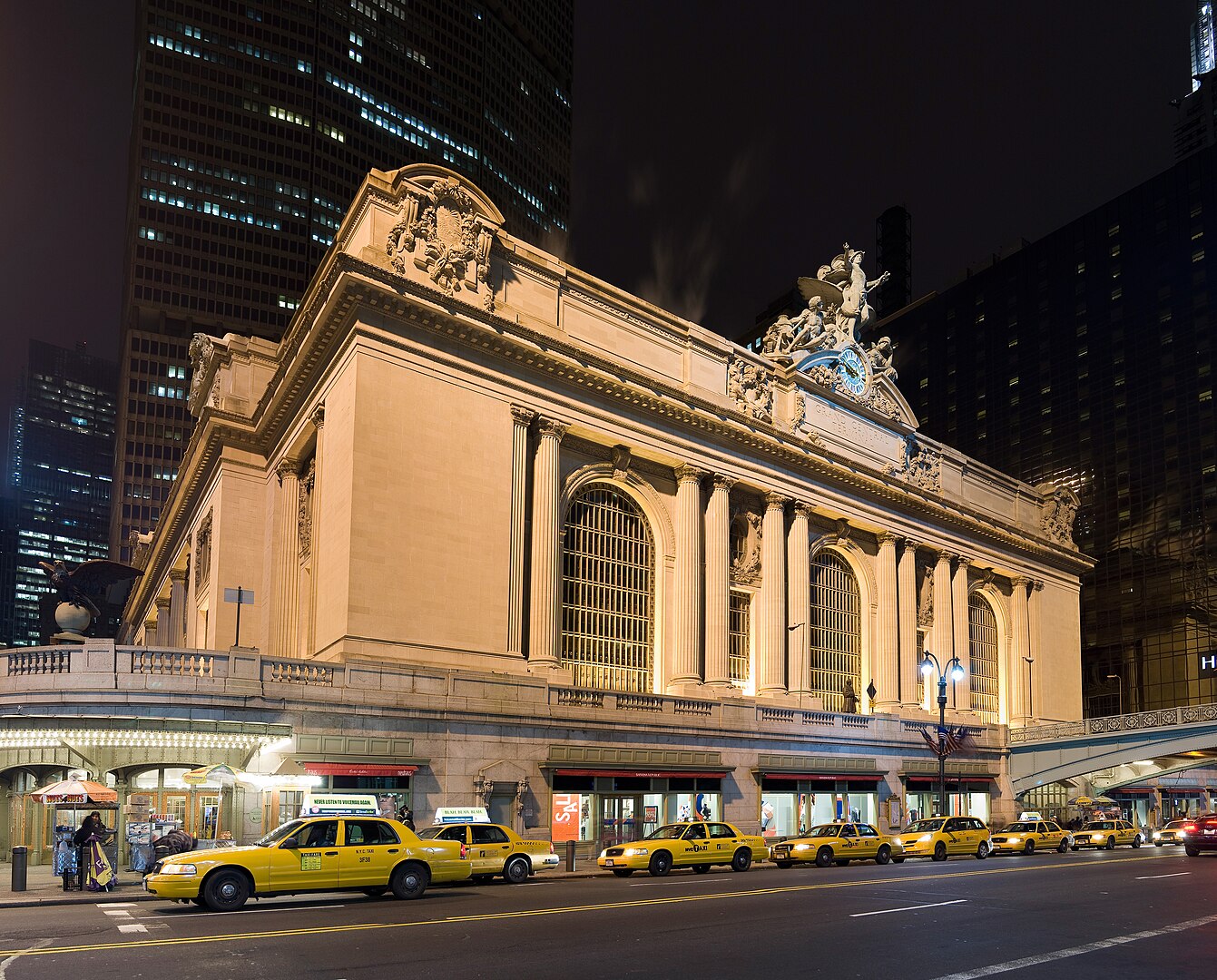
Grand Central Terminal is perhaps the most iconic train station in America, known for its stunning Beaux-Arts design and celestial ceiling. Families can marvel at the whispering gallery, where sound carries mysteriously from one corner to another, creating a playful experience for children. Tours highlight the station’s role in transporting millions of commuters and travelers during its peak. Exhibits and special events also emphasize how the station served as a community hub, with shops and restaurants integrated into the design. For kids, the scale and elegance of Grand Central make history both awe-inspiring and tangible.
Union Station in Washington, D.C.
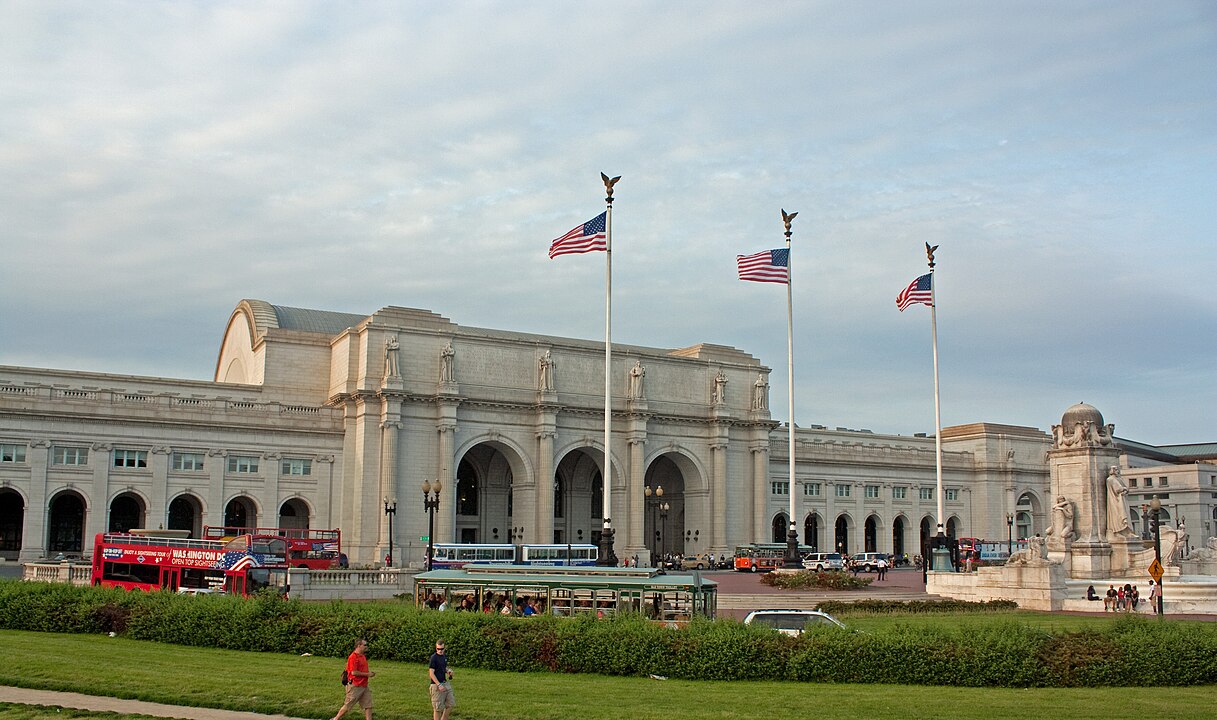
Union Station in the nation’s capital opened in 1907 and quickly became a symbol of American ambition. Its soaring barrel-vaulted ceiling and marble interiors reflect both grandeur and civic pride. During World War II, it was one of the busiest stations in the country, handling thousands of soldiers departing for or returning from service. Today, families can explore its restored architecture and learn about the role railroads played in uniting the country during times of crisis. The station remains an active hub, blending historic beauty with modern travel.
Union Station in Chicago
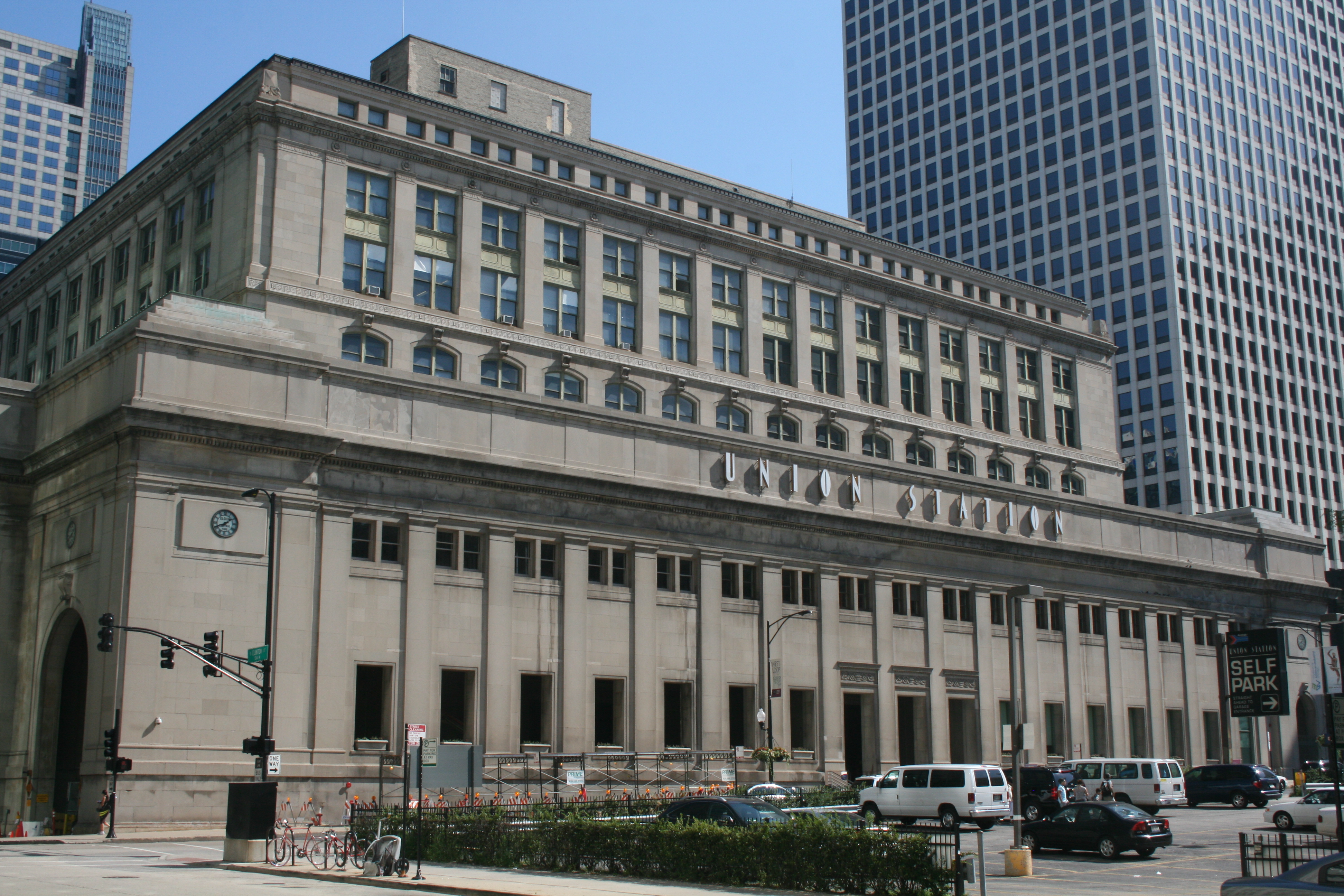
Chicago’s Union Station, completed in 1925, is a testament to the city’s importance as a rail hub. The Great Hall, with its towering Corinthian columns and skylight, offers a breathtaking introduction to rail history. Families can imagine the bustling activity as travelers, soldiers, and immigrants passed through during the 20th century. The station has been featured in films, making it recognizable and exciting for kids. Its preservation highlights how Chicago’s identity has been tied to the movement of people and goods across the Midwest and beyond.
Los Angeles Union Station
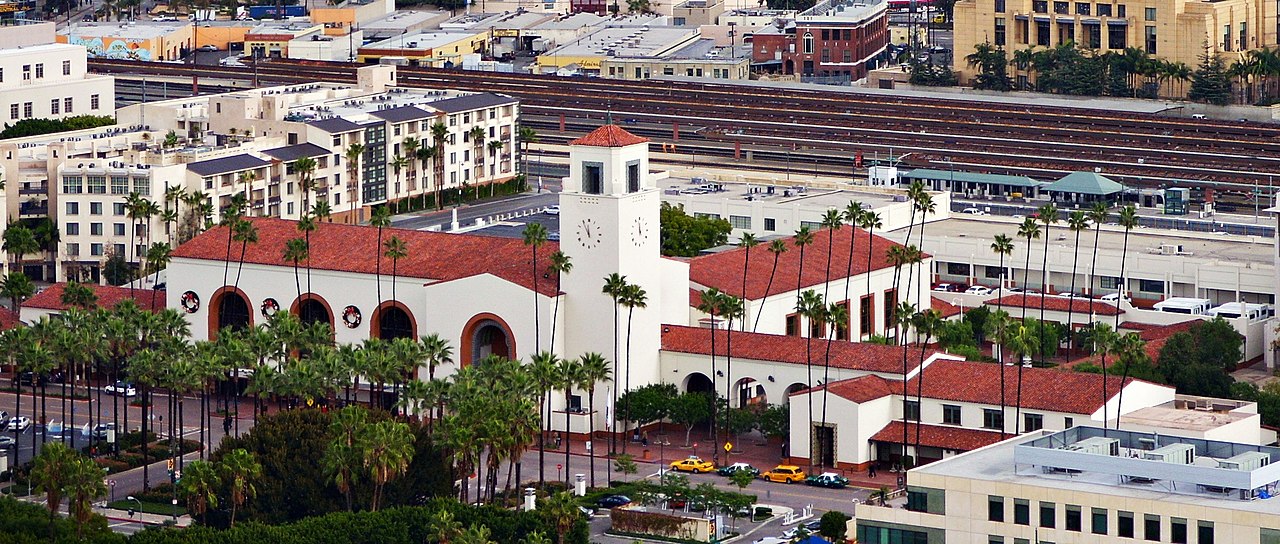
Los Angeles Union Station blends Mission Revival and Art Deco styles, reflecting the city’s diverse cultural influences. Opened in 1939, it became a gateway for soldiers during World War II and immigrants arriving from Mexico and the Southwest. Families visiting today can admire its tiled floors, wooden benches, and lush outdoor courtyards. Events and cultural festivals often take place here, keeping the station a vibrant part of community life. For kids, it shows how a station could be both functional and artistic, connecting people to opportunity and culture.
Philadelphia’s 30th Street Station
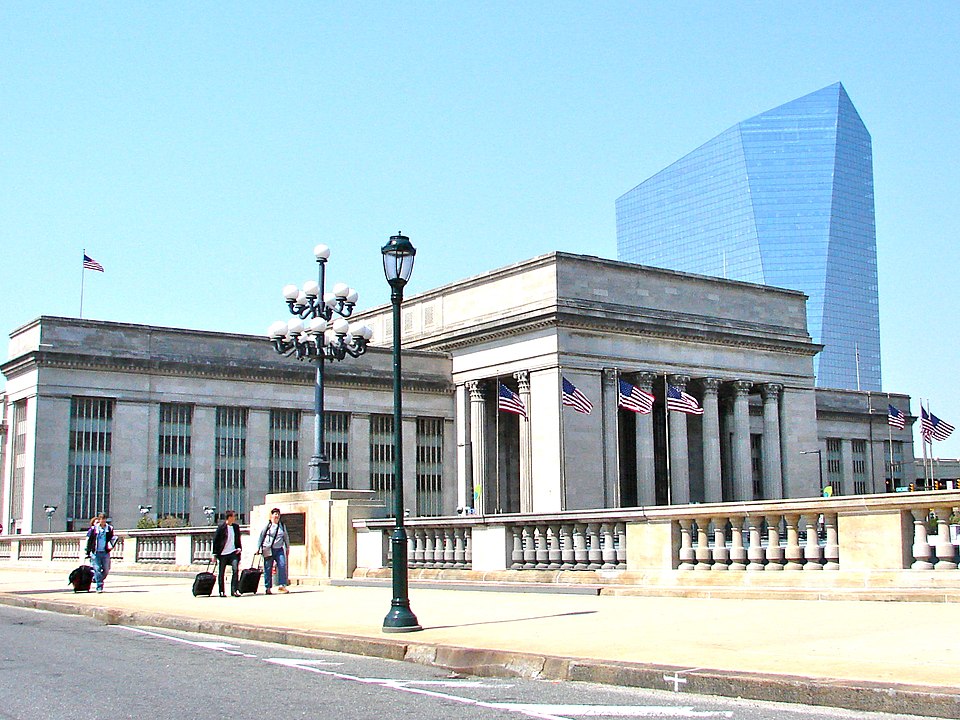
Philadelphia’s 30th Street Station opened in 1933 and remains one of the grandest examples of American rail architecture. Its vast waiting room, with soaring ceilings and enormous windows, creates a cathedral-like atmosphere. During wartime, the station served as both a departure point and a memorial, honoring Pennsylvania Railroad employees who gave their lives. Today, families can explore its restored spaces and view the famous “Angel of the Resurrection” statue, a tribute to those workers. The station embodies how transportation and remembrance intersect in American history.
St. Louis Union Station
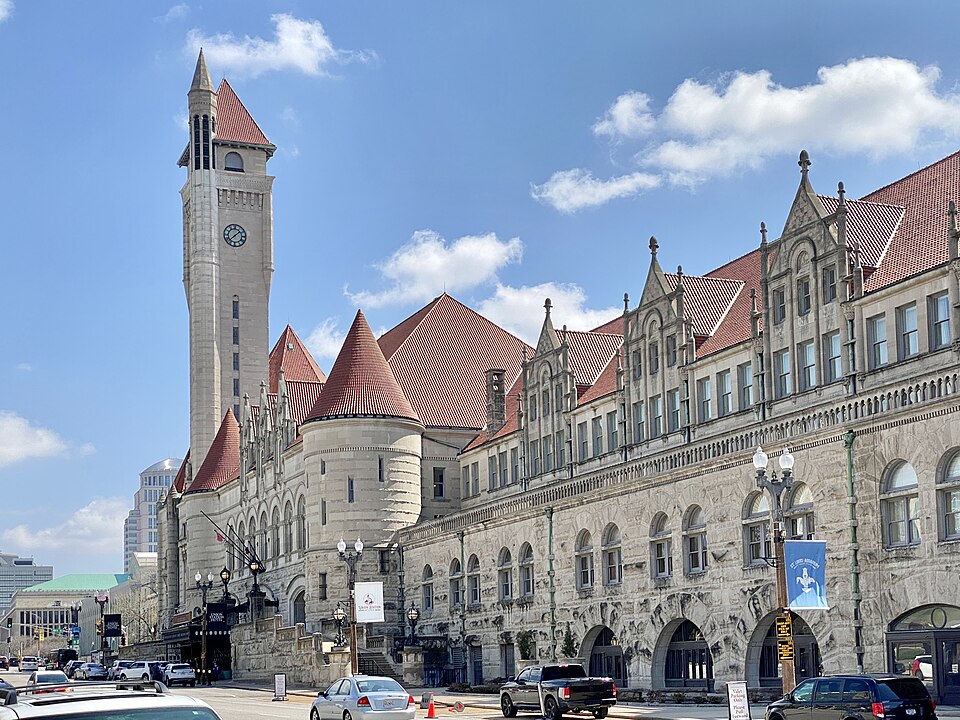
St. Louis Union Station, once the world’s largest and busiest train terminal, opened in 1894 and symbolizes the city’s role as the “Gateway to the West.” Its Romanesque architecture includes a stunning Grand Hall with stained glass and a sweeping barrel-vaulted ceiling. While no longer a major rail hub, it has been transformed into a family destination with a Ferris wheel, aquarium, and interactive exhibits. Kids can enjoy both historic architecture and modern attractions in one visit. This blending of past and present shows how old stations can evolve to serve communities in new ways.
Kansas City Union Station
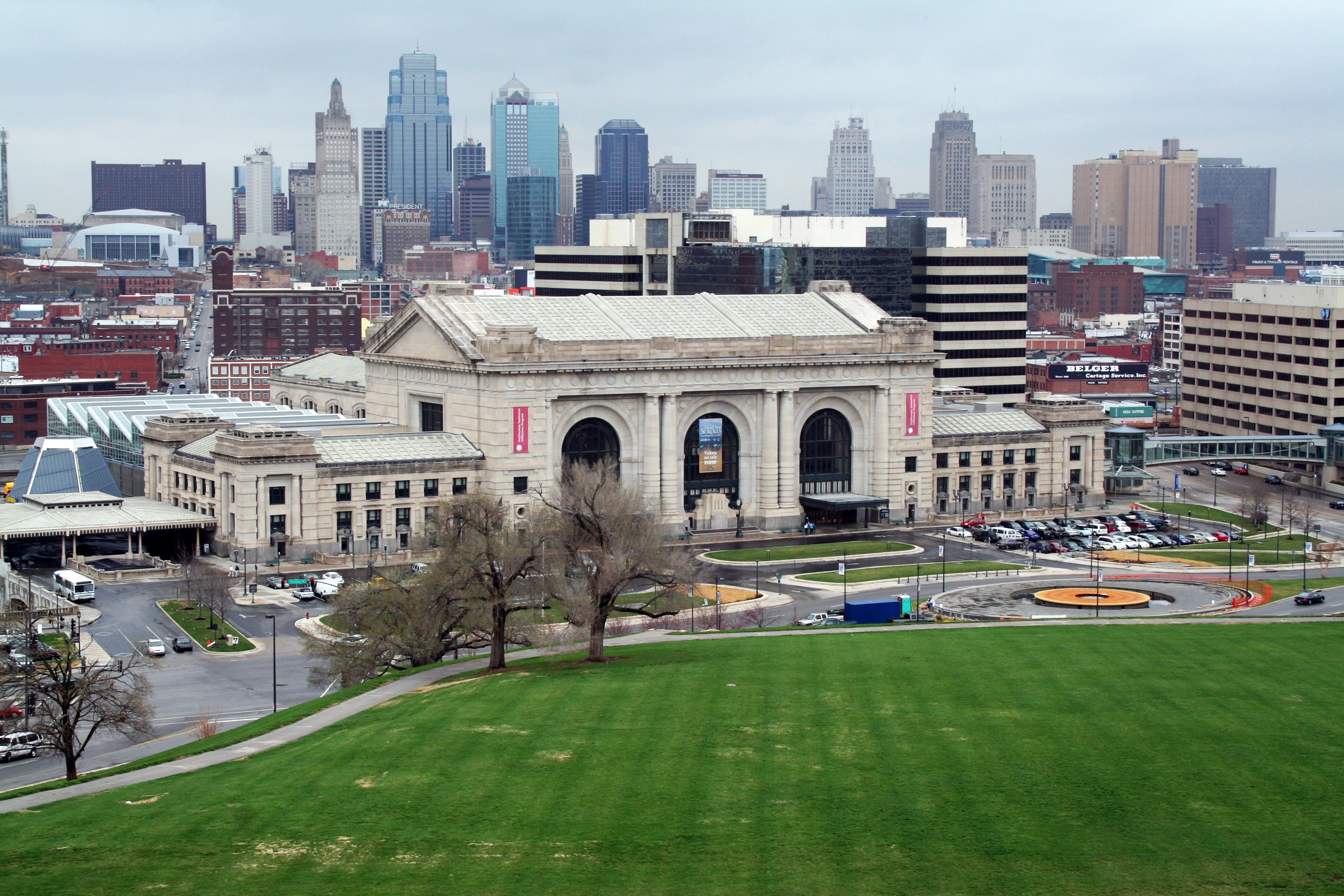
Kansas City Union Station is another example of how rail stations anchored entire communities. Opened in 1914, it witnessed soldiers departing for both world wars and served as a gathering place for families. Today, it houses science exhibits, theaters, and seasonal festivals that make it a vibrant family attraction. Kids can experience history while enjoying hands-on learning in the station’s interactive spaces. Its adaptive reuse ensures that rail history remains connected to community life.
Denver Union Station
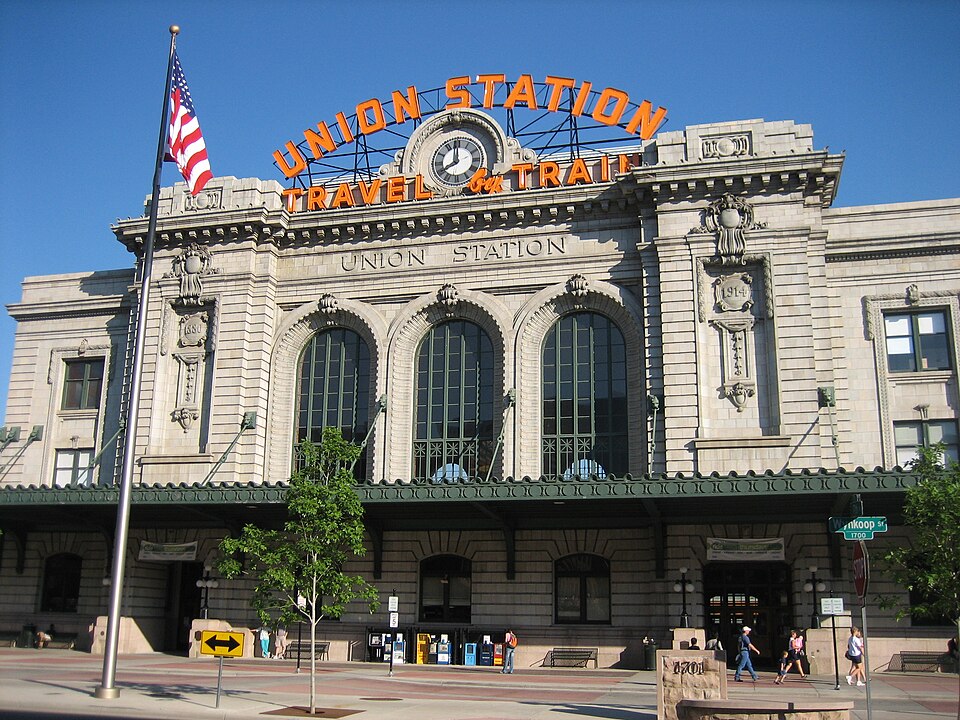
Denver Union Station has been reborn as a bustling cultural hub while preserving its 1914 Beaux-Arts architecture. Families can tour the station’s restored Great Hall, filled with vintage décor and modern amenities. It was a lifeline for the Rocky Mountain region, bringing travelers and supplies into Denver’s growing community. Today, events, markets, and dining make the station lively and kid-friendly. For families, it shows how historic preservation can blend seamlessly with modern city living.
Cincinnati Union Terminal
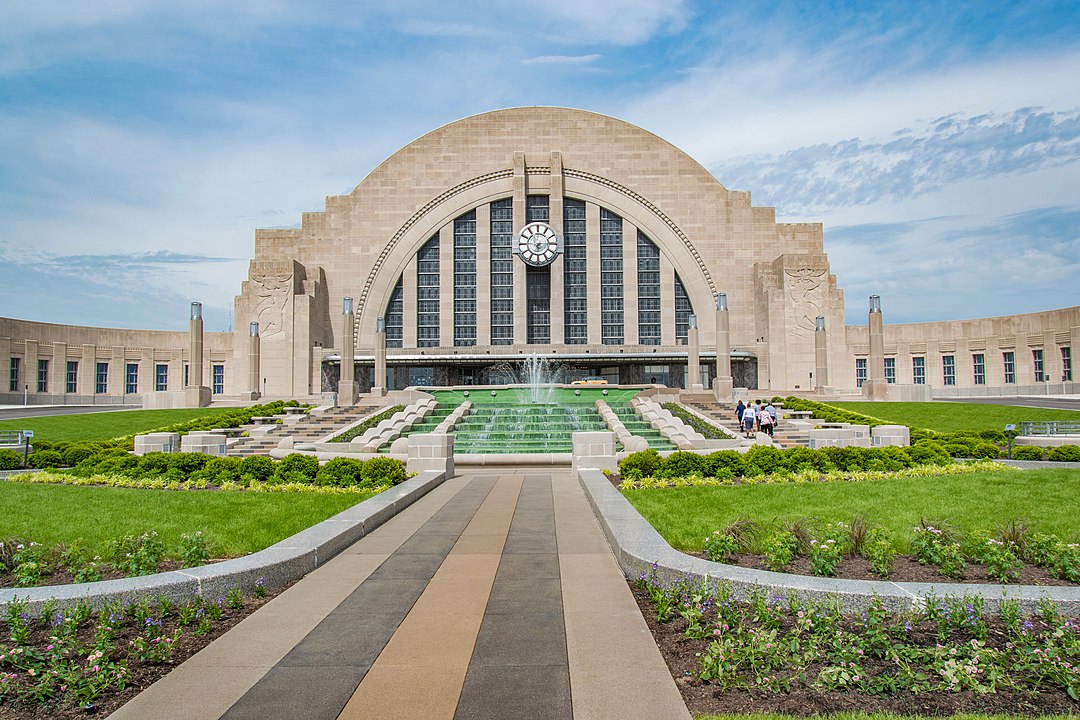
Cincinnati Union Terminal is one of the finest examples of Art Deco architecture in the country, completed in 1933. Its massive half-dome and vibrant mosaics impress visitors of all ages. During World War II, the station was a critical departure point for soldiers, handling thousands daily. Now, it houses the Cincinnati Museum Center, including natural history and children’s museums, making it an ideal family stop. Kids can enjoy learning across multiple subjects while surrounded by rail history.
Baltimore Penn Station
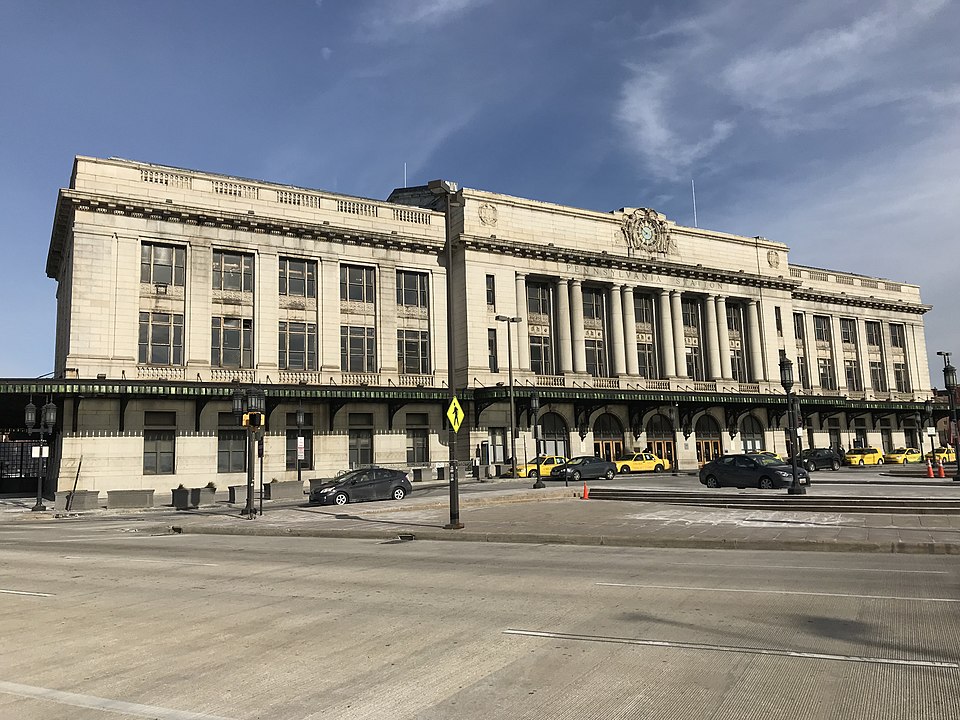
Baltimore Penn Station, built in 1911, continues to serve as a reminder of how rail shaped East Coast cities. Its Beaux-Arts exterior and iconic clock tower make it instantly recognizable. Families can explore its historic design while learning about Baltimore’s role in connecting major northern and southern routes. The station also supports ongoing revitalization efforts, ensuring that history remains alive in modern travel. For children, it illustrates how railroads built connections that are still essential today.