Historic Jewish communities have profoundly shaped cities worldwide, influencing culture, commerce, education, and architecture. Many neighborhoods remain vibrant today, preserving centuries of heritage while integrating into modern urban life. These communities demonstrate resilience and ongoing cultural relevance, leaving a lasting imprint on the cities they helped build.
Mellah
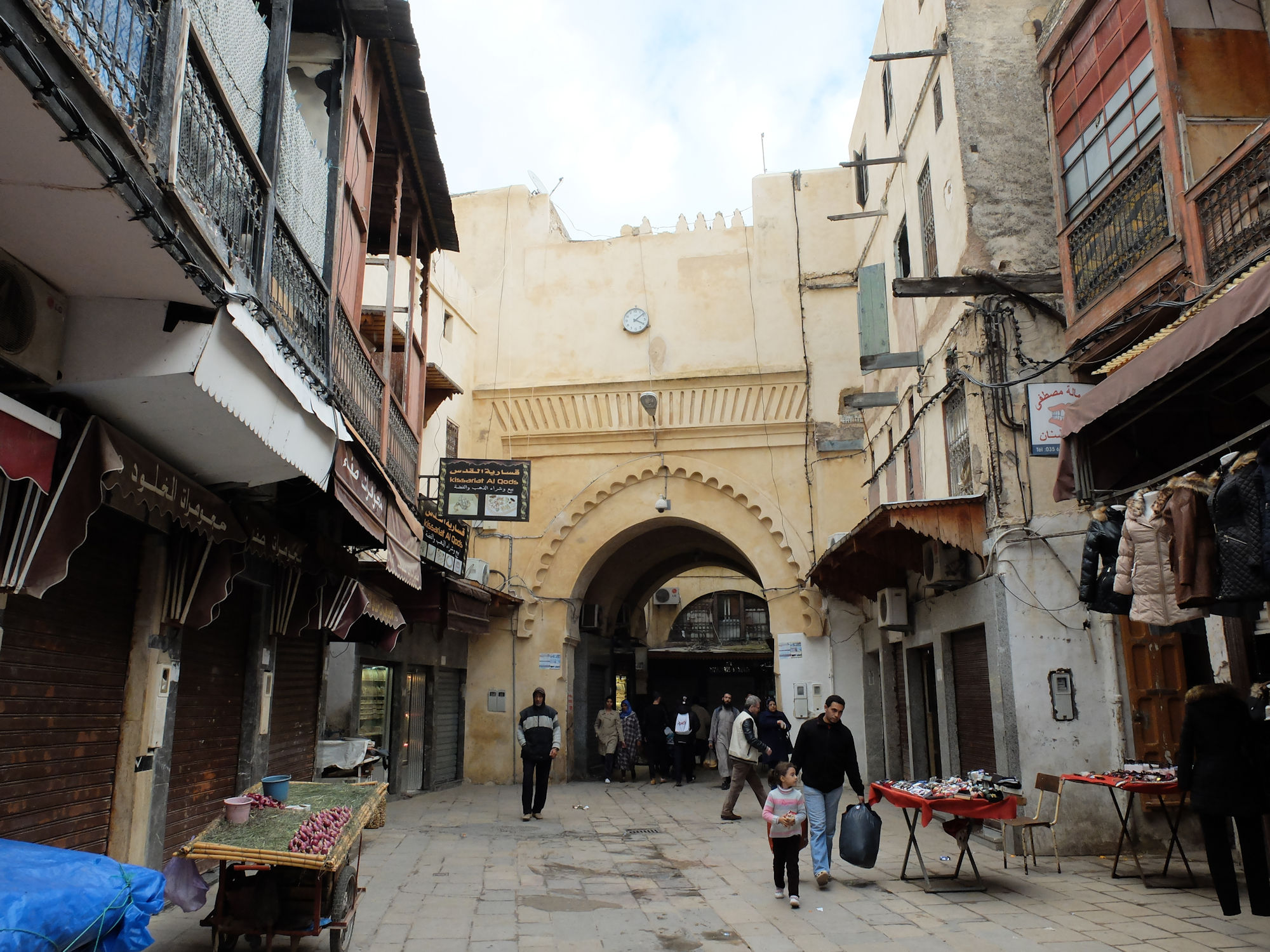
Mellah districts in Moroccan cities, particularly Fez and Marrakech, were central to Jewish life for centuries. Synagogues, artisan workshops, and markets flourished alongside Muslim neighborhoods. Preservation efforts maintain historic architecture and cultural memory. These districts illustrate how Jewish communities shaped trade, craftsmanship, and social networks within Moroccan cities.
Balat
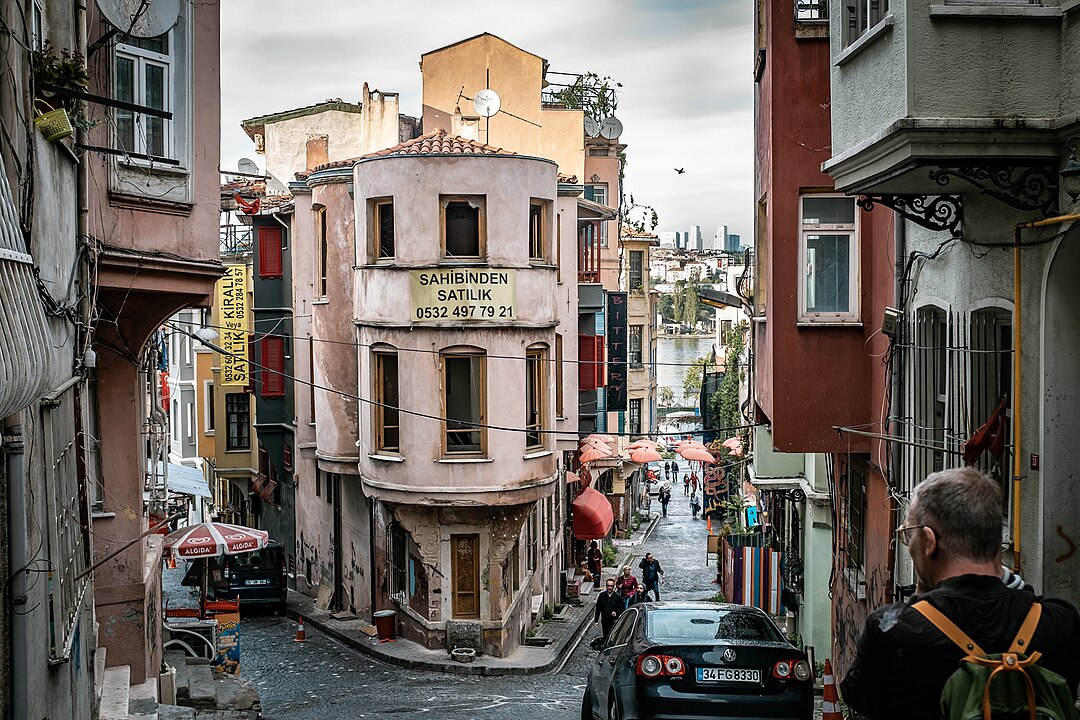
Balat in Istanbul became a refuge for Jews expelled from Spain in the 15th century. Sephardic traditions influenced commerce, education, and neighborhood culture. Synagogues, schools, and local markets still operate today, preserving centuries of heritage. The district reflects the integration of Jewish life into Istanbul’s multicultural urban fabric.
Jewish Quarter (Warsaw)
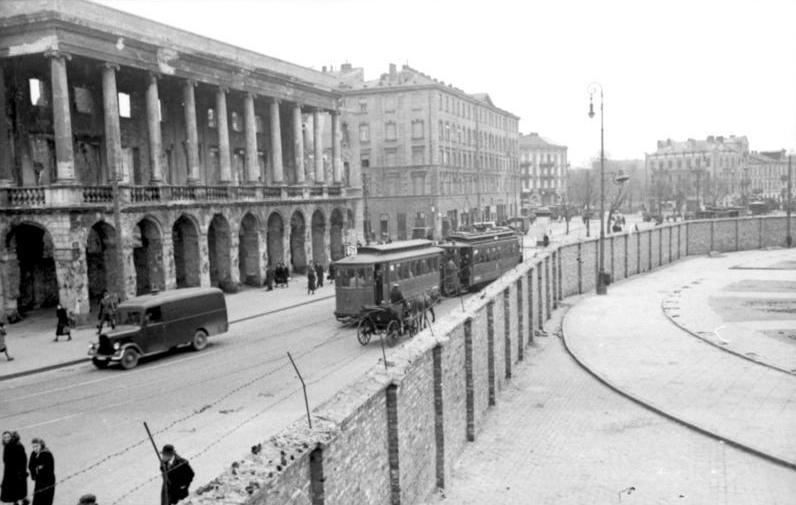
Warsaw’s Jewish Quarter served as a hub of intellectual, cultural, and commercial activity before World War II. Synagogues, schools, and theaters defined community life. Today, restored buildings, memorials, and museums preserve this history. The Quarter’s influence continues in Warsaw’s literature, arts, and urban identity.
Once
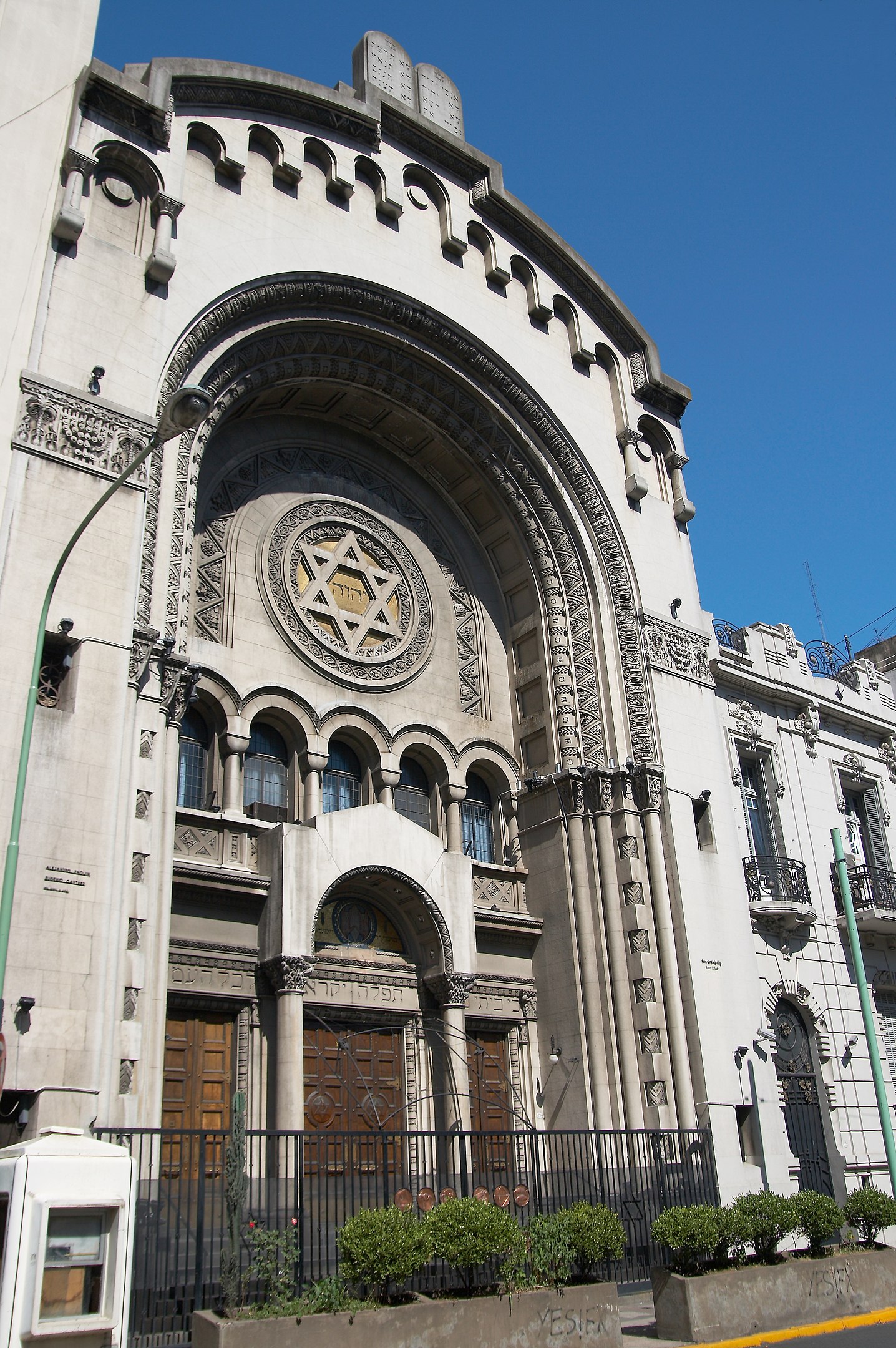
Once, a Buenos Aires neighborhood, became a focal point for Jewish immigrants in Argentina. Synagogues, cultural centers, and schools shaped community cohesion. Many institutions remain active, blending tradition with modern city life. Jewish heritage in Once continues to influence local commerce, culture, and public life.
Ladadika
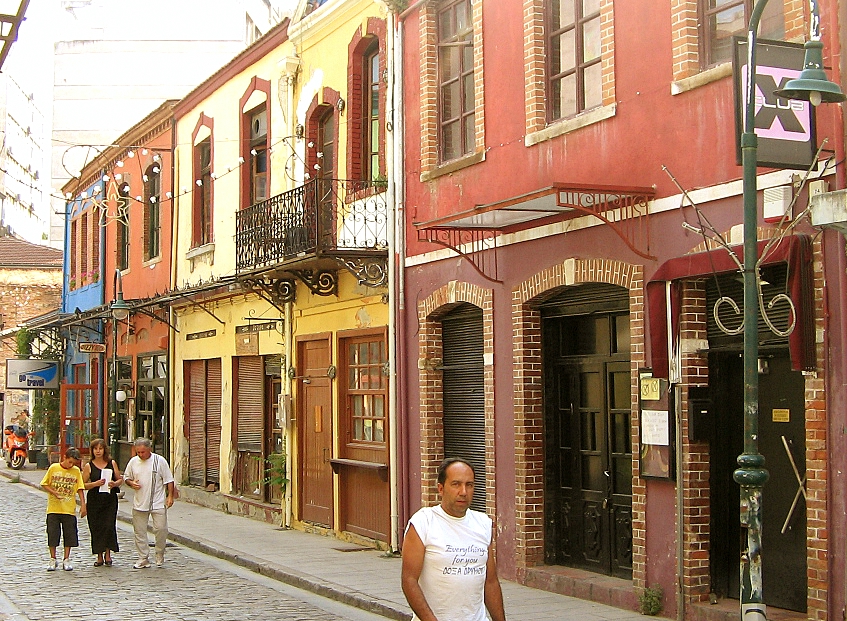
The Ladadika district in Thessaloniki, Greece, hosted a thriving Sephardic Jewish population. Historic synagogues, cemeteries, and marketplaces testify to centuries of cultural and economic contribution. Preservation initiatives ensure that Jewish influence remains visible in the city’s architecture and cultural landscape.
Jerusalem of Lithuania
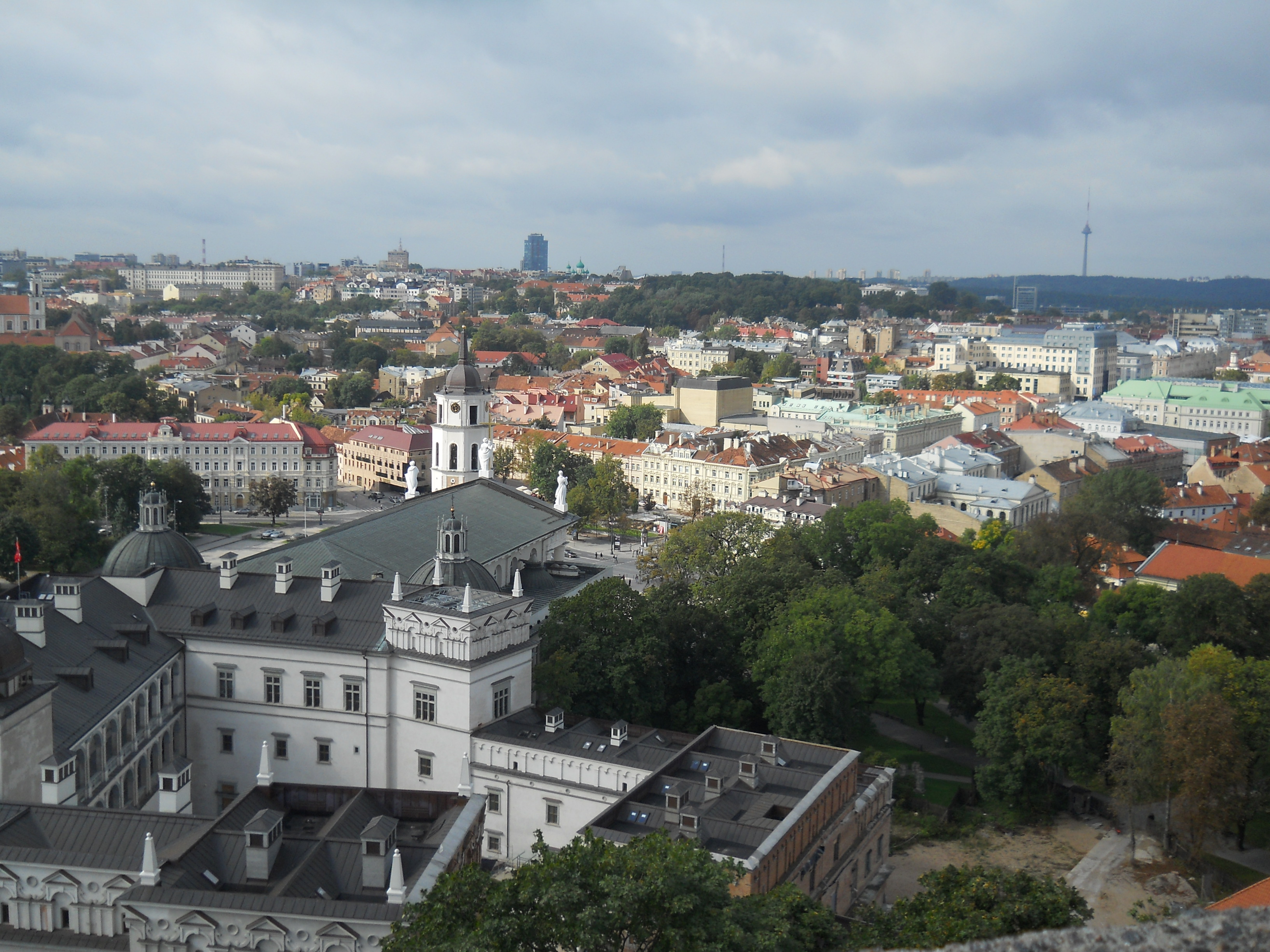
Vilnius’ Jewish community, historically known as the Jerusalem of Lithuania, was a major center of learning and religious scholarship. Yeshivas, study houses, and synagogues shaped intellectual life across Europe. Today, museums, memorials, and cultural programs preserve this heritage. The community’s influence still defines Vilnius’s historical and educational identity.
Jodenbuurt
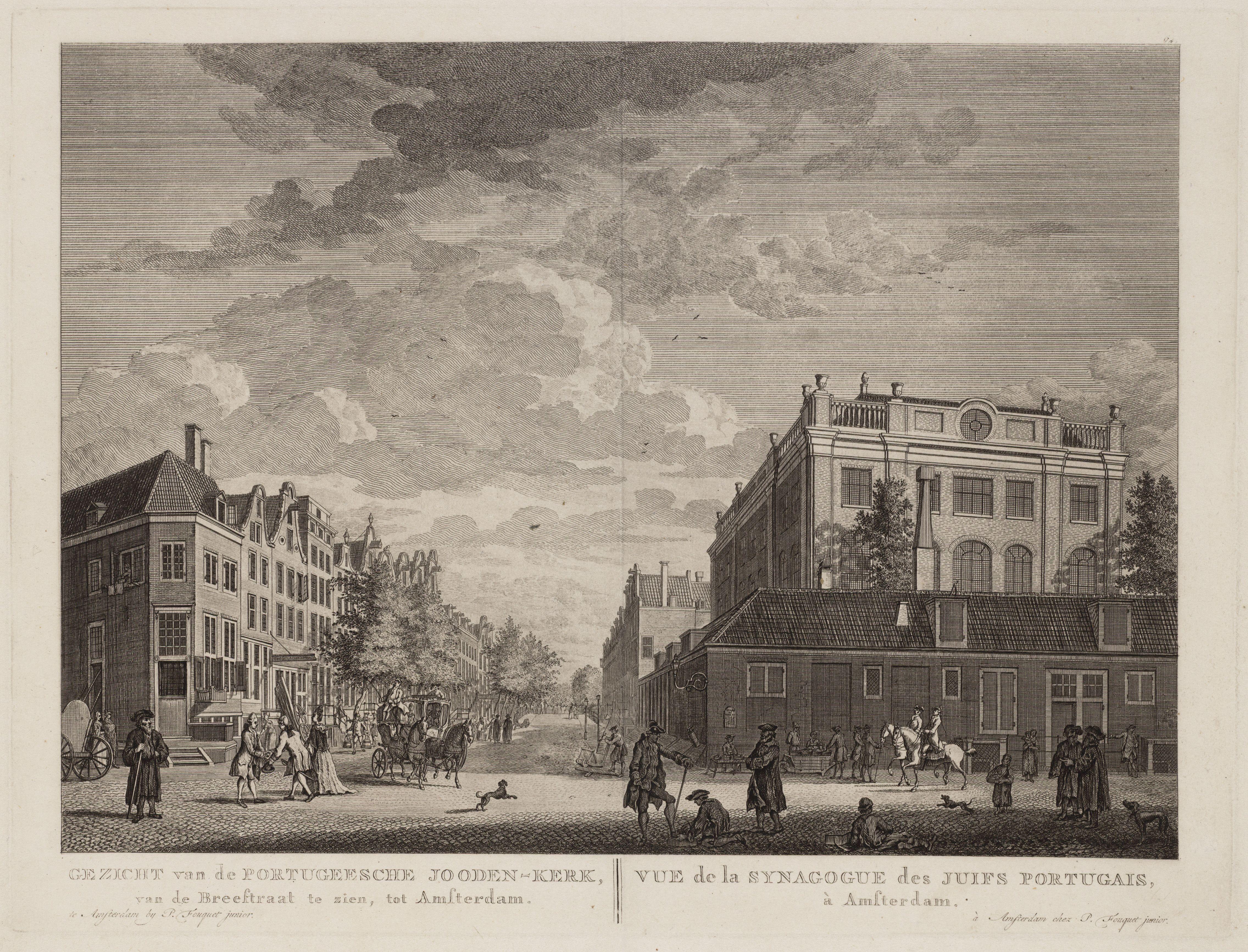
Amsterdam’s Jodenbuurt became a sanctuary for Jewish immigrants fleeing persecution in Europe. Merchants, scholars, and artists contributed significantly to commerce and culture. Synagogues, cemeteries, and museums maintain the community’s legacy. The neighborhood continues to influence Amsterdam’s civic identity and cultural traditions.
Josefov
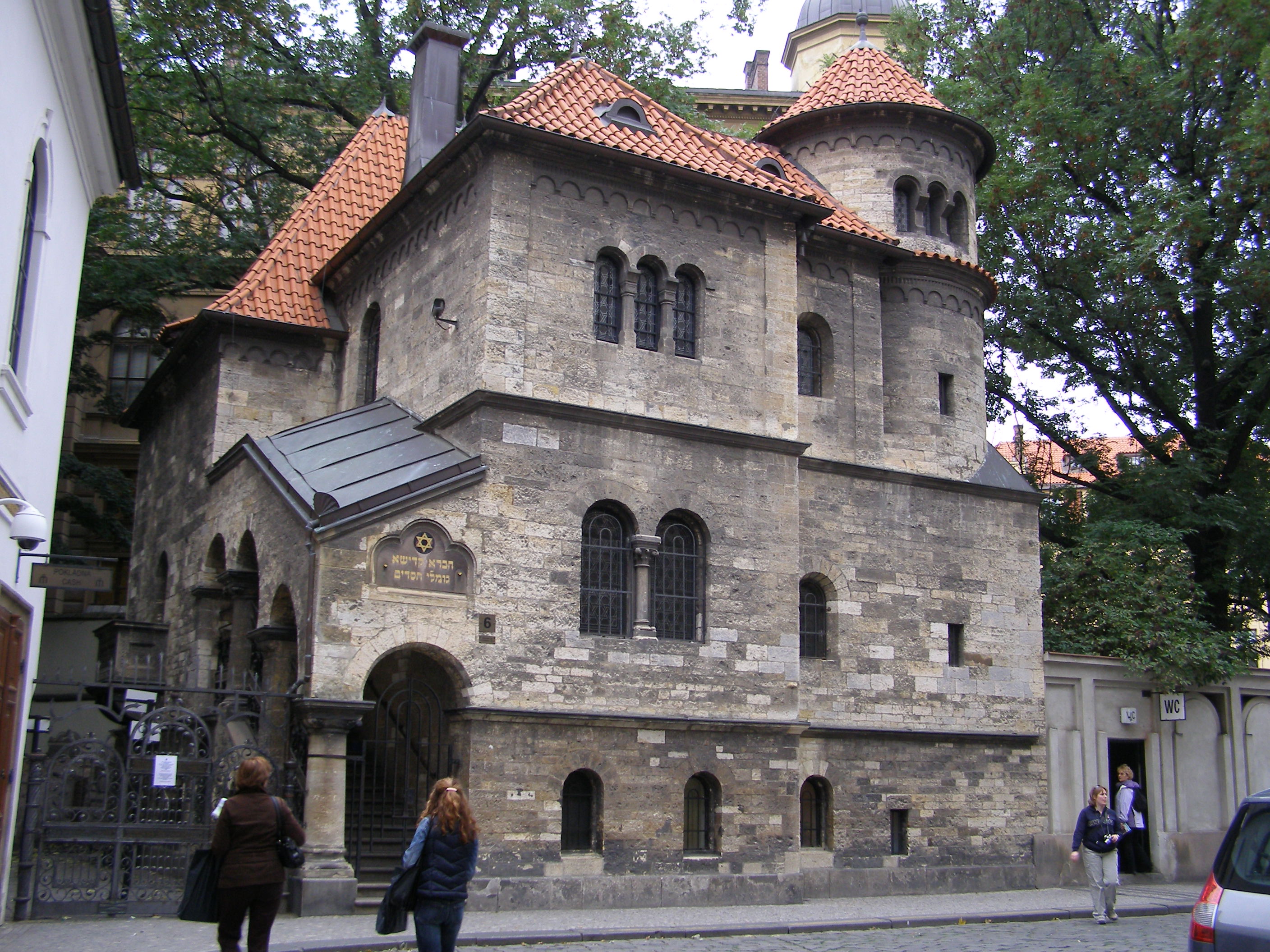
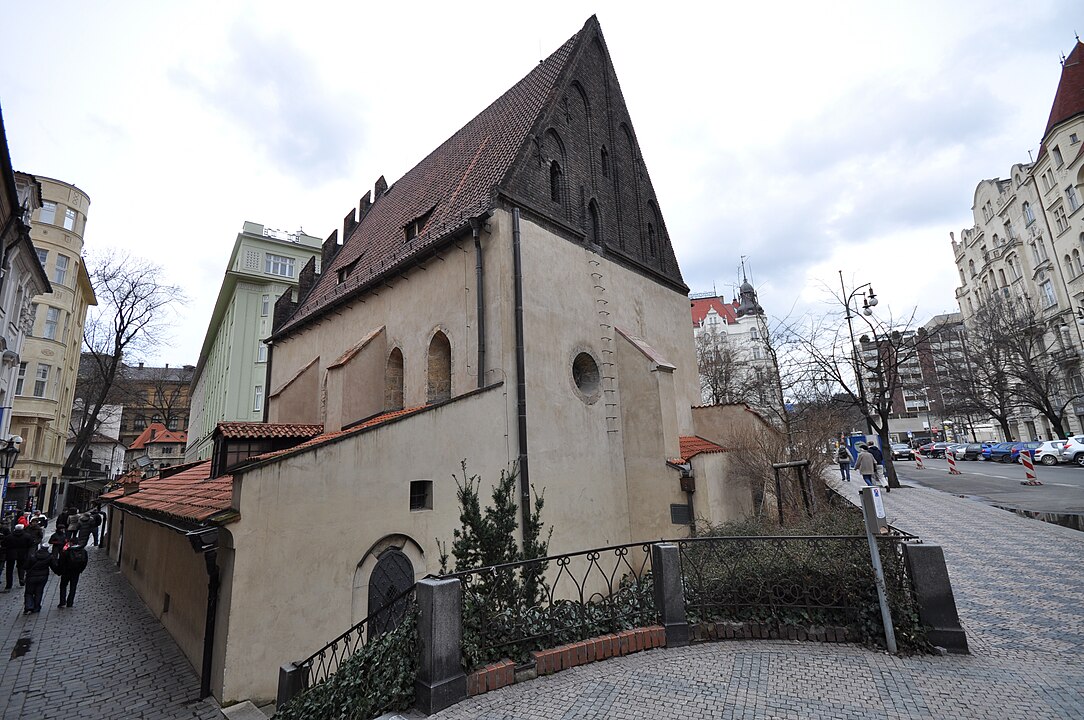
The Josefov district in Prague was a vibrant Jewish neighborhood known for its synagogues, schools, and cemeteries. Museums and historic buildings preserve centuries of cultural heritage. Josefov shapes tourism, education, and the city’s historic identity, blending tradition with contemporary urban life.
Harat al-Yahud
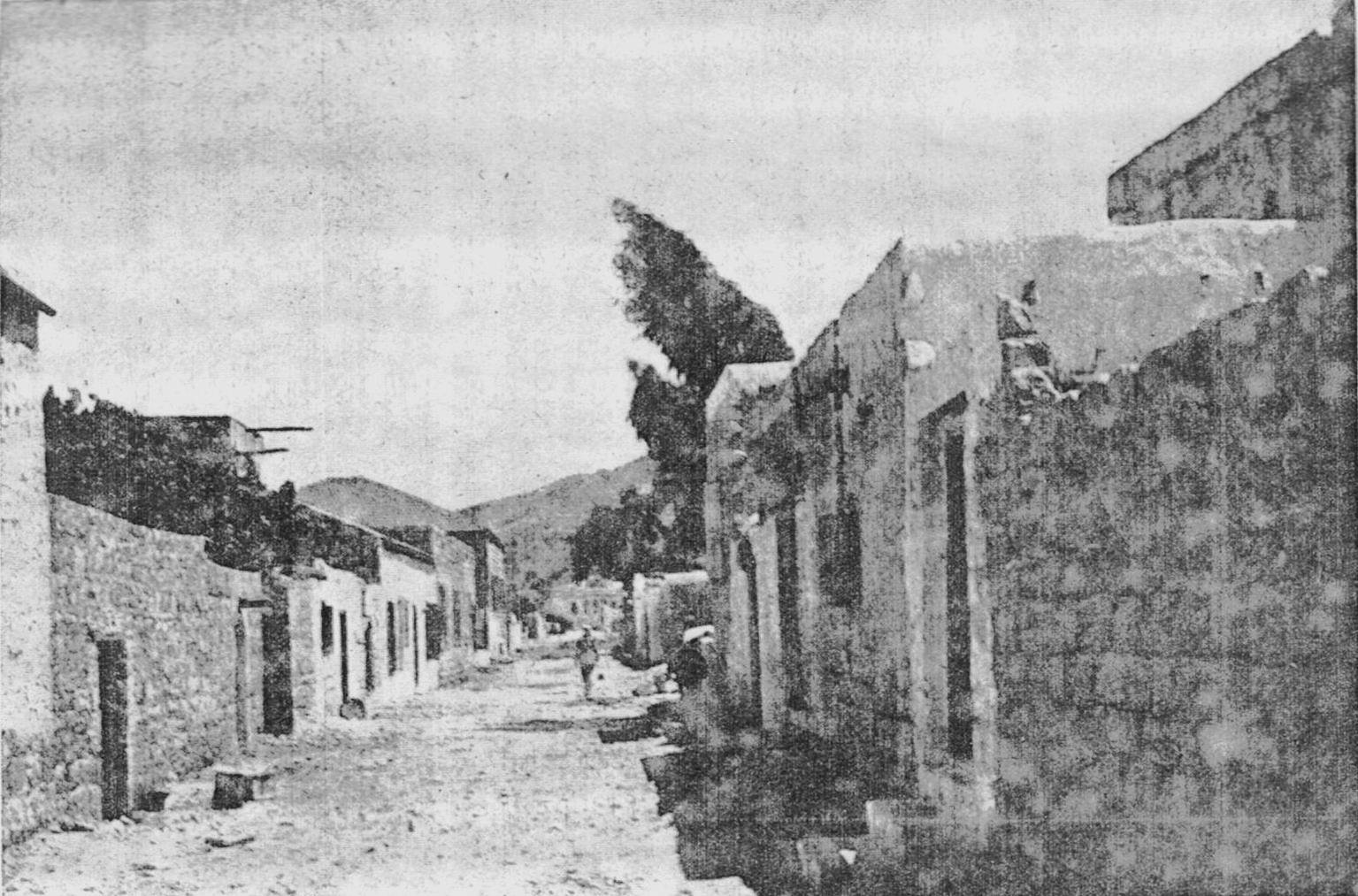
Cairo’s Harat al-Yahud district housed a prominent Jewish population engaged in trade, education, and arts. Synagogues and communal buildings still stand today. Restoration and cultural programs highlight its historical significance. The district demonstrates how Jewish communities influenced the urban and economic development of Egyptian cities.
Mellah (Marrakech)
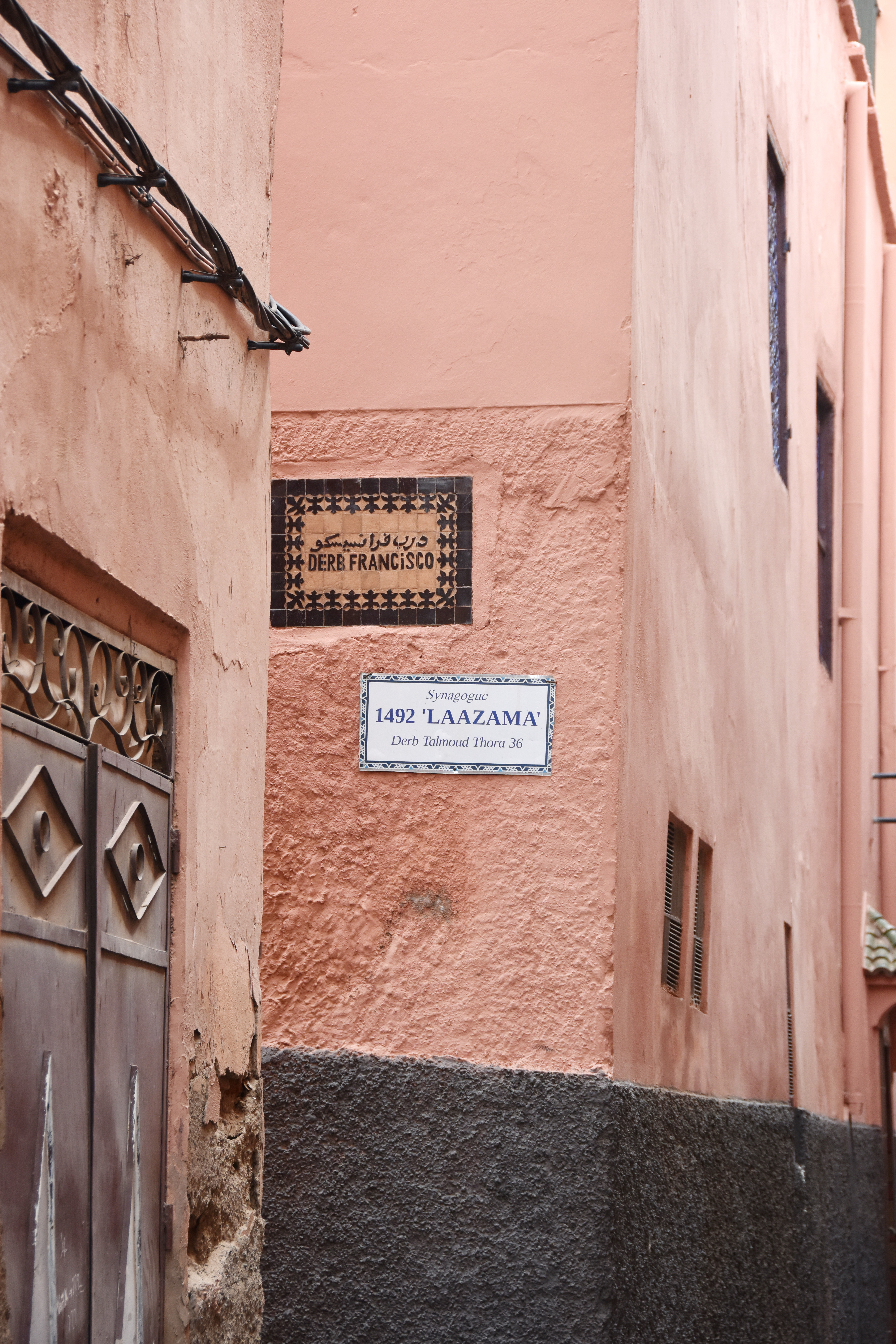
The Mellah of Marrakech preserves centuries of Jewish life, with synagogues, markets, and artisan workshops reflecting historic contributions. Cultural festivals and heritage programs celebrate the community’s legacy. This neighborhood shows the enduring role of Jewish communities in shaping architecture, commerce, and city culture.