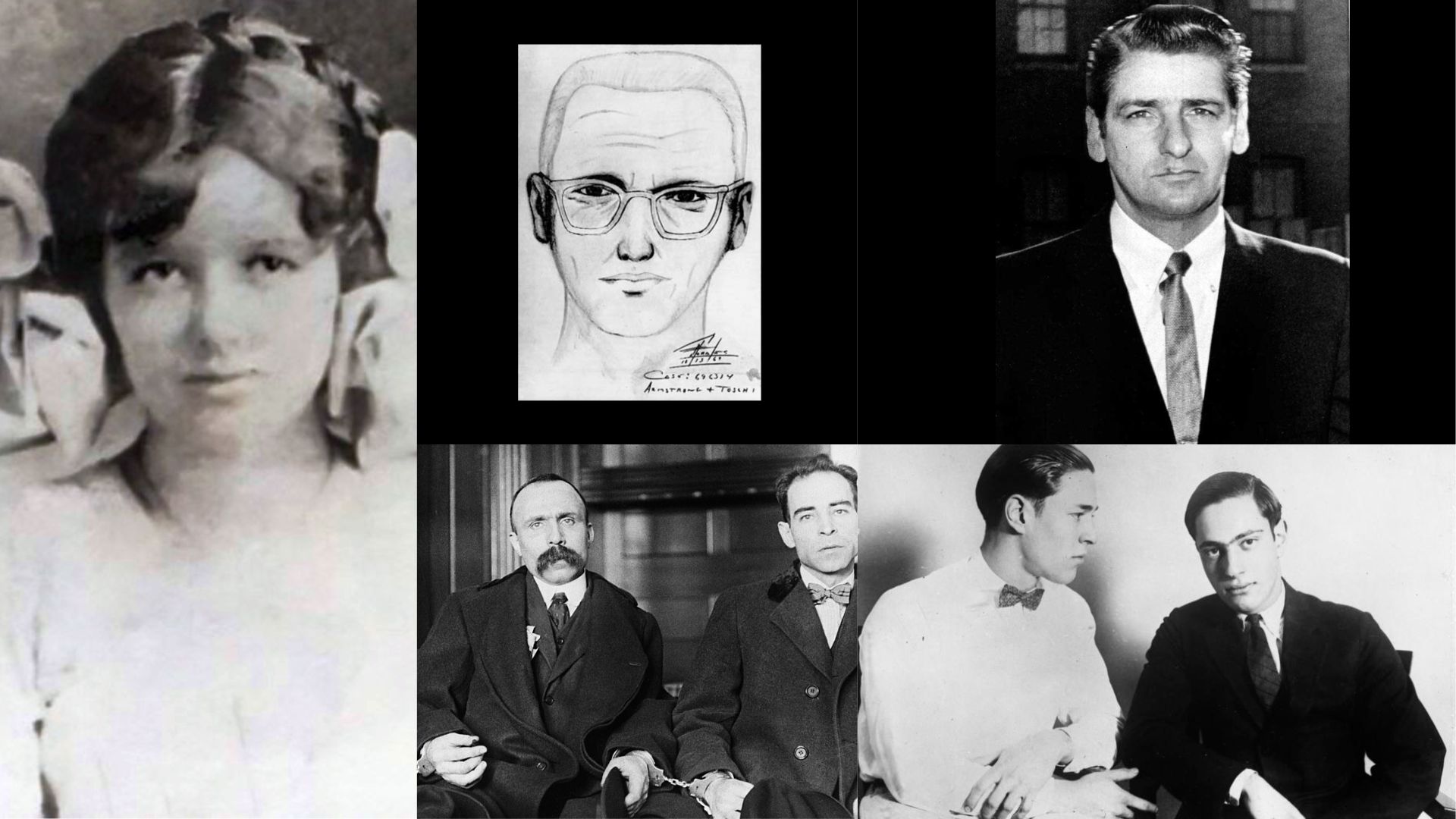
Before the age of online news and social media, certain crimes captured the nation’s attention through newspapers, radio, and evening broadcasts. These cases shaped public opinion, influenced law enforcement, and revealed cultural anxieties of their times. Many became defining moments in American legal and criminal history, leaving behind legacies studied for decades. Looking back at these cases highlights how earlier generations experienced national shock without the instant updates we rely on today.
The Lindbergh Kidnapping Captured National Fear
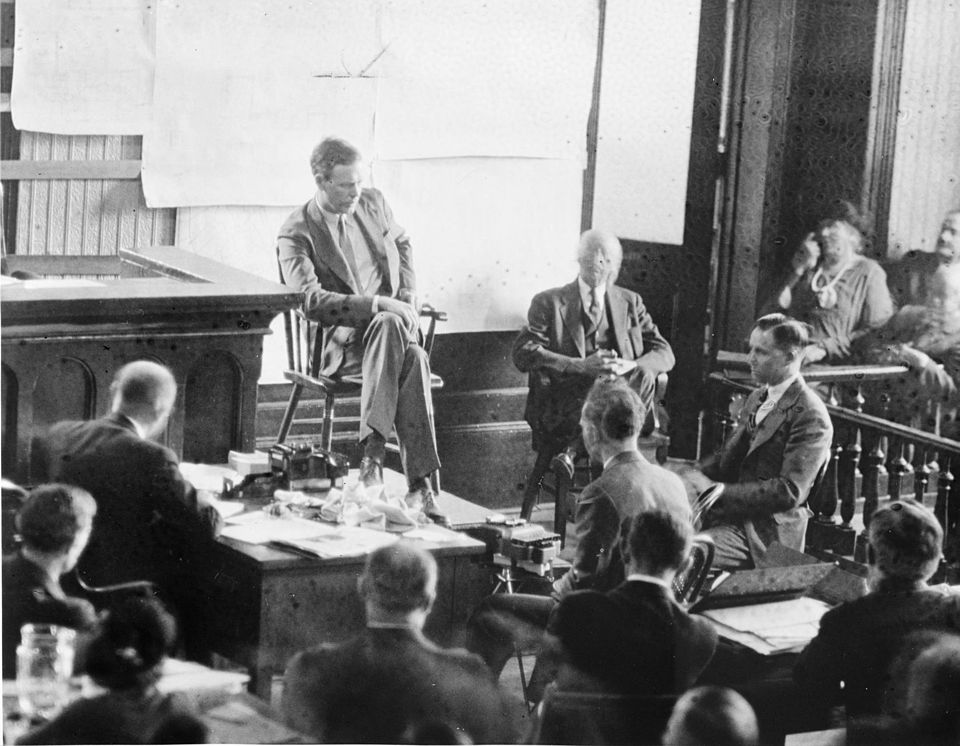
In 1932, the kidnapping of aviator Charles Lindbergh’s infant son became one of the most publicized crimes in American history. Newspapers covered every detail, turning the case into a nationwide obsession. The tragedy led to major changes in federal kidnapping laws and gave the FBI expanded investigative authority. The emotional intensity and media frenzy marked a turning point for crime coverage.
The Black Dahlia Case Sparked Decades of Speculation
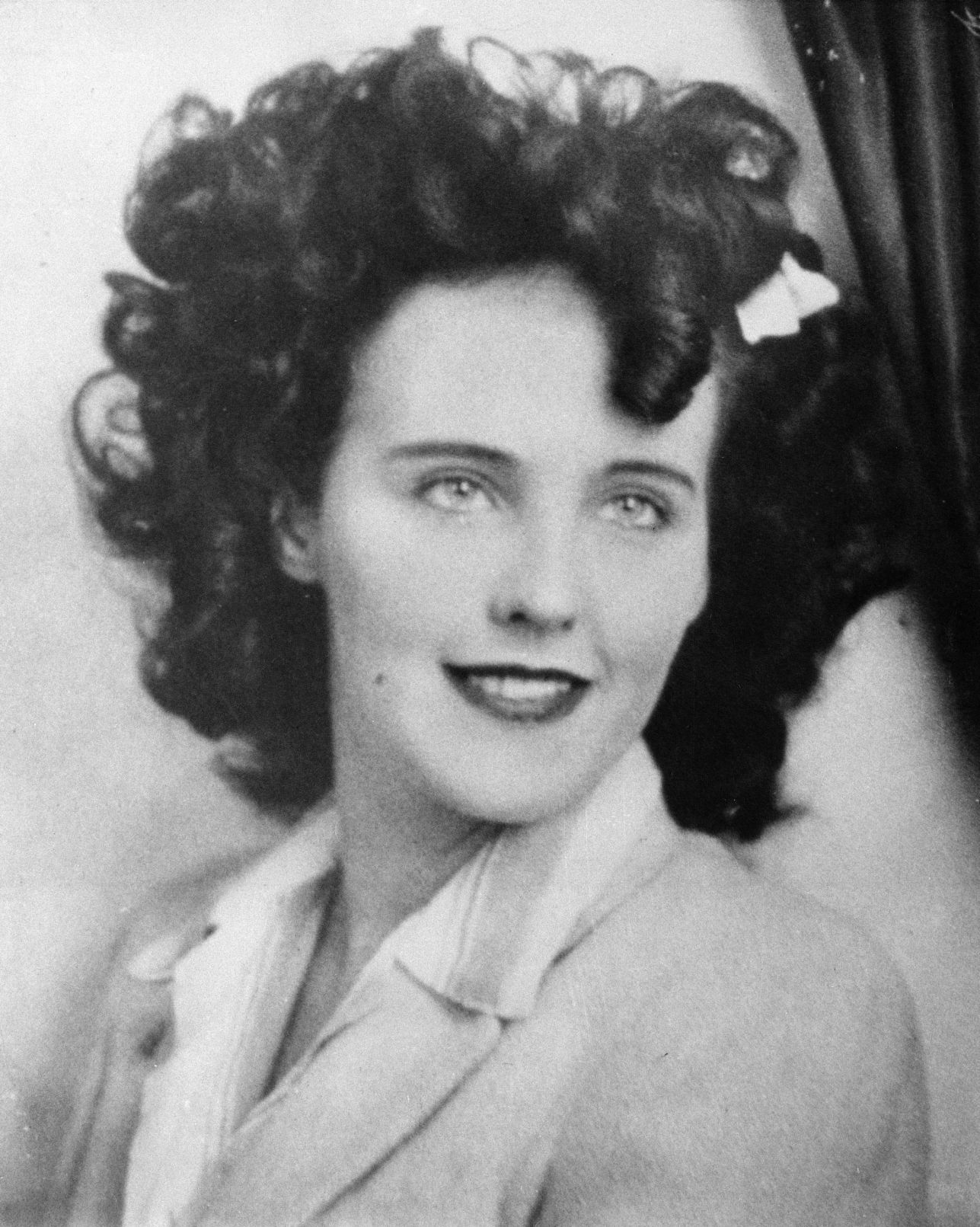
The 1947 murder of Elizabeth Short, known as the Black Dahlia, shocked Los Angeles and the nation. The gruesome nature of the crime and lack of resolution fueled sensational headlines. Thousands of leads emerged, yet the case remains officially unsolved, continuing to fascinate crime historians. It set a precedent for how mystery and brutality could intersect in American media.
The St. Valentine’s Day Massacre Exposed Gangland Violence

In 1929, the execution-style murder of seven men in Chicago highlighted the deadly reach of organized crime during Prohibition. The massacre intensified public pressure to crack down on criminal syndicates. It also cemented Al Capone’s infamous reputation despite his indirect involvement. The crime remains a symbol of the violent era of bootlegging and gang warfare.
The Kitty Genovese Case Transformed Public Psychology’
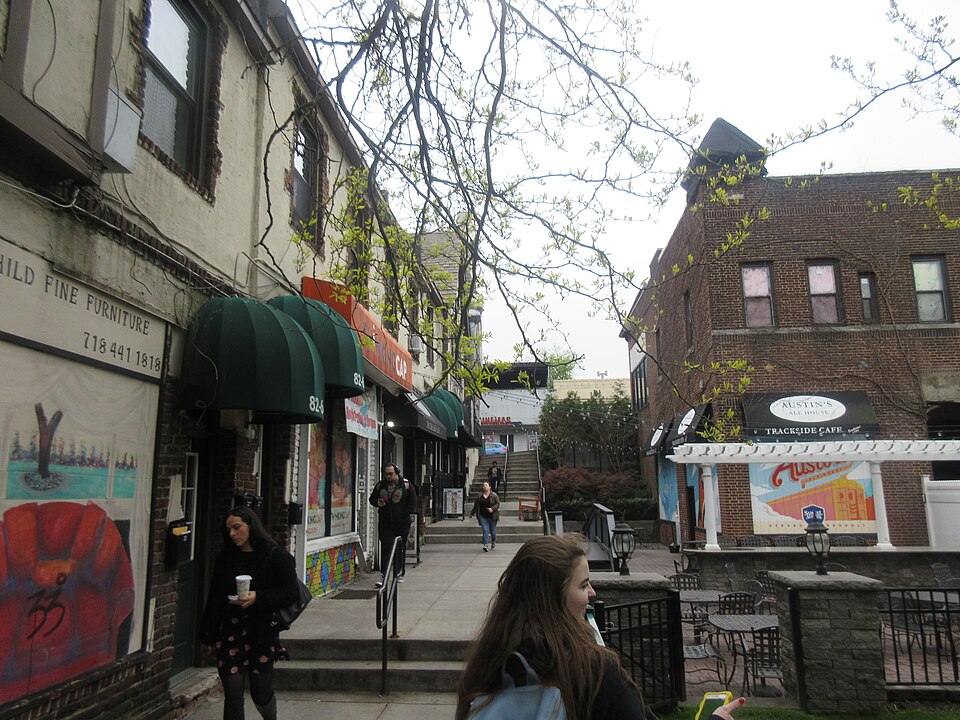
When Kitty Genovese was murdered in 1964, early reports claimed dozens of witnesses failed to intervene. Although later evidence revealed a more complex truth, the case shaped public understanding of the bystander effect. Psychologists used it to study human behavior, prompting discussions about social responsibility. The incident left a lasting mark on urban culture and criminology.
The Leopold and Loeb Murder Revealed Dark Intellectual Obsessions
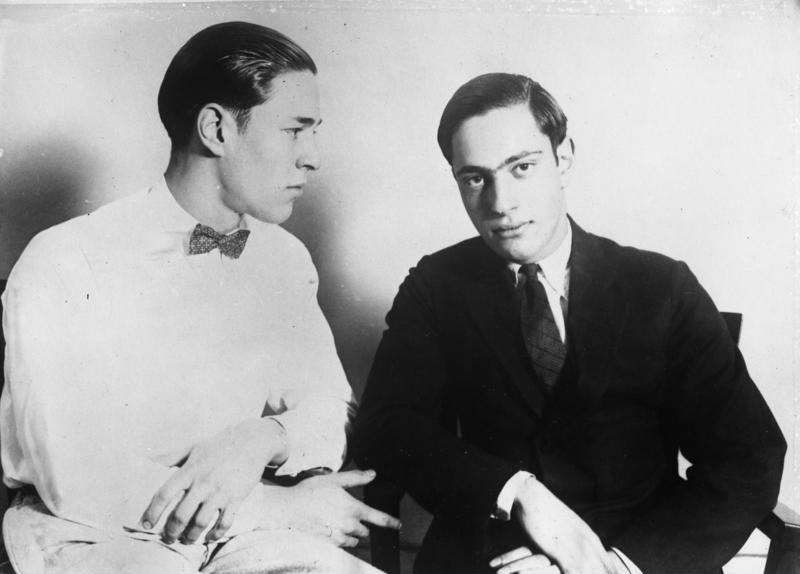
In 1924, two wealthy Chicago students murdered a young boy in what they believed was a “perfect crime.” Their motive, rooted in intellectual arrogance, shocked the nation. The case became one of the most famous legal battles of the century, especially due to Clarence Darrow’s defense strategy. It raised profound questions about morality, privilege, and psychology.
The Boston Strangler Case Fueled Public Anxiety
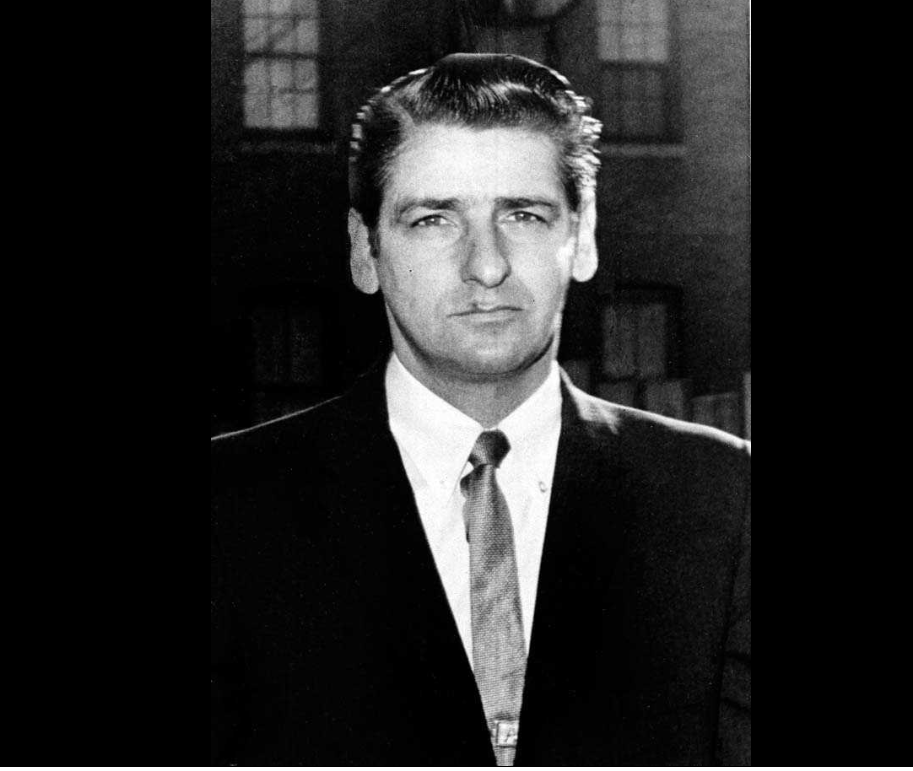
Between 1962 and 1964, a series of murders attributed to the Boston Strangler left the city in fear. Women took new precautions as investigators struggled to piece together the case. The arrest of Albert DeSalvo brought partial closure, though lingering doubts remained. The case pushed forensic science toward new methods.
The Murder of Mary Phagan Highlighted Social Tensions
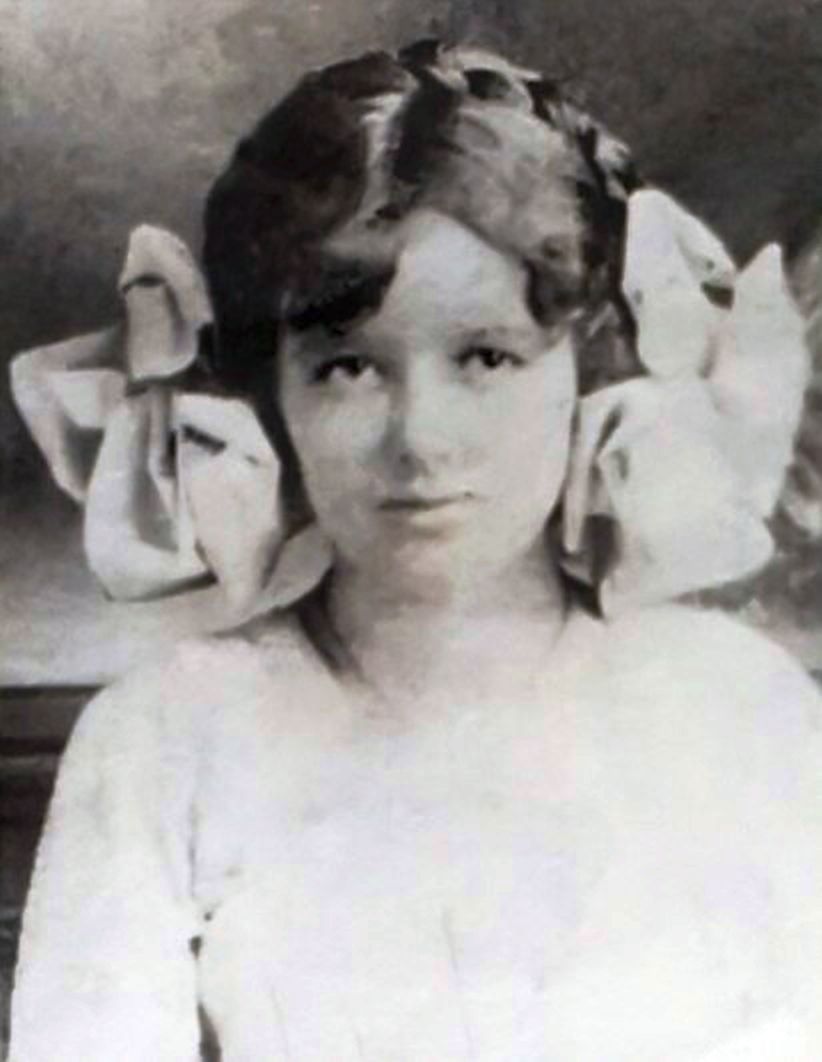
The 1913 murder of young factory worker Mary Phagan and the trial of Leo Frank exposed deep regional and cultural divides. The trial’s outcome, followed by Frank’s lynching, revealed systemic prejudice and mob influence. The case ultimately contributed to the founding of major civil rights organizations. Its legacy remains one of injustice and social conflict.
The Sacco and Vanzetti Trial Sparked Global Debate
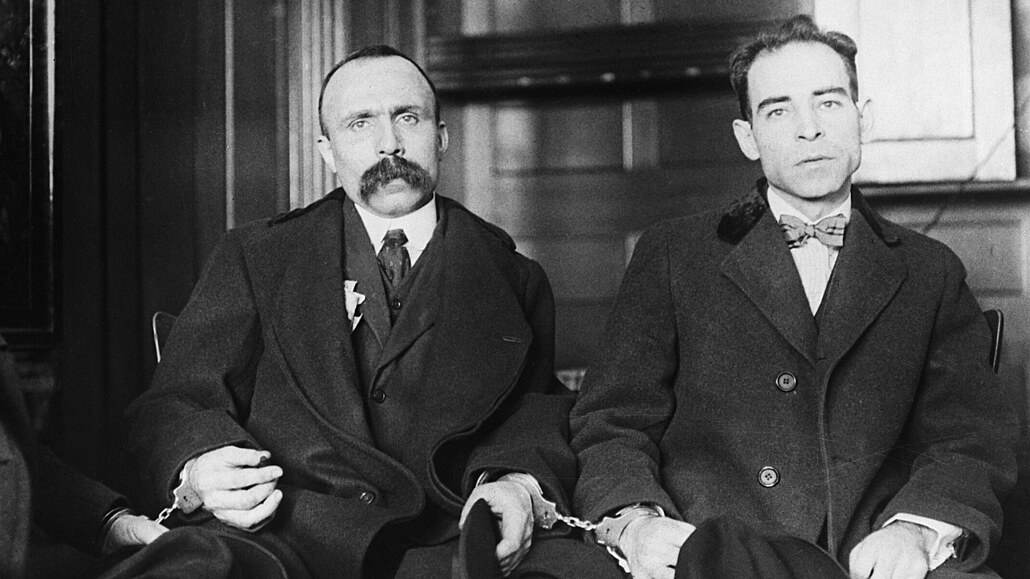
During the 1920s, the trial of Nicola Sacco and Bartolomeo Vanzetti for robbery and murder became a global point of contention. Many believed the men were targeted for their immigrant status and political beliefs. Protests erupted worldwide, questioning the fairness of the American justice system. The case remains a symbol of judicial bias and political tension.
The Unabomber Attacks Showed the Threat of Lone Extremists
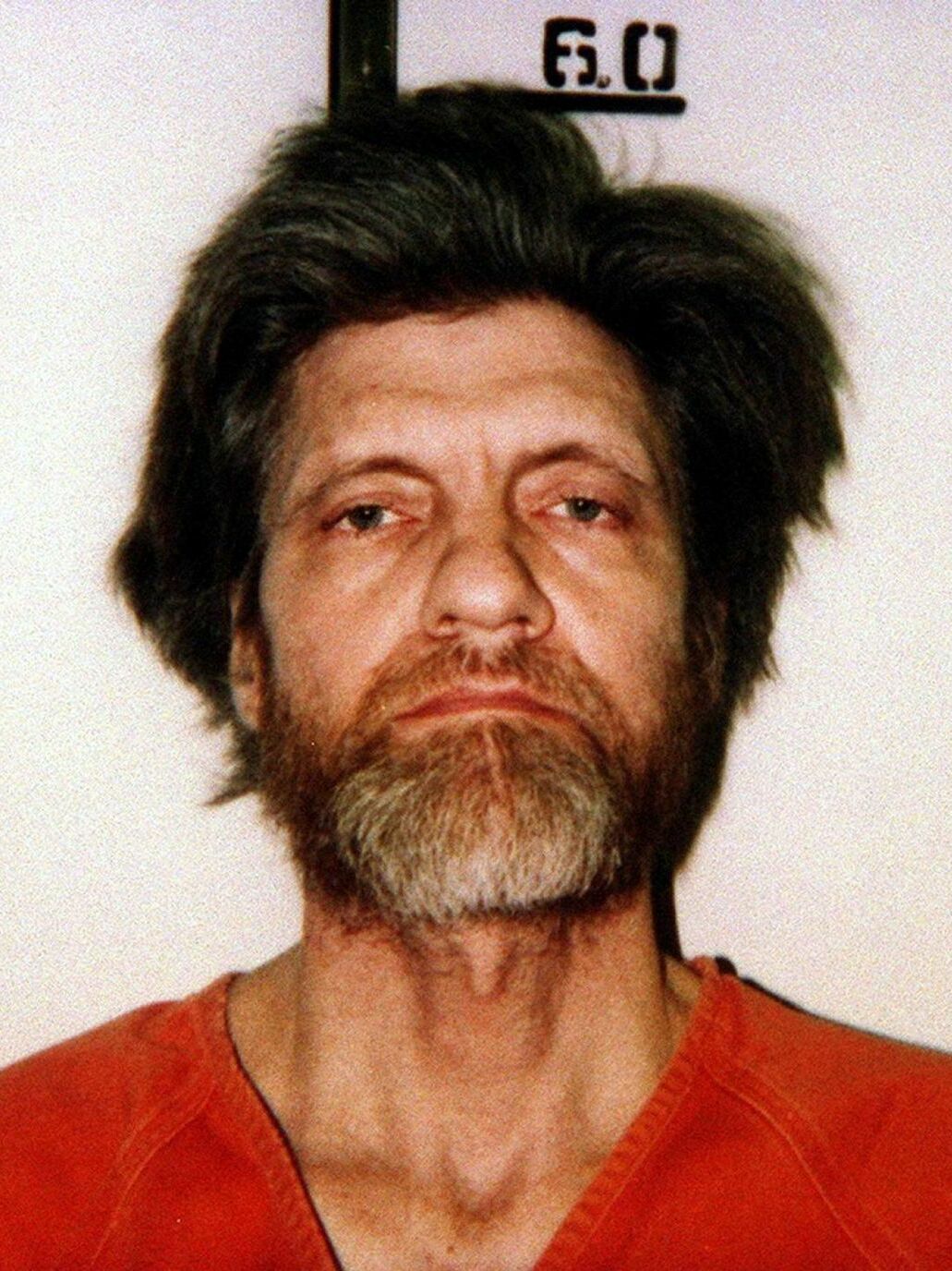
Before his capture in 1996, Ted Kaczynski carried out bombings that terrified universities and airlines. His manifesto and isolated lifestyle made him a unique figure in criminal history. The case challenged law enforcement to combine psychological profiling with modern investigative techniques. His arrest ended one of the longest manhunts in the country.
The Zodiac Killer Created a Culture of Fear
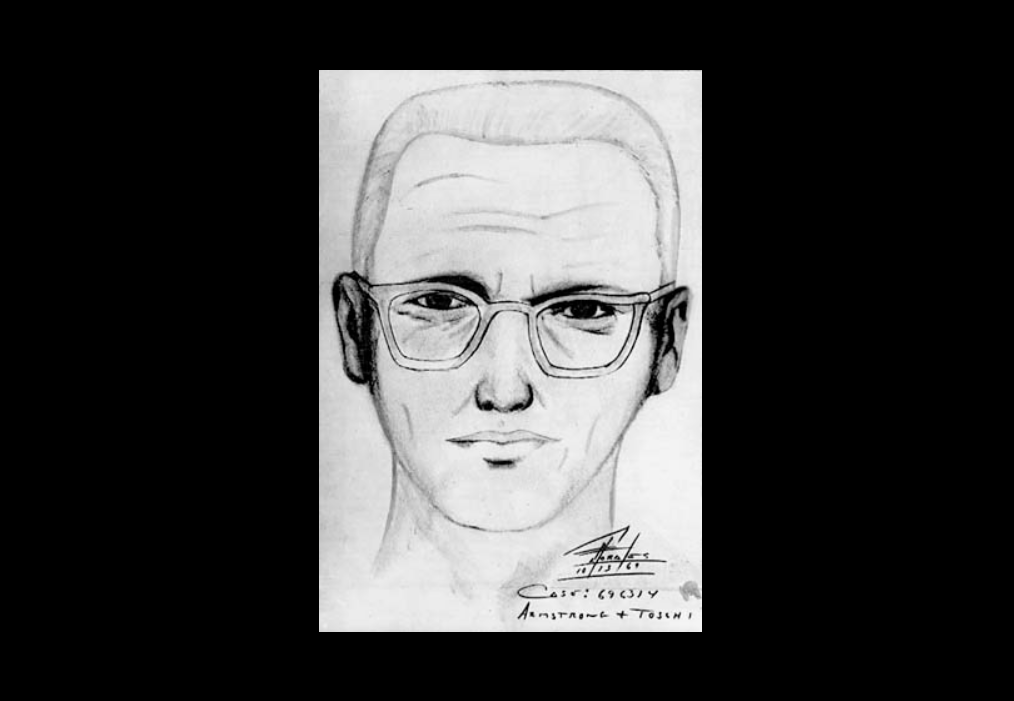
In the late 1960s and early 1970s, the Zodiac Killer terrorized California with cryptic letters and unsolved murders. Newspapers published his messages, making the public feel directly connected to the case. His taunting approach reshaped the relationship between criminals and media. The unsolved nature of the case continues to inspire debate and fascination.