The Smithsonian Institution in Washington, D.C., is the world’s largest museum complex, made up of 21 museums and the National Zoo. Most visitors come to see the most famous treasures, such as the Hope Diamond, the Apollo 11 command module, or the towering dinosaur skeletons. But beyond the headline exhibits are countless lesser-known gems that reveal fascinating stories of history, culture, art, and science. These hidden treasures often go unnoticed by tourists rushing through the main galleries, but they reward those who take the time to explore deeper. Visiting them transforms the Smithsonian from a place of “big attractions” into a more intimate and meaningful experience.
The Star-Spangled Banner Restoration Room
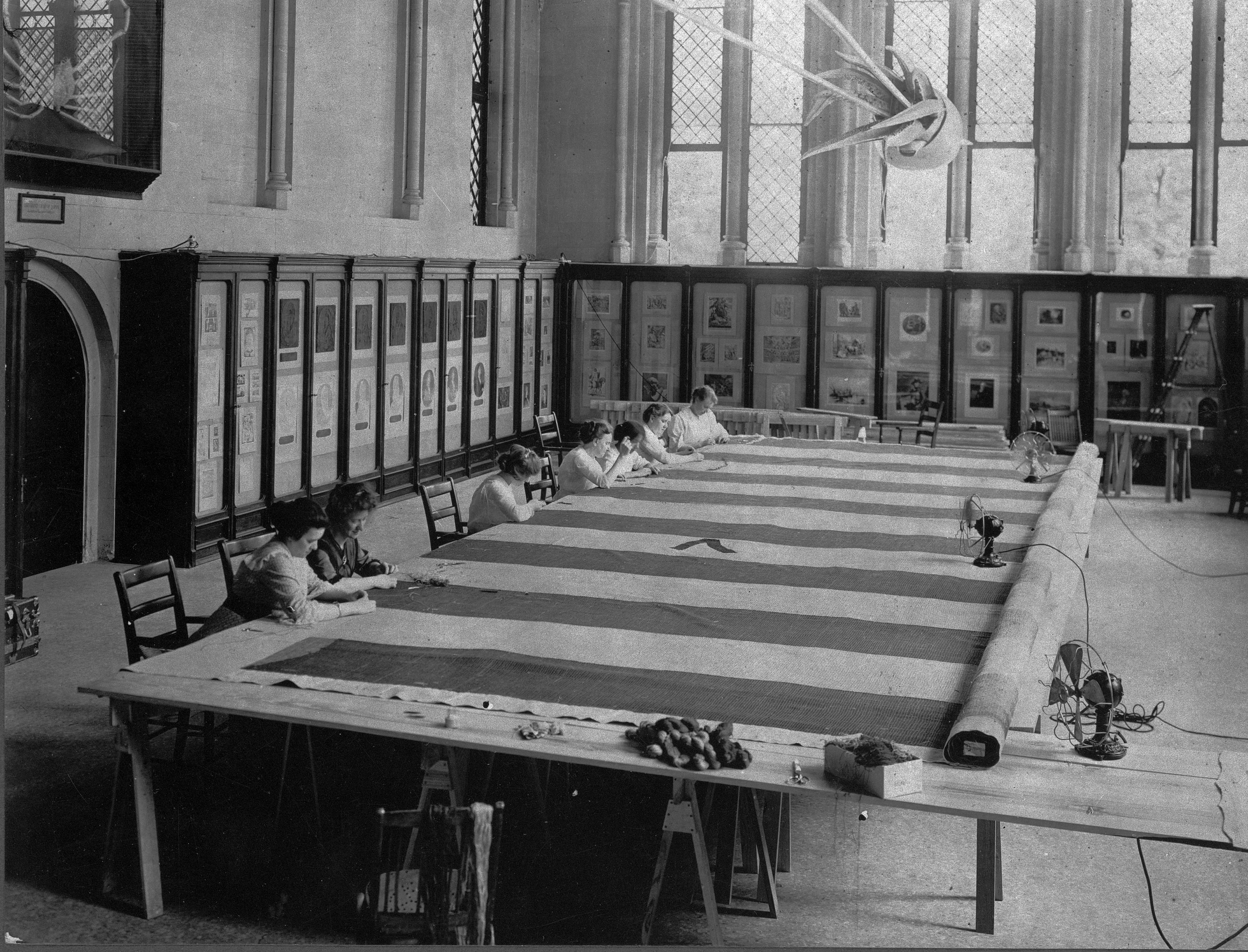
At the National Museum of American History, the Star-Spangled Banner is one of the most famous exhibits. Yet behind the scenes lies the conservation room where specialists work tirelessly to preserve it. This massive flag, which inspired the national anthem, is extremely fragile after more than 200 years of exposure. The restoration process allows visitors to witness the delicate balance between science and history. Seeing how conservators clean, mend, and preserve the fibers adds a new layer of appreciation for this iconic piece of American heritage.
The Fossil Preparation Lab
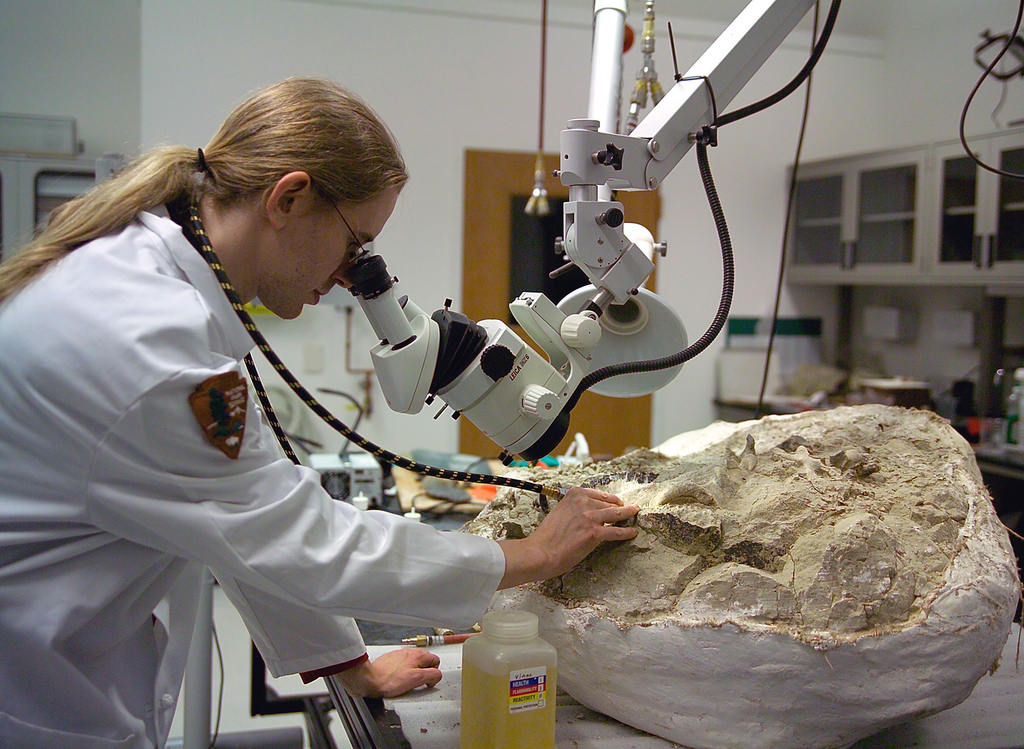
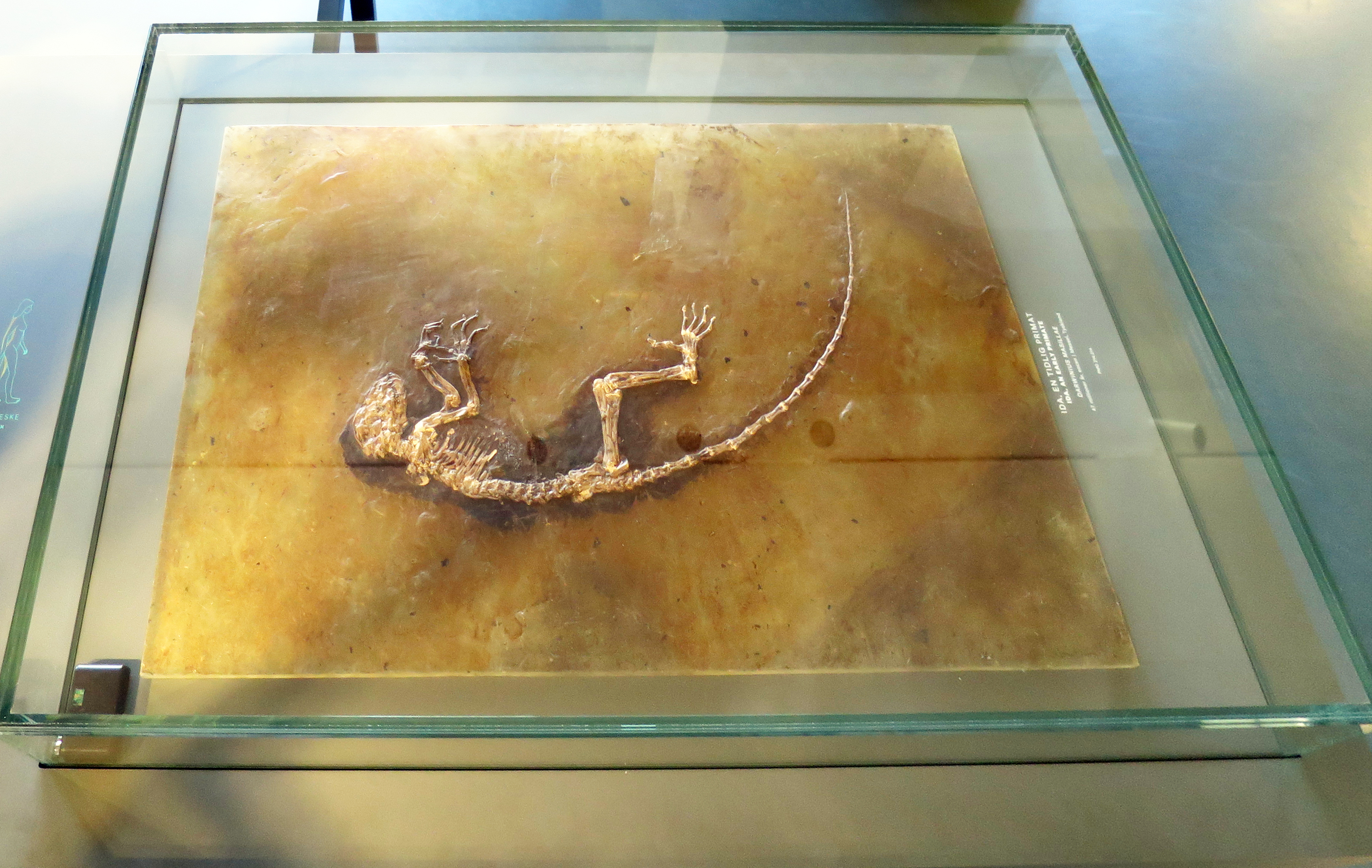
The National Museum of Natural History draws millions each year for its dinosaur fossils, but tucked away is the Fossil Preparation Lab. This space allows visitors to watch paleontologists as they clean and prepare fossils for display and research. Through glass windows, guests can see the painstaking process of chiseling away rock or gluing tiny fragments together. It turns the museum into a living laboratory, showing that discovery doesn’t end when fossils are unearthed, it continues in quiet, meticulous workrooms. For many, this hidden area becomes just as exciting as the towering skeletons in the main halls.
The First Ladies’ Gowns
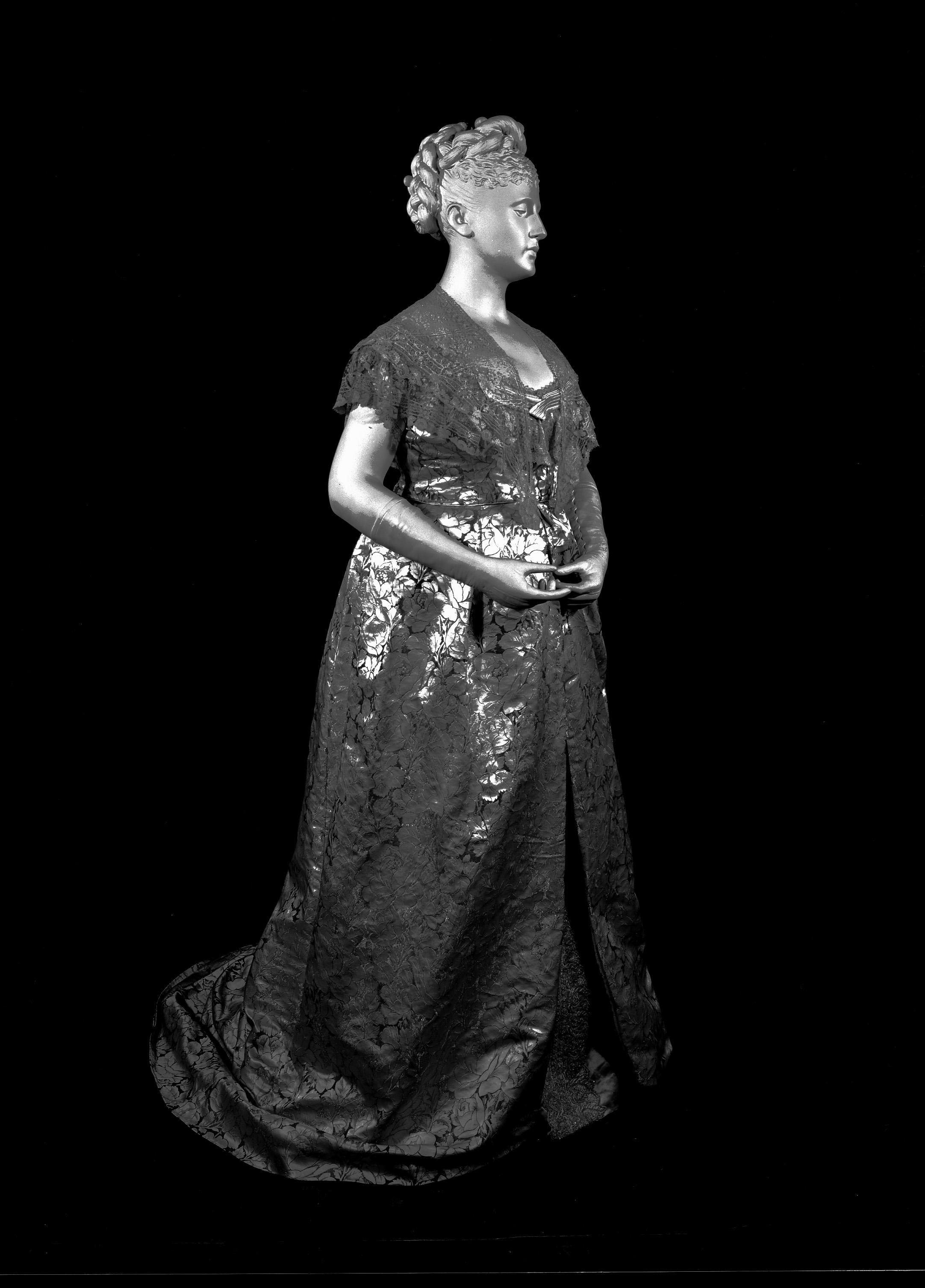
While presidential history takes center stage in American politics, the National Museum of American History also houses the elegant First Ladies’ Inaugural Gown Collection. This exhibit showcases the dresses worn by America’s first ladies during their inaugurations, offering a glimpse into fashion, culture, and symbolism through the decades. Each gown reflects the personal style of the woman who wore it while also telling a broader story of American society at the time. From Jackie Kennedy’s timeless elegance to Michelle Obama’s modern grace, the gowns reveal how fashion mirrors history. For visitors who take the time to find this collection, it feels like stepping into a hidden chapter of the American story.
The Peacock Room
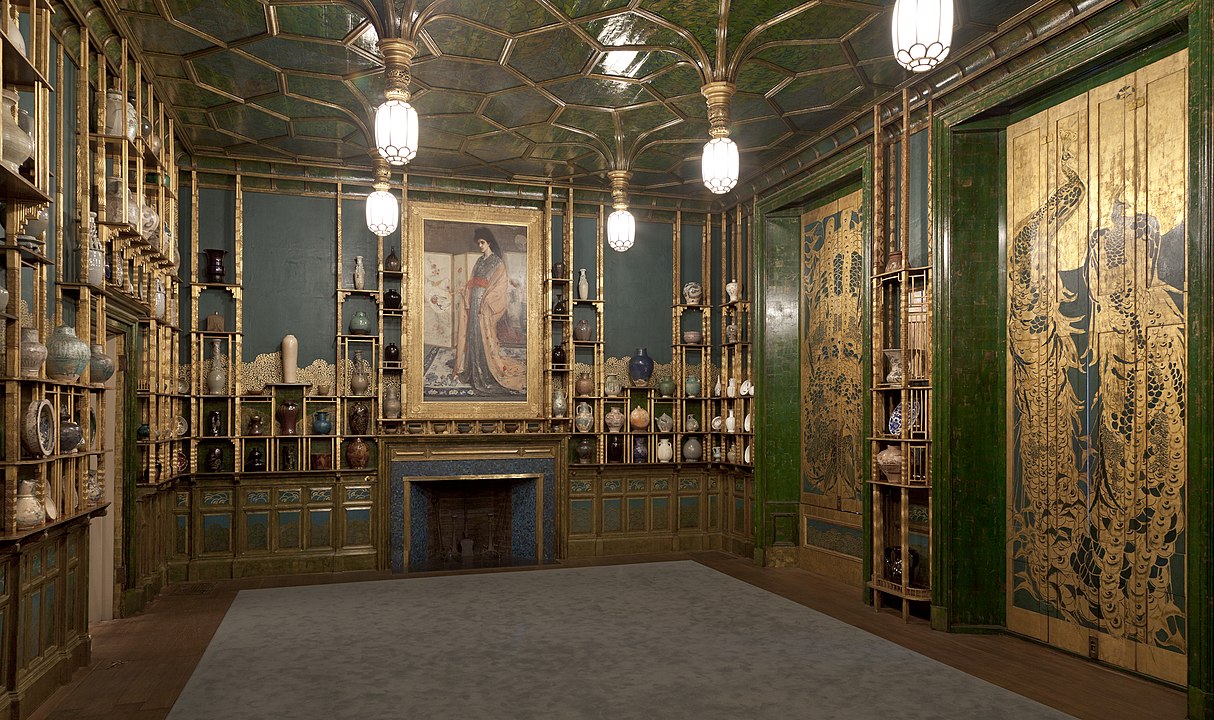
The Freer Gallery of Art is home to one of the Smithsonian’s most breathtaking hidden treasures: the Peacock Room. Originally created by artist James McNeill Whistler in a London townhouse, it was later transported and reassembled in Washington, D.C. The room is covered in intricate blue and gold peacock designs, blending European and Japanese artistic influences. Once inside, visitors feel transported into an immersive artwork where every surface tells a story. It remains a quiet gem, often missed by those who focus only on the larger museums.
The Wright Brothers’ Workshop Pieces
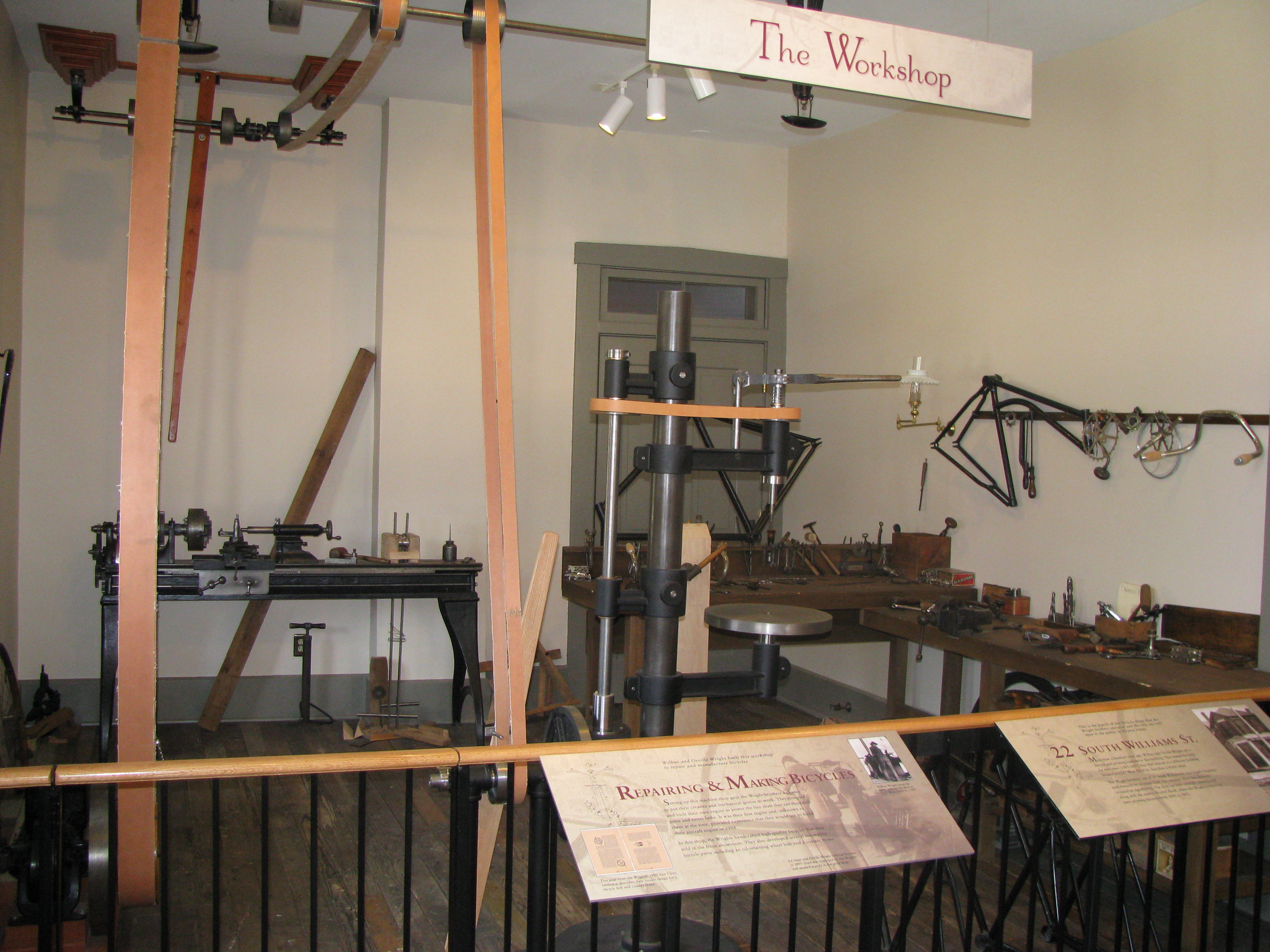
The Air and Space Museum is most famous for displaying the Wright Flyer, the first powered airplane to achieve sustained flight. But beyond the iconic aircraft lies a collection of smaller tools and models from the Wright brothers’ workshop. These pieces show the trial-and-error process that eventually led to the invention of modern aviation. Seeing their hand-built gliders, testing equipment, and workshop tools brings the brothers’ genius down to earth. It is a reminder that great achievements often grow out of simple tools, perseverance, and determination.
The Numismatic Collection
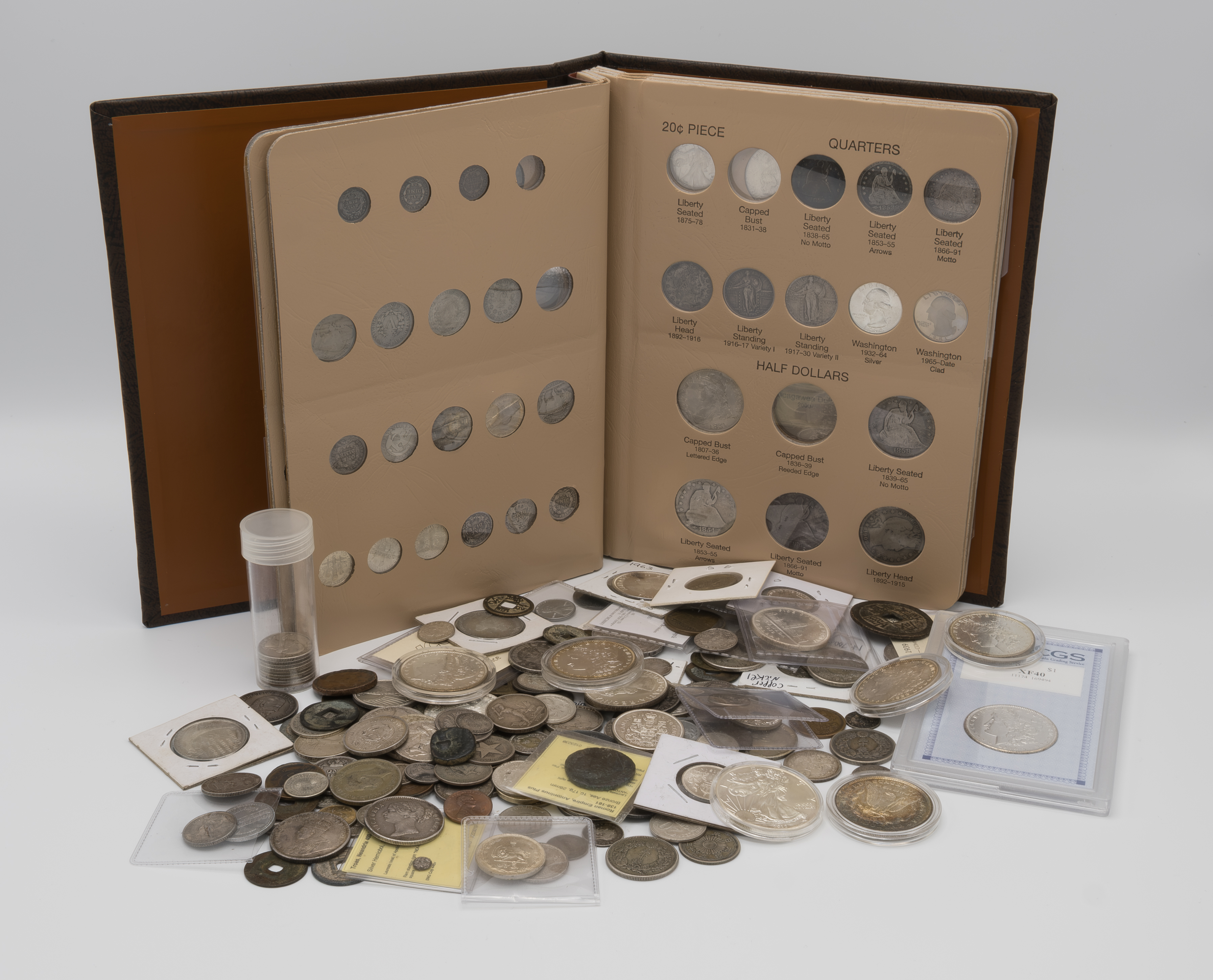
Coins and currency may not attract the same crowds as giant rockets or glittering jewels, but the Smithsonian’s Numismatic Collection is one of the largest and most fascinating in the world. Housed within the National Museum of American History, it includes rare coins, paper currency, and medals from across centuries. These objects tell stories not just of money, but of politics, culture, and design. A single coin can reflect the values of an era or commemorate a pivotal moment in history. For those who take the time to explore, the collection offers a quiet yet powerful journey through economic and cultural history.
The Insect Zoo
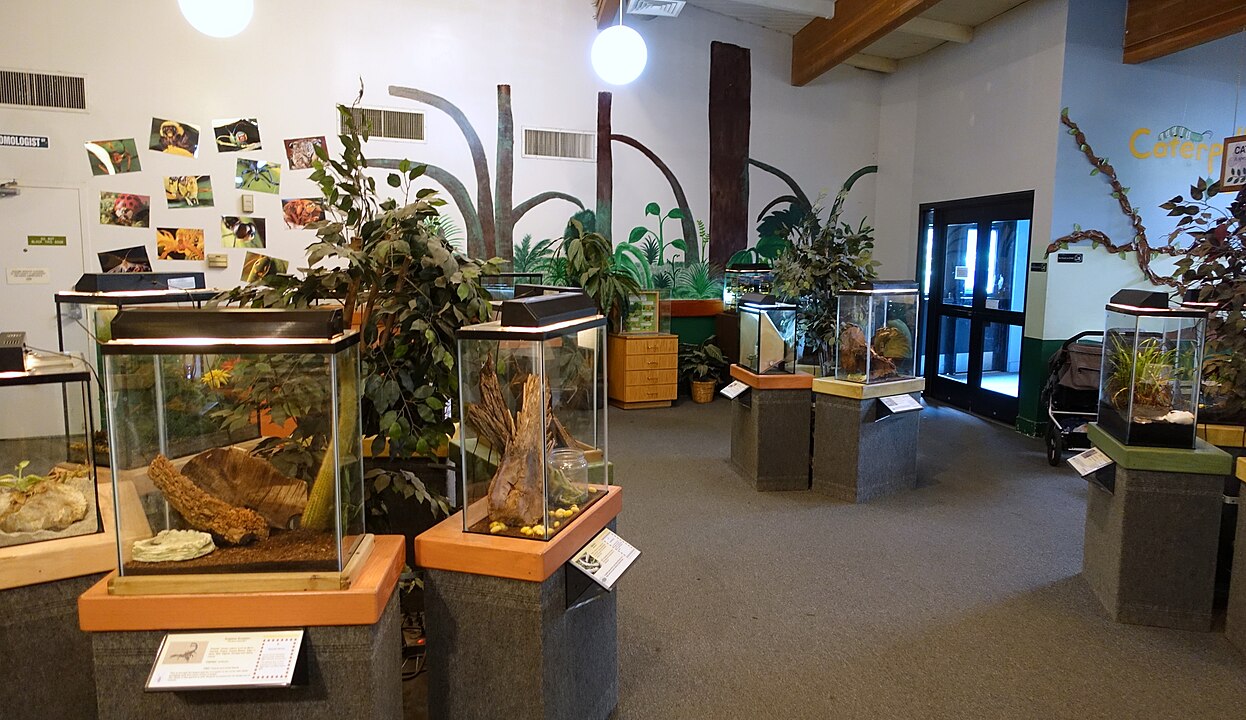
Children and curious adults alike often walk past the Insect Zoo in the National Museum of Natural History without realizing its interactive potential. This live exhibit features tarantulas, beetles, stick insects, and many other species. Educators often hold talks where they introduce visitors to the animals and even allow safe handling of certain creatures. For many children, this encounter becomes the highlight of their visit. It transforms insects from something to fear into fascinating creatures worth studying and appreciating.
The Ruby Slippers
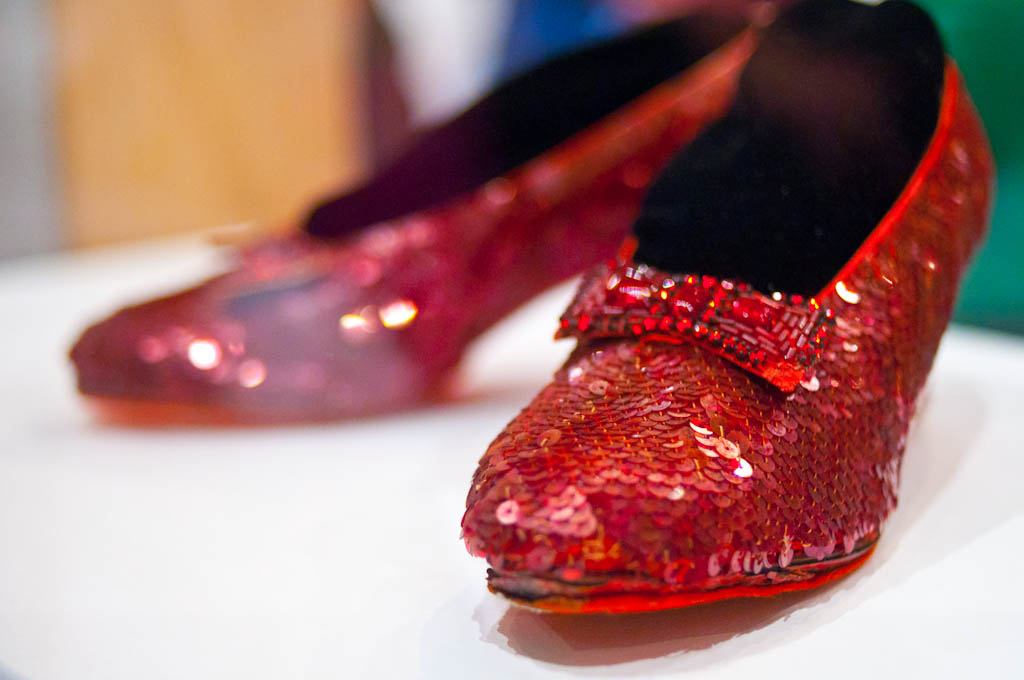
The Ruby Slippers from The Wizard of Oz are a pop culture treasure, but they are often overlooked because they are tucked into the broader film and culture exhibits at the American History Museum. These sparkling shoes, worn by Judy Garland, are instantly recognizable yet surprisingly fragile. Seeing them in person connects generations of visitors to the magic of Hollywood’s golden era. They serve as a reminder of how entertainment and culture can create lasting national symbols. For fans of cinema, this hidden display is a must-see gem.
The Enid A. Haupt Garden
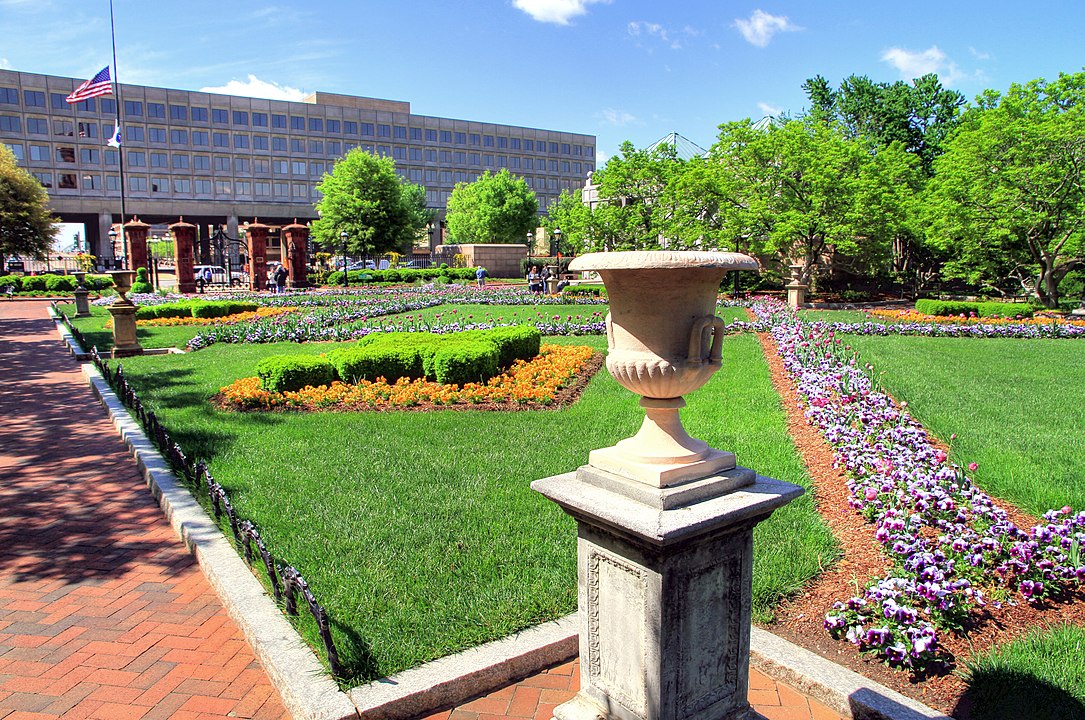
Outside the Smithsonian Castle lies the Enid A. Haupt Garden, a hidden outdoor sanctuary that many tourists miss entirely. This lush garden is designed in a formal, symmetrical style, with shaded walkways, fountains, and colorful flowers. It offers a peaceful retreat from the bustling crowds inside the museums. Visitors can sit, relax, and enjoy a slower pace while surrounded by beauty. For those who discover it, the garden becomes a refreshing reminder that the Smithsonian experience extends beyond the walls of the galleries.
The Deep Time Fossil Exhibit’s Small Wonders
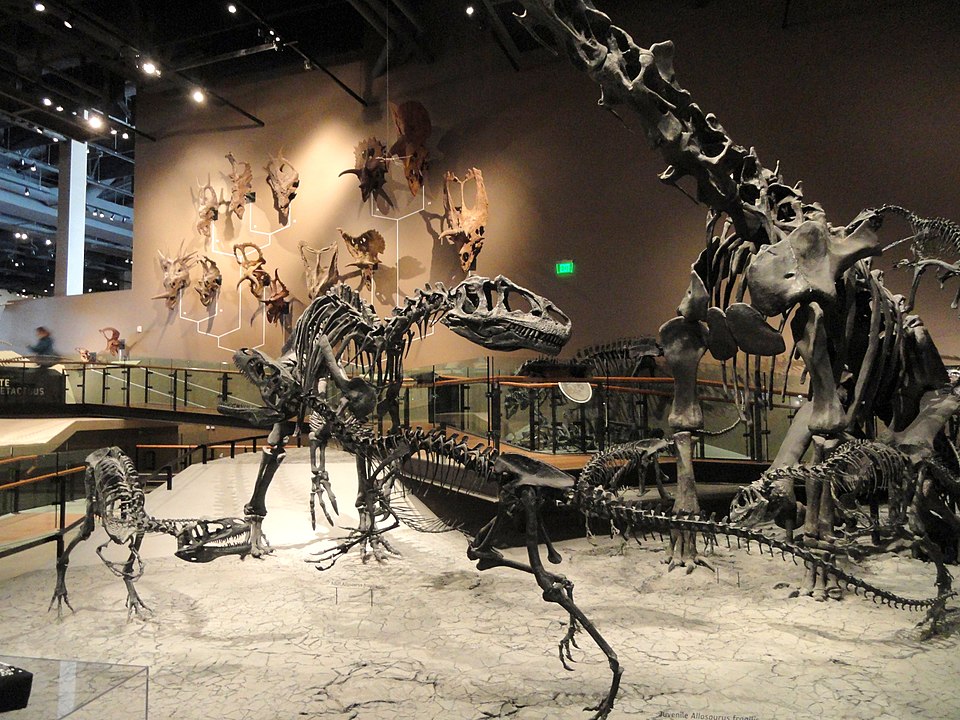
The Natural History Museum’s Deep Time exhibit is famous for its giant dinosaurs, but smaller fossil displays often go unnoticed. Tiny insects preserved in amber, delicate fossilized plants, and ancient shells tell quieter yet equally powerful stories of Earth’s history. These specimens remind visitors that life is not just shaped by massive creatures but also by the smallest forms of existence. They reveal the interconnectedness of ecosystems that spanned millions of years. Taking the time to explore these overlooked displays rewards visitors with a deeper appreciation of natural history.