Buying a home brings huge excitement—and pride—but beneath the joy, there are less-talked-about surprises that can take a toll on your wallet. These aren’t your monthly mortgage or utility bills. These are the extra, unexpected costs that sneak up on you: one-off repairs, replacements, and small everyday expenses that add up over time. Understanding them in advance helps you stay financially prepared and actually enjoy homeownership rather than feel burdened by it.
Lawn and Landscaping Maintenance
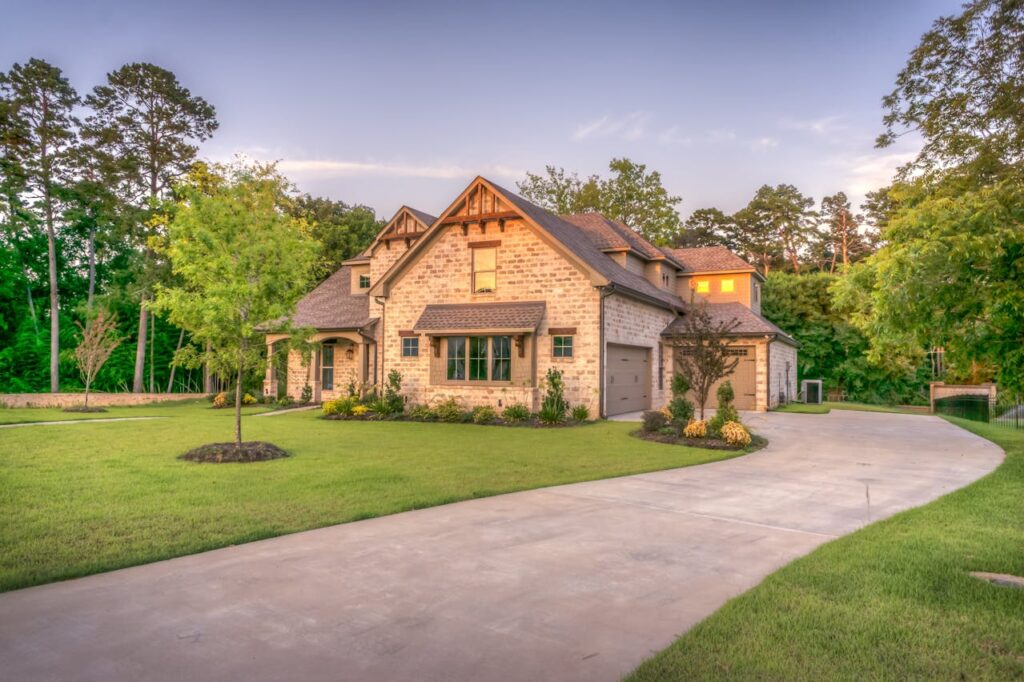
Maintaining a healthy, well-groomed lawn requires more than occasional mowing. Beyond the initial cost of lawnmowers or gardening tools, you’ll need regular supplies like fertilizer, weed killers, and seasonal mulch. Depending on your yard’s size and terrain, tree trimming, hedge shaping, pest control, and sprinkler system upkeep can all add substantial costs. Professional tree pruning alone can cost hundreds of dollars per session. Over a year, simple yard care can easily exceed several hundred dollars—and if you outsource dreamy landscaping designs, the cost skyrockets even further.
Roof Care and Repairs
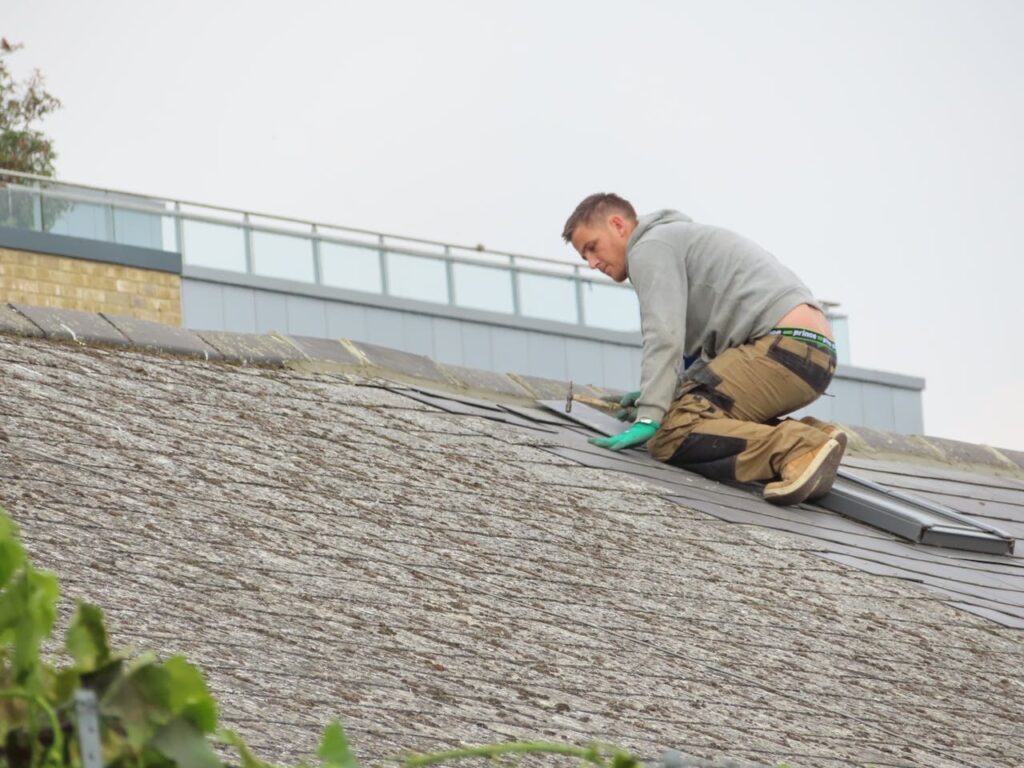
The roof is your home’s first line of defense, but it’s also expensive to maintain. Routine inspections are crucial, as minor damage—like missing shingles, cracked flashing, or clogged gutters—can develop into leaks. Neglect can lead to mold, rot, and interior damage. Even small repairs can cost hundreds. If an inspection reveals major issues like structural damage, a full replacement might be needed, costing thousands to tens-of-thousands depending on roof size and materials. While roof replacement happens decades apart, the stress—and expense—can come at any moment.
HVAC Upkeep and Replacement
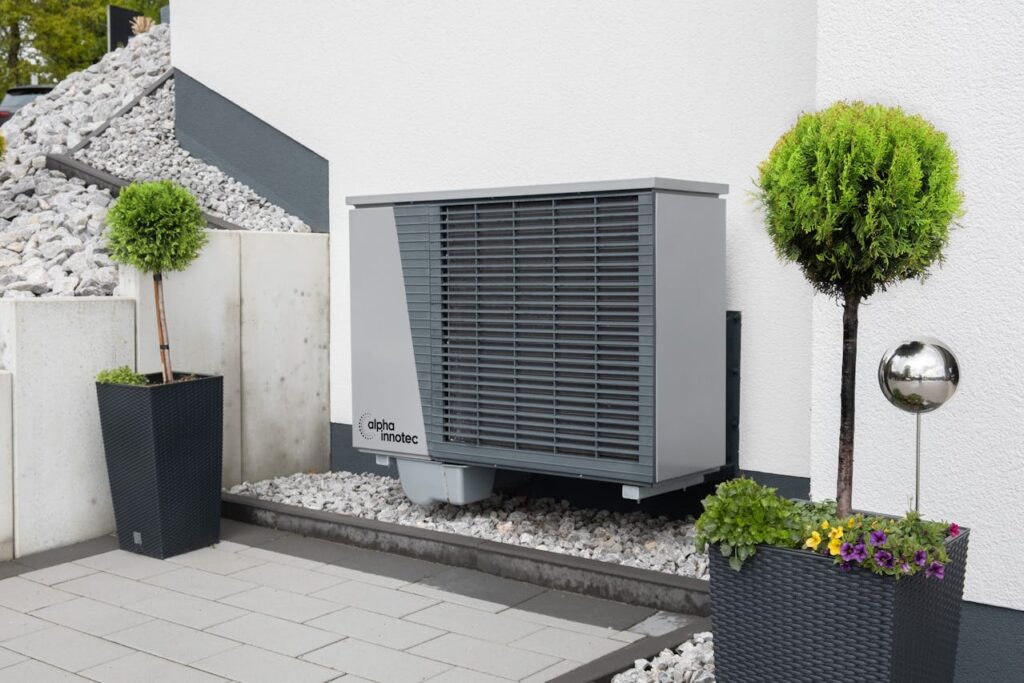
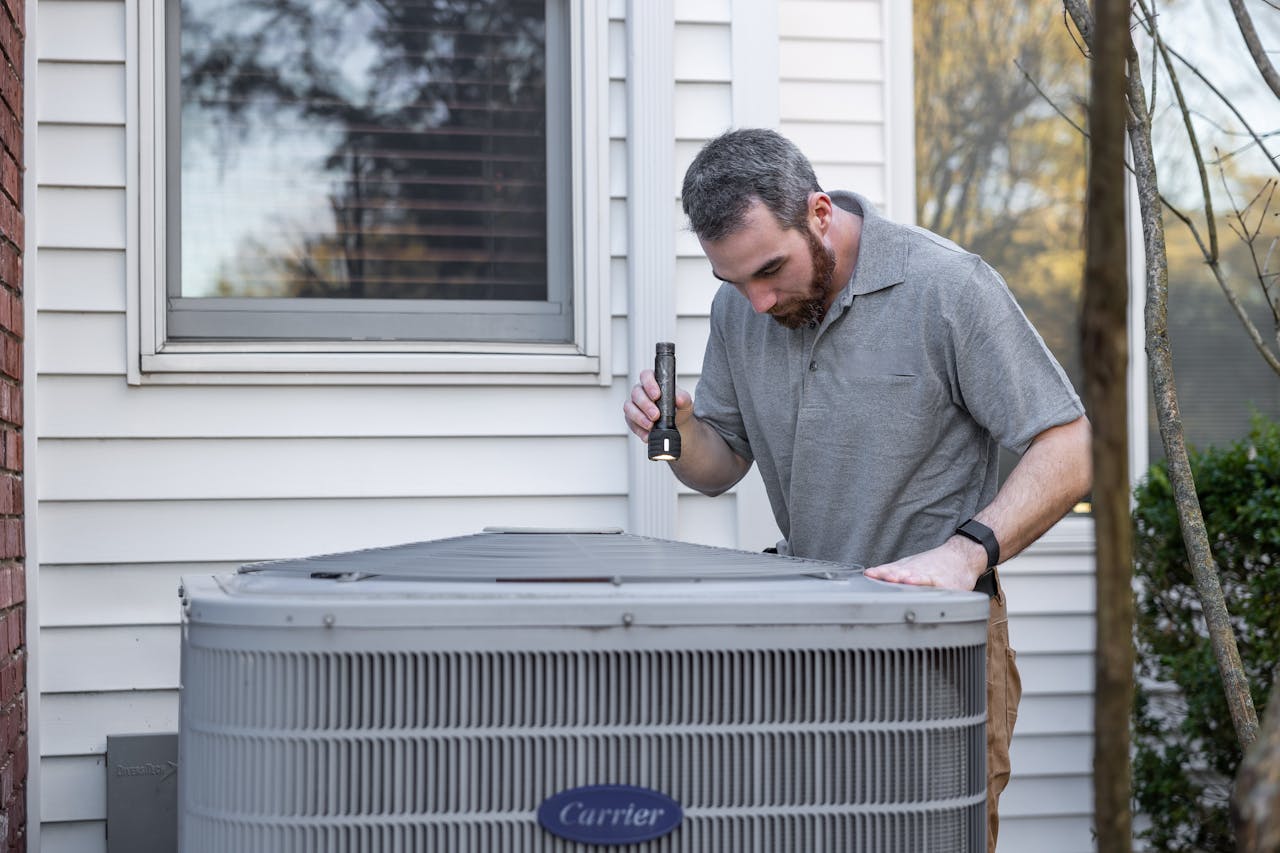
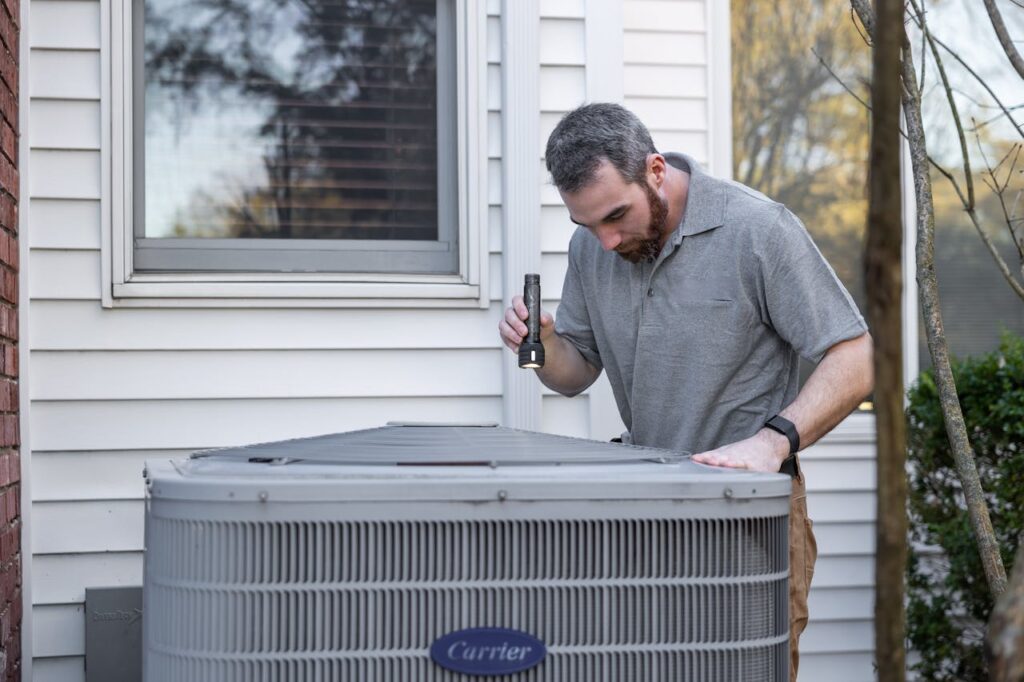
Heating, ventilation, and air conditioning (HVAC) systems require regular maintenance—like filter changes, coil cleaning, and occasional servicing—to stay efficient and prolong lifespan. Annual servicing may cost a couple hundred dollars, but replacement once your unit is older can be a shock: furnaces, air handlers, and AC units typically cost $3,000–$7,000 in total. Plus, rising energy prices make inefficient systems more costly to run. If you’re in an extreme climate, breakdown risks increase, making early replacements a near certainty rather than a “someday” worry.
Plumbing and Water Heater Fixes

Your plumbing system is critical, yet prone to unseen wear: hidden leaks, corroded pipes, failing valves, or sewer backups can creep up. Water heaters eventually fail too—tank replacements cost $500–$1,500 installed, and tankless systems even more. Older homes with galvanized pipes may require full repiping, ranging from $3,000 upward. And a small leak can flood basements or cause mold, compounding repair costs. Rusty water, low pressure, or foul odors often mean plumbing issues are brewing, making periodic checks and timely repairs essential.
Pest Control and Termite Protection

Homes—especially those with wood features—attract pests like termites, ants, rodents, and more. Even if your house passes inspection initially, ongoing protection is crucial. Termite prevention and regular inspections typically cost a few hundred dollars per visit. If termites are found, termite treatment or structural repair can cost thousands due to extensive damage they’re capable of. Rodent infestations may require traps, poison, or structural fixes to entry points, adding to costs. These essential measures protect your investment before small signs become big problems.
Homeowners Insurance and Premium Surprises
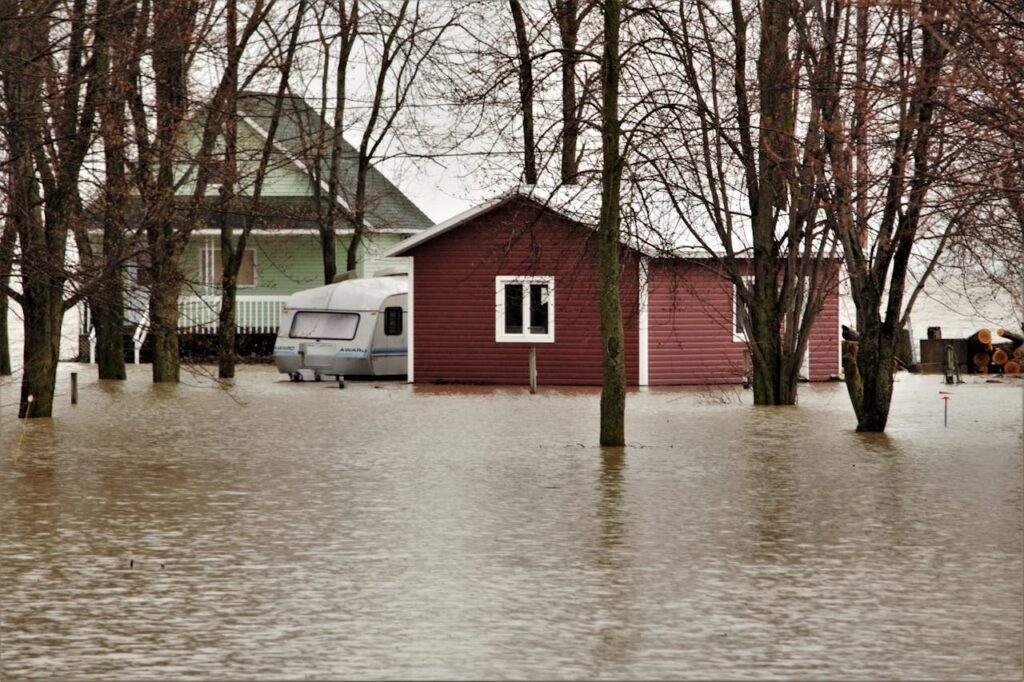
Homeowners insurance covers many hazards—but not flood, earthquake, or wind-damage policies required in certain areas. Premiums in disaster-prone regions (like coastal zones or tornado alleys) have surged—some as much as 20–50% in recent years. Policies often raise rates after damage or renewal. And if you make upgrades—add a pool, new roof, or renovations—premiums increase accordingly. Without factoring in these variable costs, budgeting only the base insurance policy leaves you exposed to significant extra premiums or coverage gaps.
Property Taxes and Municipal Levies
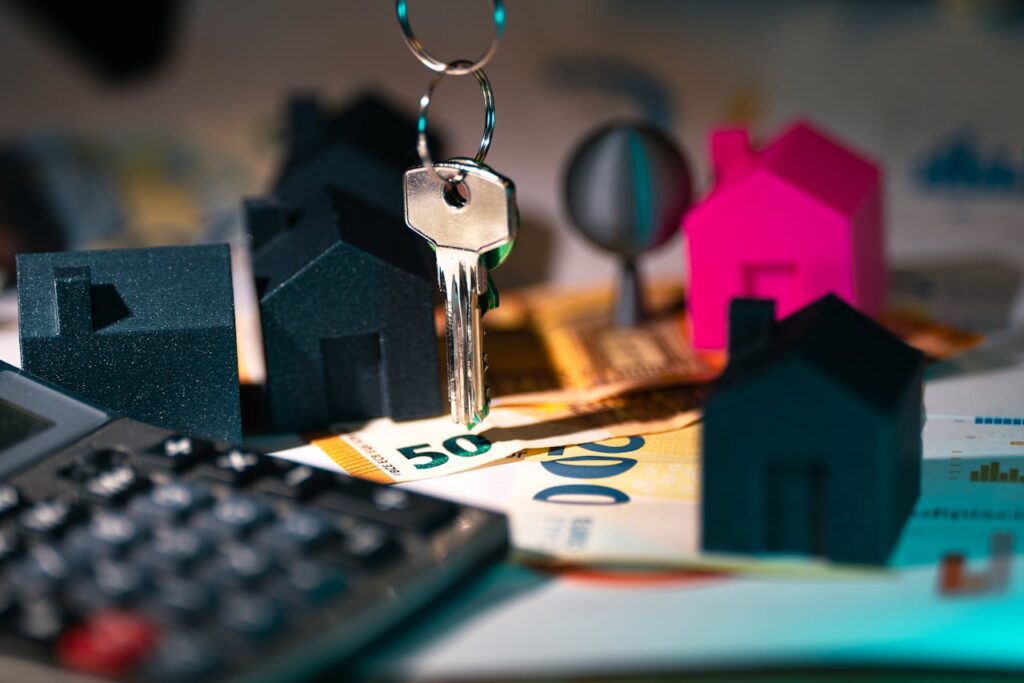
Property taxes are an unavoidable part of homeownership, but the bit that catches homeowners off-guard is how often and how fast they increase. Municipalities reassess home values regularly, and hikes ratchet up your annual tax bill. Costs can be wide-ranging depending on location—some homeowners pay thousands annually. Additionally, local bond measures for school districts, parks, or infrastructure can trigger sudden large assessments. Being financially prepared requires monitoring local ballot measures and tax levy plans to understand the full tax picture.
Utilities and Hidden Bills

Utility bills often surprise homeowners who’ve previously rented or lived in apartments. Electricity, gas, water/sewer, internet, garbage, and even stormwater or septic system fees are all part of the mix. Your utility usage scales directly with home size, yard size, and systems like pools or spas. In colder or hotter climates, heating and cooling costs can spike dramatically seasonally. According to Bankrate, energy services have risen over 4% recently—and that’s before adding extras like electric vehicle chargers or high-speed internet for remote work.
Appliances, Furniture, & Light Fixtures

Moving into a new home often means replacing appliances and furnishings that don’t come with the purchase. A new fridge, stove, washer, or dryer each easily run $1,000+ new. Even upgrading décor, window treatments, or light fixtures adds up quickly—rugs, curtains, chandeliers or fans aren’t free. Homeowners often underestimate these costs: furniture for a 3‑bedroom house can easily reach $10,000+. Planning for these upgrades ahead ensures you don’t feel squeezed financially after moving in.
Emergency Repairs and Contingency Fund

Despite careful budgeting, emergencies happen. Burst pipes in winter, septic failures, electrical fires, garage door spring breaks, pool leaks, and natural disasters can strike without warning. Many homeowners face repair bills far beyond expected annual budgets—some even reconsidering homeownership. Experts recommend keeping 1–4% of your home’s value aside yearly for maintenance and emergencies. That might mean budgeting $4,000 a year just to feel safe from financial surprises.
Owning a home is a wonderful and fulfilling experience—but often more expensive than you’d expect. By being aware of these hidden costs upfront, budgeting realistically, and building a strong contingency fund, you’ll be ahead of the curve, worry less about surprises, and more about enjoying your home.