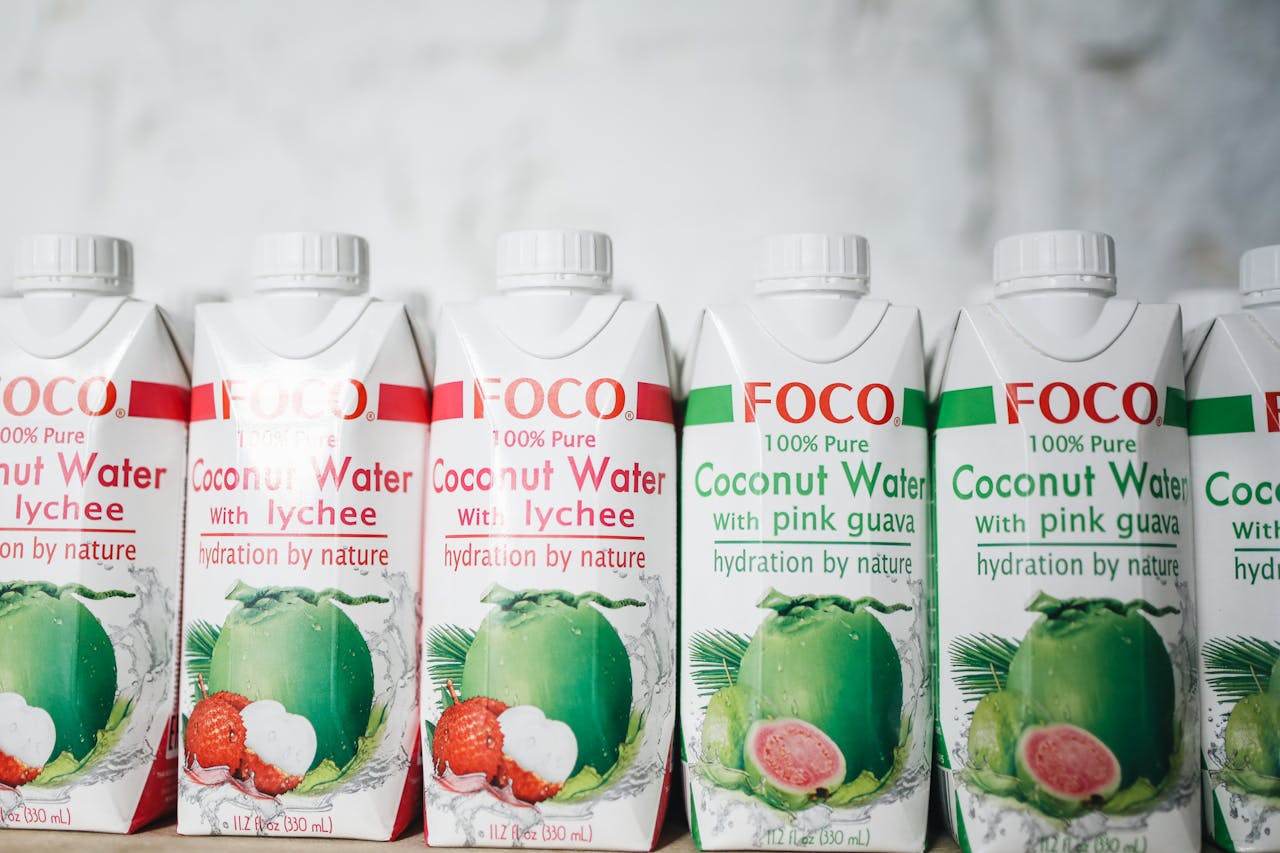
Shoppers across the United States are feeling the pinch at the grocery store, where everyday items once considered affordable staples now cost significantly more. Two major forces, tariffs on imports and the increasing strain of climate change, are driving these price hikes. Together, they’re reshaping how Americans spend on food and forcing families to rethink how they stock their kitchens.
Coffee

Coffee has become noticeably more expensive as climate challenges impact harvests in major producing countries. Rising temperatures and unpredictable rainfall have reduced yields, while tariffs on imported goods compound the costs. Because coffee is heavily reliant on international supply chains, it is one of the most vulnerable staples to these pressures. The result is that even budget coffee brands have crept up in price.
Ground Beef

Ground beef has climbed in cost due to increased feed prices, which are affected by both climate-related crop issues and global trade policies. Tariffs on feed ingredients and packaging also ripple into the final cost. As a staple in many households, this increase is hitting family budgets hard. The higher prices show how interconnected global agriculture truly is.
Eggs

Eggs, once one of the cheapest protein sources, have seen price hikes driven by both avian flu outbreaks and climate-related feed challenges. While prices fluctuate, they remain consistently higher than in past years. Tariffs on grain imports used in feed contribute further to the problem. For many households, eggs have shifted from a bargain to a moderate expense.
Fresh Produce

Imported fruits and vegetables like bananas, avocados, and berries have been hit by tariffs as well as climate-related crop losses. Extreme weather events reduce yields, making these items scarcer and more expensive. Because these foods are perishable, supply chain delays worsen the situation. Consumers are increasingly turning to local and seasonal produce as an alternative.
Canned Goods

Canned goods have long been a symbol of affordability, but tariffs on steel and aluminum have driven up packaging costs. Even simple items like canned beans or vegetables have edged upward in price. For many families, this increase affects bulk buying strategies. Cans remain shelf-stable essentials, but no longer at the rock-bottom prices people expect.
Sugar and Sweeteners

Climate change has directly affected sugarcane and sugar beet harvests around the world. Tariffs add further costs to imported sugar, and alternative sweeteners are not immune either. Because sugar is used in so many processed foods, its rising cost shows up indirectly across entire grocery aisles. Even products that are not sweet by nature are affected.
Dairy and Cheese

Dairy prices have been on a steady climb due to rising feed, energy, and packaging costs. Tariffs on imported ingredients and materials add another layer of pressure. Cheese, yogurt, and milk are particularly sensitive to these shifts since they are staples across all demographics. Families who once bought in bulk are now scaling back.
Cooking Oils

Vegetable oils like canola and sunflower oil have seen steep increases due to both tariffs and crop failures in producing countries. Many households rely on these oils daily for cooking, making the price hikes impossible to ignore. Supply chain disruptions add volatility, causing prices to jump suddenly at the store. What was once a cheap kitchen essential is now a budget consideration.
Poultry

Chicken and turkey are no longer immune from rising costs. Feed prices, climate-related energy use, and packaging tariffs all filter down to poultry. Outbreaks of disease in large flocks further reduce supply, pushing prices higher. For many families, poultry had replaced red meat as the affordable protein, but that gap is narrowing.
Packaged Snacks and Drinks
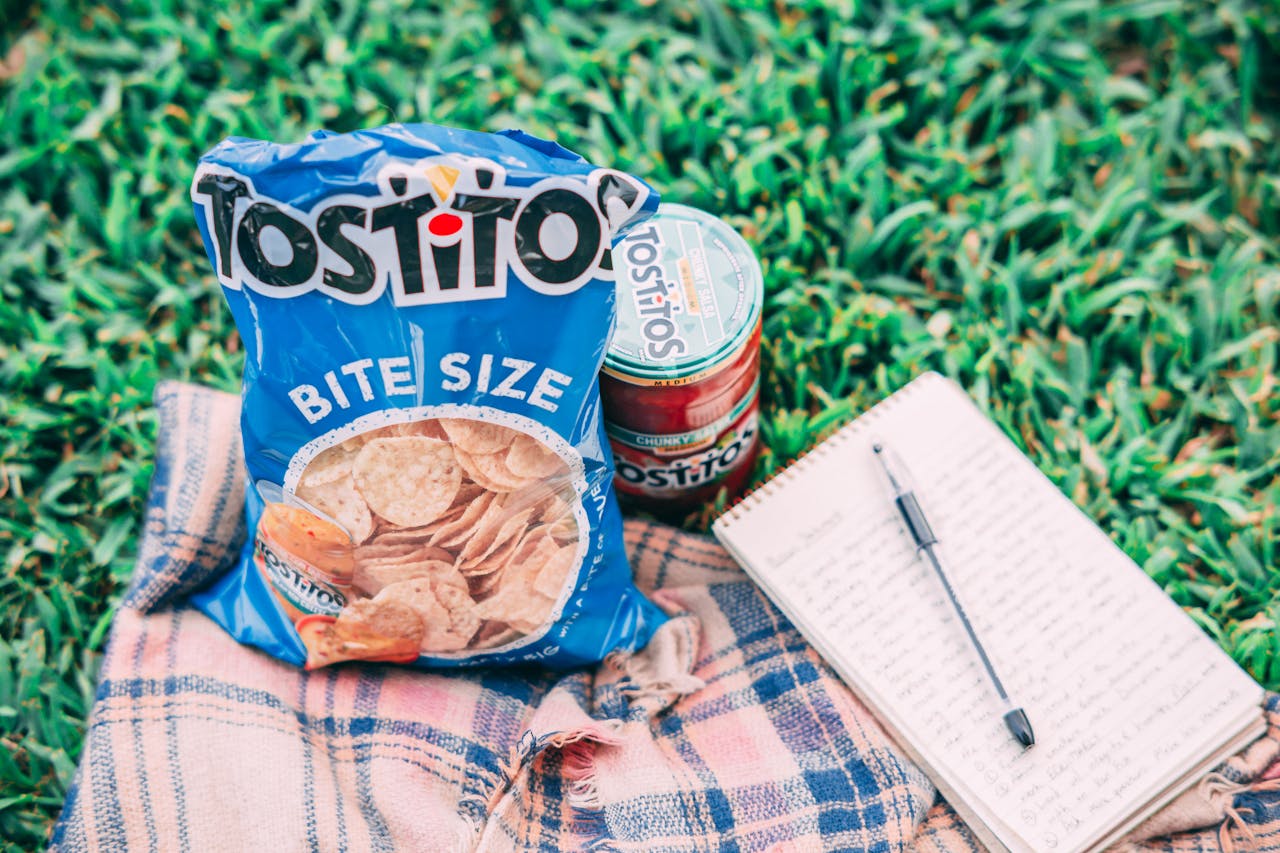
From chips to soda, packaged snacks and beverages face layered cost increases. Packaging tariffs, shipping disruptions, and ingredient shortages combine to push prices upward. These items, while not always essential, are staples in many households. As a result, shoppers are noticing smaller packages at higher prices.