Learning about American Civil Rights history is essential for children, as it helps them understand the struggles and triumphs that shaped the freedoms we know today. Parents often wonder how to introduce such a profound topic to young learners without overwhelming them. The key is to balance honesty with age-appropriate activities, making history engaging and meaningful through stories, visits, and interactive learning. With the right approach, kids can connect to this history not just as a distant past, but as an ongoing story of equality and justice.
Visit the National Civil Rights Museum in Memphis
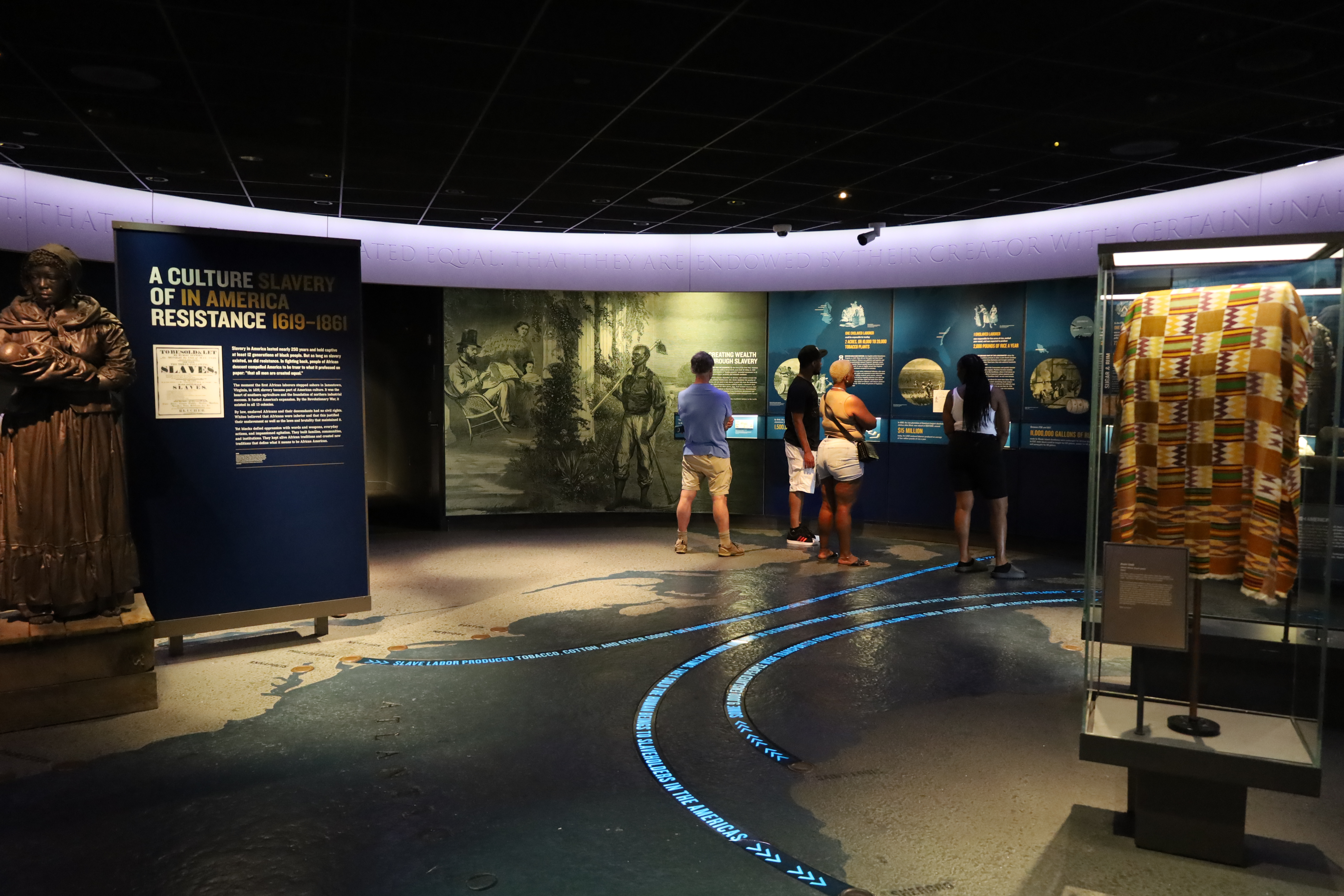
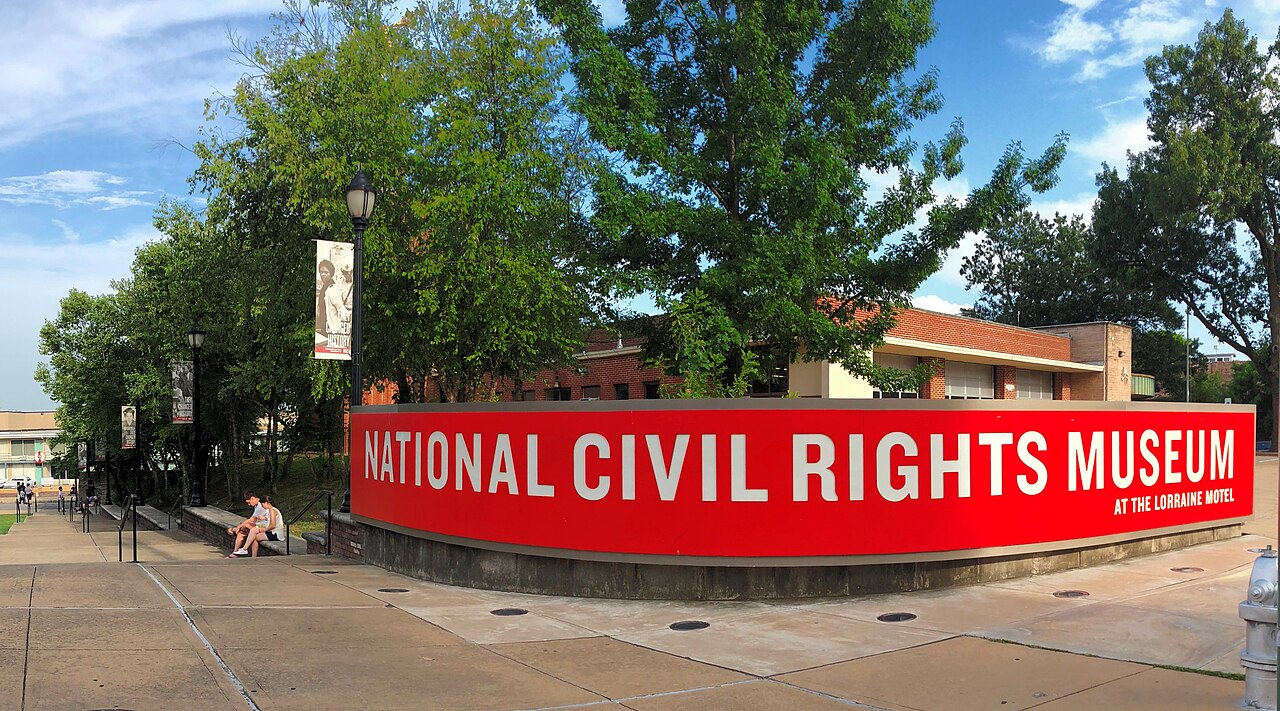
The National Civil Rights Museum in Memphis offers families a unique way to explore history through exhibits that encourage hands-on learning. Children can walk through galleries that bring the Civil Rights Movement to life with artifacts, videos, and powerful storytelling. By exploring these exhibits together, families can spark conversations about fairness, bravery, and the importance of standing up for what is right. For many kids, seeing history up close helps it feel real and memorable in ways textbooks cannot achieve.
Walk the Edmund Pettus Bridge in Selma, Alabama
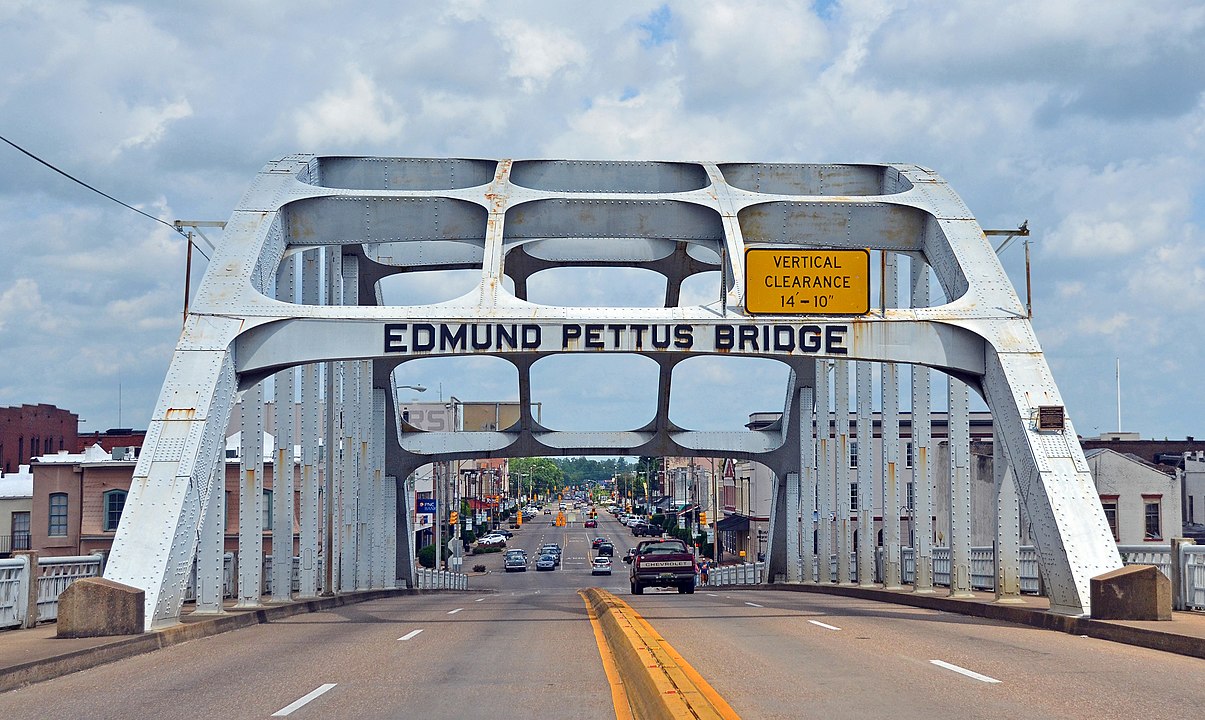
Crossing the Edmund Pettus Bridge allows children to step into a pivotal moment of history where peaceful marchers faced violence during the struggle for voting rights. Walking the bridge as a family provides a visual and emotional way to talk about courage and determination in the face of injustice. Parents can explain the events of “Bloody Sunday” in a way that connects to children’s understanding of fairness and standing up for others. Such experiences encourage kids to reflect on how individual actions can create lasting change in society.
Use Multimedia Stories for Engagement

Multimedia resources such as age-appropriate books, videos, and apps make learning about civil rights both fun and accessible. For younger children, picture books with illustrations can highlight key figures like Rosa Parks or Martin Luther King Jr. For older kids, interactive apps or documentaries provide deeper understanding with visuals and storytelling. Using multiple forms of media helps children connect emotionally while learning at their own pace, ensuring that complex topics remain engaging.
Share Family-Oriented Documentaries and Films
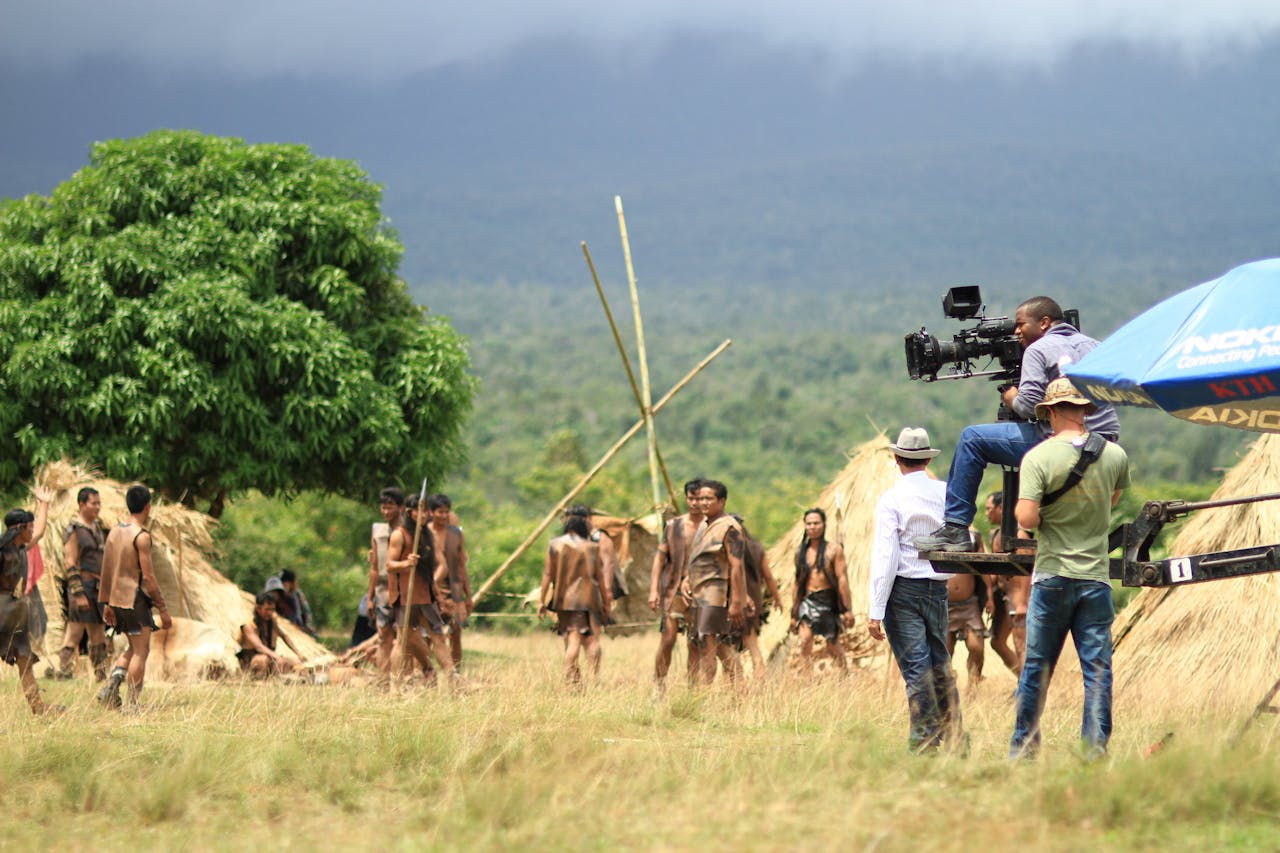
Watching films together can be an excellent way to introduce children to civil rights history in a family-friendly environment. Documentaries designed for younger audiences explain events in clear, relatable terms, while films based on true stories provide powerful role models. Parents can pause during viewing to answer questions and discuss themes of equality and justice. This shared experience makes history feel personal, encouraging children to think critically and ask meaningful questions.
Explore Local History and Monuments
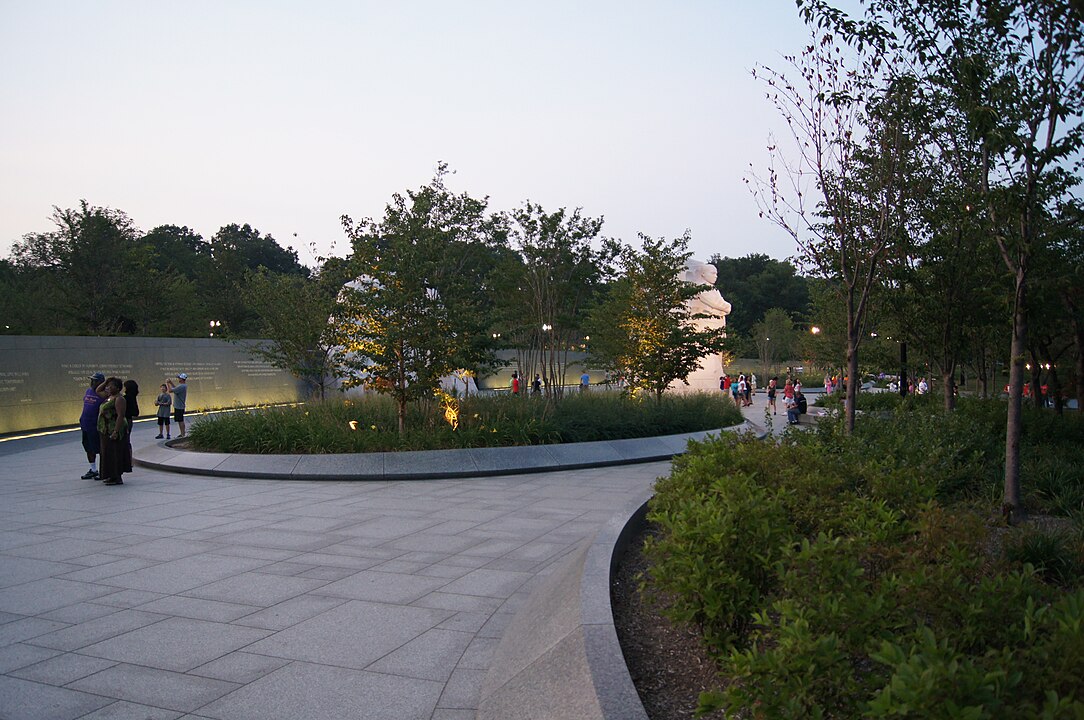
While famous sites are impactful, families can also explore local landmarks and museums connected to civil rights. Many cities have statues, memorials, or community centers that commemorate local leaders and events. Visiting these places shows children that the Civil Rights Movement was not just a national story but also one rooted in local communities. These visits help kids understand that history is not far away, it lives in the neighborhoods and streets around them.
Encourage Storytelling and Oral Histories

Children often connect best when history is told as a story rather than a list of facts. Parents can share stories of civil rights heroes in simple, narrative forms that highlight courage, perseverance, and kindness. Families can also talk with older relatives or community members who lived through the era, offering personal insights and real-life connections. These oral histories create a bridge between generations, making the past feel alive and relevant.
Create Arts and Crafts Projects Inspired by History
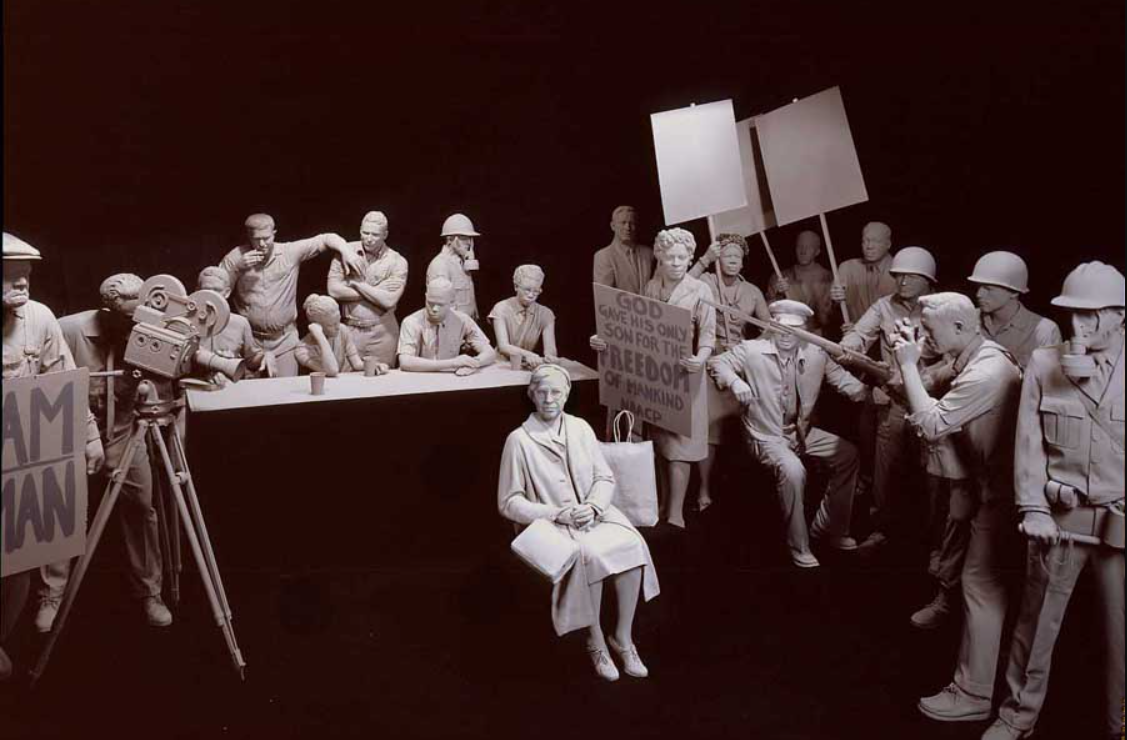
Art projects are an excellent way for children to process and reflect on what they’ve learned. Kids can draw portraits of civil rights leaders, make posters with quotes about equality, or create timelines of events using colorful visuals. Through creative expression, children begin to internalize lessons in a fun and hands-on way. This method helps younger learners especially, as it transforms abstract concepts into something they can see and touch.
Connect Civil Rights Lessons to Today’s World
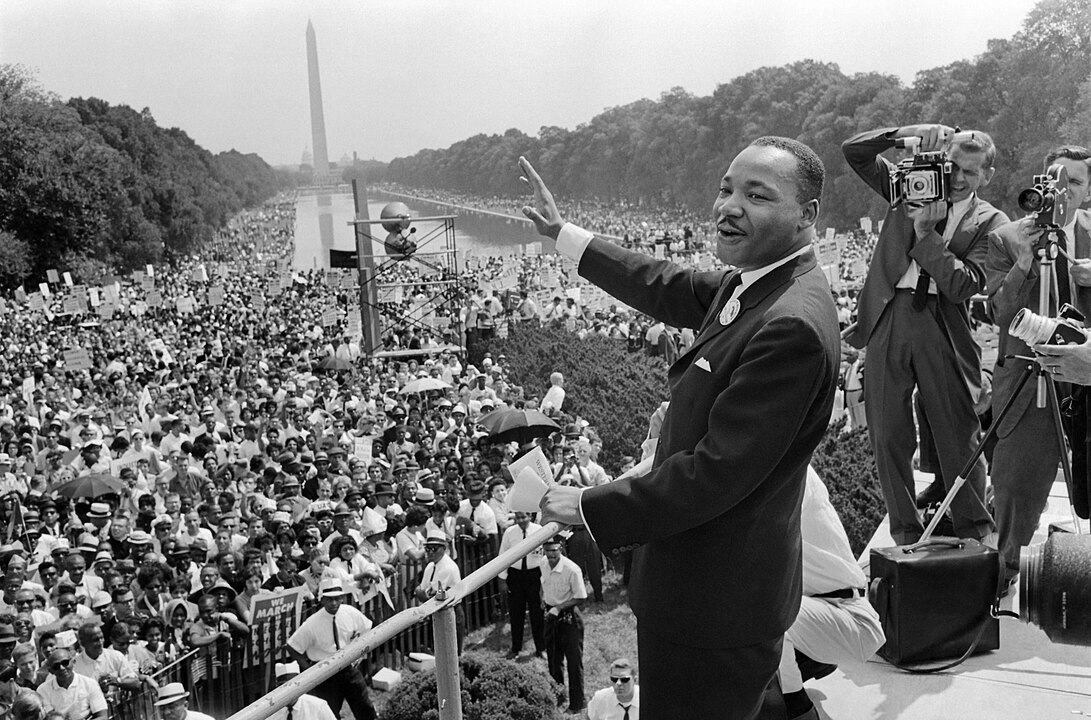
Children benefit from understanding that civil rights is not just about the past but also about values we uphold today. Parents can draw parallels between historic struggles for justice and current conversations about fairness, inclusion, and kindness. Talking about how kids can practice equality in their schools and communities helps bring the lessons into daily life. When children see the relevance of civil rights history today, they are more likely to grow into empathetic and engaged citizens.
Visit Libraries and Participate in Civil Rights Programs
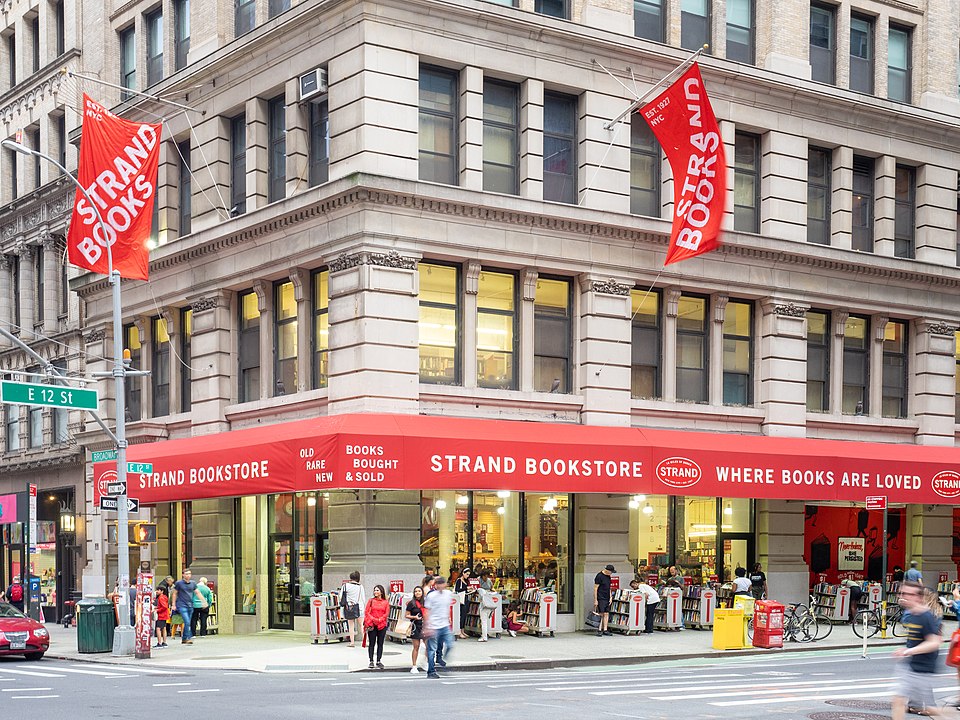
Many libraries and community centers host events, readings, or exhibits dedicated to civil rights history. Attending these programs exposes children to expert storytellers, educators, and interactive learning opportunities. Families can borrow books and resources tailored for kids at different reading levels, ensuring the topic is approachable. Participating in these programs shows children that learning about justice and equality is valued in their community.
Celebrate Civil Rights Leaders on Important Dates
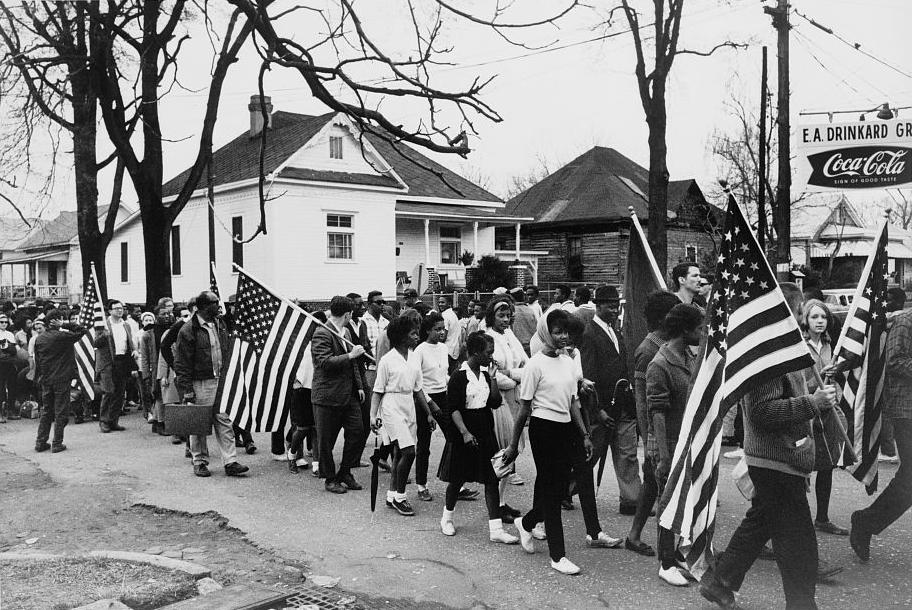
Honoring important days like Martin Luther King Jr. Day provides children with a structured way to reflect on civil rights history. Families can attend parades, community service projects, or educational events that celebrate the legacy of leaders. These traditions reinforce the idea that civil rights lessons are not just historical but part of ongoing cultural values. Such annual observances also provide natural opportunities to revisit and deepen children’s understanding as they grow older.