America’s landscape is dotted with iconic landmarks like the Statue of Liberty and Mount Rushmore, but countless others have faded from public memory. These forgotten sites once shaped local and national history, standing as symbols of innovation, tragedy, or triumph. Each carries a story that deserves to be remembered, a hidden chapter of America’s cultural past waiting to be rediscovered.
Cahokia Mounds, Illinois
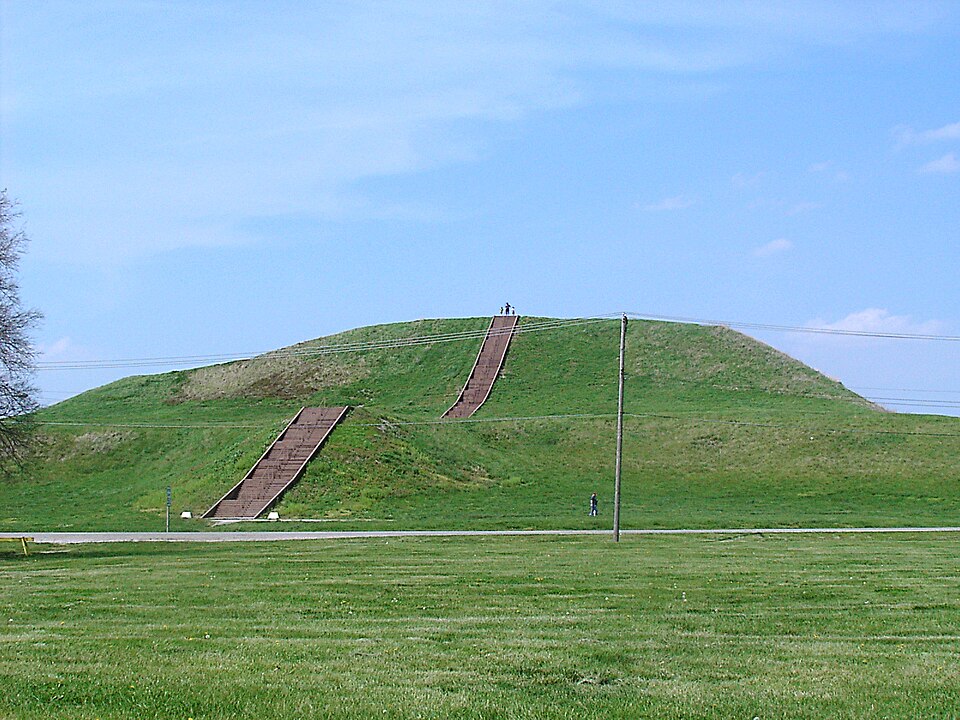
Centuries before European settlers arrived, the ancient city of Cahokia thrived near modern-day St. Louis. It was once home to tens of thousands of people, complete with plazas, temples, and a complex society. The massive earthen mounds built by Native Americans still stand today, though few visitors realize they mark what was once North America’s largest pre-Columbian city.
Centralia, Pennsylvania
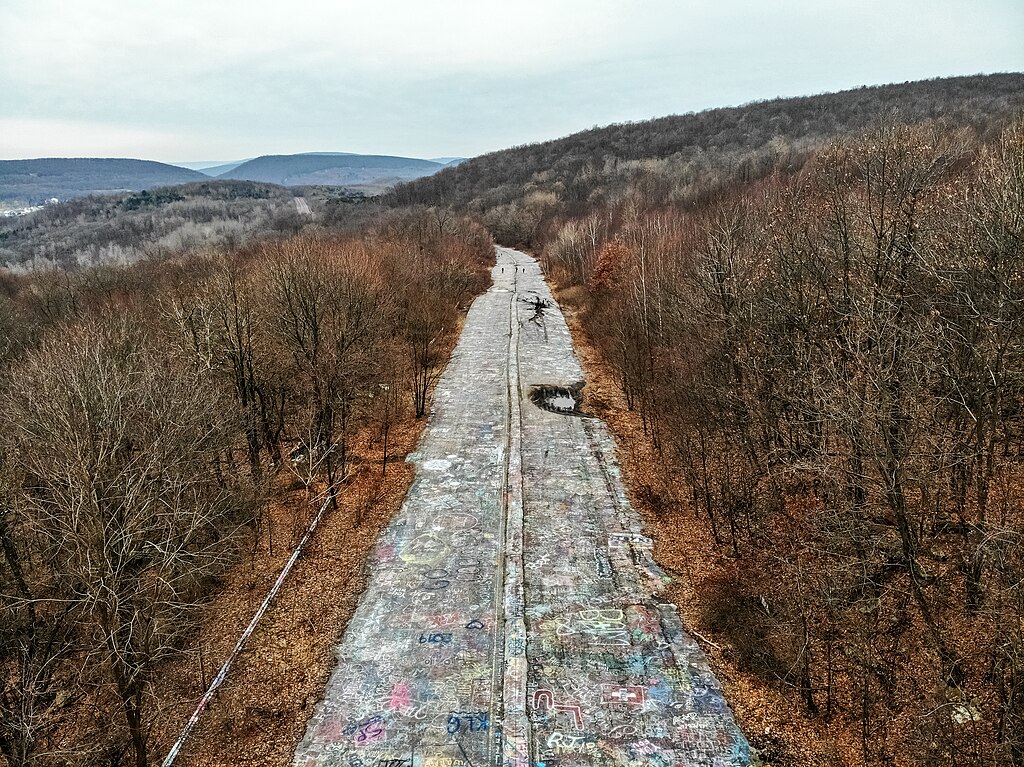
Centralia was a quiet mining town until a coal fire ignited underground in 1962 and continues to burn today. The once-bustling community became a ghost town as homes were abandoned and roads cracked from heat. Its eerie, smoky ruins inspired fiction and film alike. Centralia’s story remains a haunting reminder of how human industry can go catastrophically wrong.
Fort Jefferson, Florida
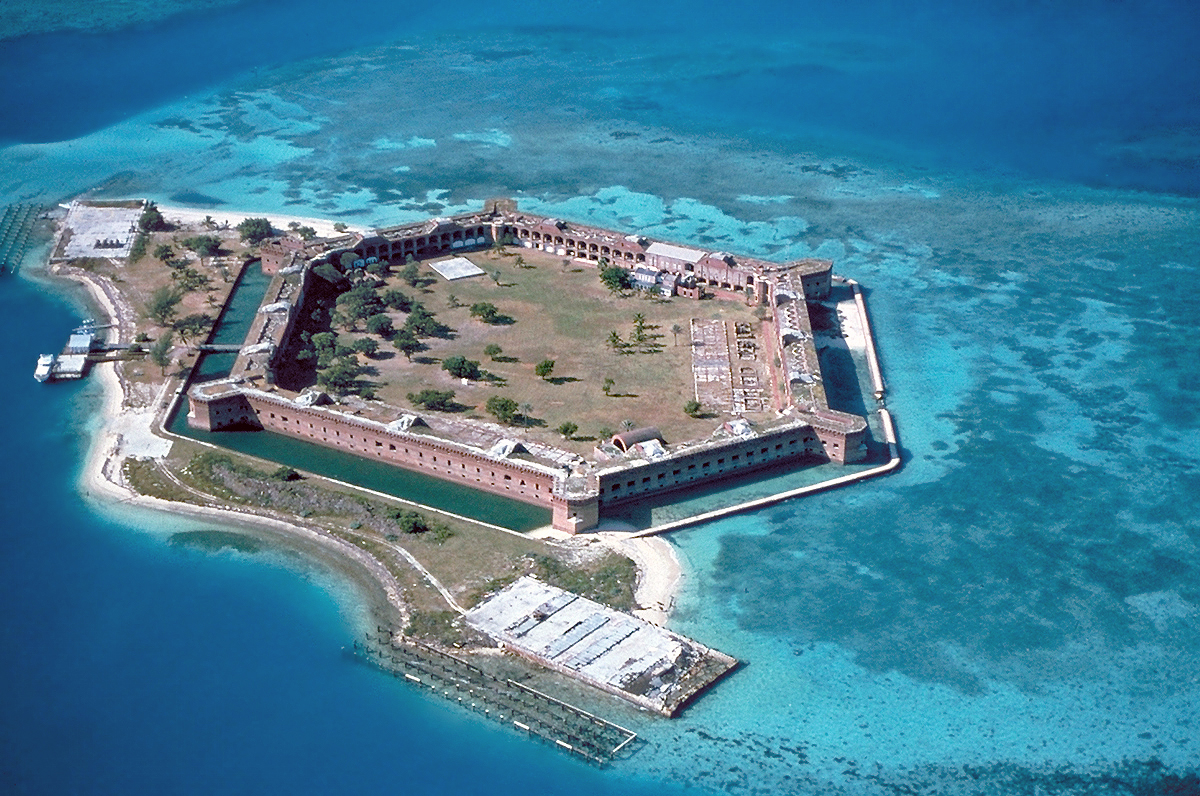
Located deep in the Gulf of Mexico, Fort Jefferson was built in the 1800s as a massive coastal fortress. Despite its size, it never saw battle. The fort later became a prison, even housing Dr. Samuel Mudd, who treated John Wilkes Booth after Lincoln’s assassination. Today it sits largely forgotten within Dry Tortugas National Park, a remote and fascinating relic of U.S. military history.
Serpent Mound, Ohio
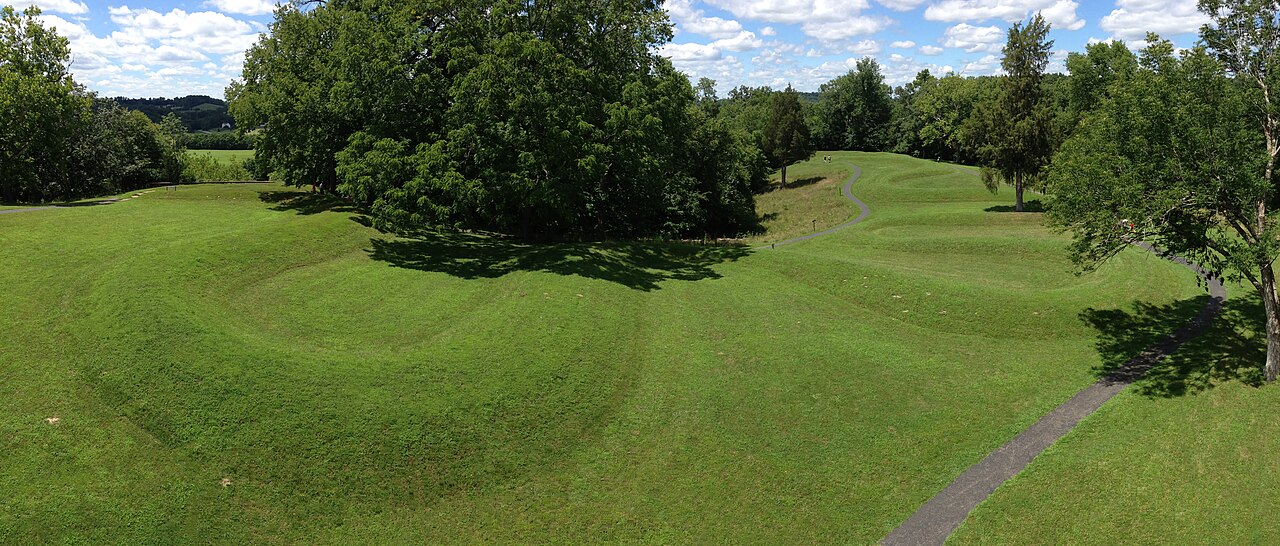
Stretching over 1,300 feet, the Serpent Mound is a mysterious prehistoric earthwork shaped like a coiled snake. Archaeologists debate its exact purpose—some believe it represents an ancient calendar or spiritual symbol. Though it predates most American landmarks, it remains overlooked. Its intricate design reflects advanced astronomical understanding long before modern civilization.
The Salton Sea, California
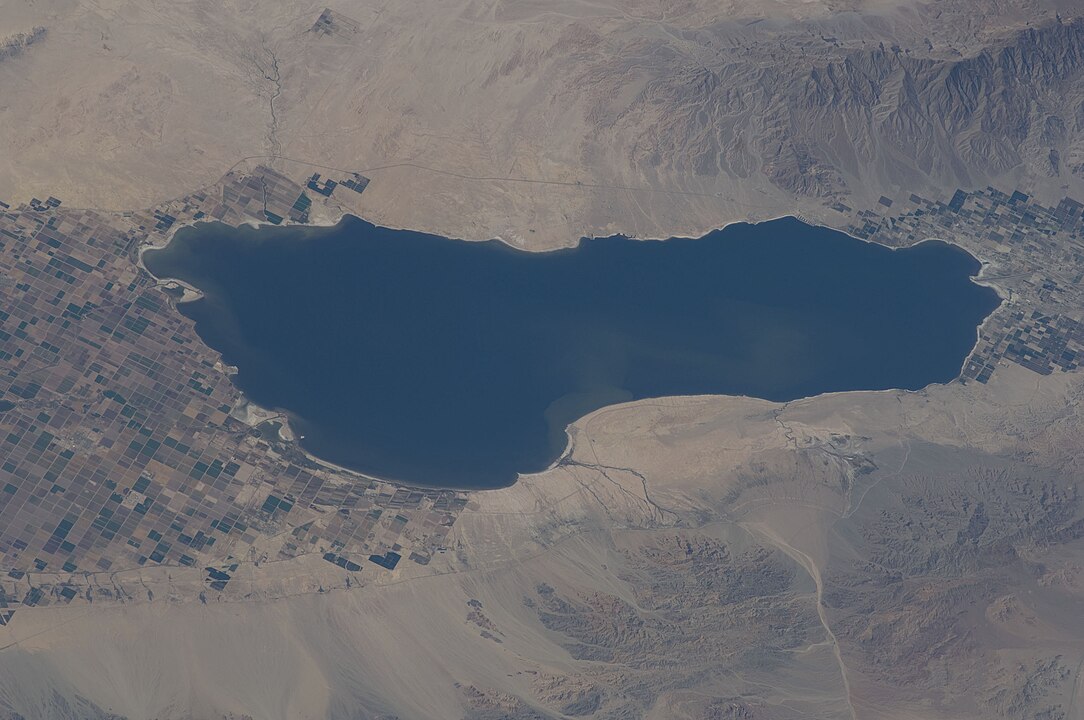
Once promoted as a glamorous resort destination, the Salton Sea is now an environmental tragedy. Created accidentally by a flood in 1905, it became a desert lake surrounded by vacation homes. Pollution and drought turned it toxic, leaving abandoned towns and a haunting shoreline. The area stands as a stark warning of nature’s fragility.
Bodie, California
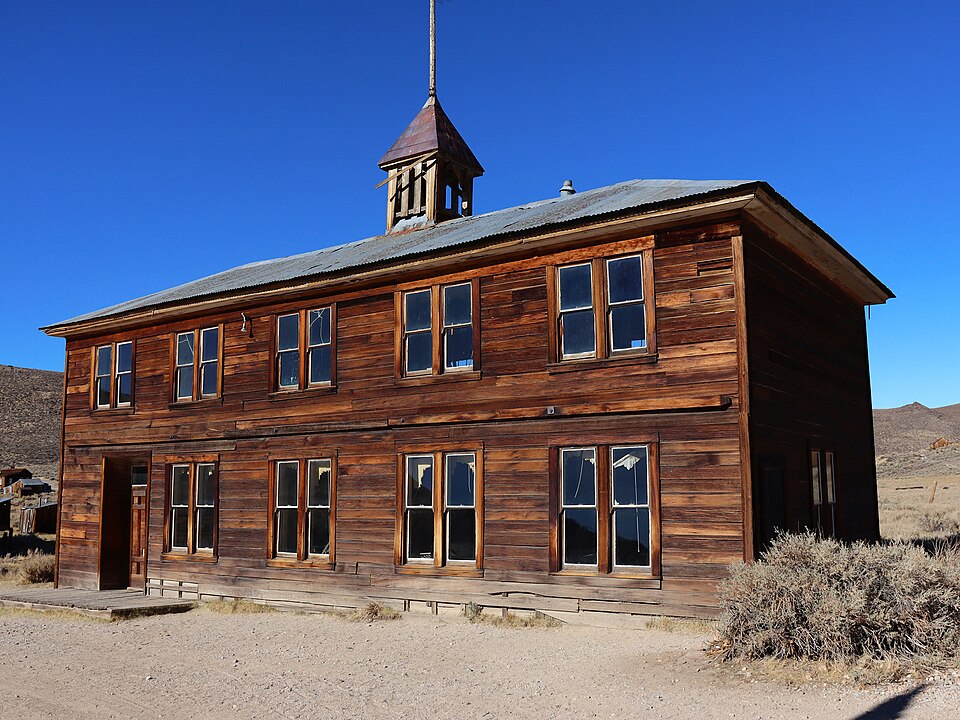
Bodie is one of the best-preserved ghost towns in America. During the Gold Rush, it was a bustling hub filled with saloons and miners seeking fortune. Today, it remains frozen in time under “arrested decay,” its buildings untouched but weathered. Visitors walk through silent streets that whisper of greed, hope, and sudden decline.
The Winchester Mystery House, California
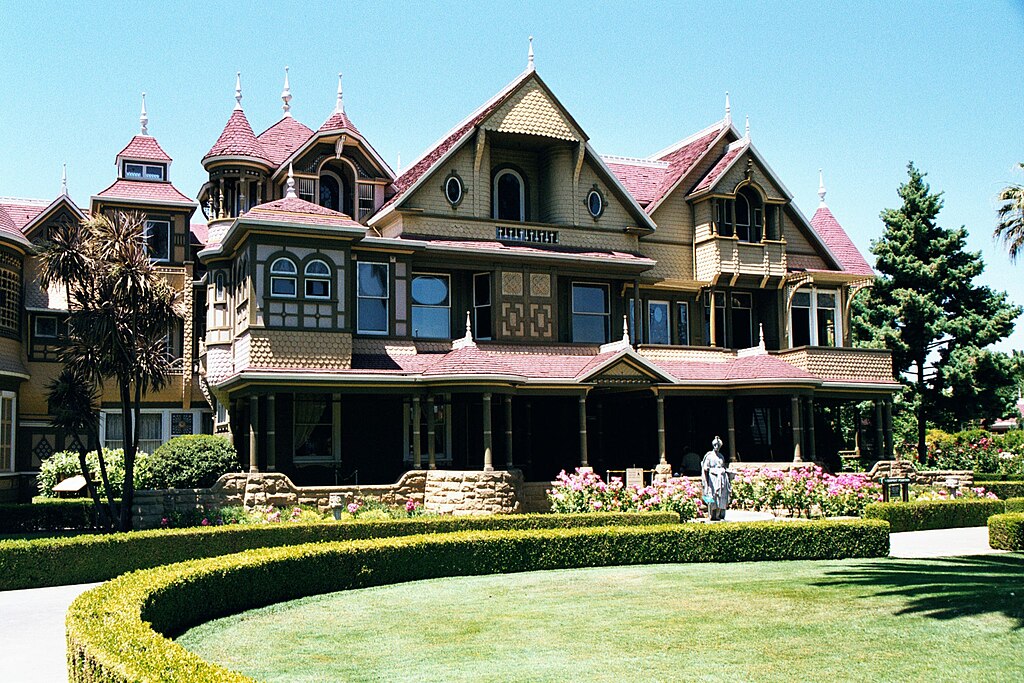
Built by Sarah Winchester, heir to the Winchester rifle fortune, this mansion is famed for its bizarre design. Staircases lead to nowhere, doors open into walls, and hallways twist without reason. Legend says she built endlessly to appease the spirits of those killed by her family’s guns. Though it draws tourists, its deeper symbolism of guilt and obsession is often overlooked.
The City of Rocks, Idaho
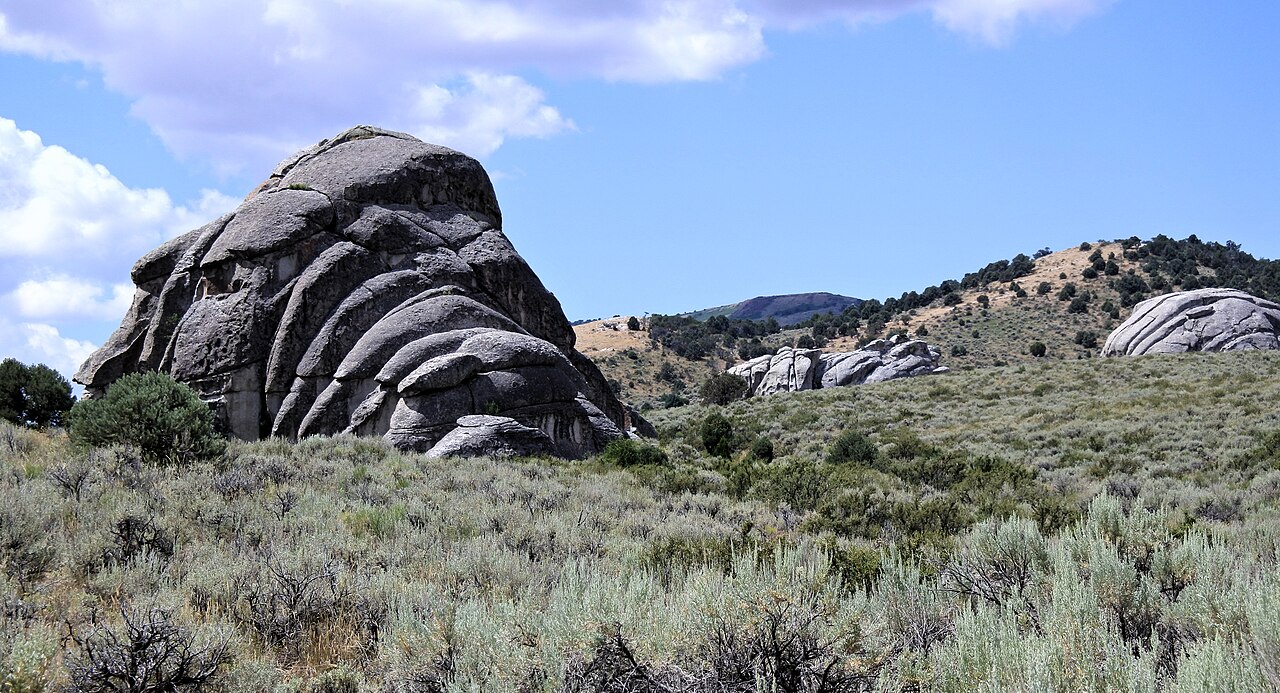
This natural wonder once served as a landmark for pioneers traveling west on the California Trail. Immense granite spires carved by wind and time form a surreal landscape dotted with signatures of emigrants from the 1800s. Few modern travelers realize how many families once stopped there, carving their names as they journeyed toward uncertain futures.
Coral Castle, Florida
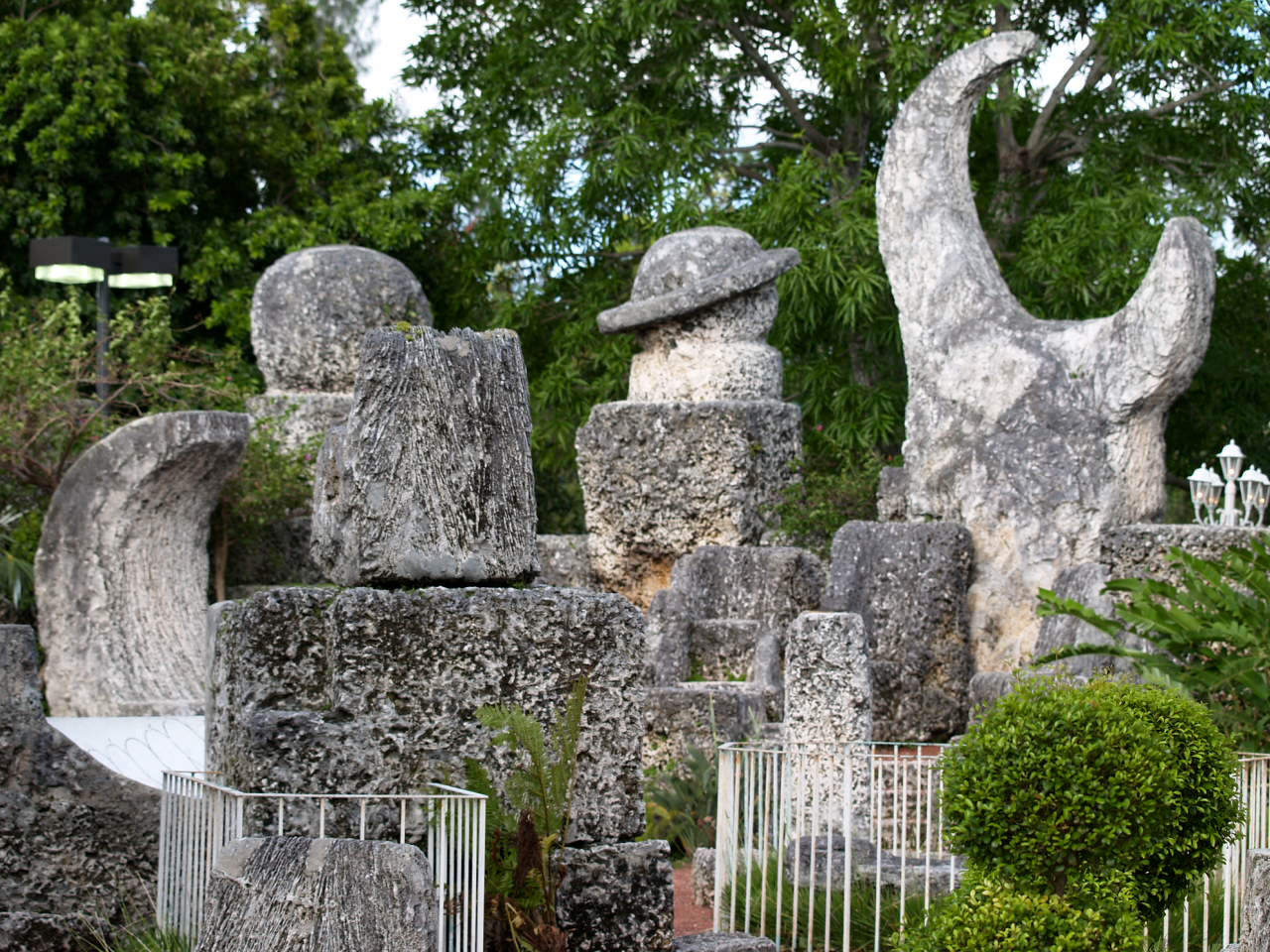
Built single-handedly by Latvian immigrant Edward Leedskalnin in the early 20th century, Coral Castle is a feat of mysterious engineering. Using primitive tools, he carved and positioned massive coral blocks weighing tons each. No one knows exactly how he accomplished it, and legends suggest lost ancient knowledge or sheer genius. The site remains a symbol of dedication and mystery.
Mount St. Helens’ Lost Visitor Center, Washington
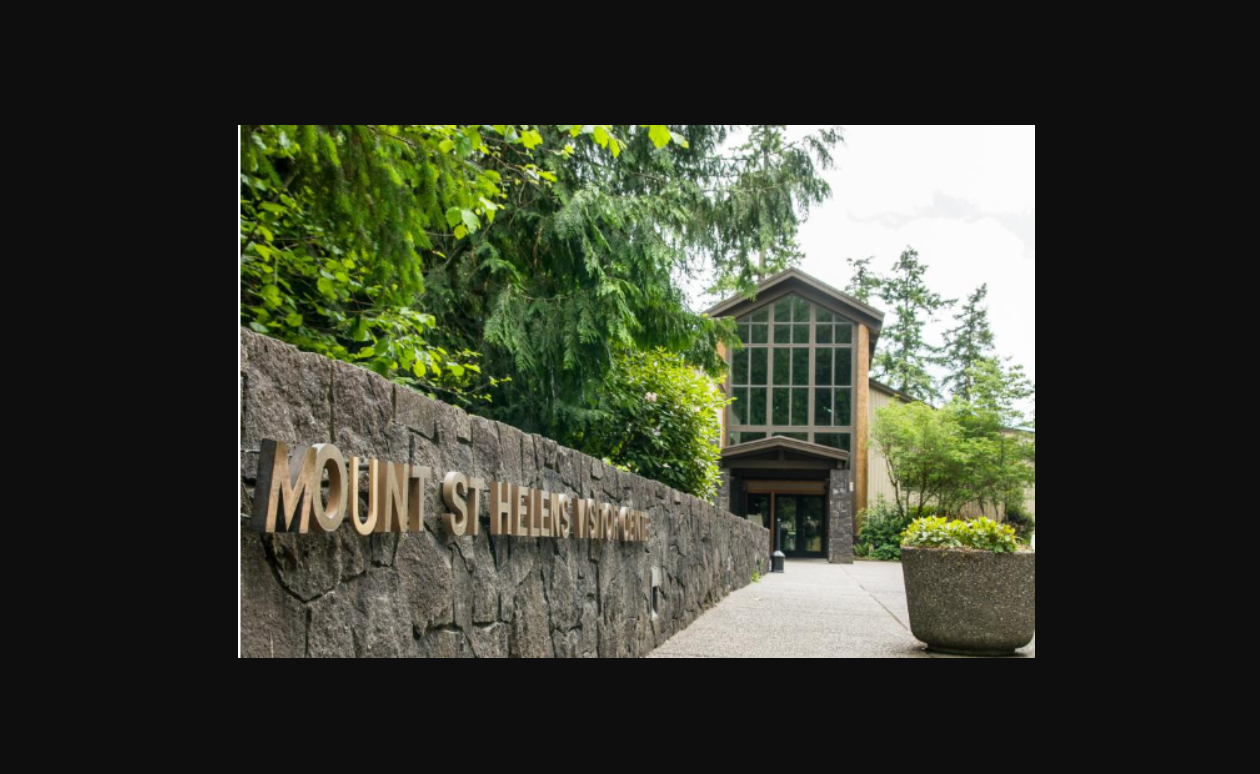
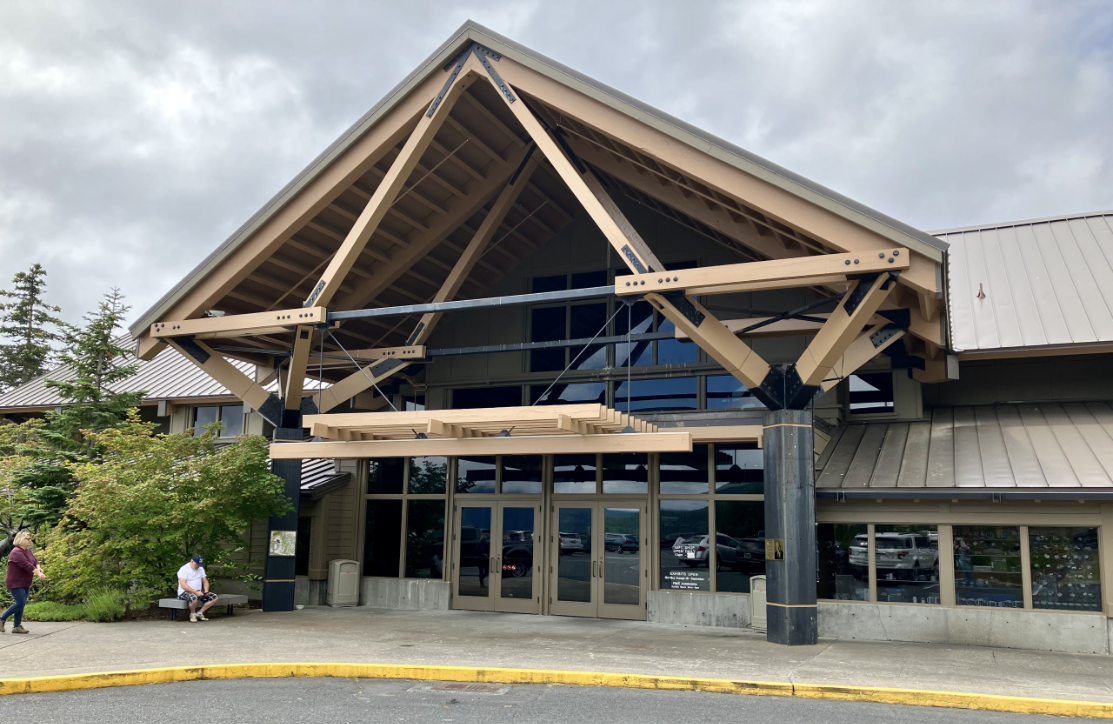
Before the 1980 eruption, the original visitor center at Mount St. Helens was a thriving educational site. The devastating blast buried much of the area, erasing not only towns but a part of cultural memory. While new centers exist today, the remains of the old site symbolize both destruction and rebirth, how nature reclaims what humans create.