American history is filled with famous battles like Gettysburg and Normandy, but many crucial conflicts have slipped into obscurity. These lesser-known battles shaped borders, influenced political decisions, and cost countless lives. Remembering them honors those who fought and adds important context to the nation’s story. Here are ten U.S. battles that deserve far more recognition for their impact and sacrifice.
Battle of Fallen Timbers (1794)
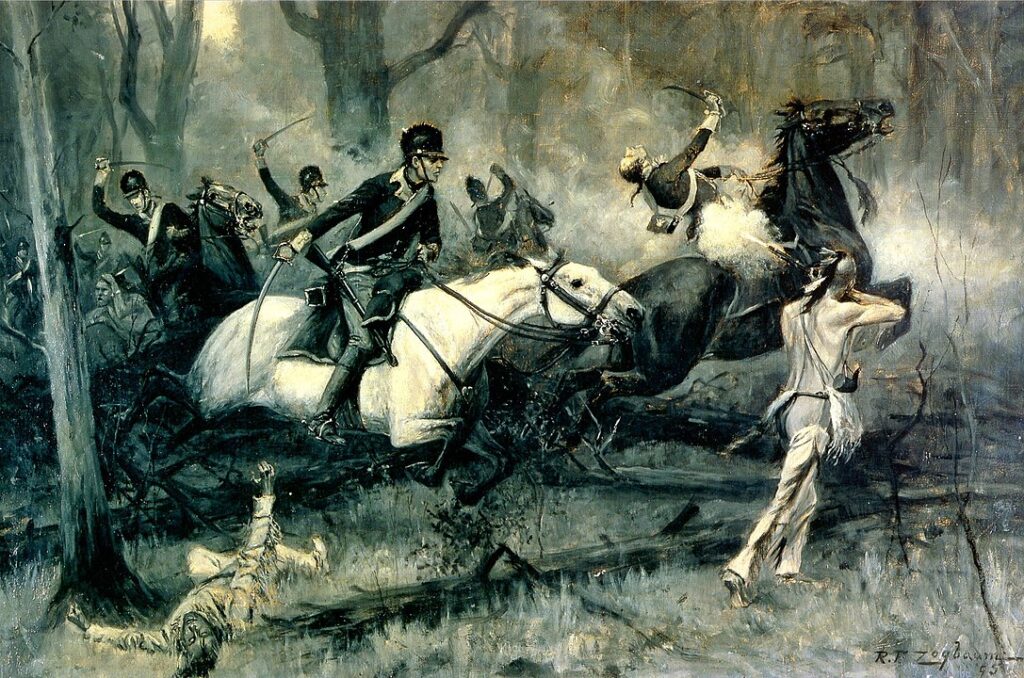
Fought near present-day Toledo, Ohio, the Battle of Fallen Timbers ended the Northwest Indian War. General Anthony Wayne led American forces against a confederation of Native tribes supported by British interests. The American victory broke Native resistance in the Northwest Territory and paved the way for the Treaty of Greenville. This battle was crucial in opening the Midwest to American settlement, yet it’s rarely discussed in classrooms today.
Battle of Horseshoe Bend (1814)
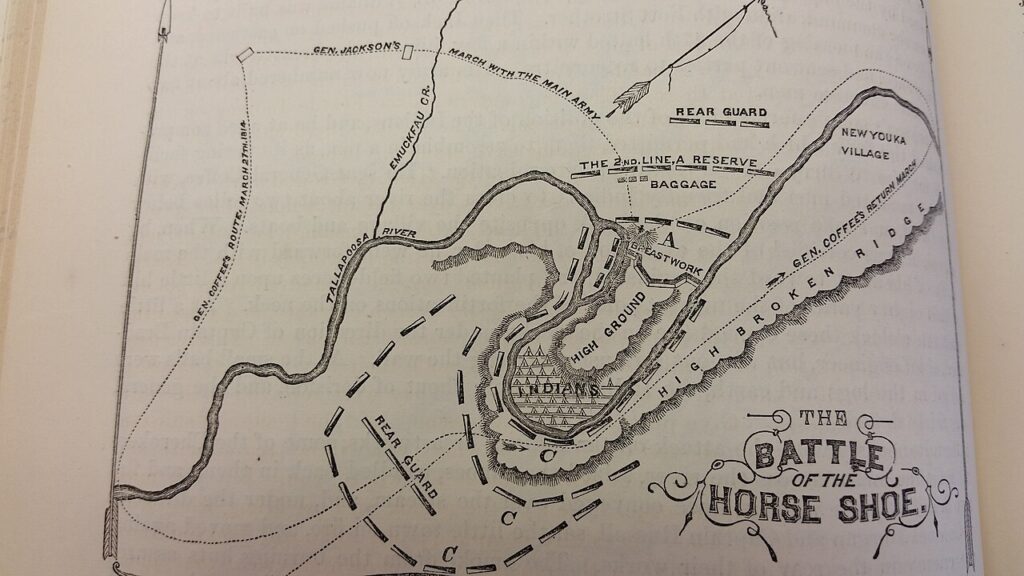
During the War of 1812, General Andrew Jackson led American troops against the Red Stick Creek warriors in Alabama. The battle ended with a decisive U.S. victory, effectively destroying the Creek military power. It forced the Creek to cede millions of acres to the United States, reshaping the Southeast. Despite its huge consequences for Native peoples and American expansion, it remains overshadowed by other conflicts from the era.
Battle of Palo Alto (1846)
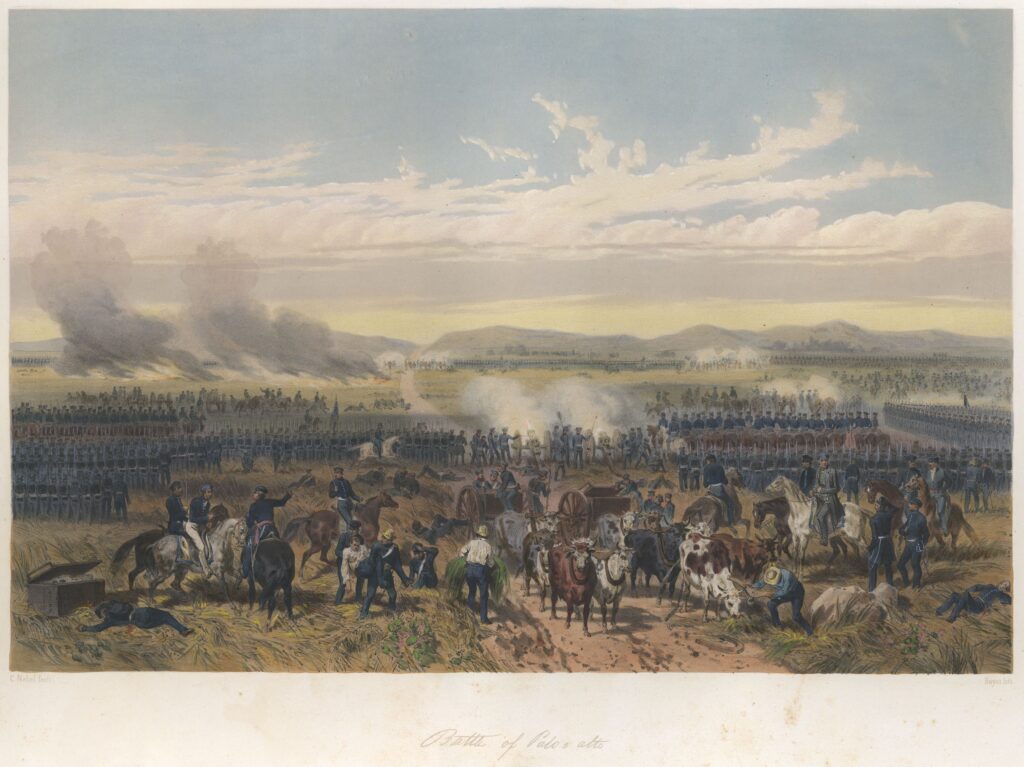
As the first major battle of the Mexican-American War, the Battle of Palo Alto near Brownsville, Texas, was significant. General Zachary Taylor’s forces clashed with Mexican troops, securing a U.S. victory. This engagement marked the beginning of a war that would dramatically expand U.S. territory. Yet few Americans today could name the battle that set off such a pivotal conflict.
Battle of Ball’s Bluff (1861)
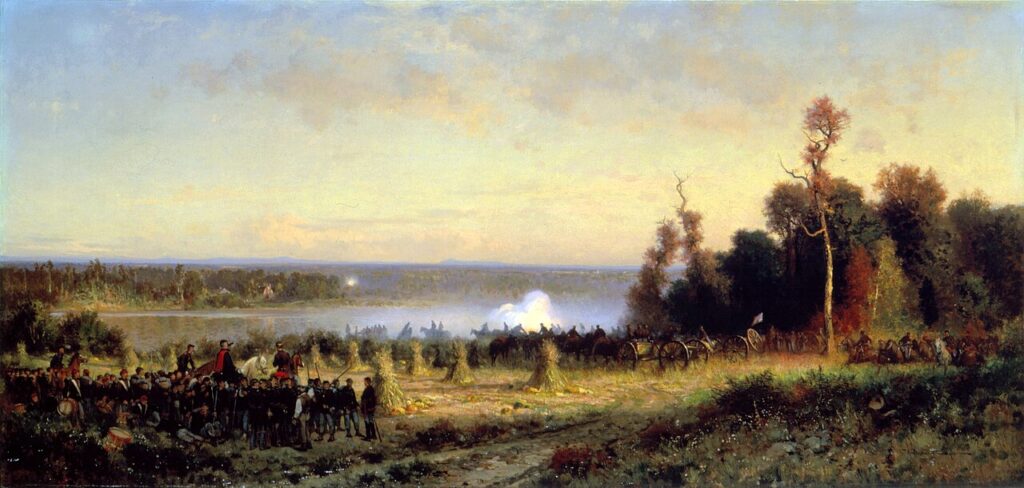
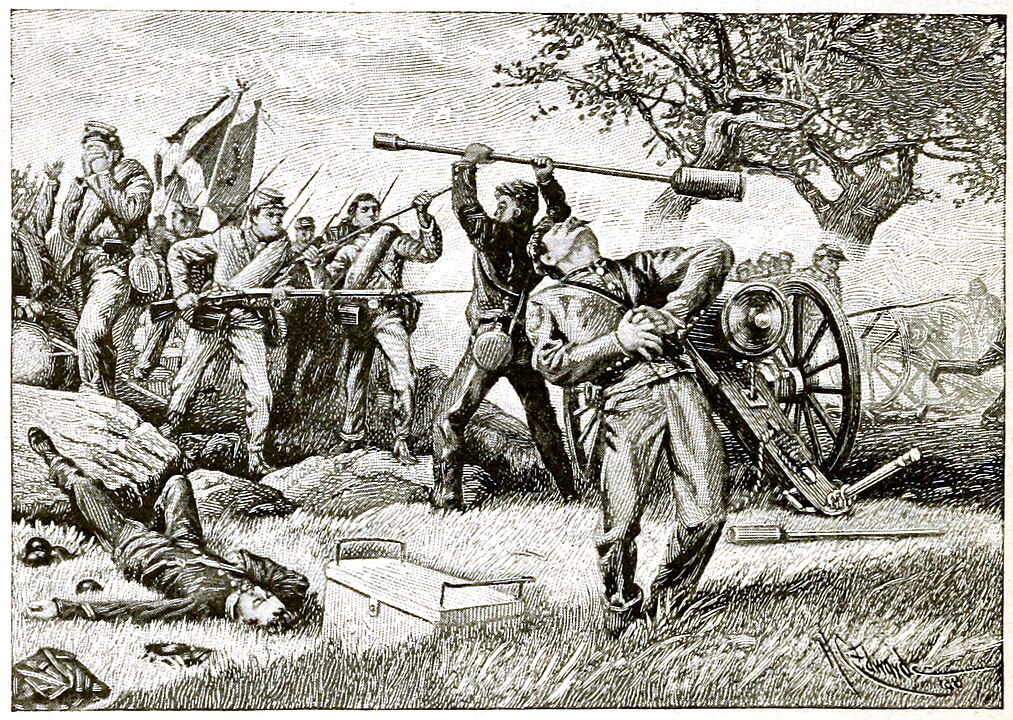
A lesser-known Civil War battle, Ball’s Bluff occurred near Leesburg, Virginia. Union forces crossed the Potomac River but were disastrously repelled by Confederate troops, suffering significant casualties. The debacle led to the creation of the Joint Committee on the Conduct of the War to investigate Union failures. Despite these far-reaching effects, Ball’s Bluff remains a footnote in Civil War history.
Battle of New Market (1864)
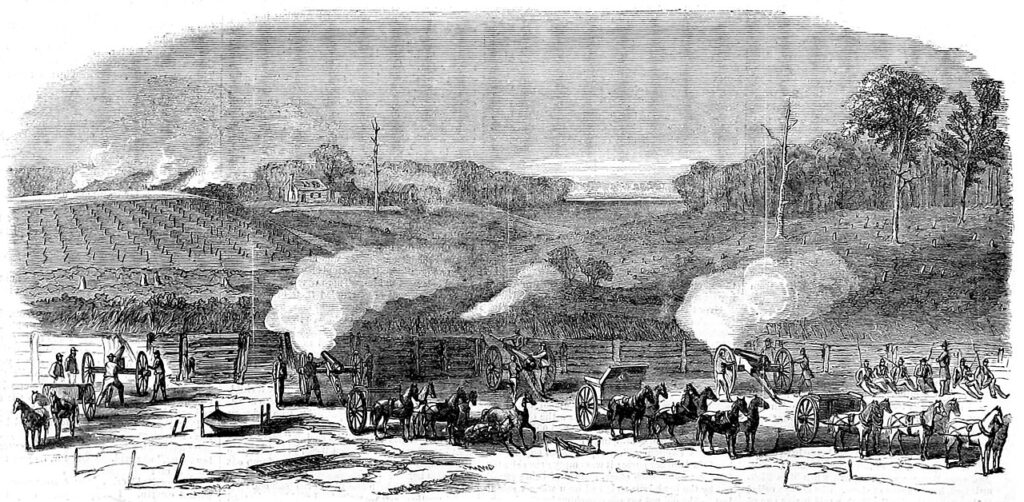
Fought in the Shenandoah Valley during the Civil War, New Market saw Confederate forces—including cadets from Virginia Military Institute—repel Union troops. The young cadets’ charge became legendary, symbolizing Southern resolve. Although the Confederates secured victory, the larger war context eventually negated their gains. This dramatic clash, however, deserves more attention for its unique human stories and youthful heroism.
Battle of the Little Bighorn Campaign Skirmishes (1876)
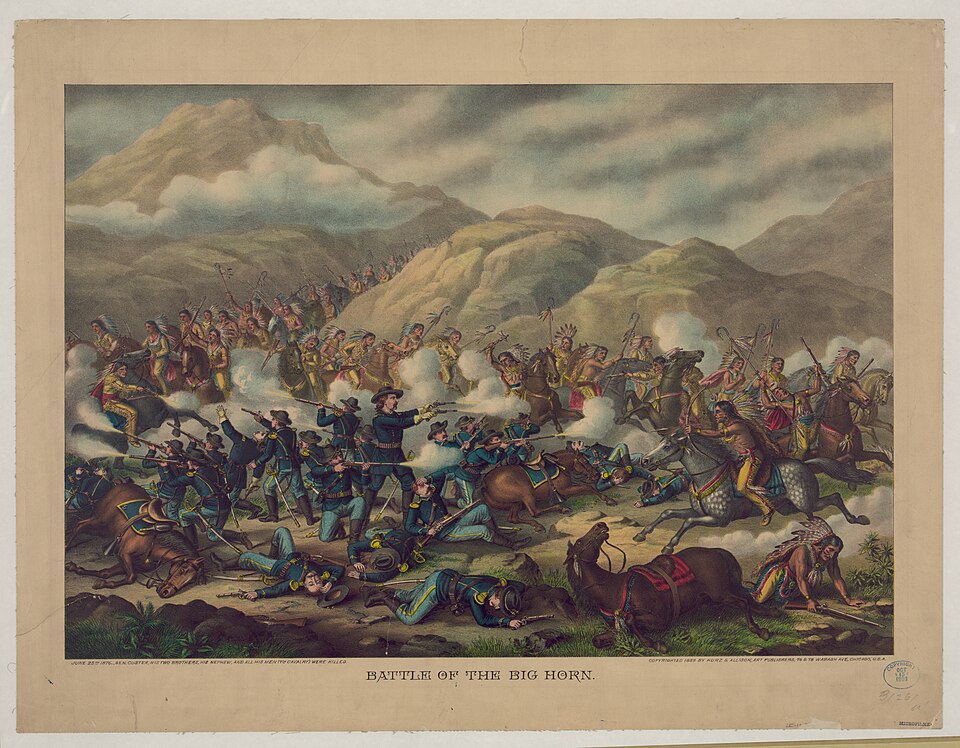
While everyone knows Custer’s Last Stand, smaller skirmishes during the same campaign remain overlooked. These included numerous clashes between Native forces and U.S. troops across Montana and Wyoming. These engagements shaped tactics and morale leading to the infamous Battle of the Little Bighorn. Remembering these smaller battles helps paint a fuller picture of the conflict’s complexity and the intense resistance of Native nations.
Battle of Manila (1899)
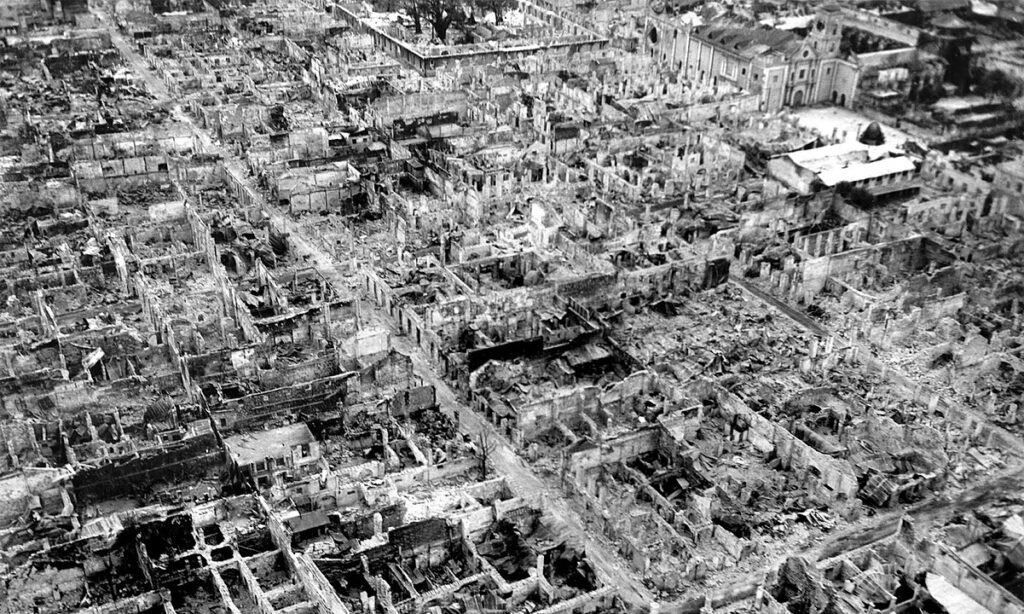
After the Spanish-American War, U.S. troops clashed with Filipino revolutionaries in the Battle of Manila, starting the Philippine-American War. The fighting marked a painful shift from liberator to occupier for American forces. Thousands died in urban combat as the U.S. secured control over the Philippines. It’s a forgotten conflict that highlights America’s complicated role in imperialism and foreign intervention.
Battle of Belleau Wood (1918)
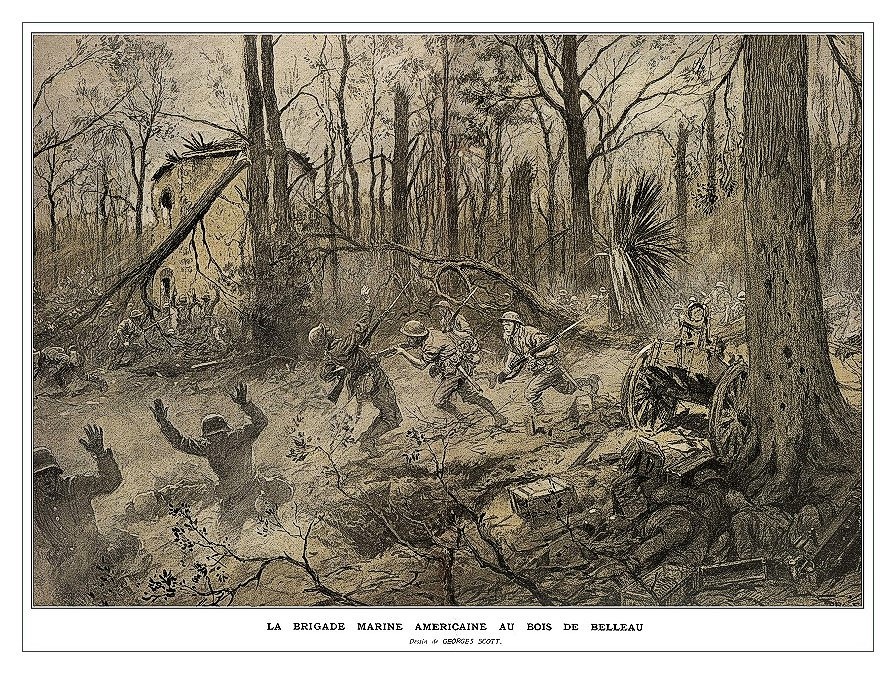
Although more recognized in Marine Corps circles, Belleau Wood isn’t as famous in broader American memory. U.S. forces halted a major German offensive in France, fighting fiercely in brutal conditions. The Marines earned lasting respect for their courage, giving rise to legends like “Devil Dogs.” Belleau Wood was pivotal in turning the tide in World War I, yet it doesn’t receive the widespread public recognition it deserves.
Battle of Khe Sanh (1968)
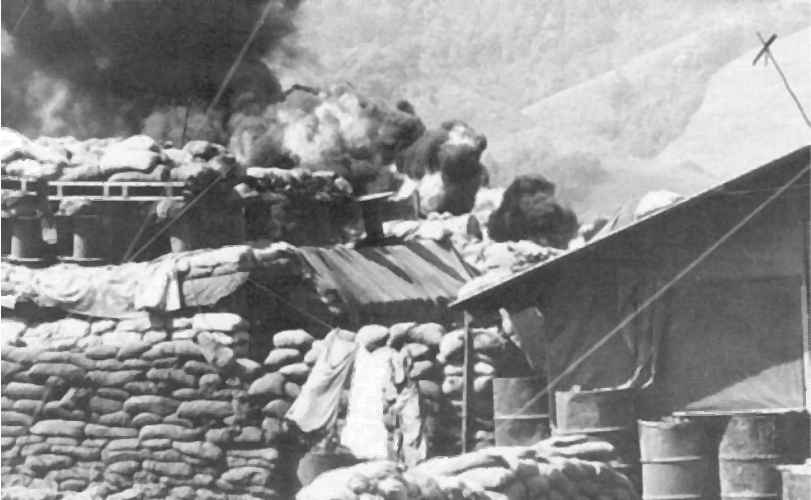
During the Vietnam War, U.S. Marines endured a 77-day siege at Khe Sanh in South Vietnam. The North Vietnamese Army encircled the base, subjecting it to relentless bombardment. Though overshadowed by the Tet Offensive, Khe Sanh became a test of American resolve and military strategy. It remains one of the longest and bloodiest battles of the conflict but is seldom detailed in mainstream histories.
Battle of Najaf (2004)
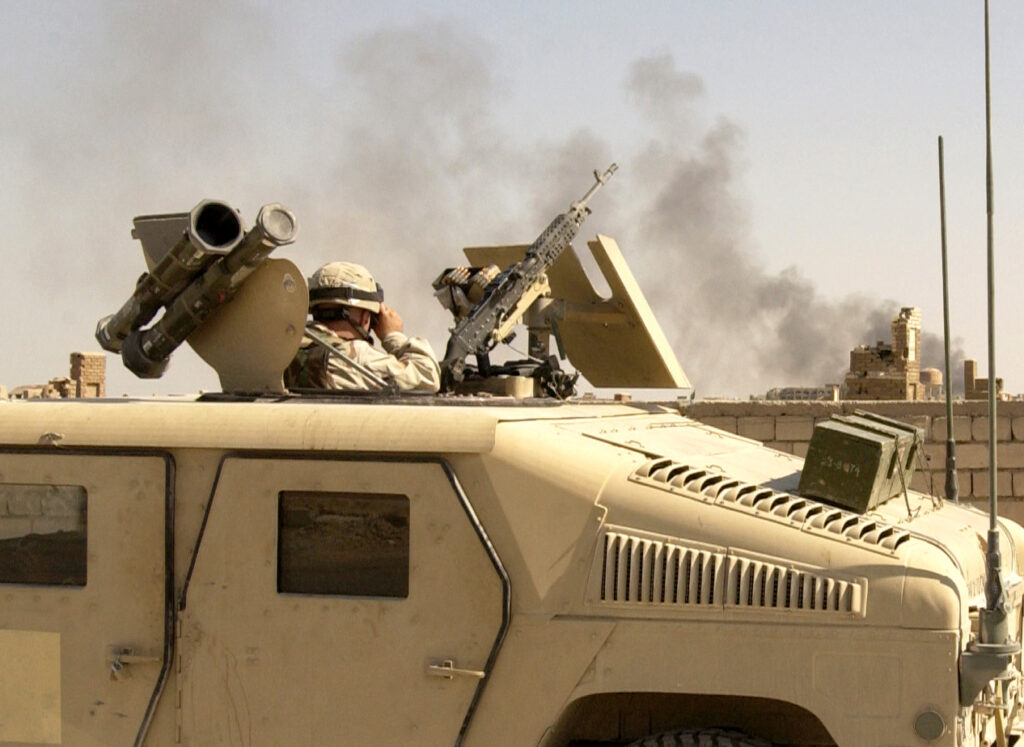
In the Iraq War, U.S. forces fought the Mahdi Army in Najaf, leading to intense urban combat. American troops faced fierce resistance while trying to isolate militia forces entrenched near the city’s holy sites. The battle highlighted the complexities of fighting insurgents in urban areas and respecting religious sensitivities. Despite its importance, Najaf rarely surfaces in broader discussions of the war.