While names like Susan B. Anthony and Elizabeth Cady Stanton are well-known pillars of the women’s suffrage movement, countless others worked tirelessly and courageously behind the scenes. These figures brought powerful voices, unique strategies, and important perspectives, often going unrecognized in mainstream historical accounts. It’s time to shine a light on ten influential women who made lasting impacts on the fight for women’s rights but have been too often overlooked.
Lucy Stone – Relentless Equality Advocate
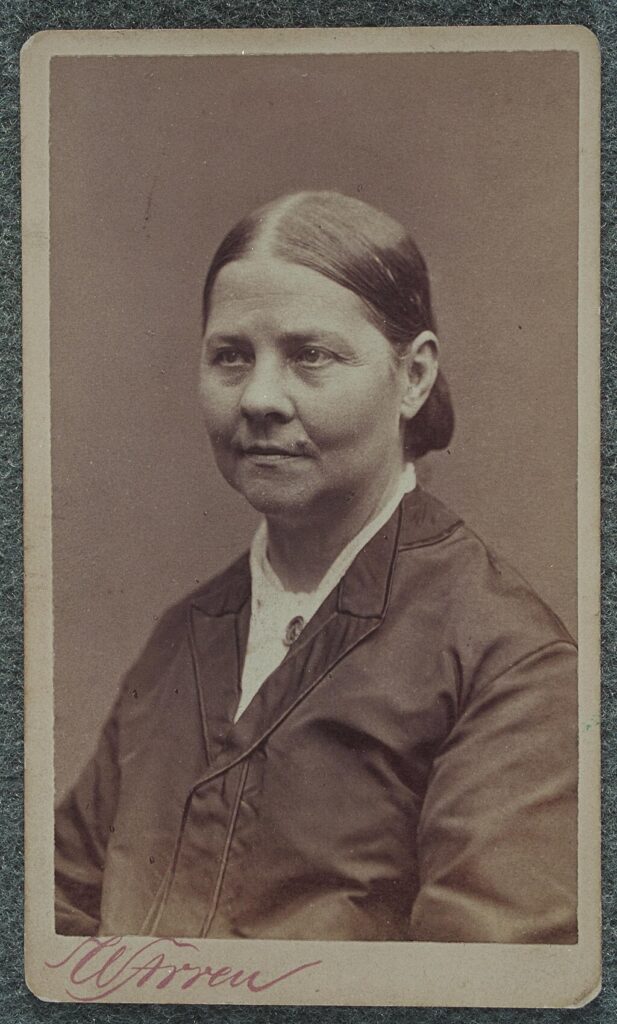
Lucy Stone was one of the earliest advocates for women’s suffrage and a founding member of the American Woman Suffrage Association. She was the first woman from Massachusetts to earn a college degree and became a powerful orator, known for her clear and logical arguments. Unlike many of her contemporaries, she supported the Fifteenth Amendment, which granted Black men the right to vote, even though it did not include women. Her stance often placed her at odds with other suffragists but highlighted her deep commitment to racial equality alongside gender rights.
Ida B. Wells – Unyielding Justice Seeker
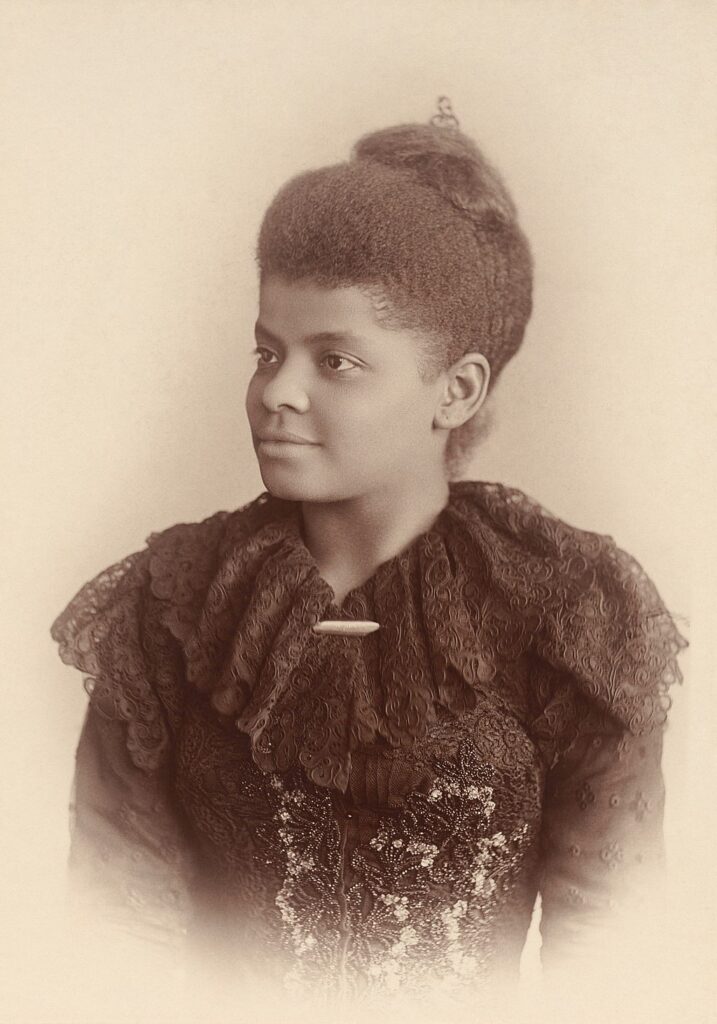
A fierce journalist and civil rights advocate, Ida B. Wells brought a crucial voice to the intersection of race and gender within the suffrage movement. As a founder of the Alpha Suffrage Club, she mobilized Black women to engage in political activism and demand voting rights. Despite being sidelined by white suffragist groups, Wells insisted on marching alongside white women during major demonstrations, refusing to be pushed to the margins. Her investigative journalism, particularly on lynching, brought national attention to racial violence and gave the broader movement a deeper sense of urgency and justice.
Alice Paul – Radical Rights Strategist
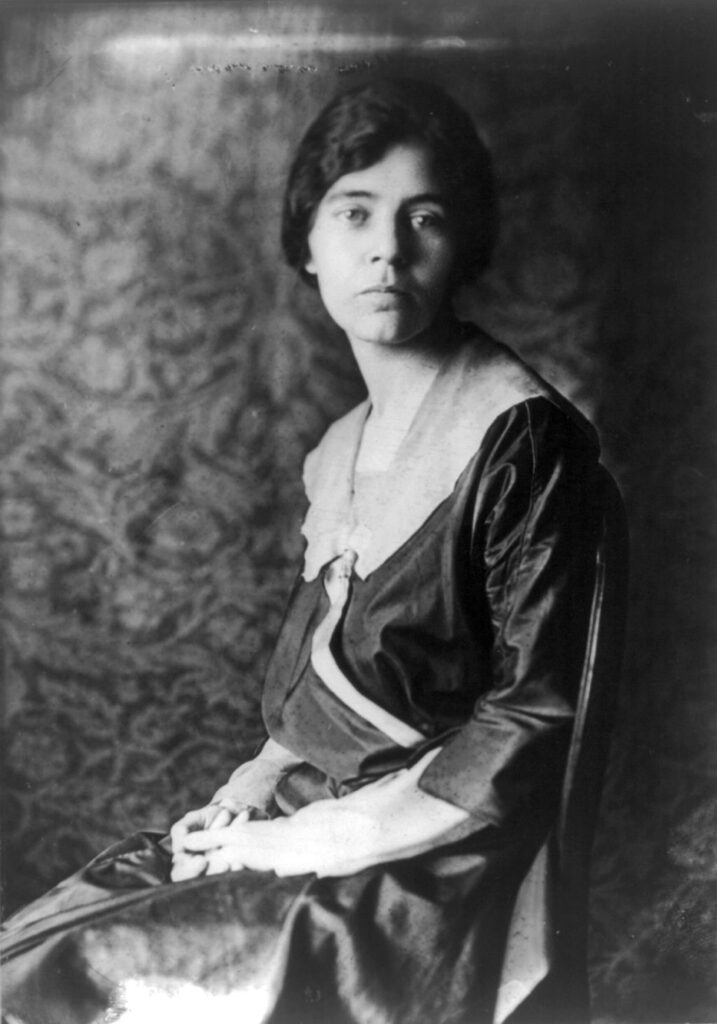
Alice Paul was known for her bold tactics and unrelenting pursuit of a federal amendment for women’s suffrage. A founder of the National Woman’s Party, she introduced more aggressive methods, including picketing the White House and hunger strikes, to draw attention to the cause. Paul authored the Equal Rights Amendment and fought for its ratification long after the 19th Amendment passed. Her vision extended beyond voting rights, aiming for full constitutional equality between the sexes, which made her a forward-thinking leader in the broader fight for gender equity.
Mary Church Terrell – Tireless Community Leader
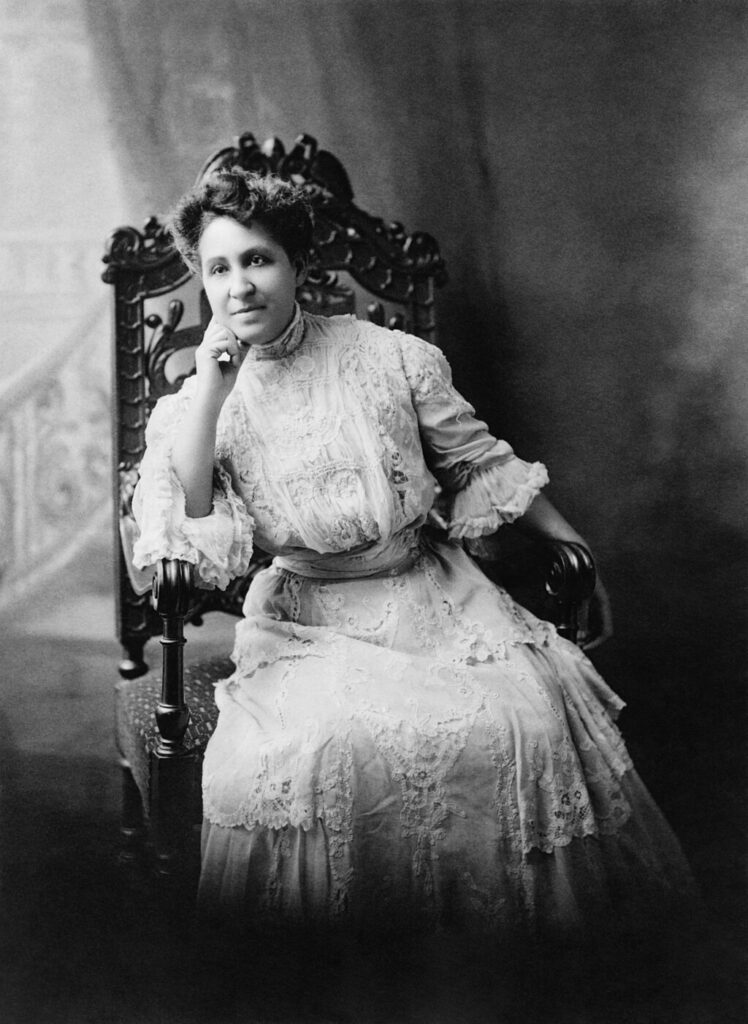
Mary Church Terrell was a co-founder of the National Association of Colored Women and one of the first African American women to earn a college degree. She worked at the crossroads of civil rights and women’s suffrage, believing deeply in education and empowerment for Black communities. Fluent in several languages and frequently traveling abroad, she connected international movements for women’s rights. Terrell’s advocacy helped ensure that the fight for suffrage included Black women’s voices, despite the racism within many mainstream suffragist circles.
Henrietta Edwards – Canadian Legal Pioneer
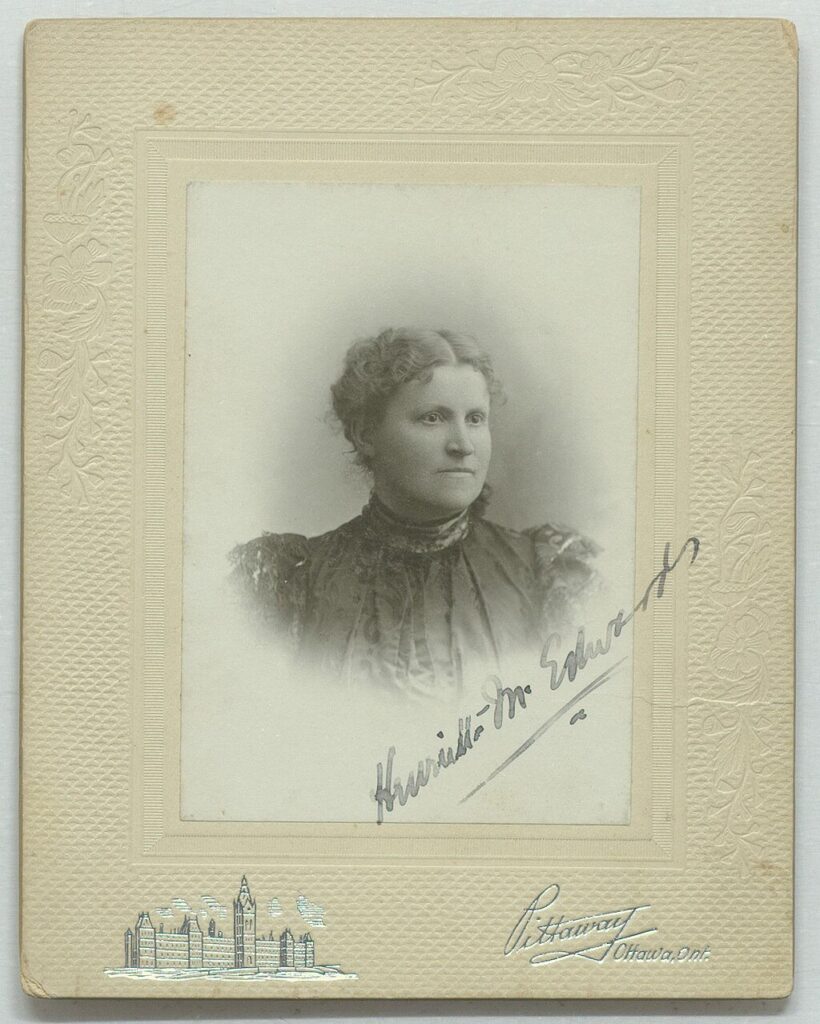
Henrietta Edwards was one of the “Famous Five” who successfully campaigned to have women legally recognized as persons in Canada. A devoted social reformer, she co-founded organizations that supported working women and promoted legal reforms in women’s property and custody rights. She was also deeply involved in the Woman’s Christian Temperance Union. Though often overshadowed by her peers, Edwards laid the groundwork for legal equality in Canada and brought attention to how laws could be changed to reflect women’s needs.
Matilda Joslyn Gage – Revolutionary Thinker
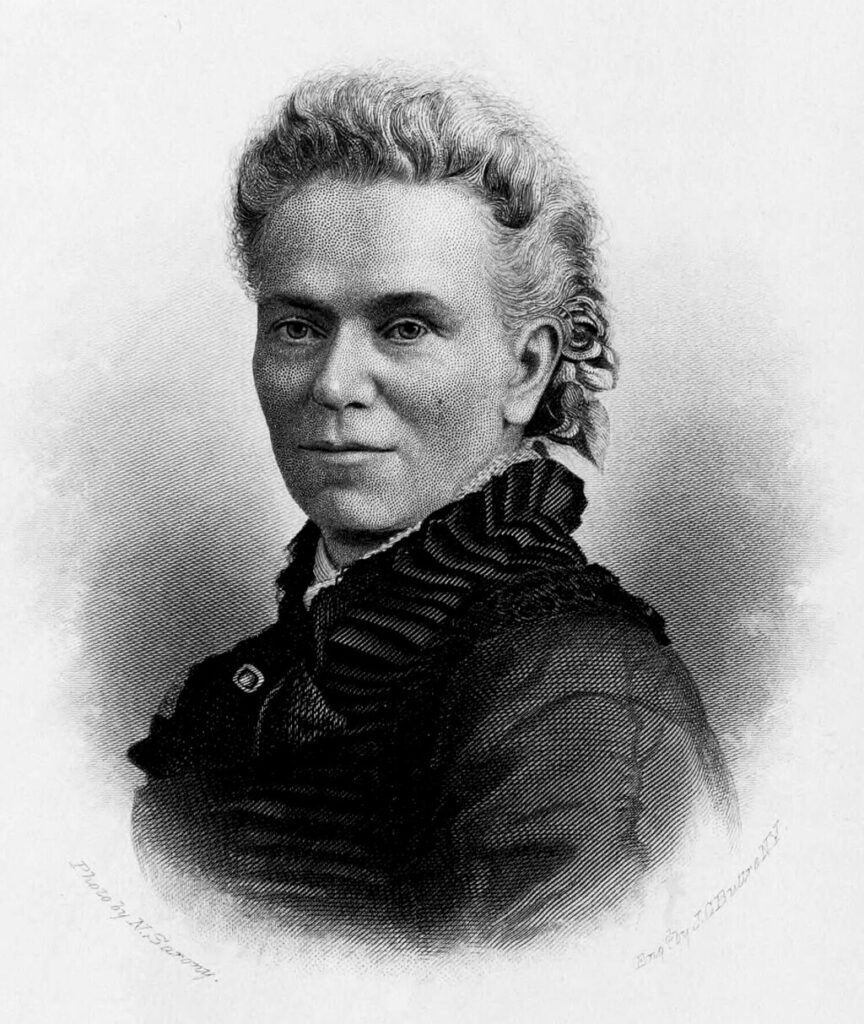
Matilda Joslyn Gage was a writer and activist whose radical ideas often put her at odds with more conservative suffragists. She fought not just for women’s voting rights but also for a complete overhaul of the social and religious systems that oppressed women. Gage was a vocal critic of the church’s role in reinforcing patriarchy and championed Native American matriarchal cultures as examples of egalitarian societies. Her ideas inspired later feminist thought, though her legacy was often minimized in historical accounts of the movement.
Zitkala-Ša – Cultural Rights Defender
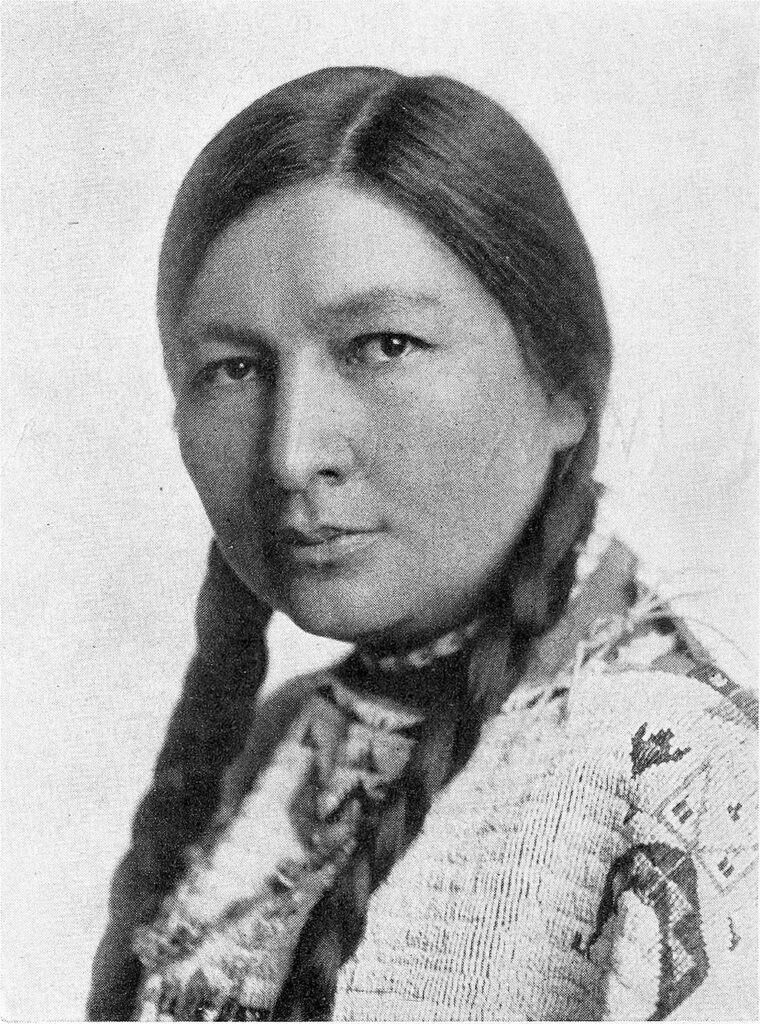
Zitkala-Ša, also known as Gertrude Simmons Bonnin, was a Native American activist, writer, and musician who bridged the suffrage movement with Indigenous rights. She advocated for Native American citizenship and voting rights while fiercely defending her cultural heritage. Through her writings, she exposed the cultural erasure imposed by government-run boarding schools. Zitkala-Ša co-founded the National Council of American Indians and worked to ensure Native voices were heard in policy discussions, making her a crucial yet underappreciated figure in both suffrage and Indigenous activism.
Paulina Wright Davis – Reform-Focused Organizer
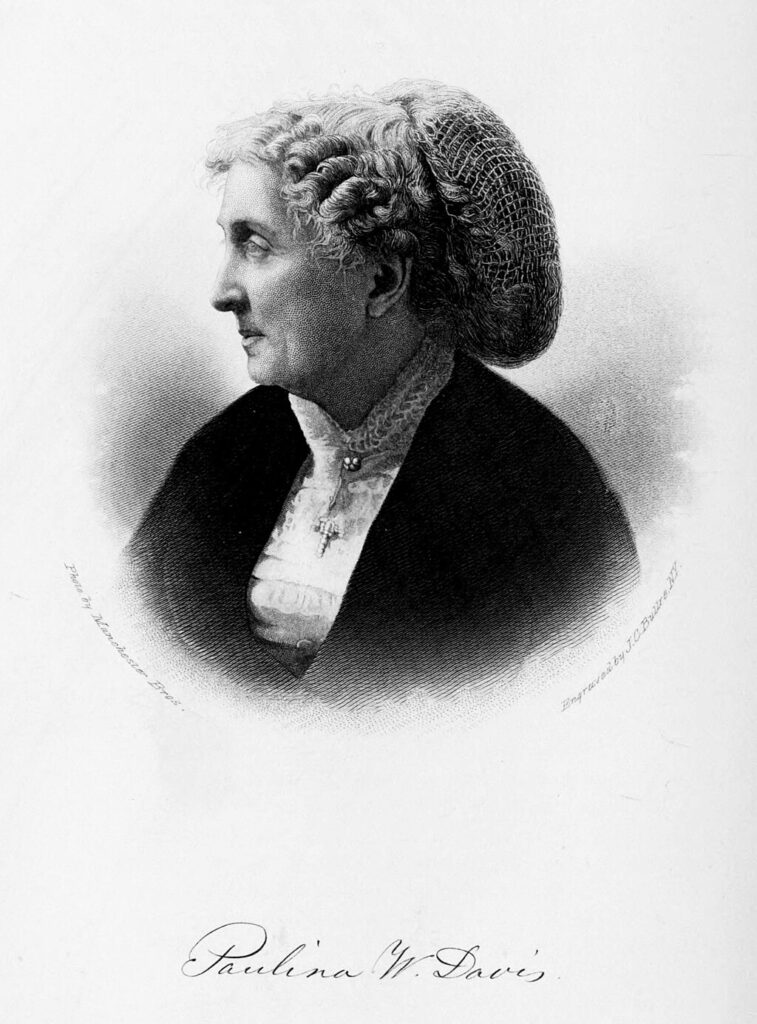
Paulina Wright Davis was a strong voice in the early women’s rights movement and an educator on women’s health. She helped organize the first National Women’s Rights Convention and was an editor of The Una, one of the first feminist publications in the United States. Davis frequently lectured on anatomy and hygiene to empower women with knowledge about their own bodies. Her work linked the suffrage movement with broader reform efforts, from education to public health, showing that true equality required more than just the ballot.
Sojourner Truth – Uncompromising Orator
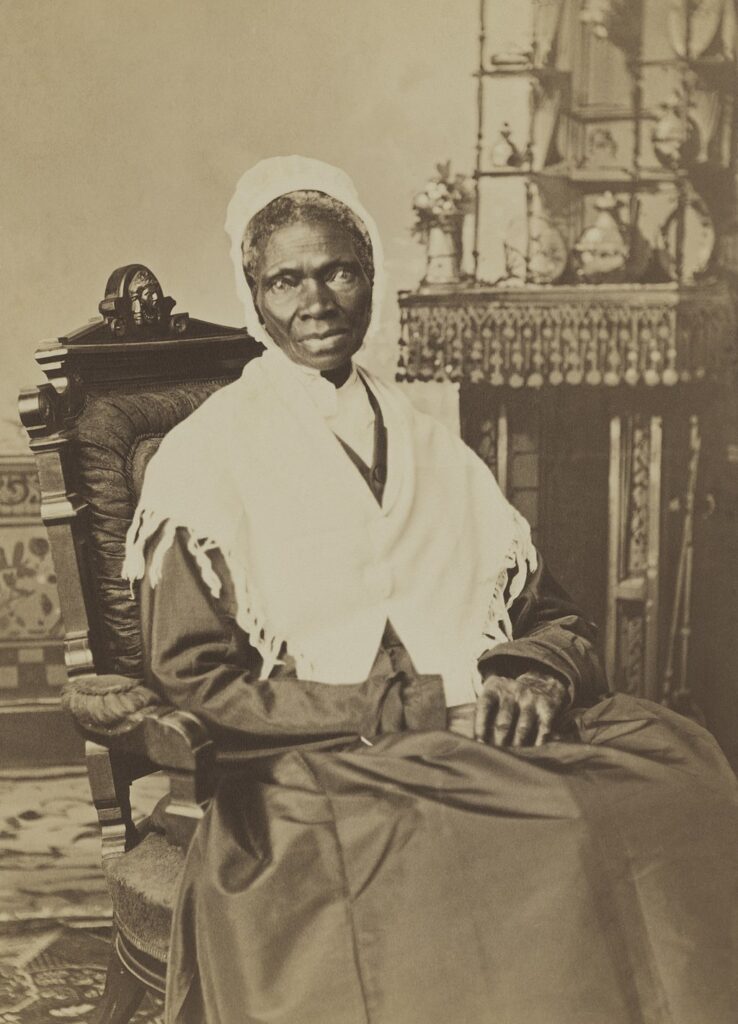
Sojourner Truth, born into slavery, became a legendary speaker whose words still resonate today. Her “Ain’t I a Woman?” speech remains one of the most powerful calls for the recognition of Black women’s humanity. Truth advocated for abolition and women’s rights simultaneously, refusing to separate the struggles. She challenged both racism within the suffrage movement and sexism within abolitionist circles. Her raw honesty and spiritual conviction made her a compelling figure who demanded that both her race and gender be acknowledged.
Frances Ellen Watkins Harper – Literary Trailblazer
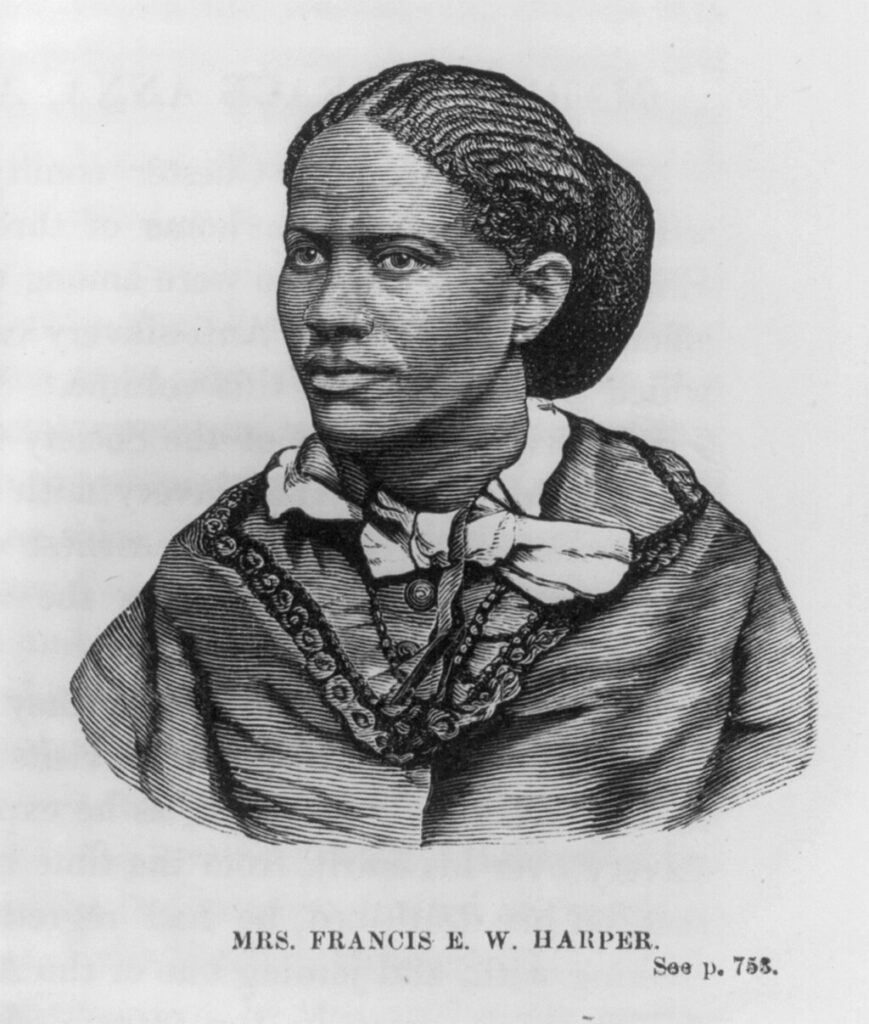
Frances Harper was a poet, author, and lecturer who used her writing as a powerful tool for activism. She was involved in the American Equal Rights Association and often spoke about the interconnected oppression of race and gender. Her speech at the 1866 National Women’s Rights Convention, “We Are All Bound Up Together,” highlighted the need for solidarity between Black and white women. Harper believed in moral reform, education, and uplift for the African American community, using literature as her platform to advocate for lasting change.
These women, diverse in background and approach, played essential roles in shaping the women’s suffrage movement and advancing justice. Their stories remind us that the fight for equality was never carried by a few iconic names alone—it was built on the shoulders of many, each with a voice and vision worth remembering.