Women have contributed enormously to science, often overcoming systemic barriers to achieve breakthroughs. Learning about these pioneers provides both inspiration and a more complete view of history. From physics to biology, these women shaped knowledge and influenced generations of researchers.
Marie Curie
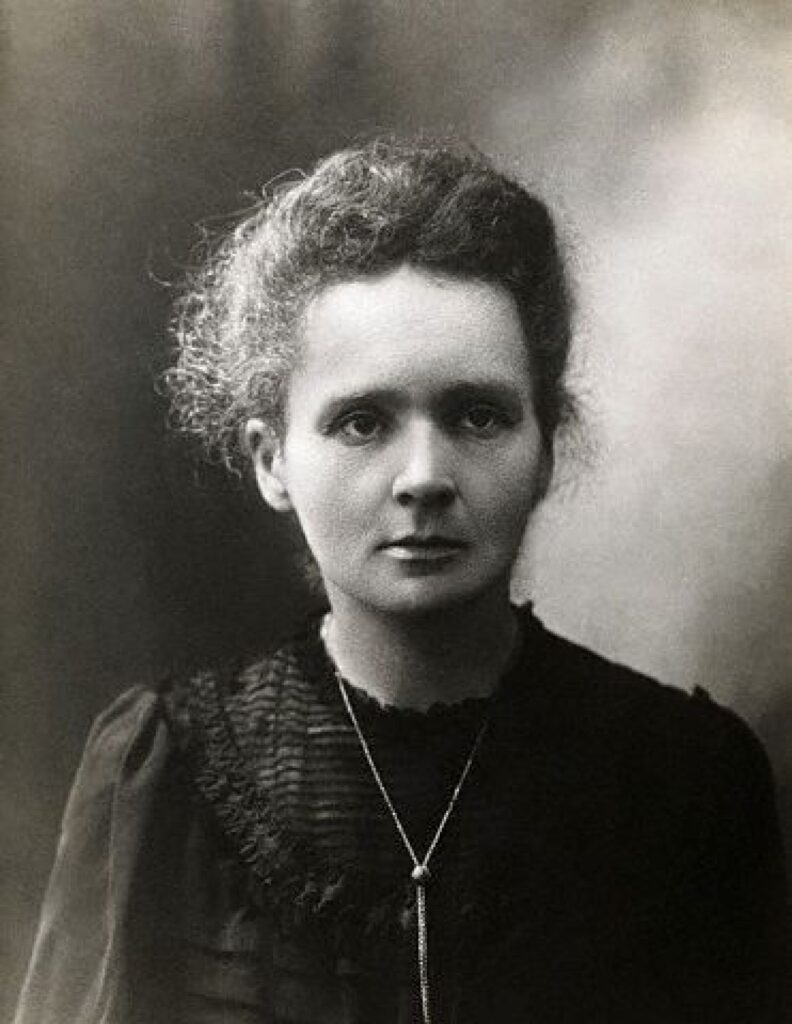
Marie Curie pioneered research on radioactivity, becoming the first person to win Nobel Prizes in two different sciences. Her work laid the foundation for modern medical imaging and cancer treatment. Beyond her discoveries, Curie’s perseverance in male-dominated scientific circles continues to inspire aspiring female scientists.
Rosalind Franklin
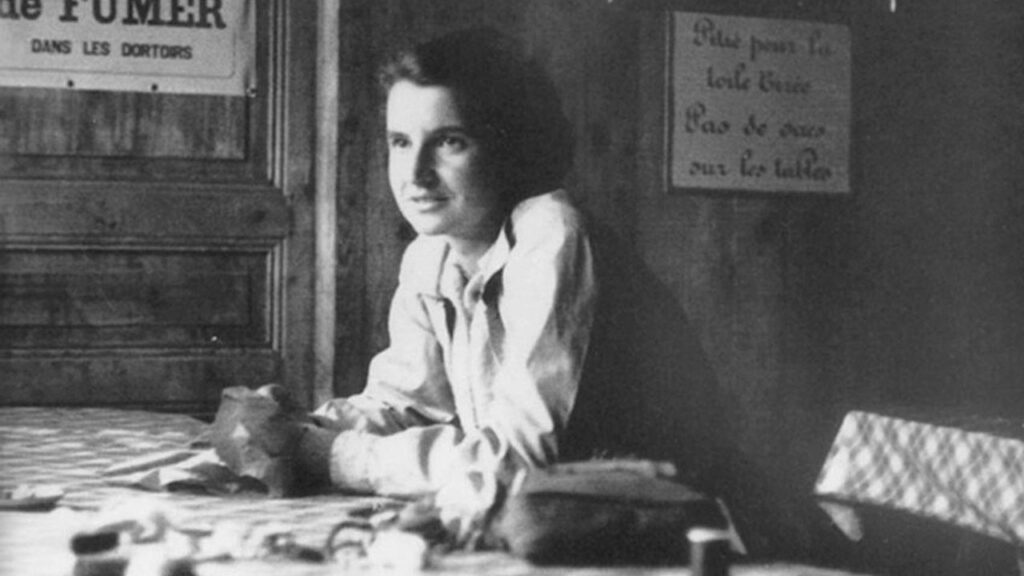
Franklin’s X-ray diffraction work was critical to discovering DNA’s double helix. Despite being overlooked in early recognition, her photographs remain iconic in molecular biology. Franklin’s dedication to precision and methodology influenced generations of genetic research.
Jane Goodall

Goodall revolutionized primatology by studying chimpanzees in the wild. Her observations on behavior and social structures challenged assumptions about human-animal relationships. Beyond research, she has become a global advocate for conservation and animal welfare.
Ada Lovelace
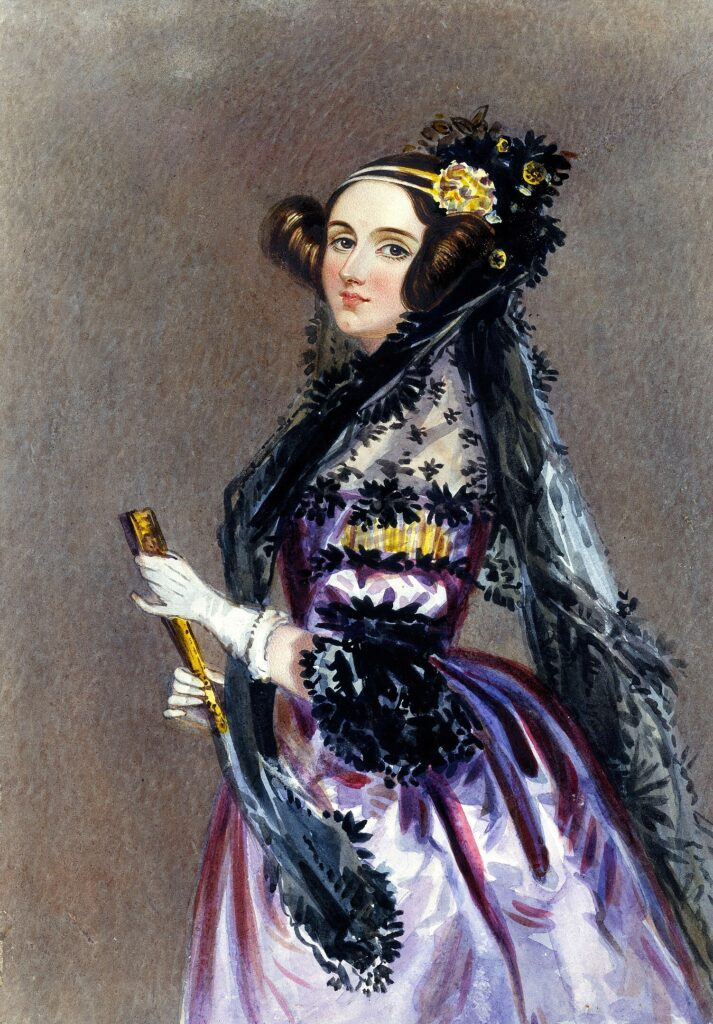
Often considered the world’s first computer programmer, Lovelace recognized the potential of Charles Babbage’s analytical engine beyond calculation. Her visionary notes anticipated modern computing principles. Lovelace’s intellect demonstrates early intersections of mathematics and innovation.
Barbara McClintock
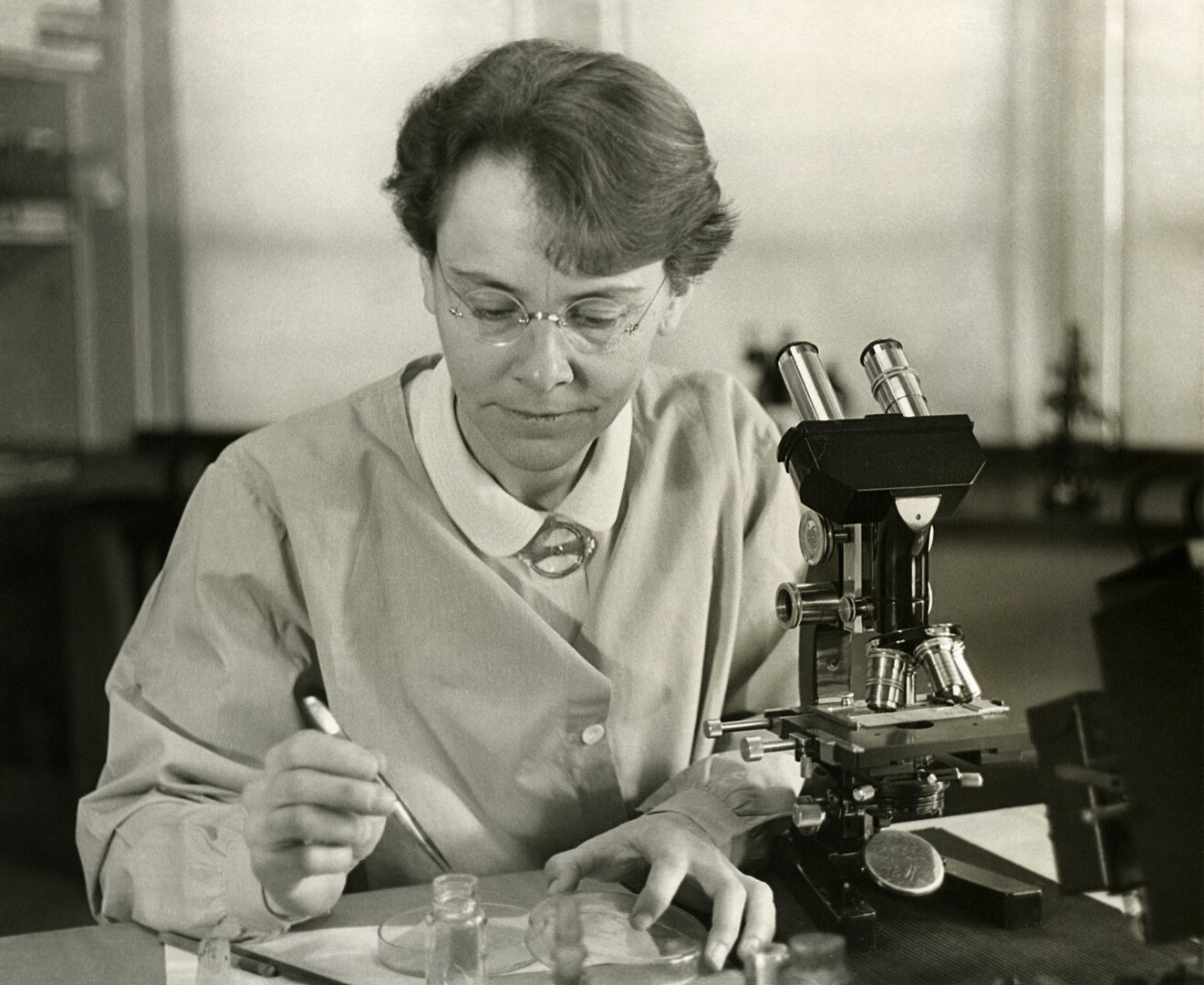
McClintock’s work on “jumping genes” in maize earned her a Nobel Prize in Physiology or Medicine. Her discoveries on genetic transposition challenged conventional wisdom and opened new areas of genetic research. McClintock’s meticulous experiments exemplify patient, groundbreaking scientific work.
Rachel Carson
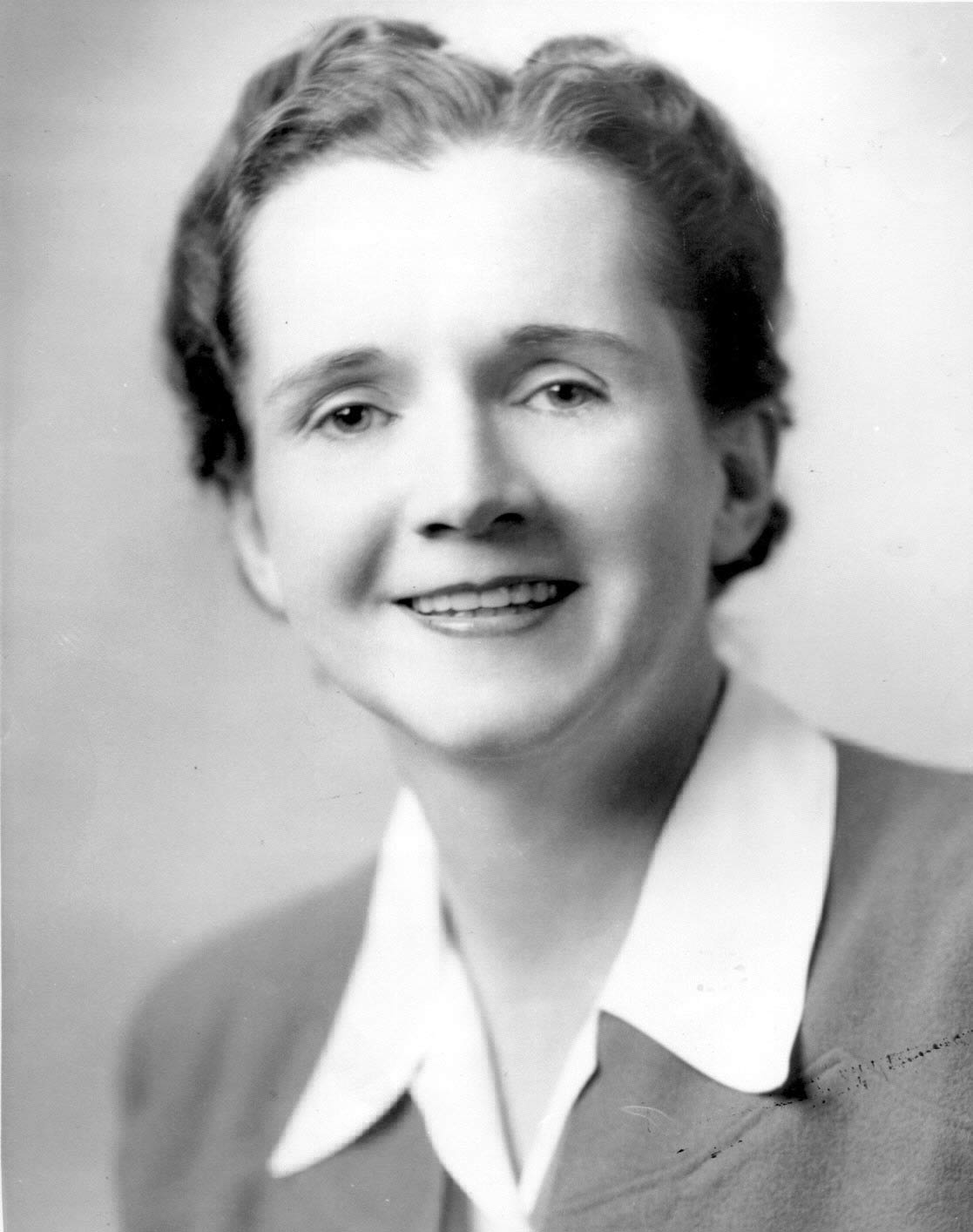
Carson’s environmental research and writing, including Silent Spring, raised public awareness of pesticides and ecosystem health. Her advocacy influenced legislation and sparked the modern environmental movement. Carson demonstrated how science can drive social and policy change.
Lise Meitner
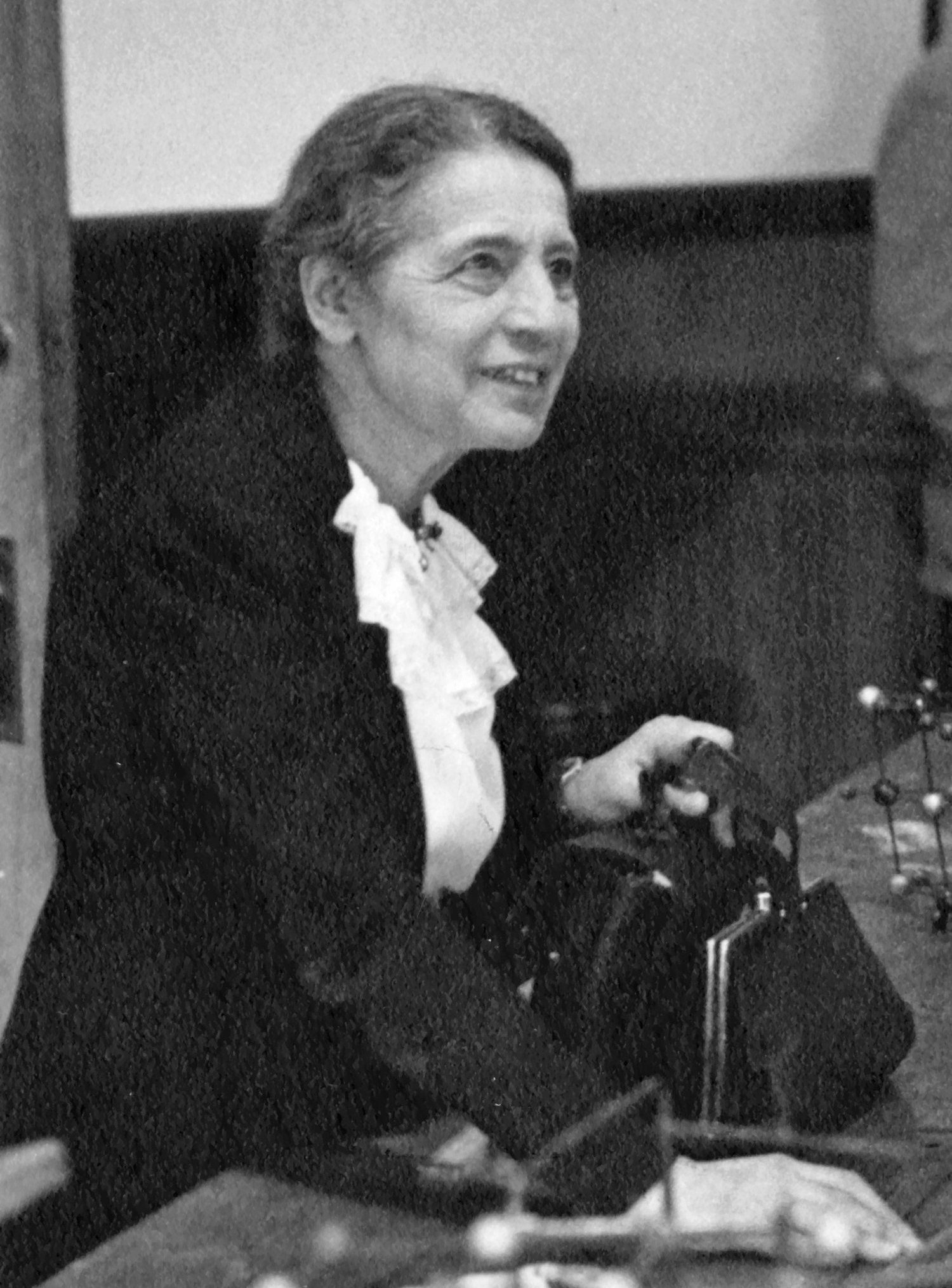
Meitner contributed to the discovery of nuclear fission, although recognition initially went to male colleagues. She was a physicist whose perseverance and collaboration advanced atomic theory. Meitner’s story underscores the importance of inclusion and acknowledgment in science.
Chien-Shiung Wu
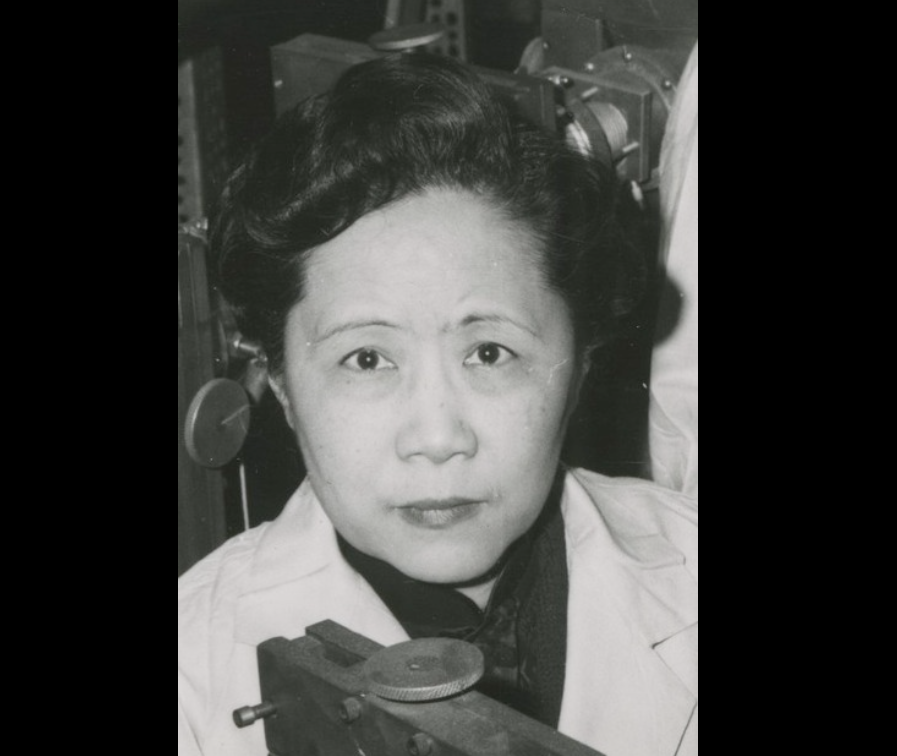
Wu made key contributions to nuclear physics, including experiments proving parity violation. Her work validated fundamental aspects of particle physics, yet recognition was often limited during her lifetime. Wu’s achievements highlight the role of experimental rigor in shaping theory.
Dorothy Hodgkin
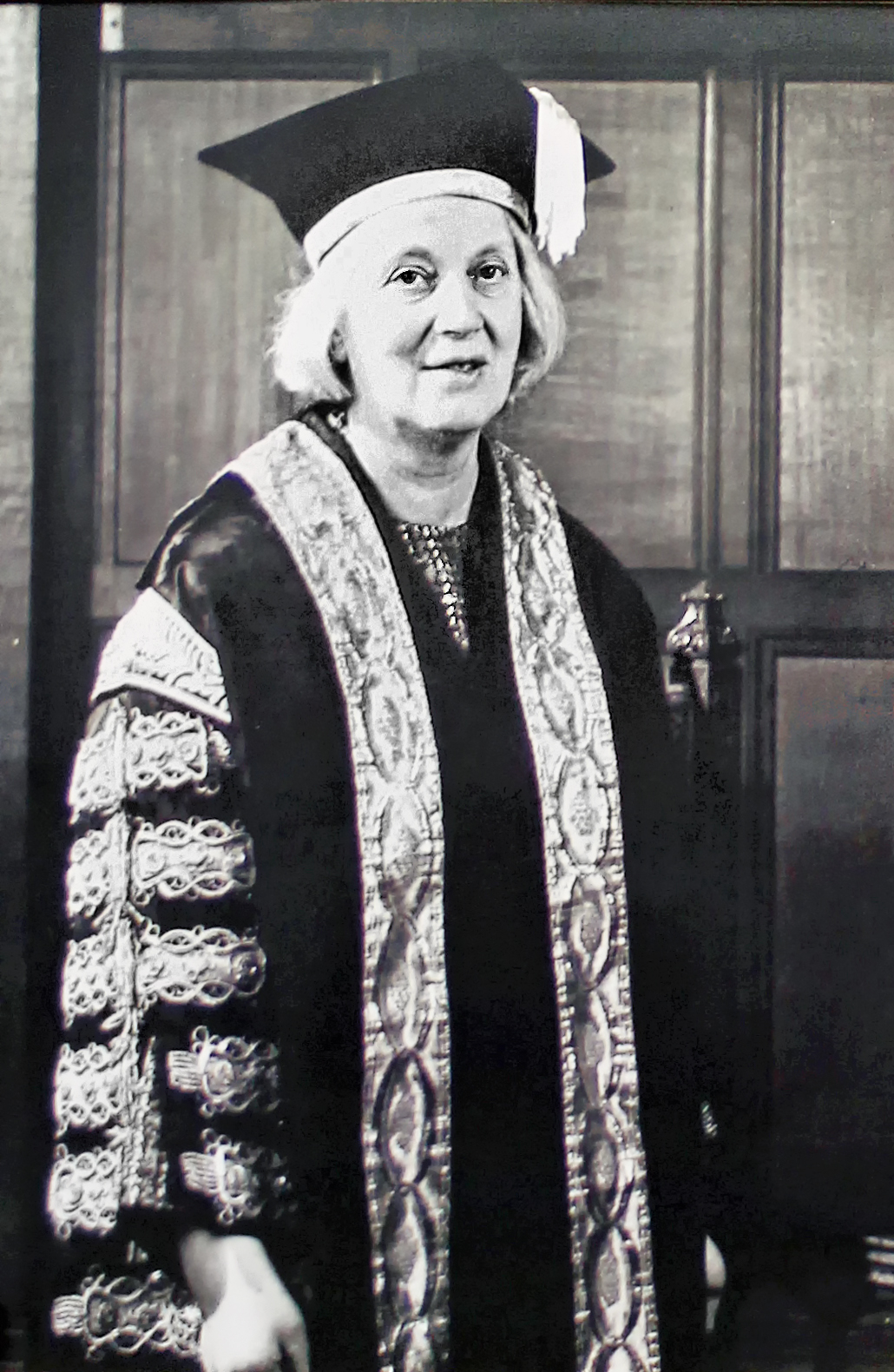
Hodgkin’s work in crystallography earned her a Nobel Prize and elucidated the structures of vital biomolecules like insulin. Her research combined chemistry, physics, and biology to advance medicine. Hodgkin’s interdisciplinary approach remains influential in modern structural biology.
Mae Jemison
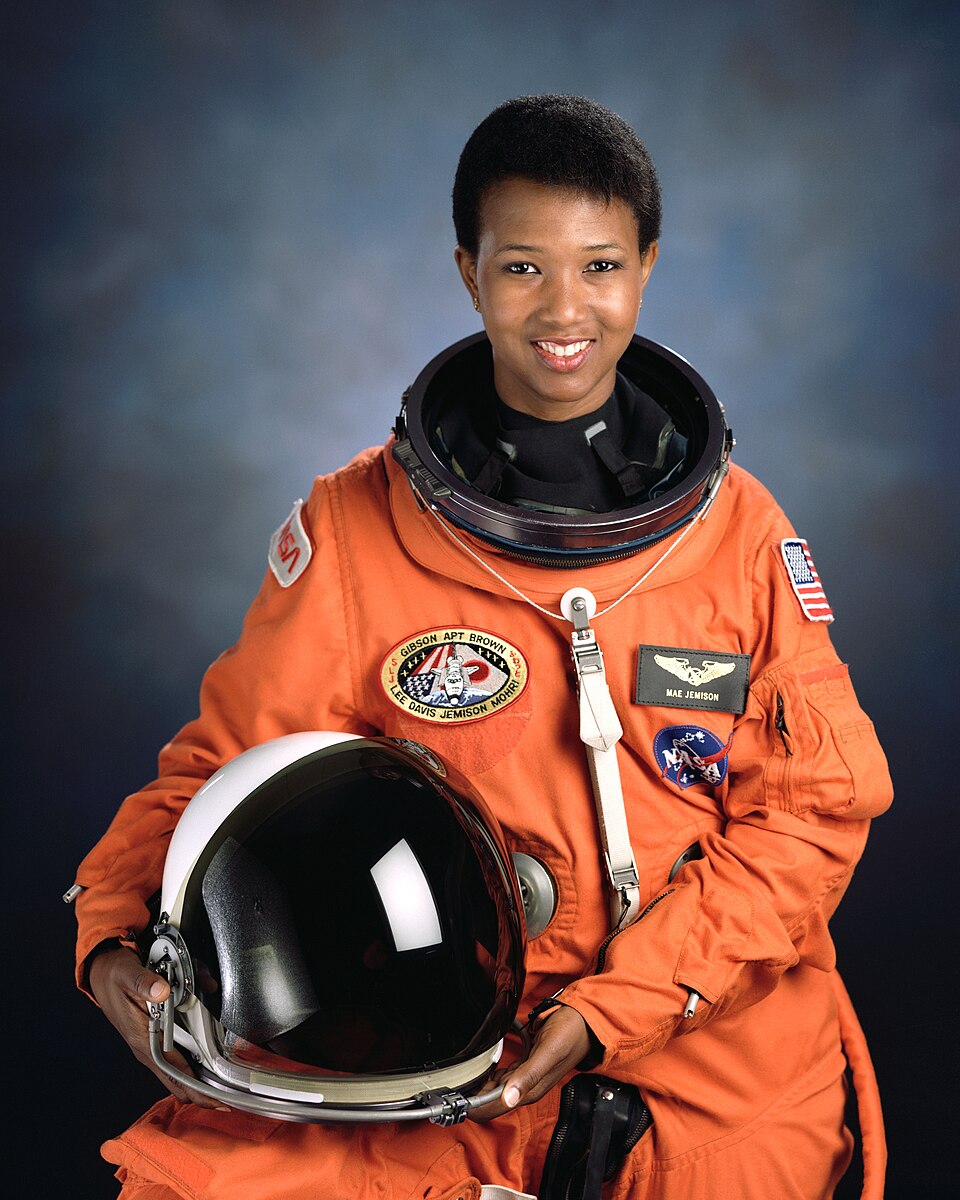
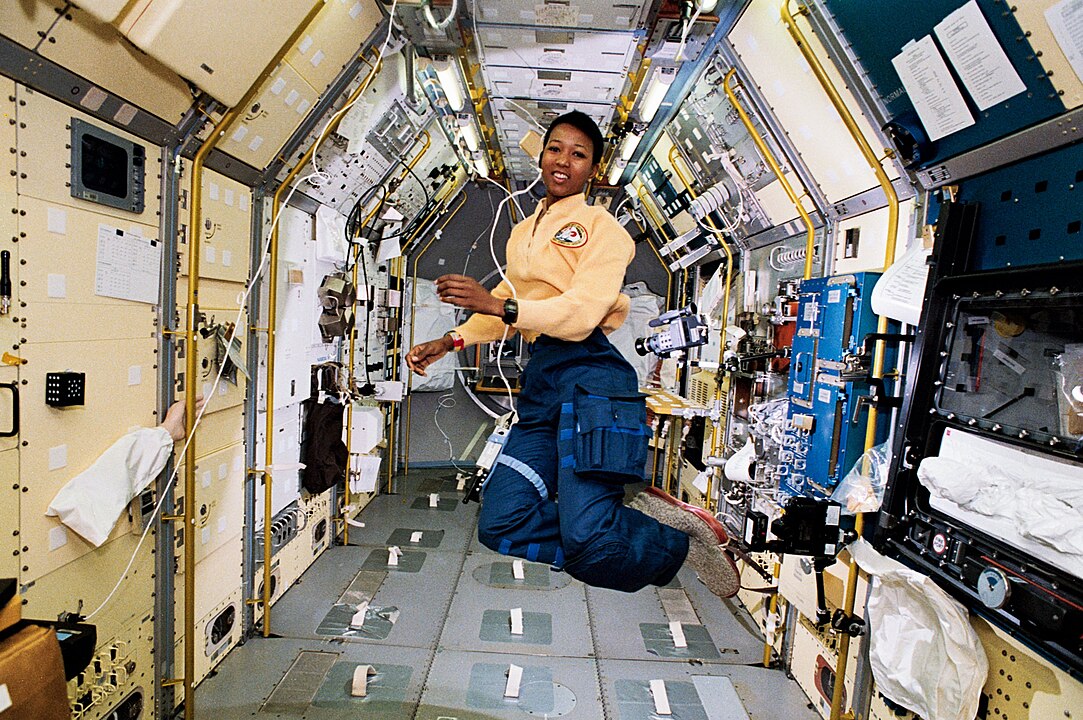
Jemison became the first African American woman in space, blending medicine and engineering in her career. Her work on the Space Shuttle broadened opportunities for women and minorities in STEM. Jemison embodies the combination of exploration, curiosity, and social impact.