The 1990s were a decade of contradictions in fashion: minimalism met maximalism, grunge met glam, and practicality met pure spectacle. Some trends from this era remain iconic, while others make us look back and wonder, “What were they thinking?” From oversized everything to chokers and platform shoes, 90s fashion was bold, experimental, and sometimes baffling. The decade was defined by an embrace of individuality, yet many trends were mass-marketed and ubiquitous, making it hard to escape certain questionable styles.
Celebrities, music videos, and teen TV shows drove fashion choices that often seemed ahead of, or completely out of, time. While some trends were revolutionary in self-expression, others now feel like questionable fashion missteps frozen in history. Yet it’s this mix of daring experimentation and over-the-top aesthetics that makes the 90s so fascinating to revisit.
Let’s explore ten 90s fashion trends that left us scratching our heads, while still inspiring nostalgia for the era of playful, audacious style.
Baggy Jeans
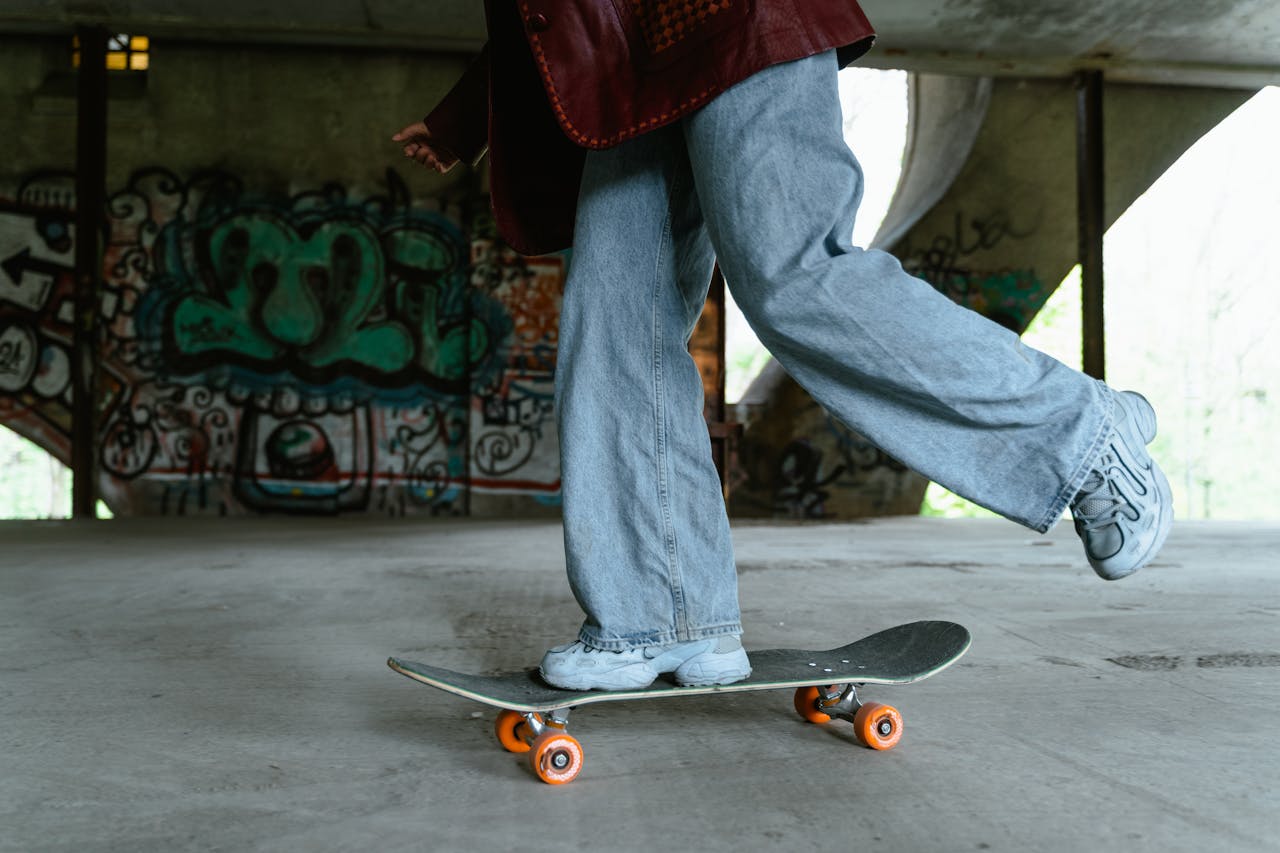
Baggy jeans dominated the 90s wardrobe, worn by everyone from hip-hop artists to skate kids, and sometimes paired with sneakers so bulky they could double as small boats. These jeans often hung several inches below the waistline, requiring oversized belts or drawstrings to avoid a literal wardrobe malfunction. The trend was partly a rebellion against tight 80s denim, but now it’s hard not to wonder how people navigated sitting, driving, or bending without tripping over all that fabric.
Baggy jeans also became a symbol of urban streetwear, representing freedom and comfort over conventional style. Some models were so large that they needed reinforcement or layering to hold their shape, creating a strange paradox of being simultaneously casual and engineered. Pop culture cemented the look, with rappers like Tupac Shakur and groups like Salt-N-Pepa turning sagging denim into a statement.
Even sitcom characters and teen idols embraced baggy jeans, normalizing a silhouette that might have been impractical but undeniably bold. Today, the trend occasionally resurfaces in “retro streetwear,” reminding us that oversized fashion has a way of coming full circle.
Chokers
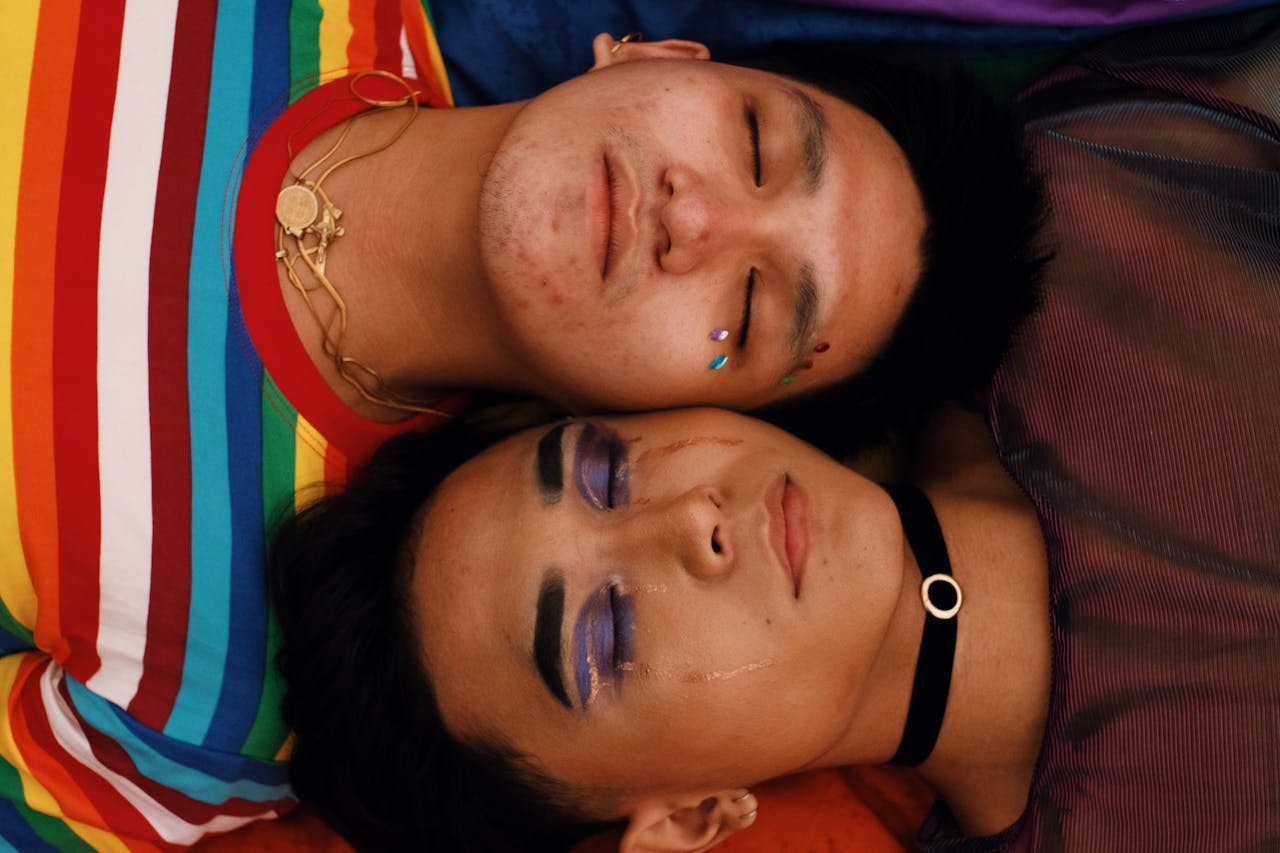
Chokers were perhaps the 90s’ most ubiquitous accessory, ranging from velvet bands to plastic tattoo-style loops, hugging the neck in ways that were simultaneously edgy and oddly constricting. These necklaces often came in packs of multiple colors, prompting teens to stack them like bracelets around their necks.
Chokers were worn everywhere, from school hallways to red carpets, and often paired with crop tops or slip dresses for maximum 90s effect. The trend was influenced by grunge culture, goth aesthetics, and mainstream pop icons, making it a flexible yet distinctive fashion statement. Some chokers even included charms, studs, or plastic rings, blurring the line between jewelry and costume accessory.
Wearing a choker could instantly transform an outfit, but it also raised questions about comfort versus style, particularly for younger fashion enthusiasts. Pop stars like Christina Aguilera and Drew Barrymore made chokers seem effortlessly cool, cementing their place in the decade’s aesthetic. Today, chokers are occasionally revived in boutique collections, though the nostalgia factor often overshadows the original intensity of the trend.
Platform Shoes
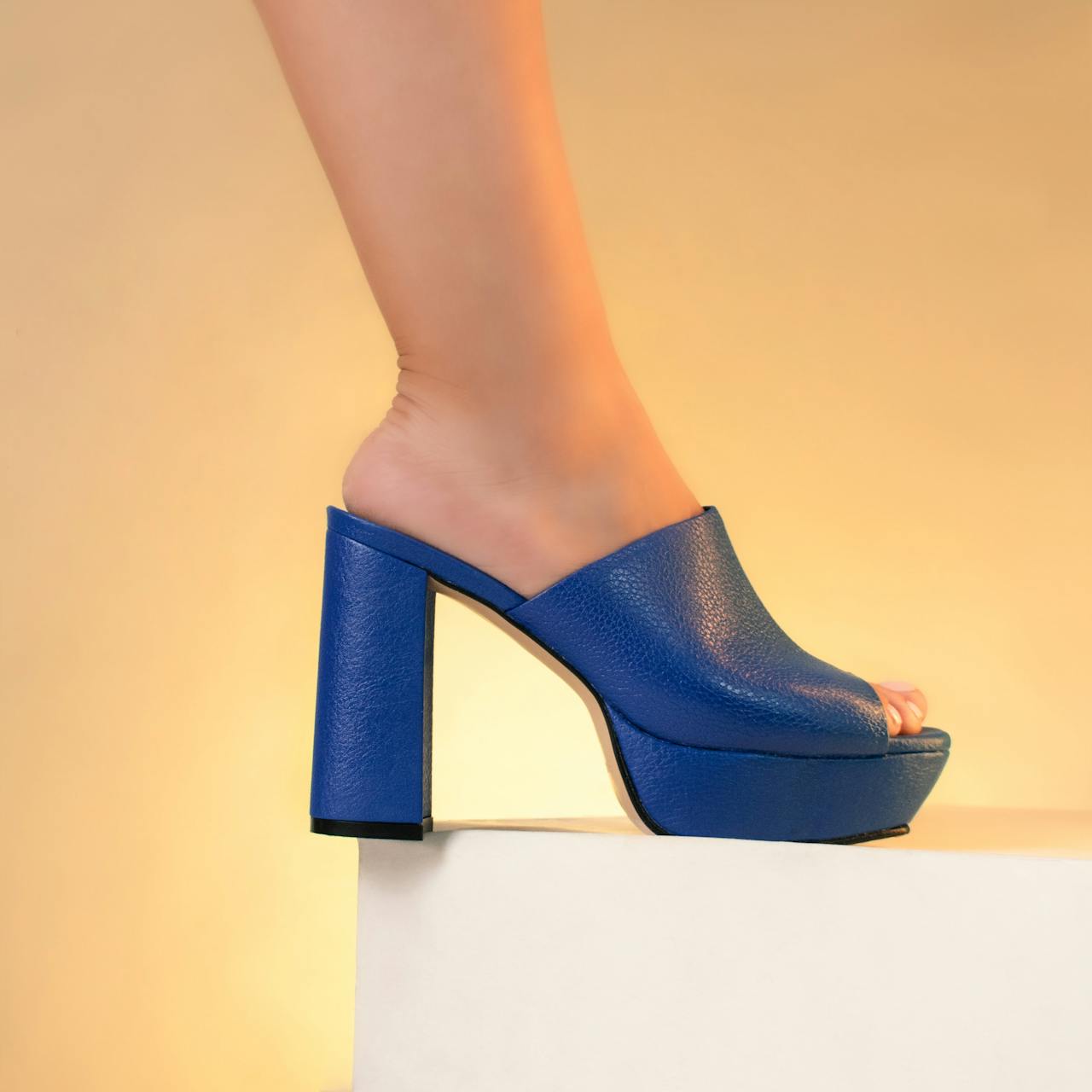
Platform shoes were everywhere in the 90s, from towering heels to chunky sneakers, making wearers feel taller, bolder, and sometimes dangerously unstable. Spice Girls popularized the extreme version, turning every concert and music video into a spectacle of clunky glam. These shoes weren’t just fashion statements; they were performances, combining height, attitude, and sometimes questionable ergonomics.
Platform boots and sandals were paired with everything from mini skirts to flared jeans, creating absurdly elongated silhouettes. Teenagers and adults alike seemed to embrace the trade-off between comfort and instability, suggesting that style often won over practicality. Some platforms included neon accents or glitter, amplifying the visual impact to almost comical levels.
The trend reflected the era’s willingness to experiment with scale and proportion in fashion, even if the end result looked somewhat precarious. In retrospect, the 90s obsession with platform shoes makes us wonder how anyone managed to walk down the street without a stumble.
Overalls
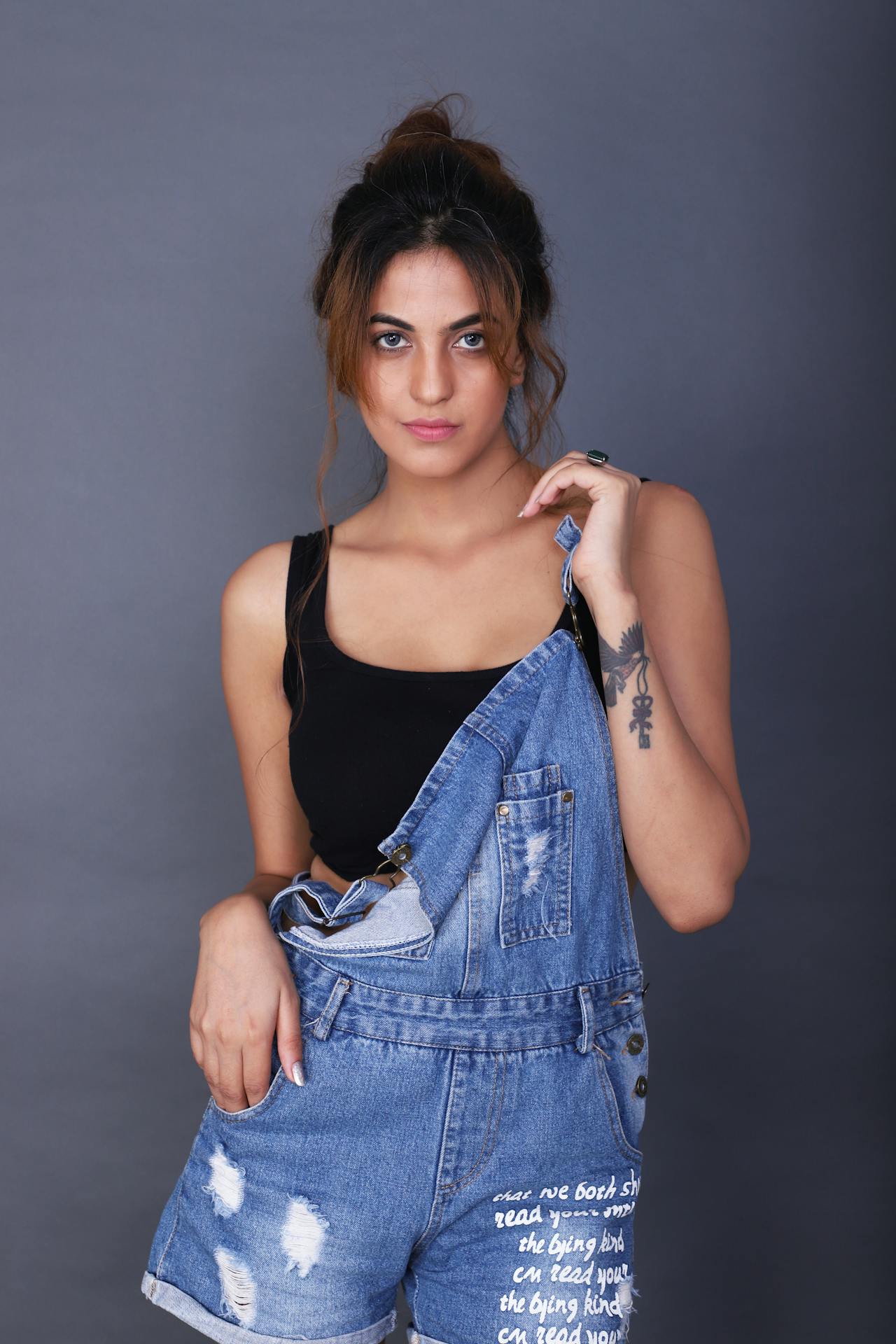
Overalls were worn tight, baggy, or cropped, depending on the vibe, and often paired with a single strap undone for maximum casual flair. The denim version was most iconic, but colorful corduroy and patterned fabrics also appeared, turning a utilitarian garment into a fashion statement. Overalls were favored by teens, celebrities, and even adults seeking comfort and practicality without sacrificing style.
They were often layered over t-shirts, tank tops, or even sweaters, creating looks that could be sporty, playful, or downright quirky. Cartoon characters, music videos, and TV sitcoms helped normalize this trend, making it nearly impossible to escape in youth culture. Some fashion enthusiasts accessorized with pins, patches, or glitter, taking a traditionally functional item and elevating it to personal expression.
The trend also had a nostalgic, almost whimsical quality, linking childhood uniforms to teenage rebellion. Looking back, overalls seem both practical and over-the-top, a perfect encapsulation of 90s fashion experimentation.
Slip Dresses
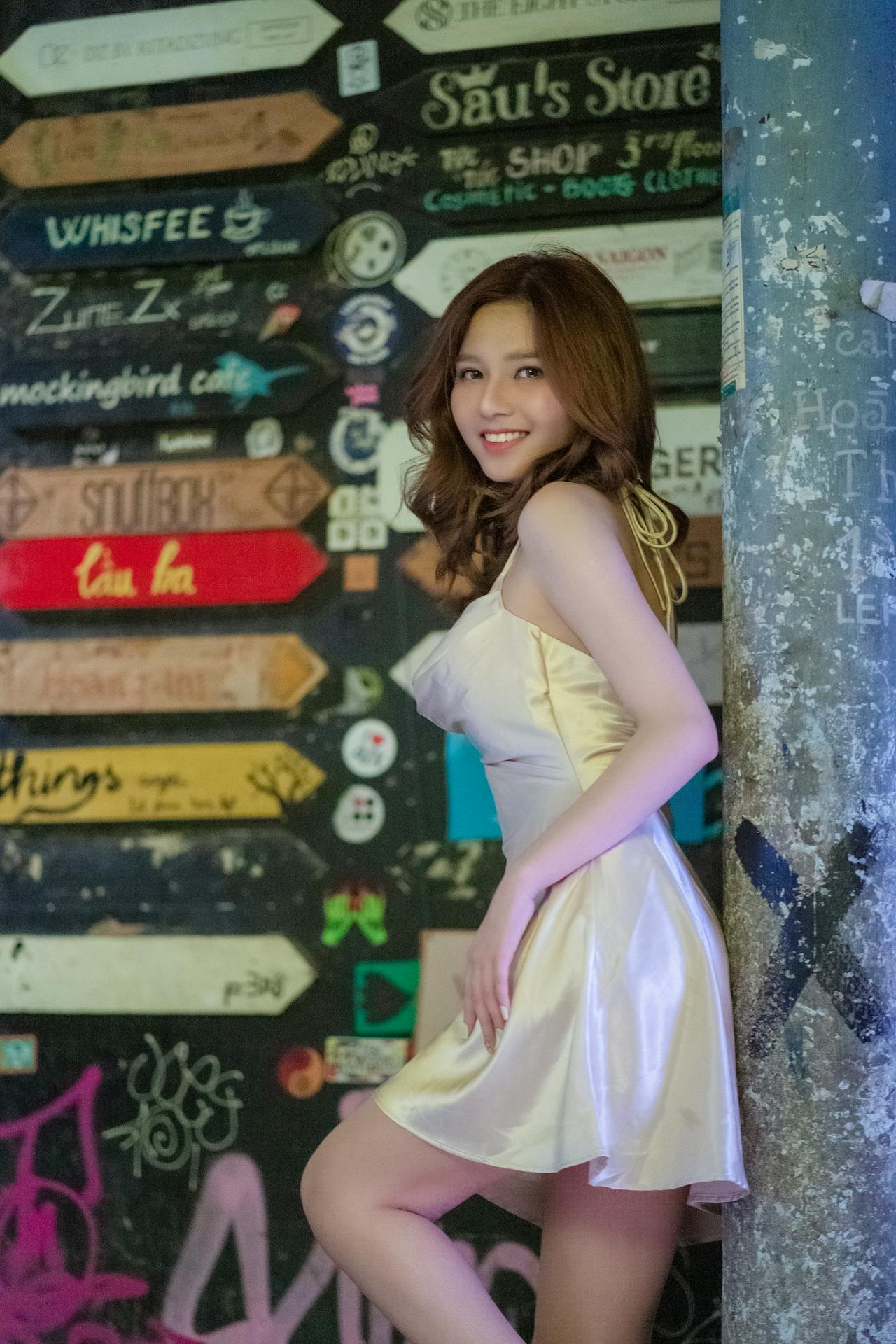
Slip dresses were the epitome of 90s minimalist chic, often crafted from satin or silk, and worn over t-shirts or on their own for a sultry, effortless look. Celebrities like Kate Moss and Winona Ryder turned slip dresses into symbols of grunge-glam hybrid style. The dresses could be both casual and elegant, depending on how they were accessorized, making them versatile yet slightly confusing in their intended use.
They often hugged the body closely, leaving little to the imagination, while simultaneously embracing understated design elements like spaghetti straps or lace trim. The trend blurred lines between lingerie and outerwear, raising eyebrows and influencing decades of fashion experimentation. Slip dresses were frequently paired with chokers, platform shoes, or flannels tied around the waist, amplifying their 90s character.
The simplicity of the design belied the strong visual statement it made on the streets, runways, and red carpets. Today, the slip dress has returned in fashion cycles, but few trends manage to feel as simultaneously daring and delicate as this 90s staple.
Scrunchies
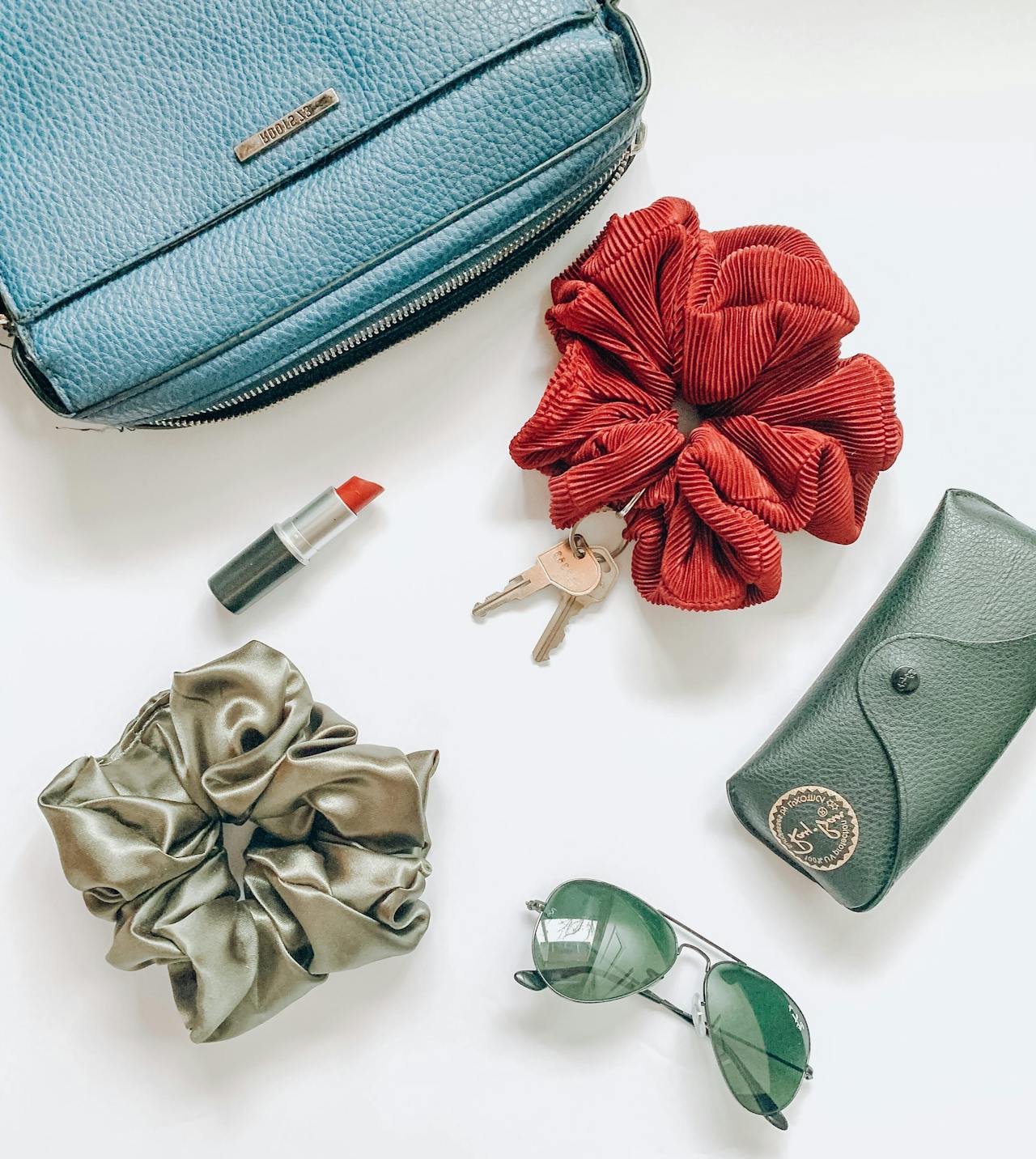
Scrunchies were the ultimate 90s hair accessory, soft, fabric-covered elastic bands that added a pop of color and volume to ponytails, buns, and half-up styles. They were everywhere, on wrists, backpacks, and in pockets—serving as both functional tools and fashion statements. Celebrities, cartoons, and teen TV shows made scrunchies ubiquitous, signaling both trendiness and playful femininity.
Unlike regular hair ties, scrunchies were often intentionally oversized, creating dramatic loops or puffs that drew attention. They came in every imaginable color, pattern, and material, allowing for maximum personalization. Despite their cuteness, scrunchies sometimes looked excessive or mismatched, making them a source of both nostalgia and gentle ridicule.
Parents often purchased packs for practicality, unaware that their kids were turning them into must-have accessories. Today, scrunchies are back in boutique stores, proving that even the most playful, seemingly trivial trends can endure.
Flannel Shirts
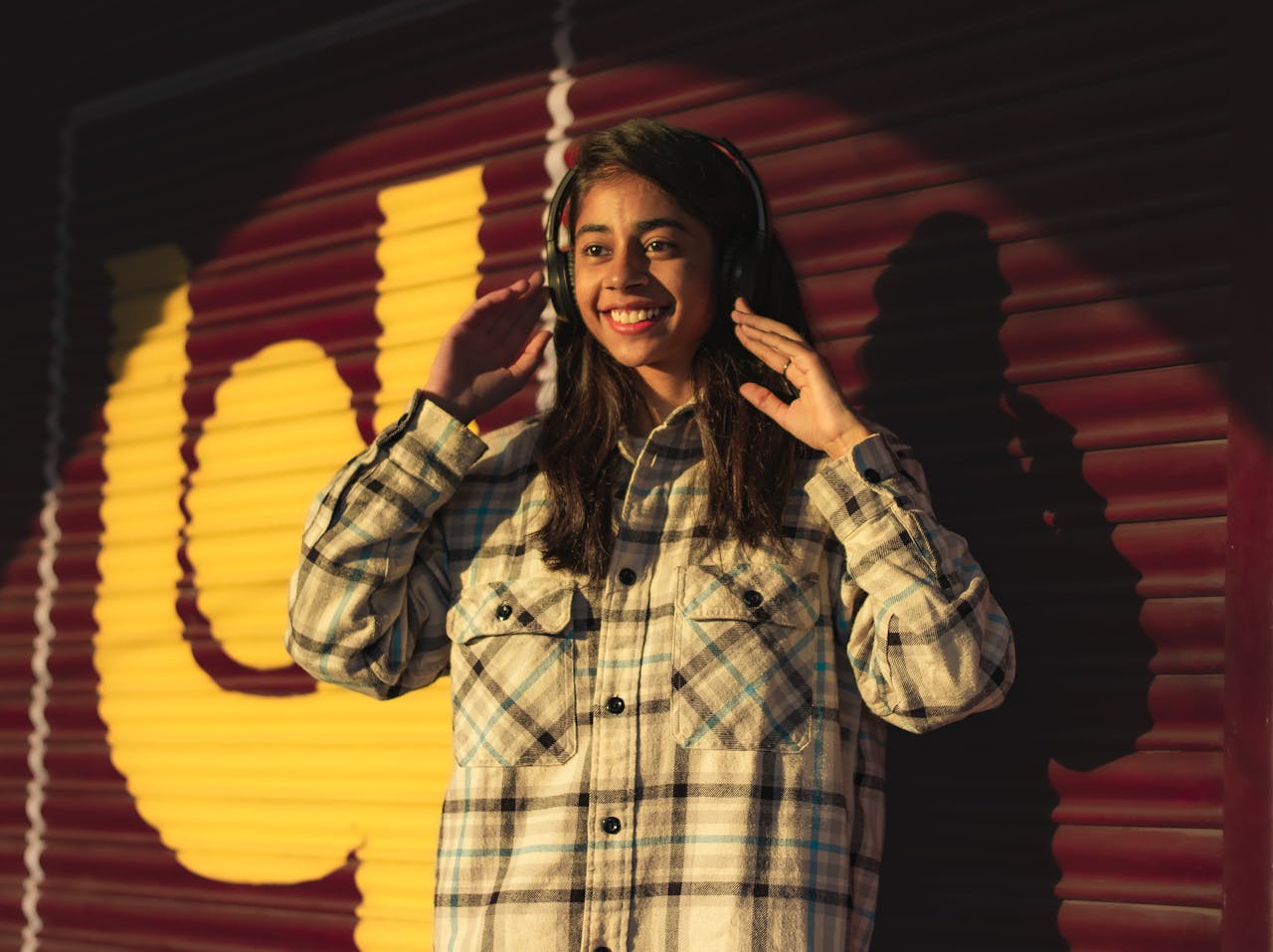
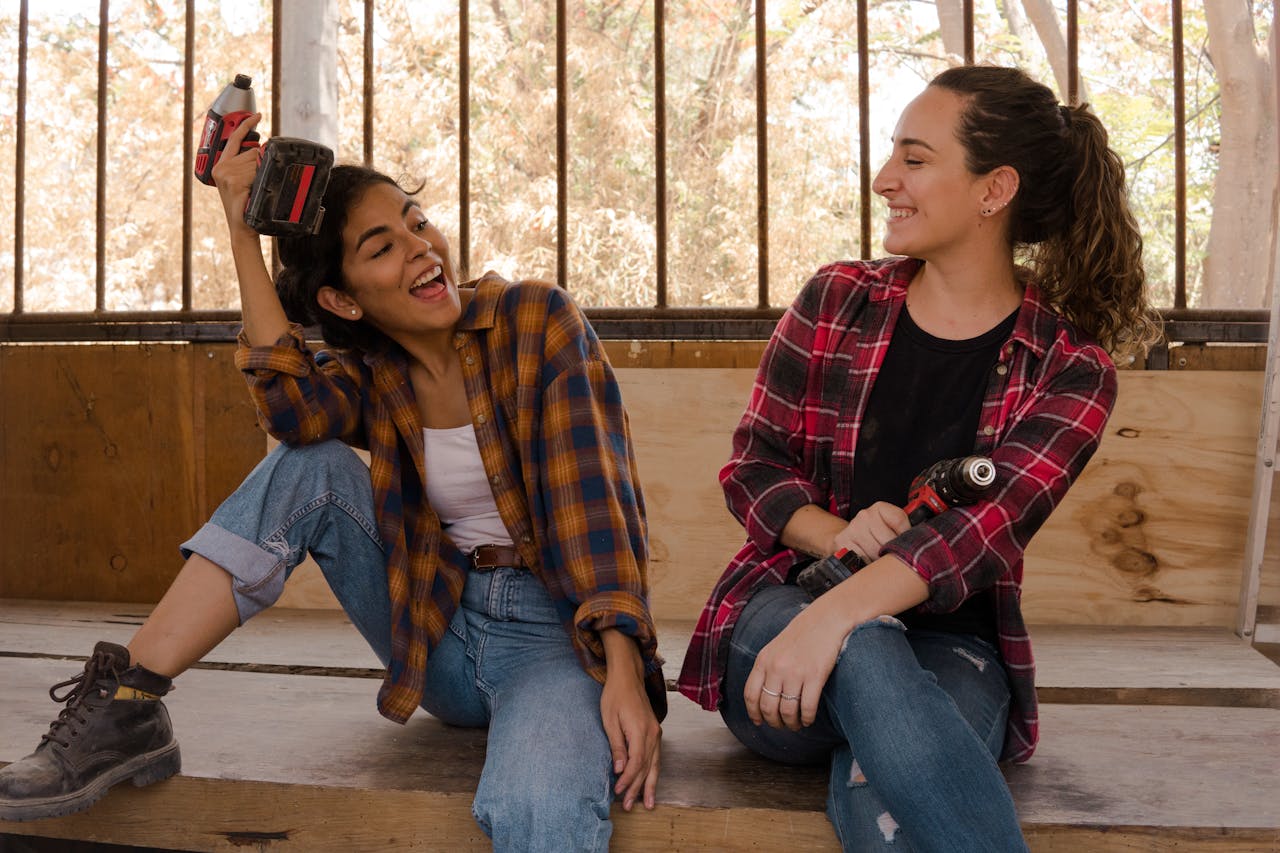
Flannel shirts were central to the 90s grunge look, often worn oversized, layered, and intentionally unbuttoned. Popularized by bands like Nirvana and Pearl Jam, flannel became a symbol of rebellion against mainstream fashion. Plaid patterns in red, green, or muted tones were ubiquitous, creating a slightly sloppy but effortlessly cool aesthetic.
Flannels were paired with ripped jeans, combat boots, or even slip dresses for contrasting textures, highlighting the era’s experimental layering. The shirts could be wrapped around the waist or tied at the elbows, providing versatile styling options that were both practical and stylish. Some teens embraced flannel as a statement of anti-fashion, rejecting bright, polished trends of the 80s.
Retailers quickly commercialized the look, making it accessible to everyone, which ironically diluted its rebellious edge. Looking back, flannel shirts perfectly capture the 90s’ tension between comfort, practicality, and street-level attitude.
Denim on Denim
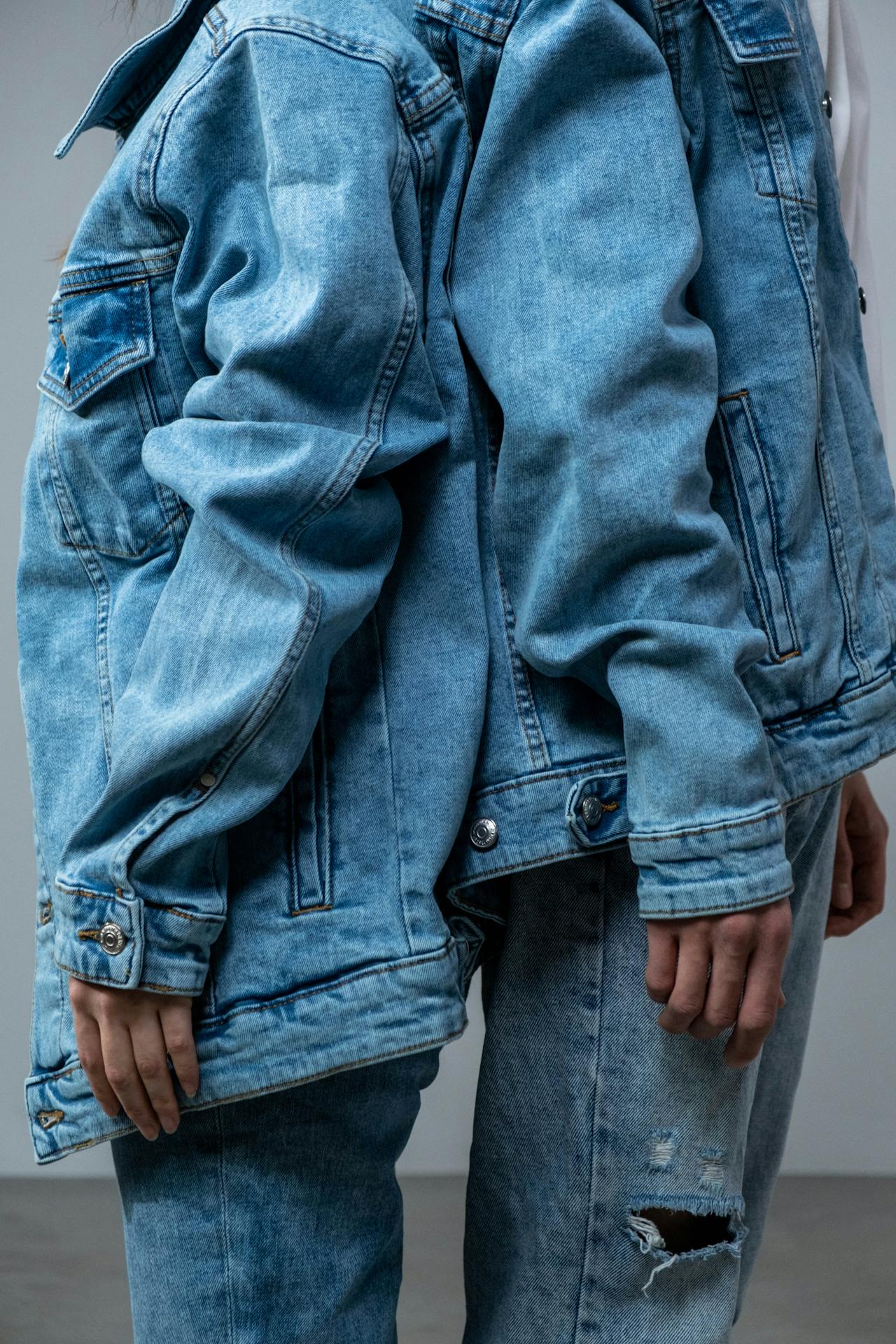
Denim on denim was a bold 90s statement that combined jackets, jeans, skirts, or shorts in matching, or sometimes clashing, washes. The trend blurred boundaries between casual and overdone, often creating head-to-toe blue outfits that demanded attention.
Celebrities like Britney Spears and Justin Timberlake brought the trend into pop culture, making it aspirational despite its questionable taste. Layering different textures or washes allowed for experimentation, though some combinations looked accidental rather than intentional. Denim became both fabric and fashion symbol, representing durability and youthful rebellion simultaneously. Accessories like bandanas, belts, and boots completed the look, adding even more elements to coordinate.
The style was both practical and visually confusing, forcing observers to question how anyone managed to balance aesthetics with proportion. Today, denim on denim occasionally resurfaces in fashion cycles, proving that even the most polarizing trends can be revisited creatively.
Bucket Hats
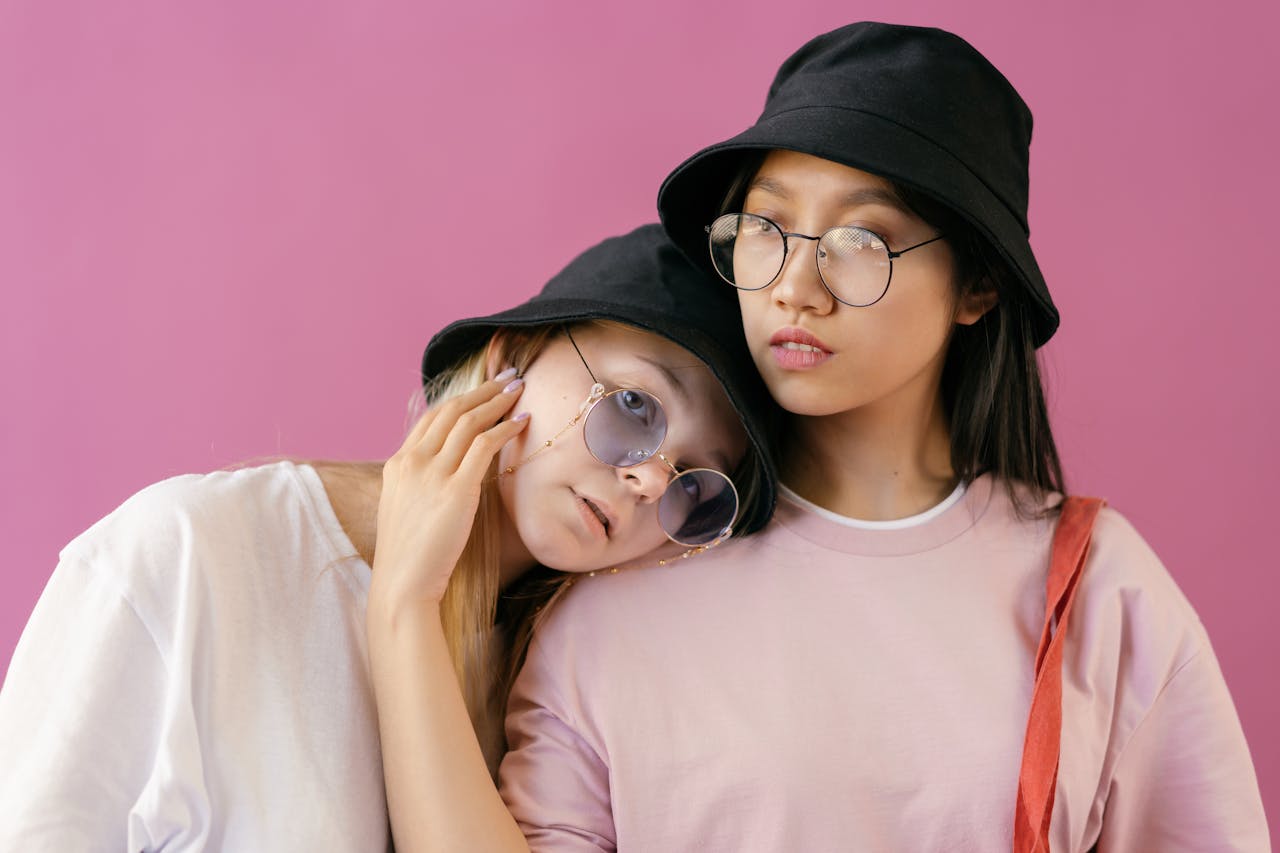
Bucket hats were the 90s’ go-to accessory for both streetwear and casual wear, often in bold prints, corduroy, or denim. They offered sun protection while making a strong style statement, combining practicality with playful flair. Hip-hop artists and skaters popularized the look, giving it credibility in both music and youth culture. The hats were often worn slightly tilted or low over the eyes, adding an air of nonchalance and attitude.
Some designs included logos, embroidery, or bright color blocking, reflecting the decade’s love of maximalist accents. Paired with oversized jackets or baggy jeans, bucket hats contributed to a full 90s silhouette of exaggerated proportions.
Despite their appeal, the hats sometimes looked impractical or goofy, raising questions about why they were so widely embraced. Today, bucket hats have made a nostalgic comeback, cementing their status as an enduring quirky staple.
Frosted Lipstick
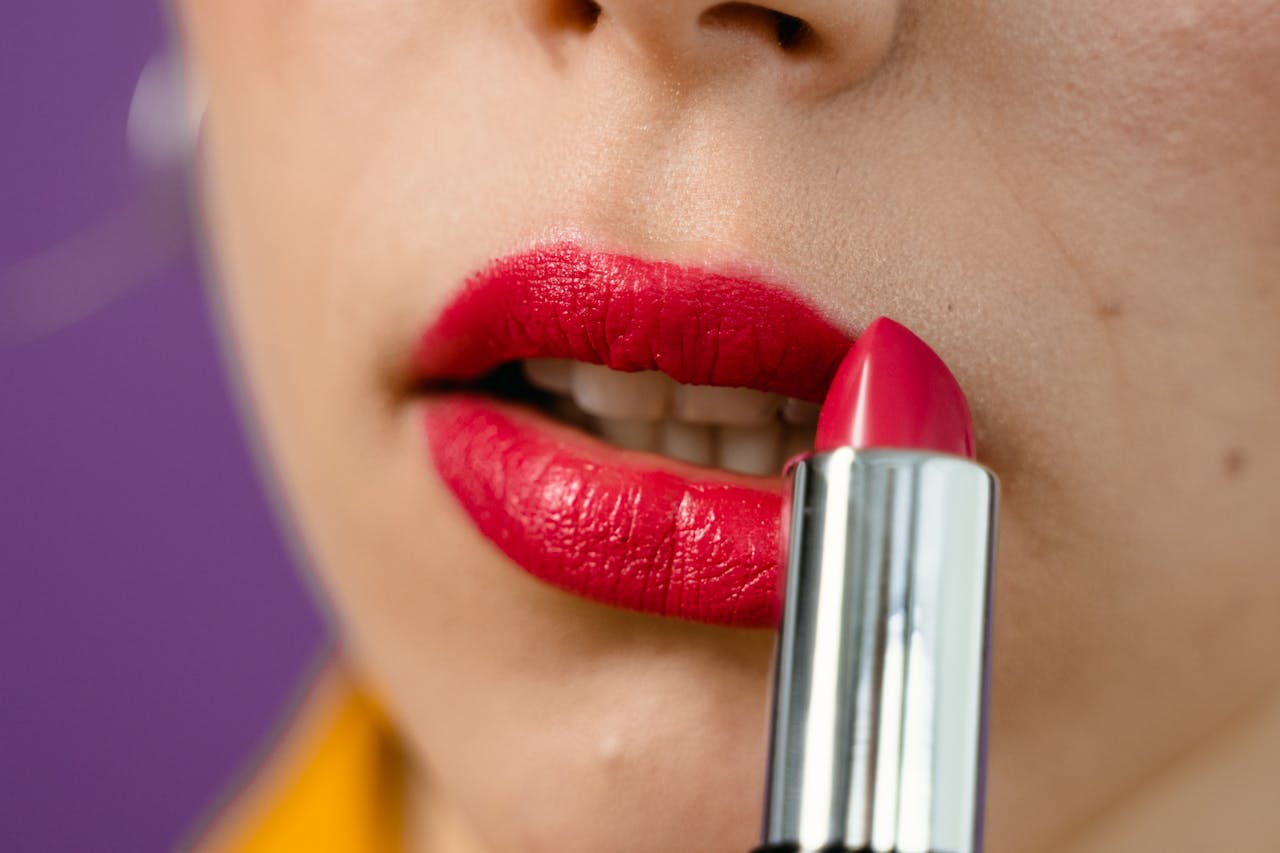
Frosted lipstick defined 90s beauty trends, offering metallic, shimmery finishes that ranged from pale pinks to lavender and silver tones. The look complemented crop tops, chokers, and slip dresses, creating a cohesive “glam meets grunge” aesthetic.
Makeup tutorials and celebrity appearances reinforced the trend, making frosted lips a symbol of both teenage experimentation and red carpet boldness. The high-shine finish contrasted sharply with matte or natural looks, ensuring that the wearer’s lips stood out dramatically. Frosted lipstick often required layering and careful application to avoid patchiness, making it a slightly high-maintenance statement.
The trend faded as lip glosses and matte formulas gained popularity in the late 90s, but it remains emblematic of the decade’s love of theatrical yet playful beauty. Some shades were difficult to pull off, sparking discussions about whether anyone could truly make them work. Looking back, frosted lipstick is a perfect example of the 90s’ willingness to embrace fun, daring, and slightly impractical style choices.