In the age of smartphones, snapping photos everywhere feels second nature. Yet, some destinations strictly limit or completely ban photography to preserve their beauty, protect sacred traditions, or safeguard delicate artifacts. These ten famous places remind visitors that sometimes the best way to experience a moment is without a camera lens.
Sistine Chapel: Vatican City
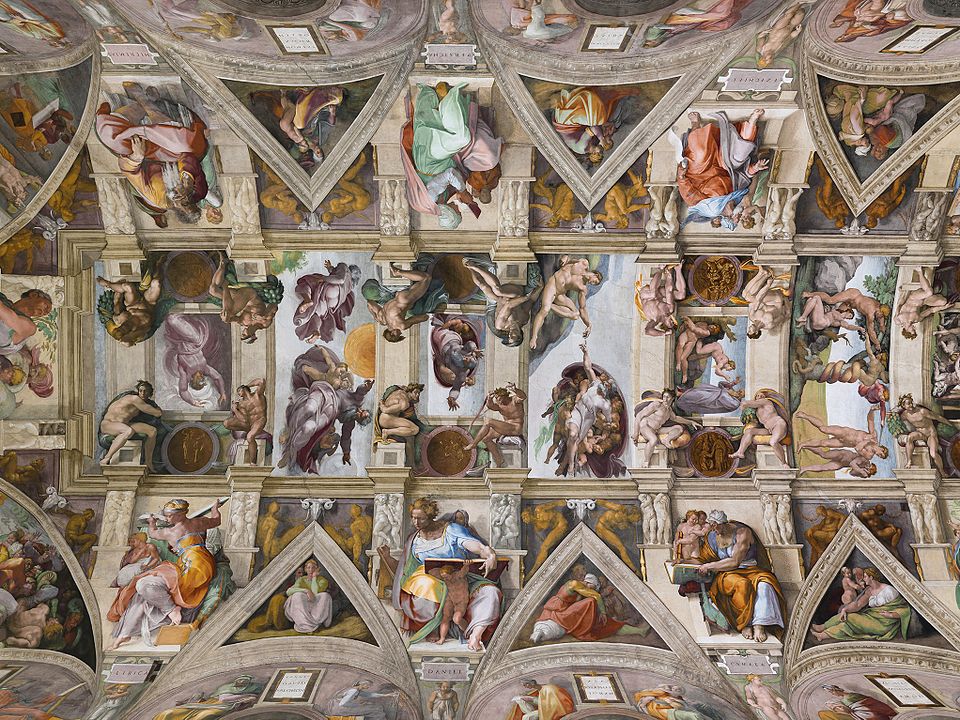
The Sistine Chapel’s breathtaking frescoes by Michelangelo draw millions of visitors each year. However, photography is strictly prohibited inside. This rule helps protect the artwork from light damage and ensures visitors focus on the spiritual and artistic significance rather than capturing a quick shot.
Uluru: Australia
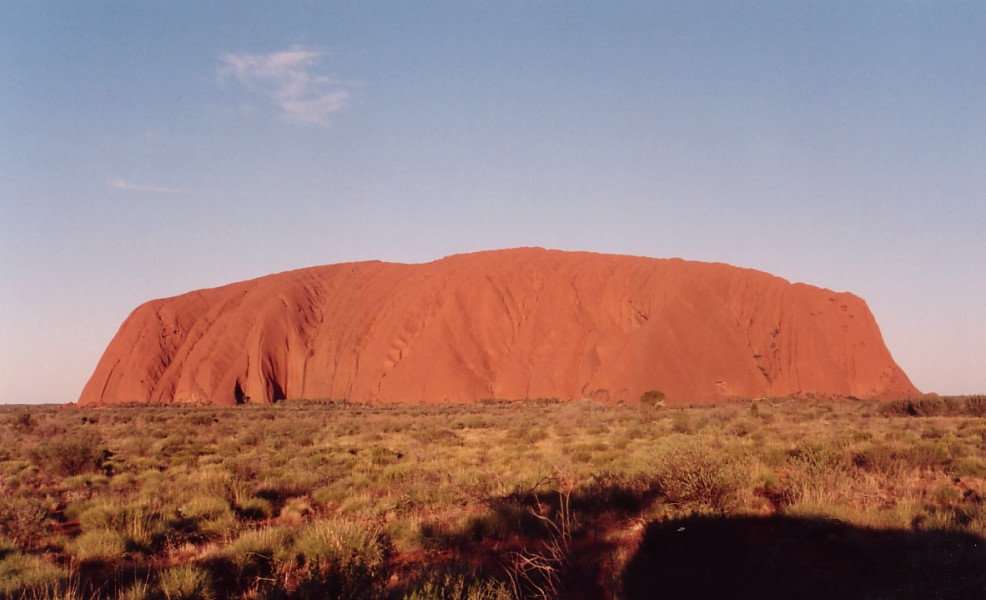
Uluru, the massive sandstone monolith in the Northern Territory, holds deep spiritual significance for the Anangu people. Certain sections are off-limits for photography out of respect for cultural traditions. Visitors are encouraged to appreciate its beauty in person and learn about its cultural importance.
The Valley of the Kings: Egypt
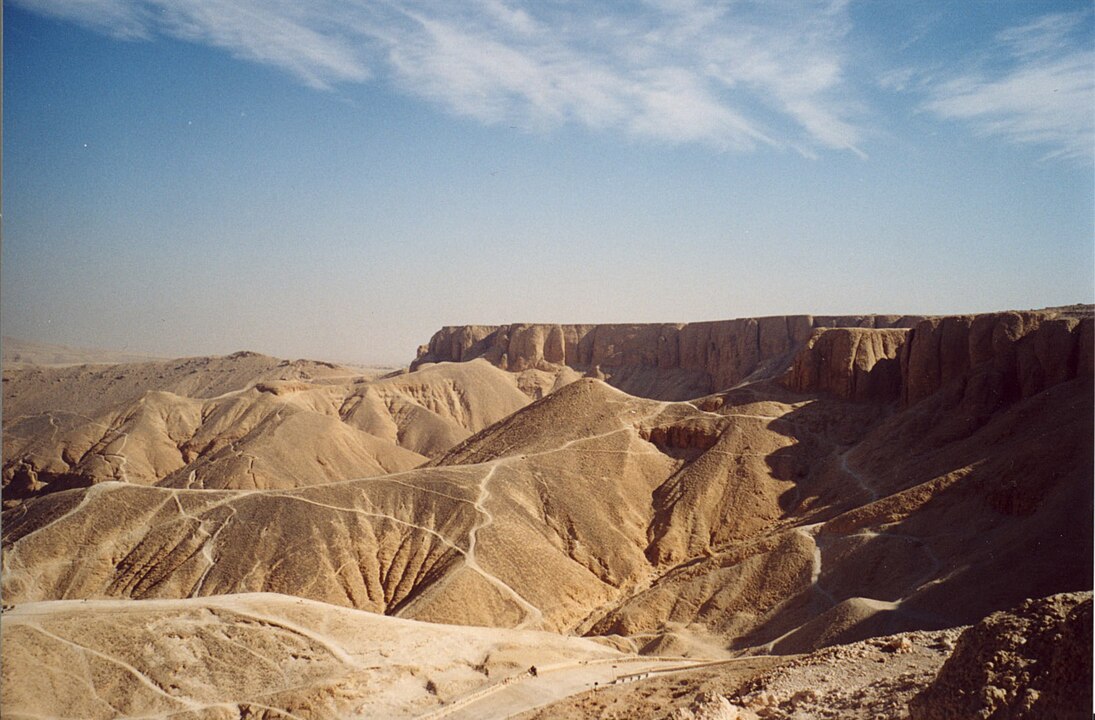
In Egypt’s Valley of the Kings, flash photography is banned to protect the delicate wall paintings inside ancient tombs. Even non-flash photography is often restricted to limit crowding and potential damage. This policy helps preserve these historic treasures for future generations.
The Crown Jewels: London, UK
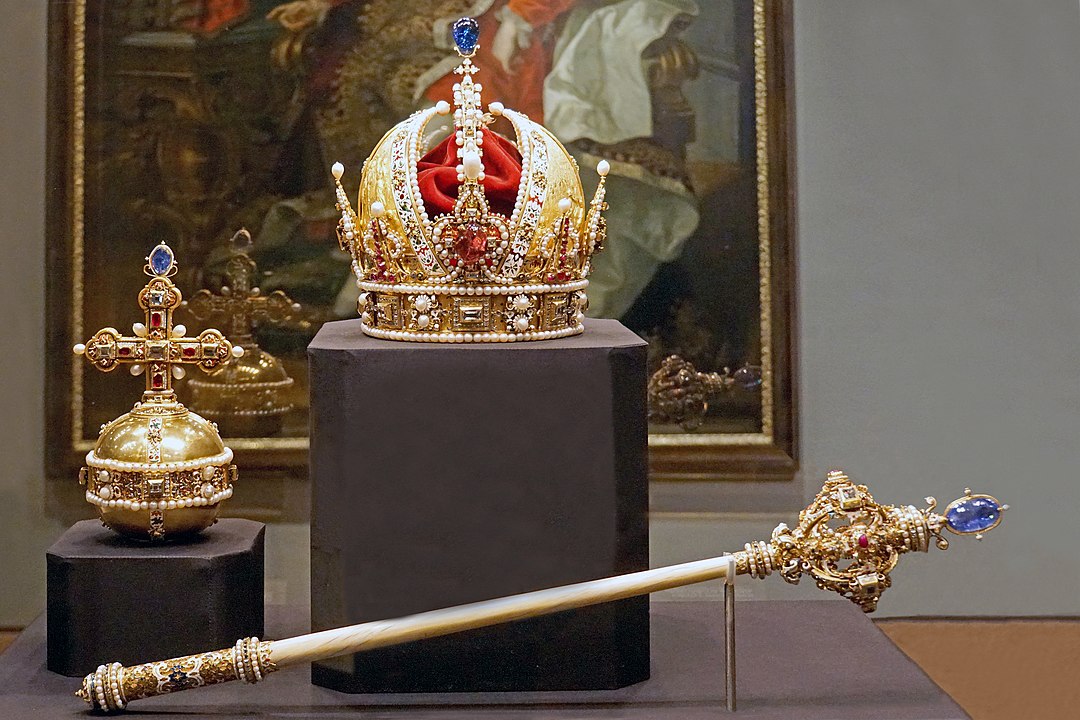
Displayed in the Tower of London, the Crown Jewels are among the most famous treasures in the world. Photography is prohibited to enhance security and ensure a smooth flow of visitors. The jewels’ brilliance is best appreciated in person, without the distraction of cameras.
The Alhambra’s Nasrid Palaces: Spain
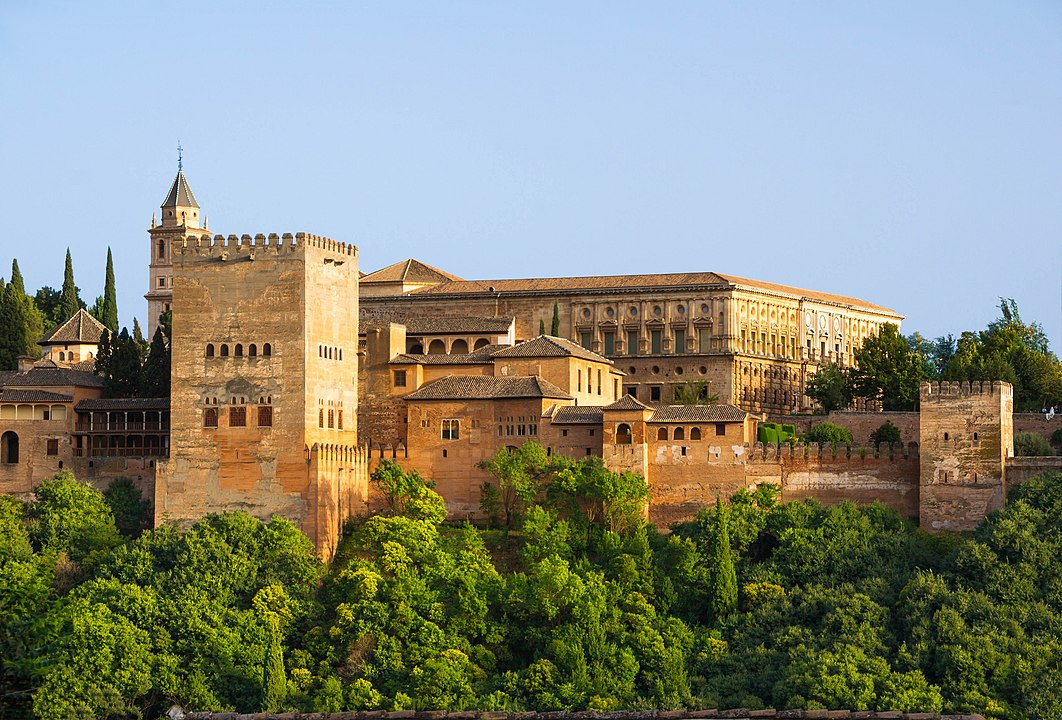
While some areas of the Alhambra allow photography, the intricate Nasrid Palaces have restrictions in certain rooms. The delicate stucco work and historical importance require careful preservation. Visitors are encouraged to immerse themselves in the artistry without focusing on snapshots.
Neuschwanstein Castle Interiors: Germany
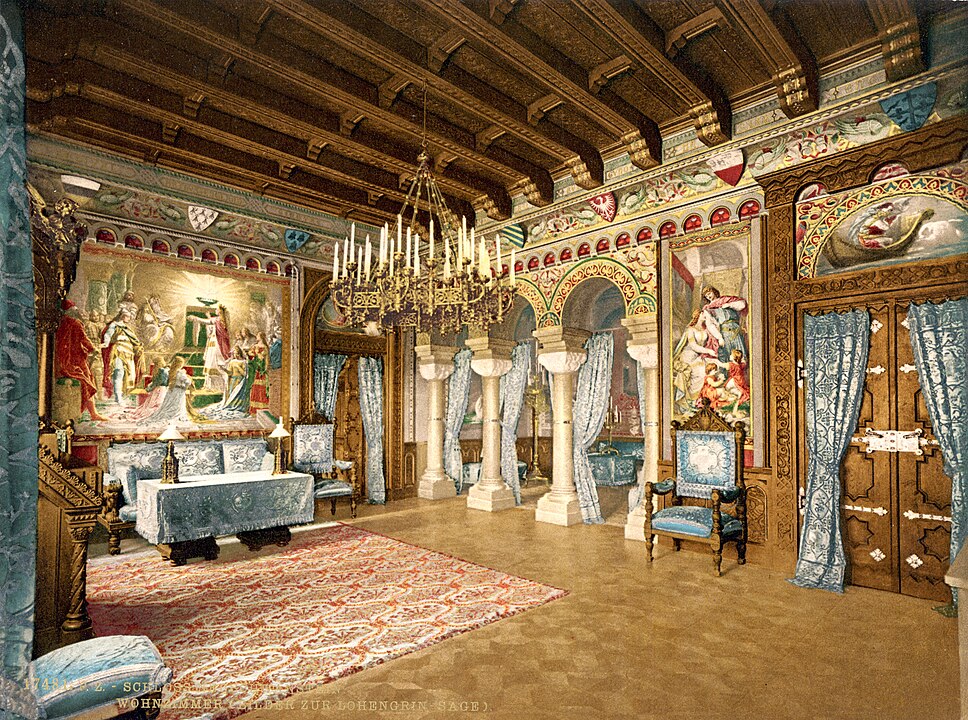
Germany’s fairy-tale Neuschwanstein Castle allows photos of its exterior but bans photography inside. This measure protects fragile furnishings and ensures the tour runs smoothly. The richly decorated rooms are best appreciated during the guided experience.
Taj Mahal Interior: India
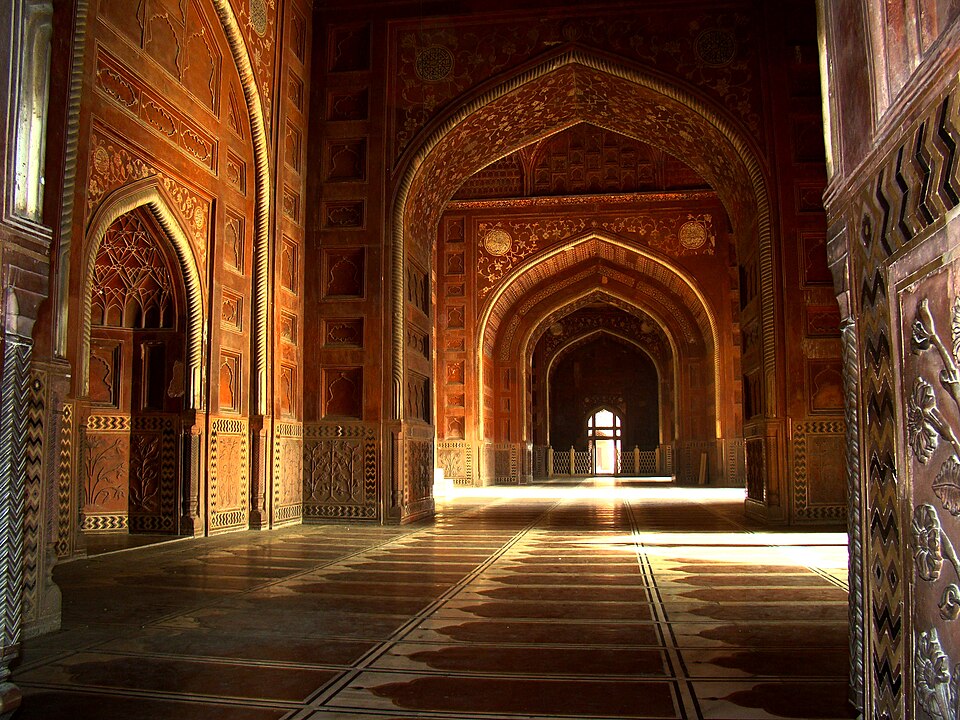
While the exterior of the Taj Mahal is one of the most photographed sights in the world, photography inside the main mausoleum is prohibited. This protects the sanctity of the site and keeps the experience respectful for all visitors.
The Blue Lagoon: Iceland
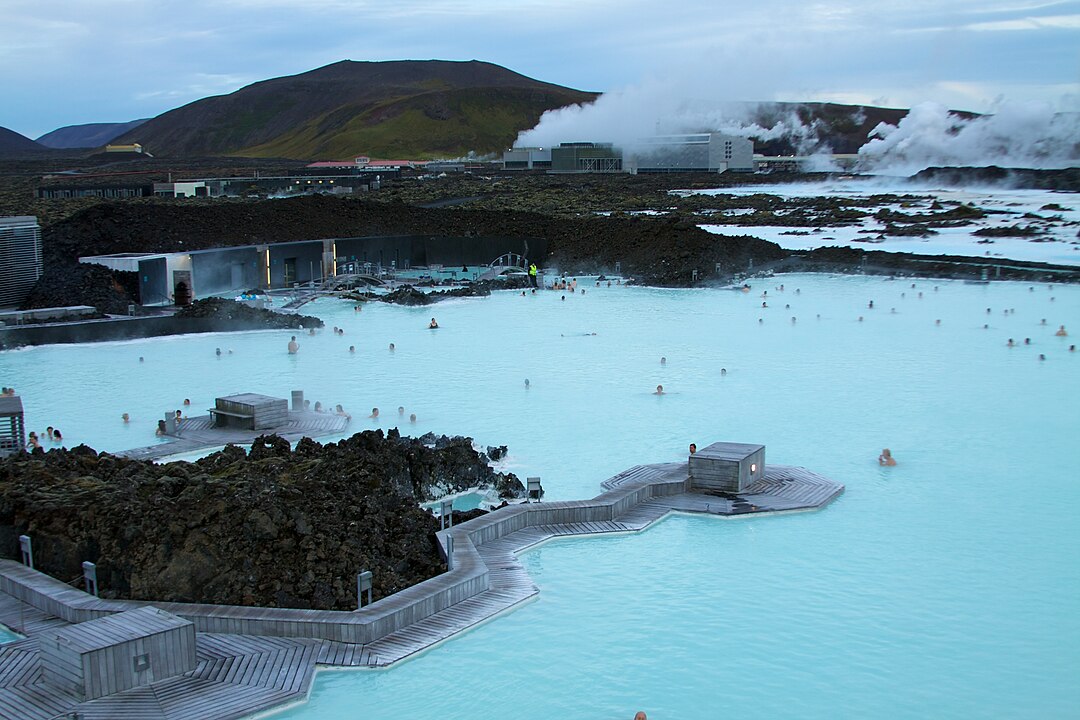
Although general photography is allowed in Iceland’s Blue Lagoon, certain areas have restrictions to protect guest privacy. Staff enforce these rules in spa zones to ensure a relaxing atmosphere for all.
Mecca’s Holy Sites: Saudi Arabia
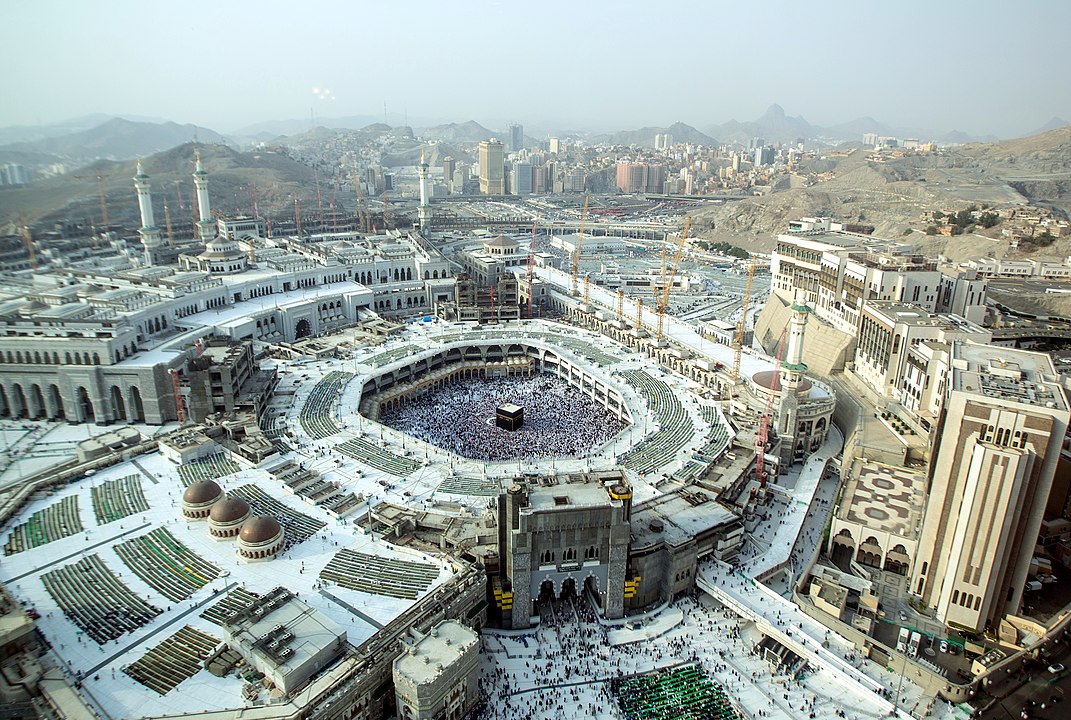
Photography is strictly limited in and around Mecca’s most sacred sites to maintain religious sanctity and security. Pilgrims are encouraged to focus on worship rather than taking pictures.
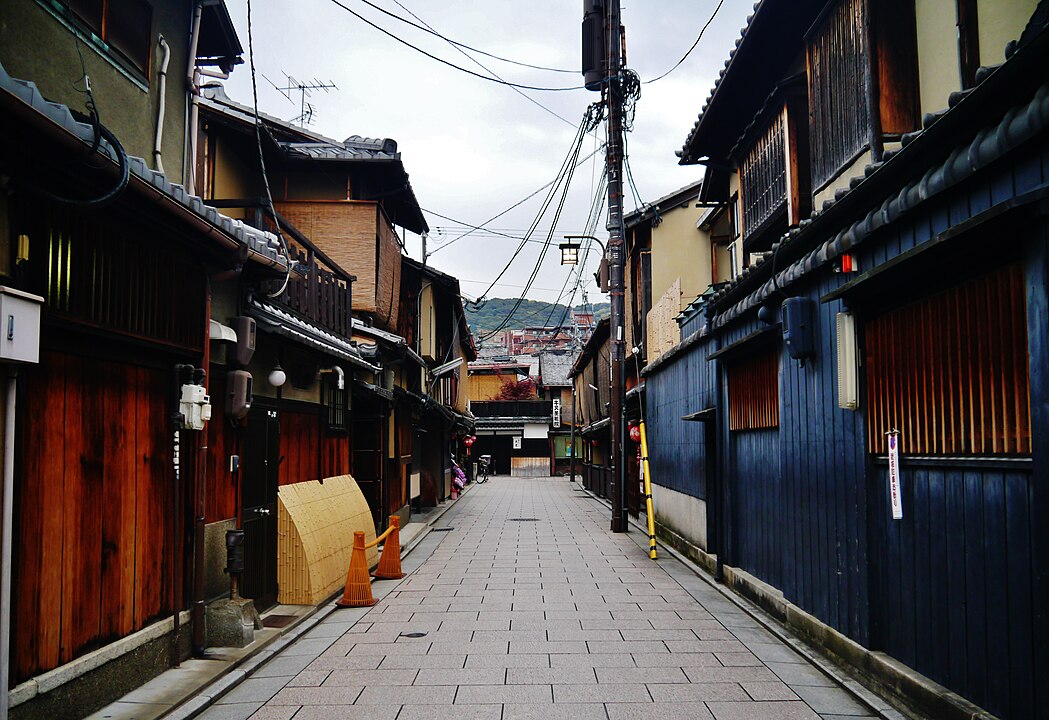
Japan’s Gion District: Kyoto
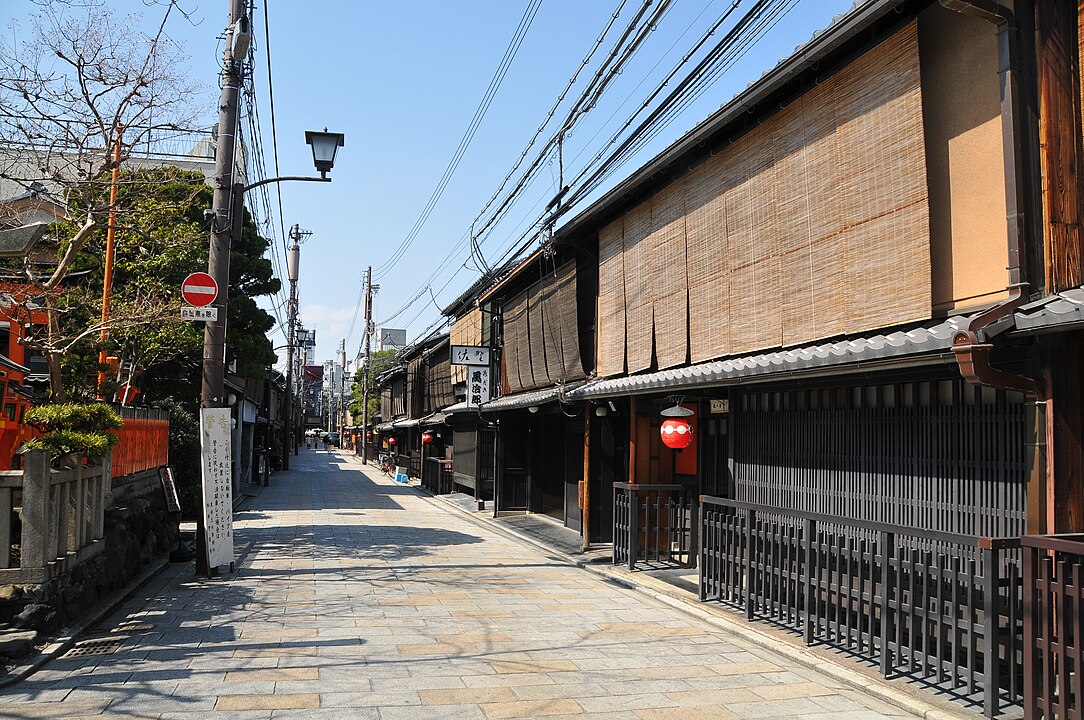
Kyoto’s Gion district has implemented photography bans in certain alleys to protect the privacy of residents and geisha. Signs remind visitors to be respectful while enjoying the historic streets.