The 1800s were filled with jobs that made sense in their time but vanished as technology and society changed. Some of these roles sound strange today, while others highlight how different daily life once was. From helping people light their lamps to carrying water across towns, these occupations were once essential to keeping communities running. Looking back at them gives us a glimpse into a world before modern conveniences and shows how much work went into tasks we barely think about today.
Lamp Lighter

Before electric streetlights, lamp lighters walked the streets at dusk carrying long poles with flames to ignite gas lamps. Each evening they lit rows of lamps that guided travelers safely through the dark, and each morning they returned to extinguish them. It was routine, essential, and often dangerous in bad weather. The spread of electricity made the job obsolete, but lamp lighters remain a romantic symbol of a time when light itself had to be carefully tended.
Town Crier

In an era before mass media, town criers were the voices of public information. Dressed in distinctive clothing, they stood in town squares ringing a bell before loudly announcing news, proclamations, and community updates. People depended on them for information, as literacy rates were low and newspapers weren’t always accessible. As printing expanded and literacy rose, town criers became unnecessary, but their role showed how important live communication was for keeping towns connected.
Leech Collector
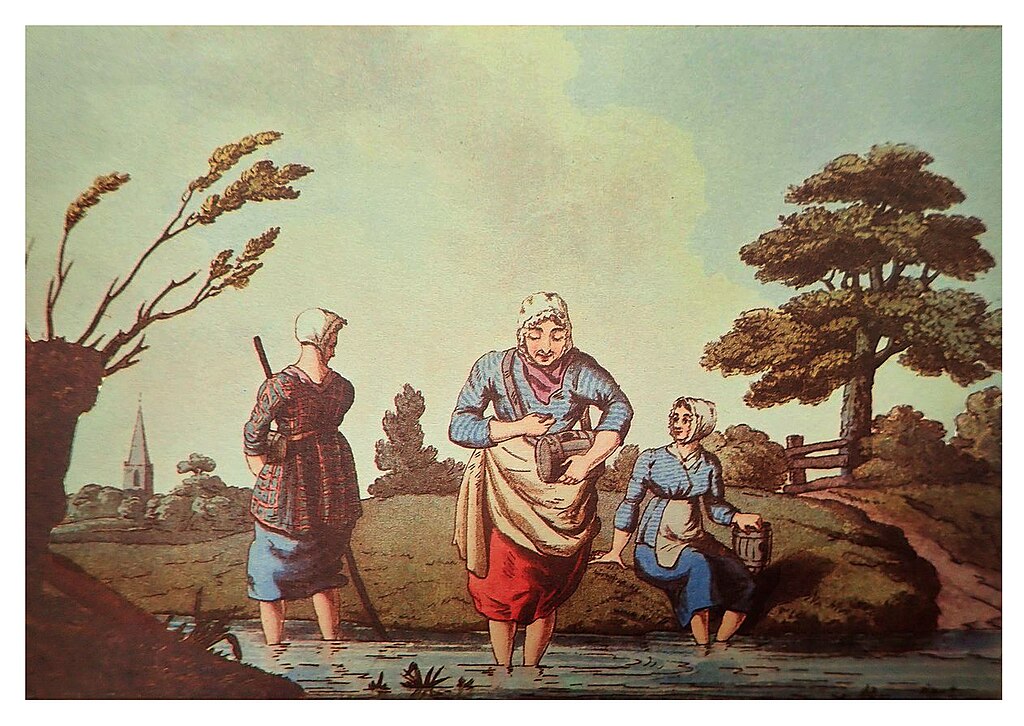
Medical treatments in the 1800s often relied on bloodletting, which meant leech collectors were in steady demand. These workers waded into ponds and marshes, often letting leeches attach to their own skin before gathering them. The job was messy, unpleasant, and unhealthy, but doctors depended on a steady supply for patients. Advances in medicine eventually discredited bloodletting, and with it, leech collectors disappeared, leaving behind one of the grimmest but fascinating jobs of the era.
Knocker-Up

Alarm clocks were not widely available in the early 1800s, so people relied on knocker-ups to wake them for work. Using long sticks, rattles, or even pea shooters, these human alarm clocks tapped on windows until their clients stirred. The work required early rising and precision to ensure workers made it to factories and markets on time. With the spread of affordable alarm clocks, the knocker-up faded into history, but it remains one of the more curious jobs of the period.
Rat Catcher
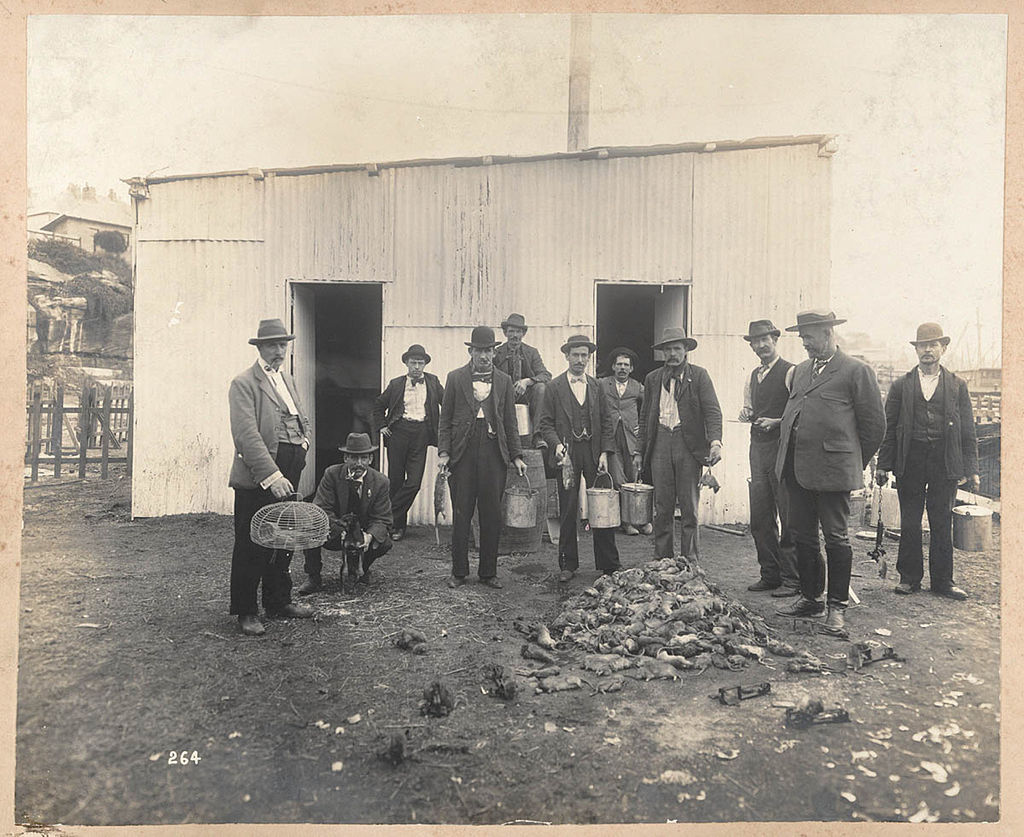
Cities in the 1800s faced serious rat infestations, and rat catchers were hired to keep the pests under control. Armed with traps, dogs, or even their bare hands, they patrolled streets and homes, reducing the spread of disease and protecting food supplies. While dangerous and often unsanitary, the job was a crucial public service. Improvements in sanitation, waste management, and pest control techniques made the profession obsolete, though the stories of rat catchers remain part of urban lore.
Resurrectionist
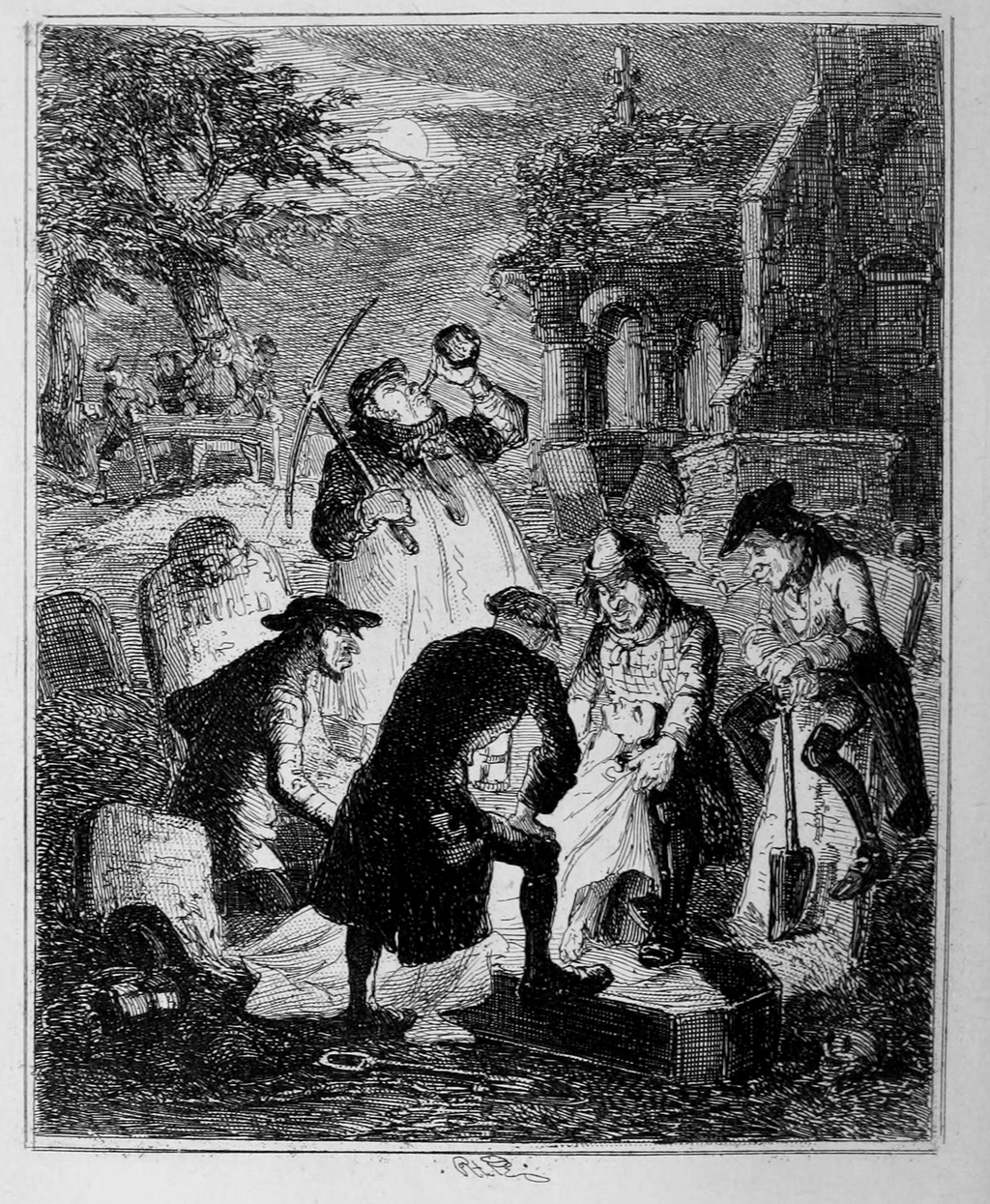
Medical schools in the 1800s faced a shortage of cadavers for study, which led to the rise of resurrectionists. These individuals secretly dug up freshly buried bodies and sold them to doctors and educators. The work was illegal, risky, and deeply frowned upon, but it provided a dark service to the growing field of medicine. Eventually, laws allowed for legal donations of bodies, ending the need for resurrectionists and highlighting a grim chapter in the history of medical progress.
Gong Farmer
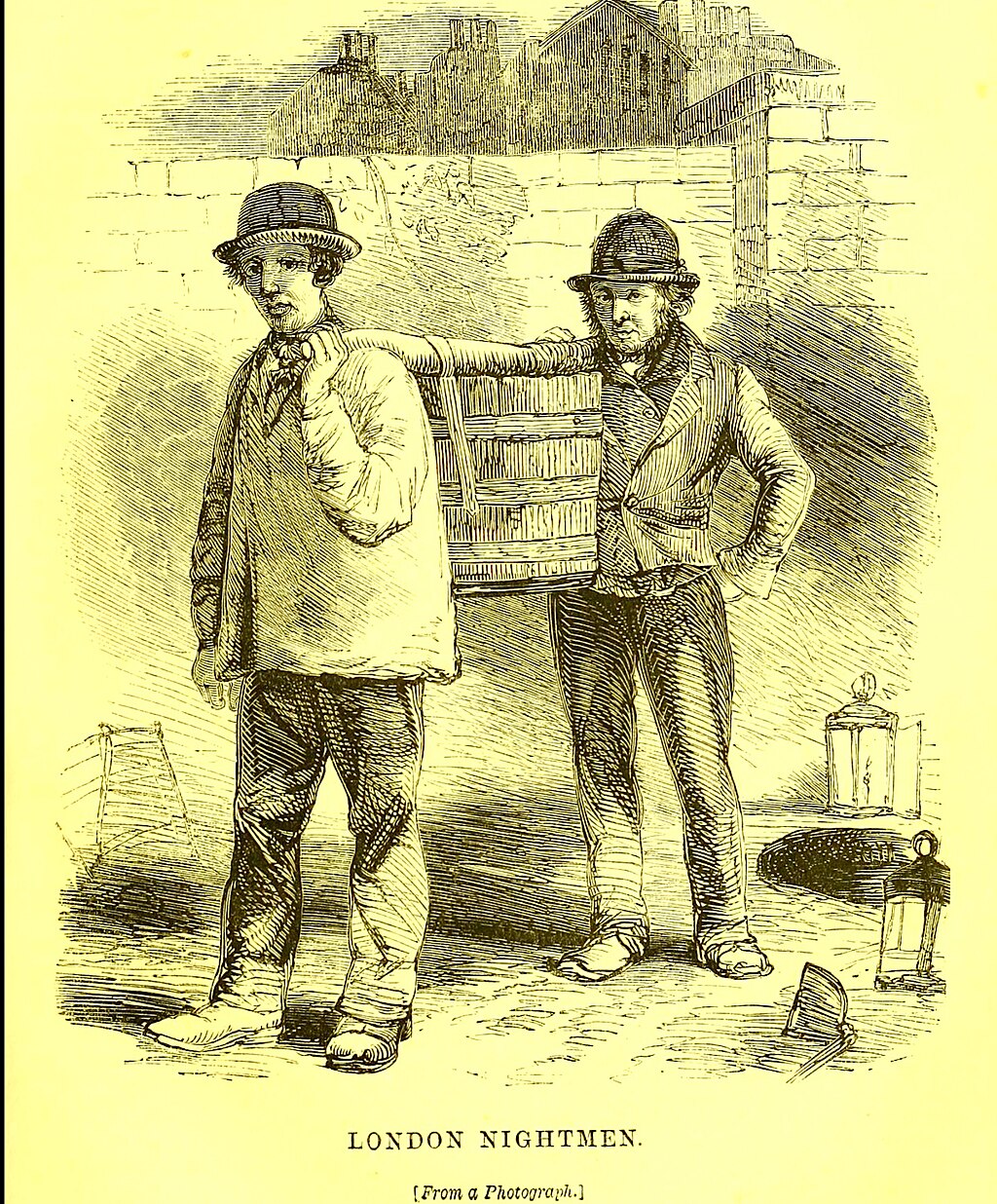
Before modern sewage systems, human waste had to be physically removed from cesspits and privies, a task handled by gong farmers. Armed with buckets and shovels, they worked mostly at night, hauling away waste for disposal outside city limits. It was foul, backbreaking work, but vital for public health in crowded towns. Advances in plumbing and sanitation eventually eliminated the job, thankfully making it one of the most unhygienic roles to vanish from everyday life.
Water Carrier
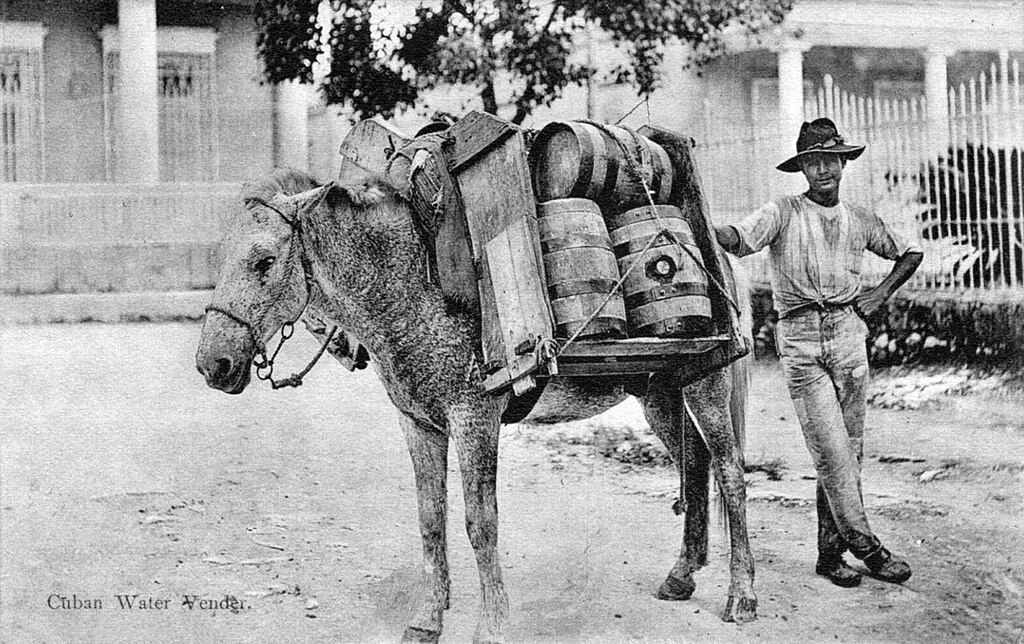
In towns without plumbing, families depended on water carriers to bring fresh water to their homes. These workers hauled heavy buckets from wells, rivers, or public pumps, often making multiple trips a day. It was hard physical labor and essential for cooking, cleaning, and drinking. As infrastructure developed and pipes delivered water directly into households, the role disappeared. The water carrier’s job reminds us of how much daily effort once went into a resource we now take for granted.
Powder Monkey
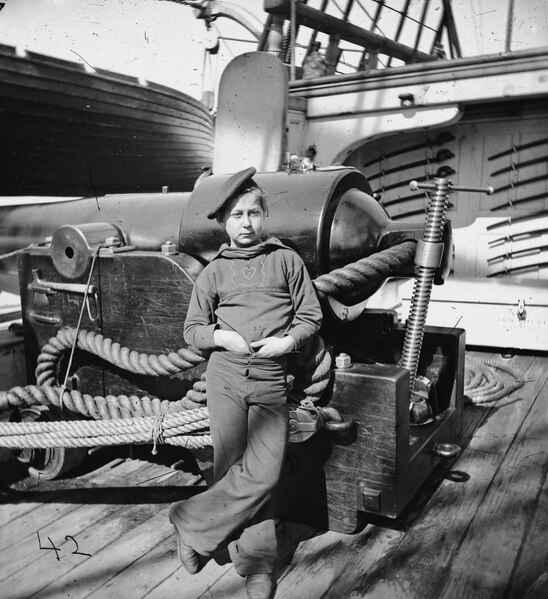
On naval ships during the 1800s, young boys worked as powder monkeys, racing below decks to bring gunpowder to cannons during battle. The job was perilous, as they moved quickly through tight spaces under enemy fire, often at great personal risk. Powder monkeys were crucial to keeping ships armed and ready, but advancements in weaponry and changes in naval practices made the position unnecessary. Today, the term lives on as a historical reminder of youthful courage in dangerous times.
Switchboard Operator
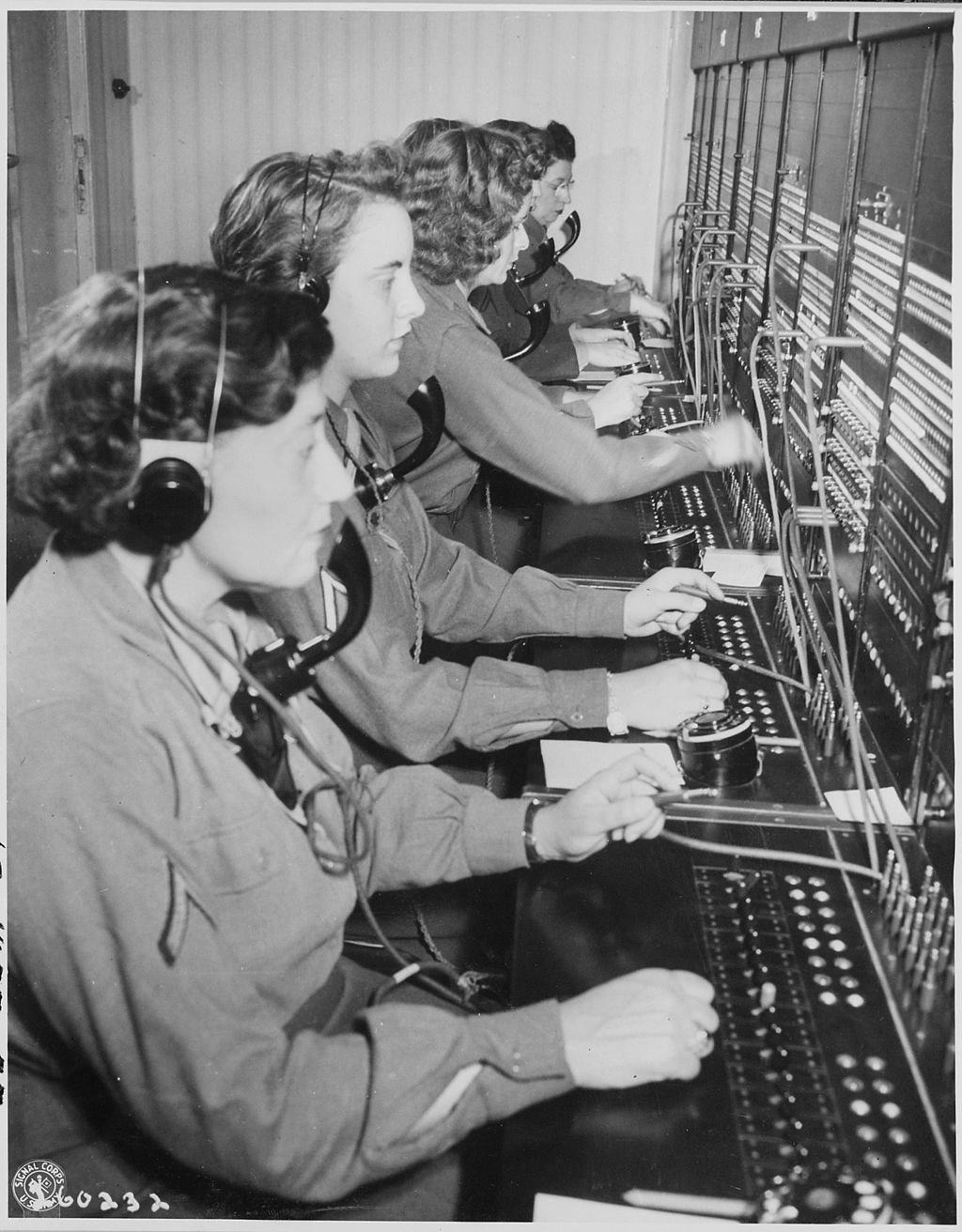
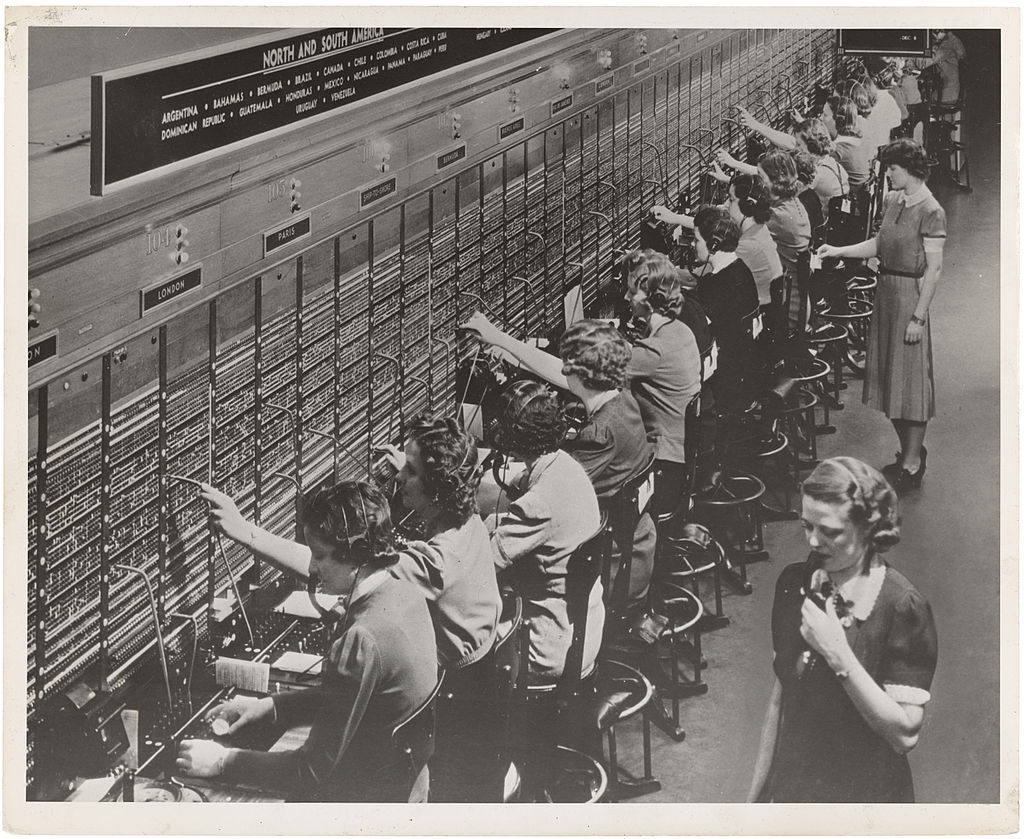
Before automatic dialing, every call had to be connected by a switchboard operator. Usually women, these workers sat at massive boards plugging wires into jacks to link callers together. They needed sharp memory, quick reflexes, and patience, as they managed dozens of calls at once. While the job provided employment for many, it was eventually replaced by automated systems. Switchboard operators symbolized the growing importance of communication and the changing role of women in the workforce.
The 1800s were full of jobs that may seem strange or even unpleasant today, but they were vital to everyday life at the time. As technology and society advanced, many of these roles became obsolete, reminding us how quickly the world of work can transform. Looking back at these vanished jobs shows how innovation reshapes not only industries but the daily routines of ordinary people.