The 1990s were a fascinating time of transition, when many products we now take for granted were once considered luxuries reserved for the few. Back then, owning certain gadgets, household items, or personal accessories was a sign of status and affluence. Today, these same items have become commonplace and accessible to almost everyone, showing just how quickly technology and markets evolve. Let’s take a nostalgic look back at ten everyday items that used to be luxury products in the ‘90s.
Cell Phones
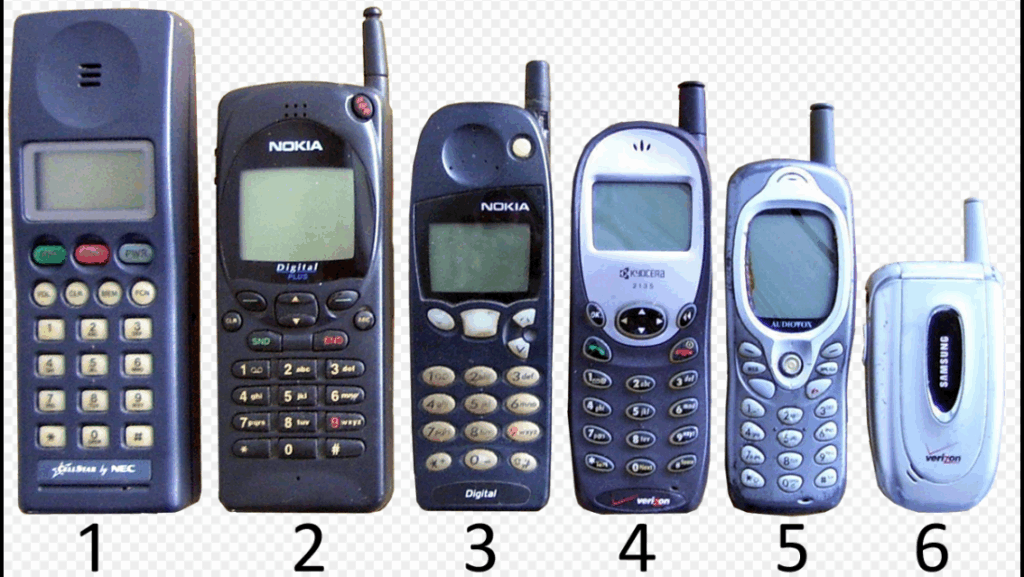
In the early ‘90s, cell phones were bulky, expensive, and mostly used by business professionals or wealthy individuals. Owning one was a symbol of status, and the cost of the phone itself, plus high per-minute charges, made it inaccessible for many. People often carried them in cars or briefcases rather than pockets. Fast-forward to today, and cell phones are an essential item for nearly everyone, spanning all ages and lifestyles. What was once luxury tech is now an everyday necessity woven into modern life.
Flat-Screen TVs
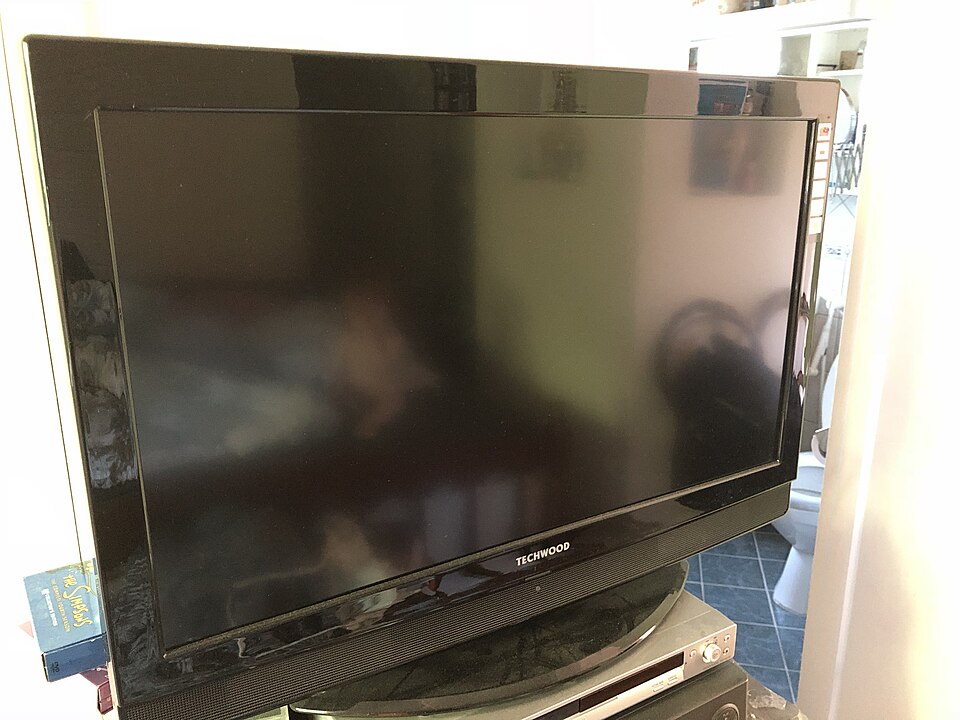
During the ‘90s, flat-screen televisions were cutting-edge technology with staggering price tags. Early models were rare in homes and mostly seen in high-end stores or corporate settings. Most households were still using bulky cathode-ray tube (CRT) TVs, which took up significant floor space. Over time, prices dropped dramatically, and sleek flat screens became the standard. Today, even budget-friendly models offer crisp images and smart features that were unimaginable decades ago.
Personal Computers
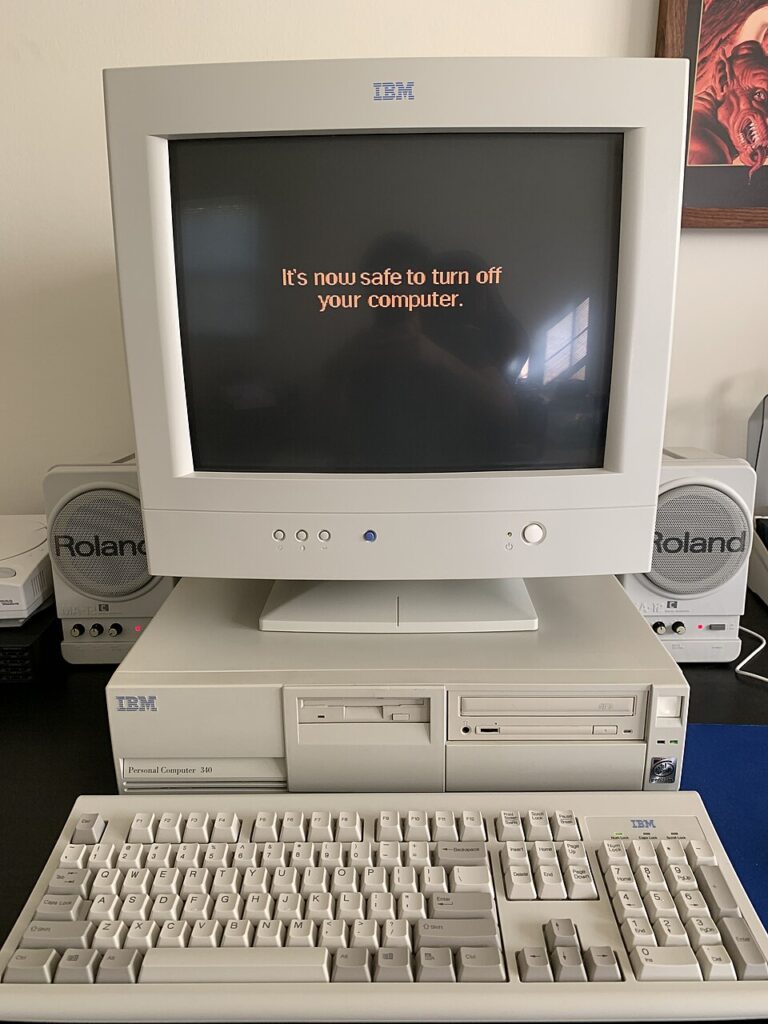
Having a personal computer at home in the ‘90s meant you were ahead of the curve—and had deep pockets. Computers were pricey, often running into thousands of dollars for even basic systems, and many families relied on shared devices at work or school instead. They were seen as investments for serious tasks like word processing or educational purposes rather than everyday entertainment. Now, laptops and desktops are widely affordable and used for everything from streaming movies to running businesses. The idea of not having a computer at home seems almost unthinkable today.
GPS Devices
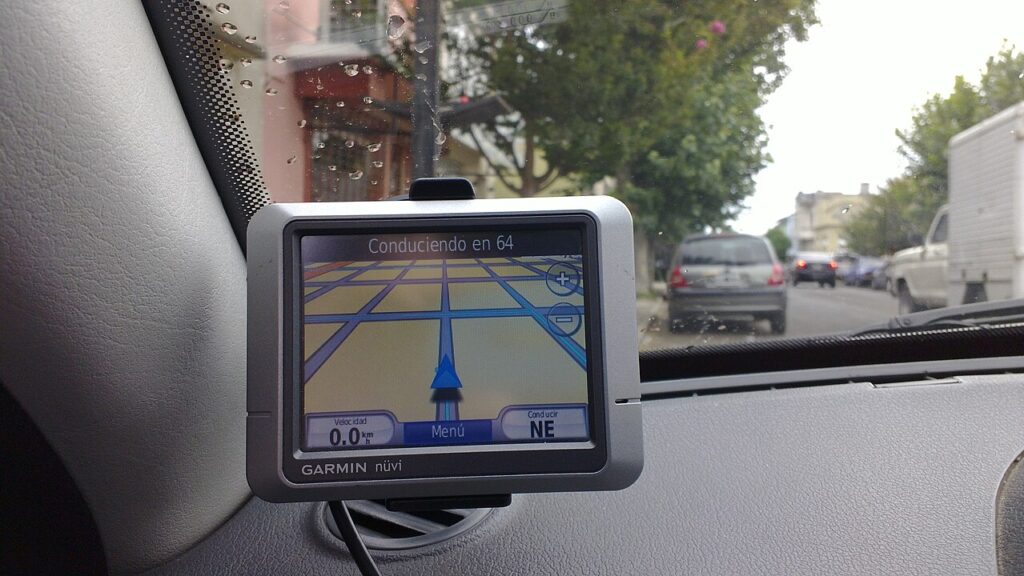
Before GPS technology became widespread, navigating unfamiliar roads required printed maps or written directions. In the ‘90s, stand-alone GPS devices were high-end gadgets found mainly in luxury cars or owned by dedicated travelers. These devices were expensive and sometimes clunky, with limited features compared to today’s standards. Now, GPS is seamlessly integrated into smartphones and vehicles, offering real-time traffic updates and voice-guided directions. It’s hard to imagine that once, getting lost was simply part of the travel experience.
Digital Cameras
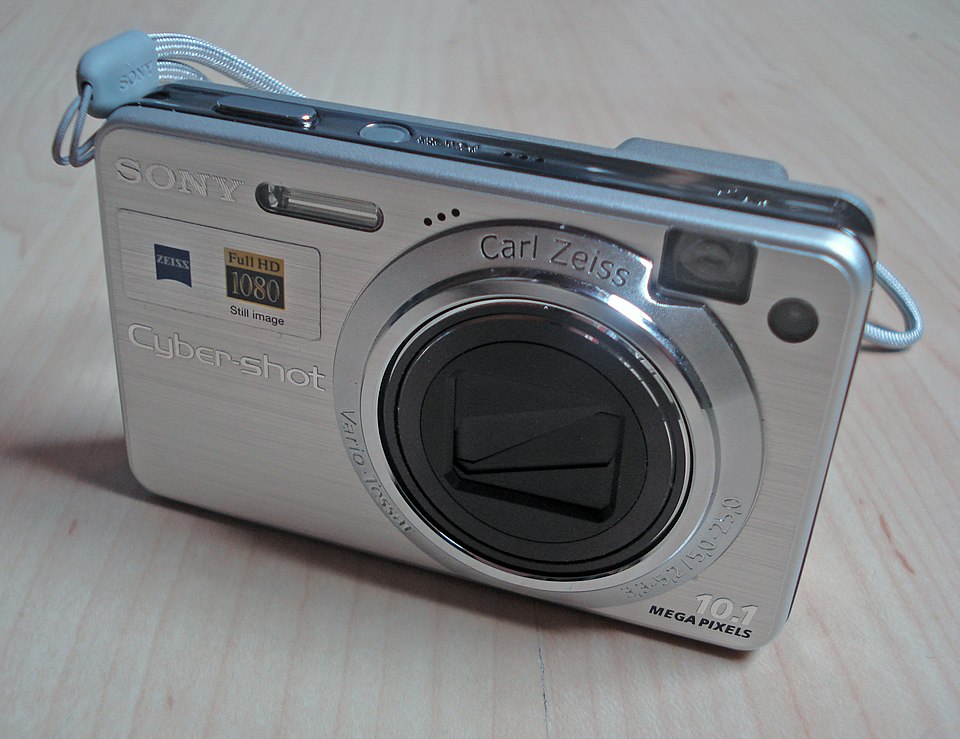
In the ‘90s, digital cameras were a novelty reserved for tech enthusiasts or professionals willing to pay a premium. Early digital models had low resolution and high price tags, making traditional film cameras the practical choice for most families. Taking photos meant developing rolls of film and waiting days to see the results. Today, digital photography is ubiquitous, and high-quality cameras are built into nearly every smartphone. Instant sharing and editing have turned photography into an everyday part of life.
DVD Players
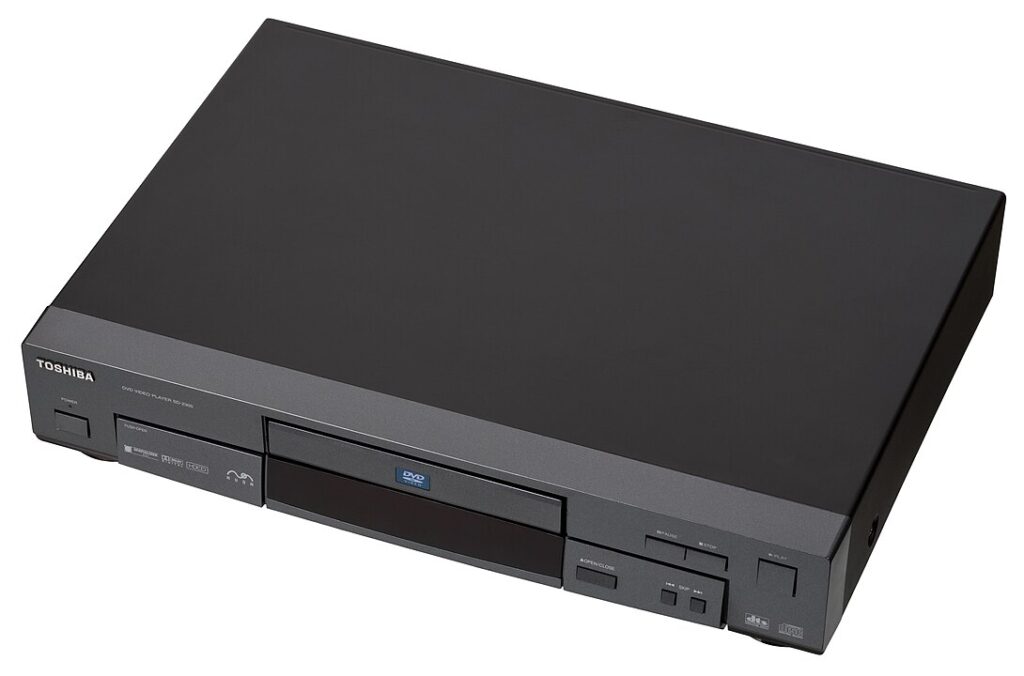
When DVD players first hit the market in the late ‘90s, they were hailed as a revolution in home entertainment—but they were costly. Early adopters paid hundreds of dollars for the devices, while most people continued renting VHS tapes. DVDs offered better picture quality and special features, making them a luxury upgrade. Eventually, prices fell, and DVD players became household staples. Today, streaming services have largely replaced physical discs, but the once-exclusive technology was the gateway to modern media consumption.
High-Speed Internet
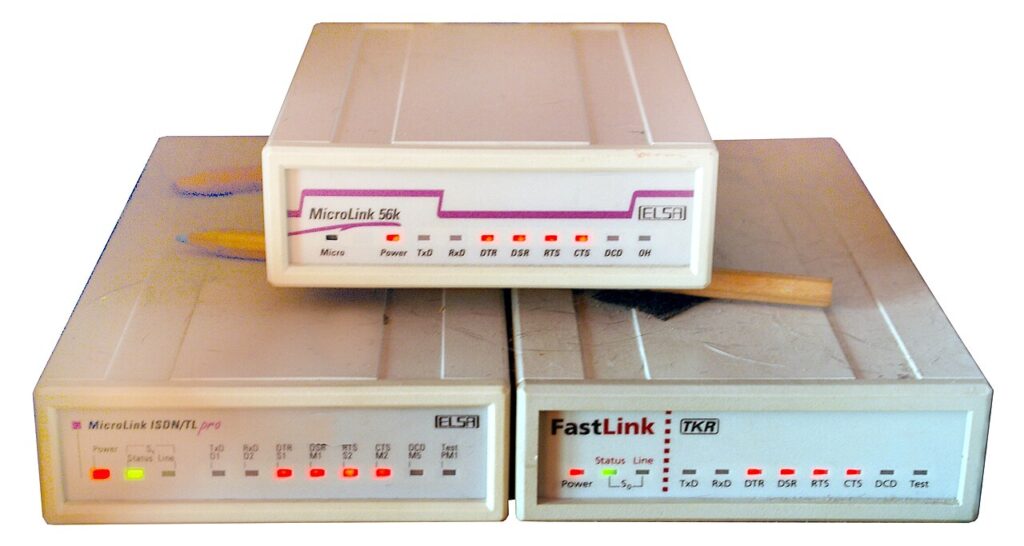
Dial-up internet was the norm in the ‘90s, complete with beeping modems and painfully slow speeds. High-speed connections like DSL or cable were rare luxuries, mostly available in urban areas and at significant cost. Families with faster internet were the envy of neighbors and friends. Nowadays, high-speed internet is considered a basic utility, crucial for work, school, and entertainment. The idea of returning to dial-up speeds is almost laughable in today’s world of instant connectivity.
Cordless Phones
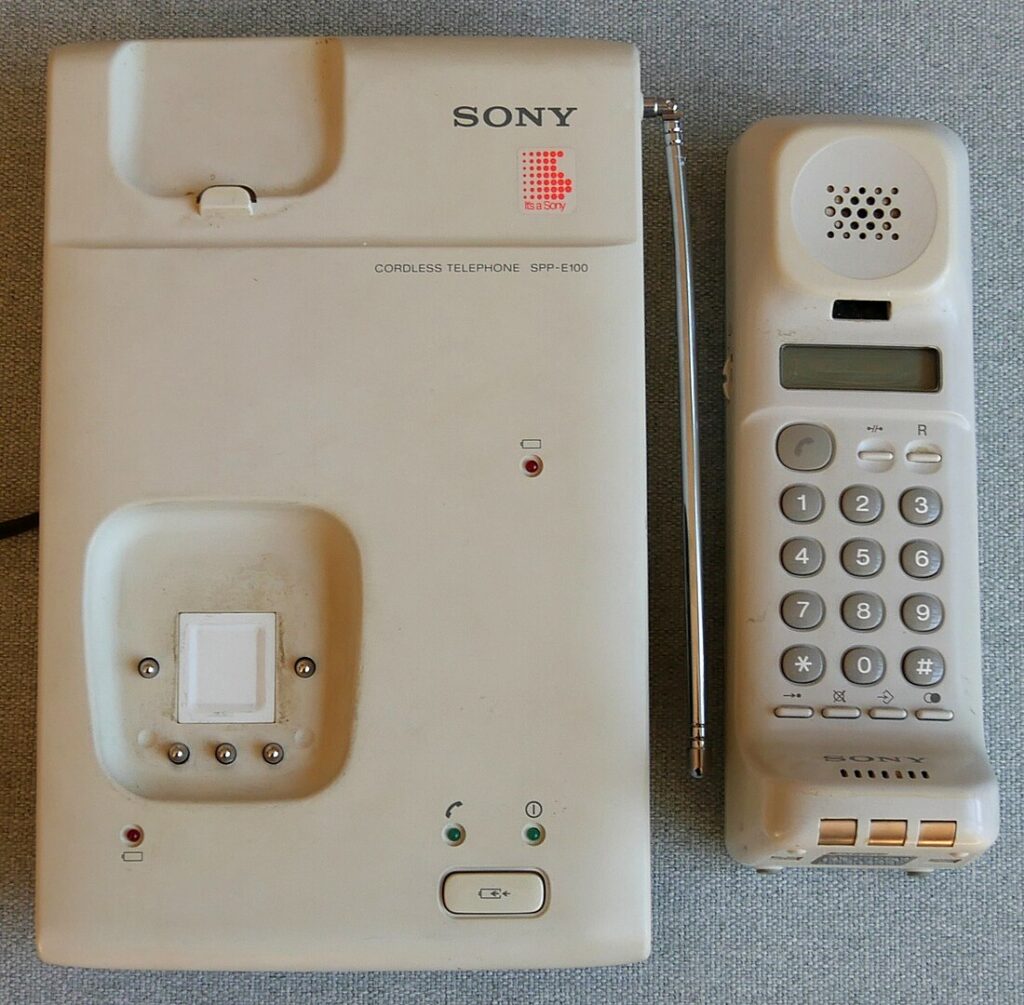
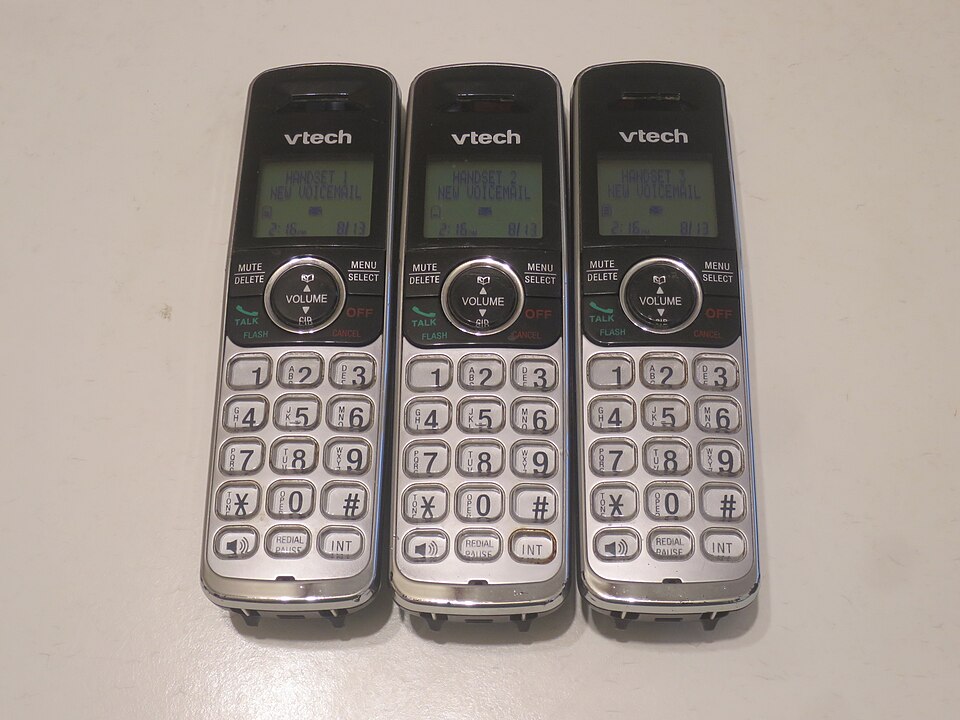
While corded landlines were standard in the ‘90s, cordless phones were a fancy upgrade. Having the freedom to walk around the house while chatting felt modern and luxurious. Early cordless models were expensive, with limited range and battery life. Over time, prices dropped, and cordless phones became the norm in households across the country. Though mobile phones have largely replaced them, cordless phones were once a coveted household feature.
Portable Music Players
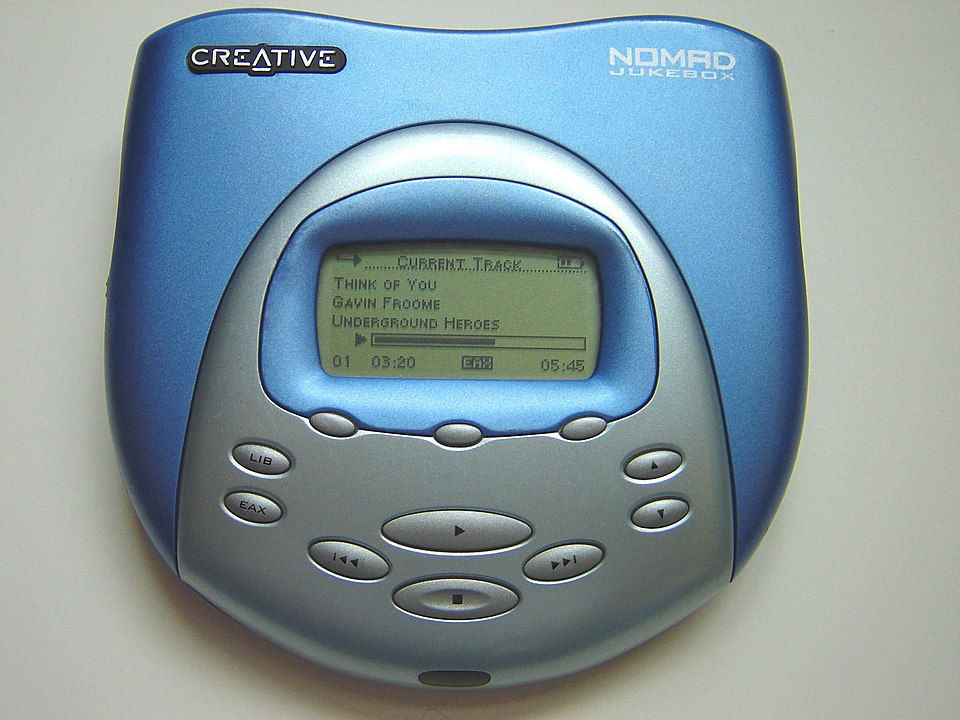
Before the explosion of MP3 players and smartphones, portable music was a luxury experience. In the ‘90s, high-end portable CD players, especially those with anti-skip protection, were prized possessions. Owning one meant you could take your music anywhere, albeit with a hefty price tag. Today, music is instantly accessible through apps and streaming services on devices we already carry. What was once a coveted item is now effortlessly integrated into daily life.
Home Espresso Machines
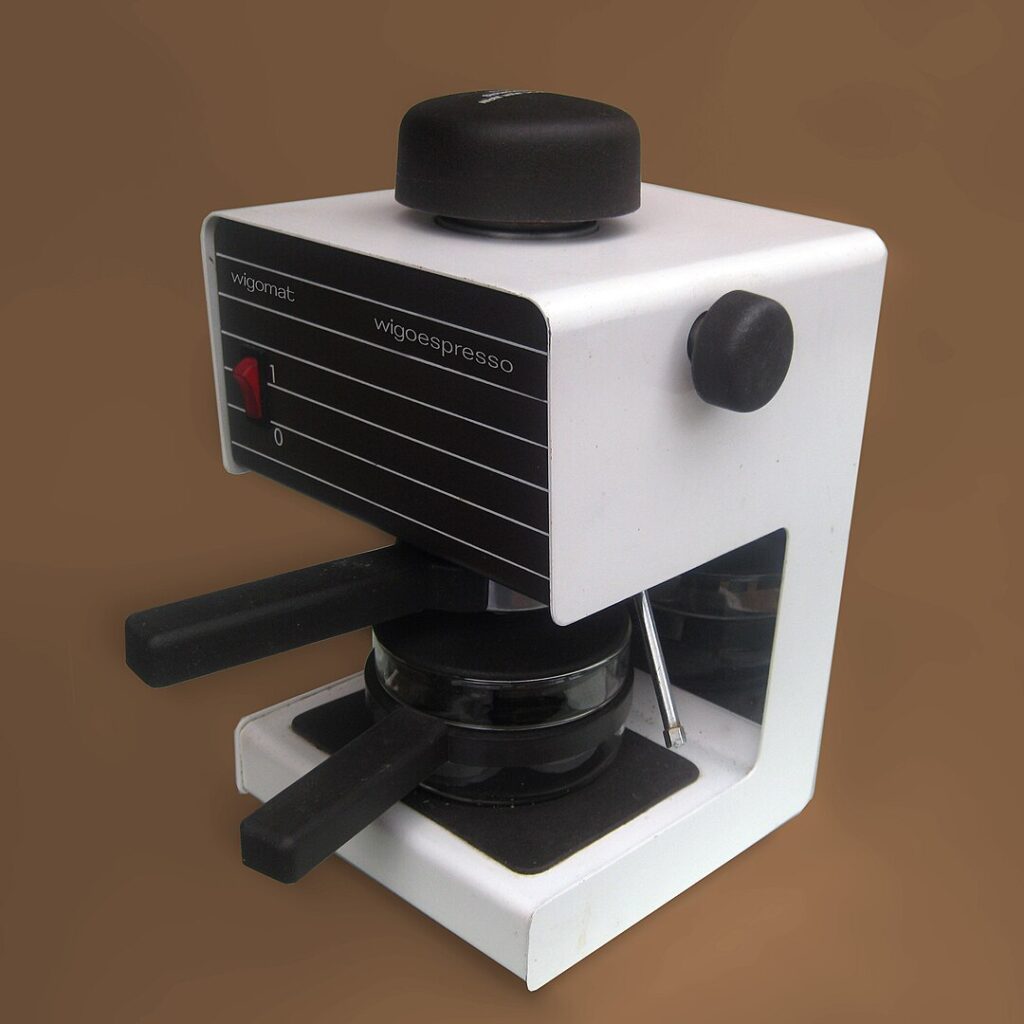
In the ‘90s, a good espresso machine was an expensive splurge reserved for coffee aficionados or upscale cafes. Home brewing equipment was often bulky and complicated, making coffee shop runs the norm for specialty drinks. Now, affordable home machines make espresso, cappuccinos, and lattes accessible to nearly anyone. Coffee lovers can enjoy barista-style beverages without leaving the house, proving that luxury often becomes everyday convenience over time.