
American lifestyles are evolving quickly as technology, social priorities, and economic realities reshape daily routines. The year 2026 marks a turning point where many familiar habits are being replaced by new preferences. From communication styles to food choices, Americans are gravitating toward efficiency, well-being, and minimalism. These rapid changes reflect shifting values and a fast-moving culture searching for balance and convenience.
Shopping at Large Superstores

While superstores once dominated shopping habits, many Americans are shifting toward smaller, curated stores and online ordering. Rising transportation costs and time constraints make large shopping trips less appealing. Local markets and delivery services now offer convenience that matches or exceeds superstore experiences. Younger consumers prioritize sustainability and local goods when possible. This shift highlights a cultural move toward simplicity and efficiency.
Watching Live Television

Traditional television viewing continues to decline as streaming grows more personalized and flexible. Families increasingly prefer on-demand content that fits their schedules. Cable subscriptions are becoming less common, replaced by streaming bundles or ad-supported platforms. Younger generations rarely watch scheduled programming at all. This trend underscores how technology reshapes entertainment habits.
Cooking Elaborate Meals at Home

While home cooking surged during earlier years, lifestyles in 2026 favor quick, simplified meals. Americans increasingly rely on meal kits, pre-prepped ingredients, or healthy convenience foods. Busy families and working professionals prioritize speed without sacrificing nutrition. Cooking has shifted from a daily necessity to a selective hobby. This change reflects time pressure and shifting attitudes toward domestic life.
Using Cash for Purchases

Cash transactions continue to decrease as digital wallets dominate everyday spending. Mobile payments offer speed, security, and ease that physical currency cannot match. Many businesses now accept cashless transactions exclusively. Younger generations rarely carry physical money at all. The shift toward digital payments marks a long-term cultural transformation.
Traditional Commutes

More Americans are adopting hybrid or remote work options that reduce daily commuting. This shift improves work-life balance and cuts transportation costs. Companies increasingly design flexible schedules to attract talent. While not universal, remote-friendly culture is becoming a defining feature of American workplaces. The reduced commute reshapes city infrastructure and personal routines.
Wearing Formal Clothing Daily

Formal attire is no longer a standard expectation in most workplaces. Employees increasingly favor comfortable, clean, but casual clothing. This change reflects evolving attitudes toward professionalism that prioritize productivity over appearance. Even corporate environments adopt flexible dress codes. The shift highlights a broader trend toward authenticity and personal comfort.
Shopping for Fast Fashion

Rapidly produced clothing is losing favor as consumers become more aware of environmental and ethical concerns. More Americans are choosing sustainable brands, secondhand shops, or capsule wardrobes. The movement reflects a desire for quality over quantity. Rising awareness of textile waste accelerates the shift. This evolution indicates a deeper cultural interest in responsible consumption.
Long Social Media Scroll Sessions
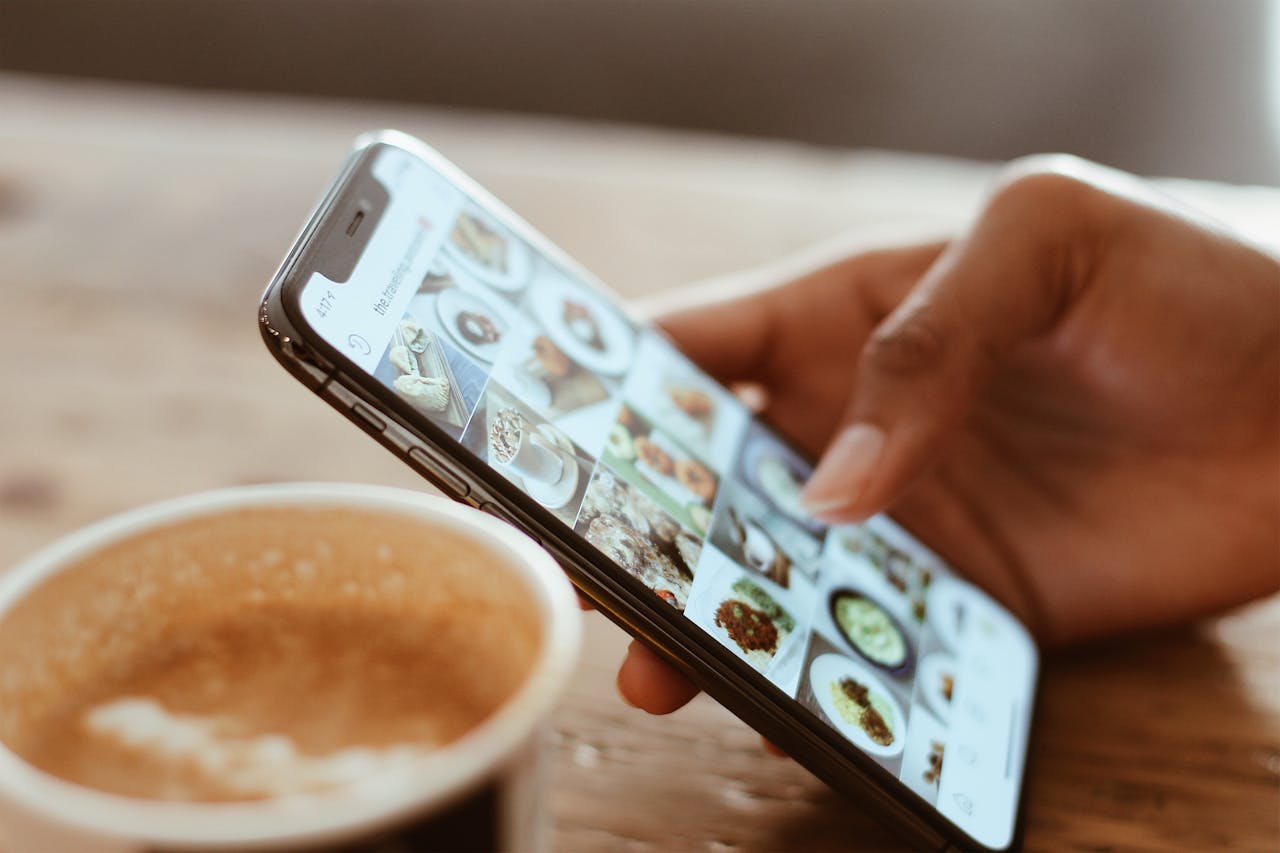
Many Americans are reducing their social media use in favor of intentional digital habits. Concerns about mental health, privacy, and productivity drive this change. Users prefer mindful engagement rather than constant scrolling. Digital well-being settings and app limits support this trend. It shows a growing interest in healthier online interactions.
Eating Out Frequently

Economic pressures and health priorities are shifting habits away from frequent dining out. Families choose home-cooked meals or simpler takeout options. Restaurants remain popular for special occasions, but everyday dining is becoming less common. Budget-conscious choices influence this shift significantly. Americans are redefining what convenience and value mean in daily life.
Buying New Gadgets Annually

Upgrading to the latest tech device every year is losing popularity. Consumers now focus on durability and long-term usability. Software support and repairability are increasingly important factors. This change reflects both financial caution and sustainability values. Americans are rethinking their relationship with consumer technology.