The early days of the internet were a strange and wonderful time. For those who grew up with dial-up connections and chat rooms, the digital habits of that era feel nostalgic. But for today’s kids who have grown up with smartphones, instant Wi-Fi, and social media, many of those old online behaviors would seem completely bizarre. From the way people used to communicate to how they searched for information, the internet of the past looks like a whole different world. Here are ten habits from the early web days that modern kids would not believe were once normal.
Logging Off So Someone Could Use the Phone

In the 1990s, using the internet meant tying up the phone line. Families often argued over whether someone could make a call or stay online. The sound of dial-up connecting was both frustrating and exciting, but the idea of losing your internet connection because someone picked up the phone would seem ridiculous today. With high-speed Wi-Fi everywhere, the thought of planning online time around phone usage is unimaginable to modern kids who live in a world of constant connectivity.
Waiting for Pages to Load Line by Line

Before broadband, web pages loaded painfully slowly. Images would appear one line at a time, taking minutes to reveal what you were trying to see. Videos were nearly impossible to stream without endless buffering. People had to be patient, often leaving the computer to grab a snack while a page finished loading. Today’s generation is used to instant results, and the idea of staring at a screen as a photo gradually fills in pixel by pixel seems more like torture than fun browsing.
Chatting in AOL Instant Messenger

AIM was one of the most popular tools for chatting online, and setting a clever away message was almost as important as the conversations themselves. Friends would spend hours trading messages filled with emoticons and song lyrics. For kids today who have group chats, video calls, and voice notes, AIM would seem clunky and limited. The simplicity of typing into a box and waiting for replies feels almost ancient compared to the nonstop, multimedia communication that exists now.
Burning CDs to Make Music Playlists

Before streaming, people made custom playlists by burning songs onto blank CDs. It took time to carefully choose tracks, arrange them in order, and then wait for the disc to record. The process was slow but rewarding, and sharing a mix CD was a thoughtful gesture. Today, kids can create playlists in seconds and share them instantly. The idea of physically creating a disc, labeling it with a marker, and carrying it around to play music feels like a lot of effort for something that now takes just a click.
Using Ask Jeeves and Other Early Search Engines
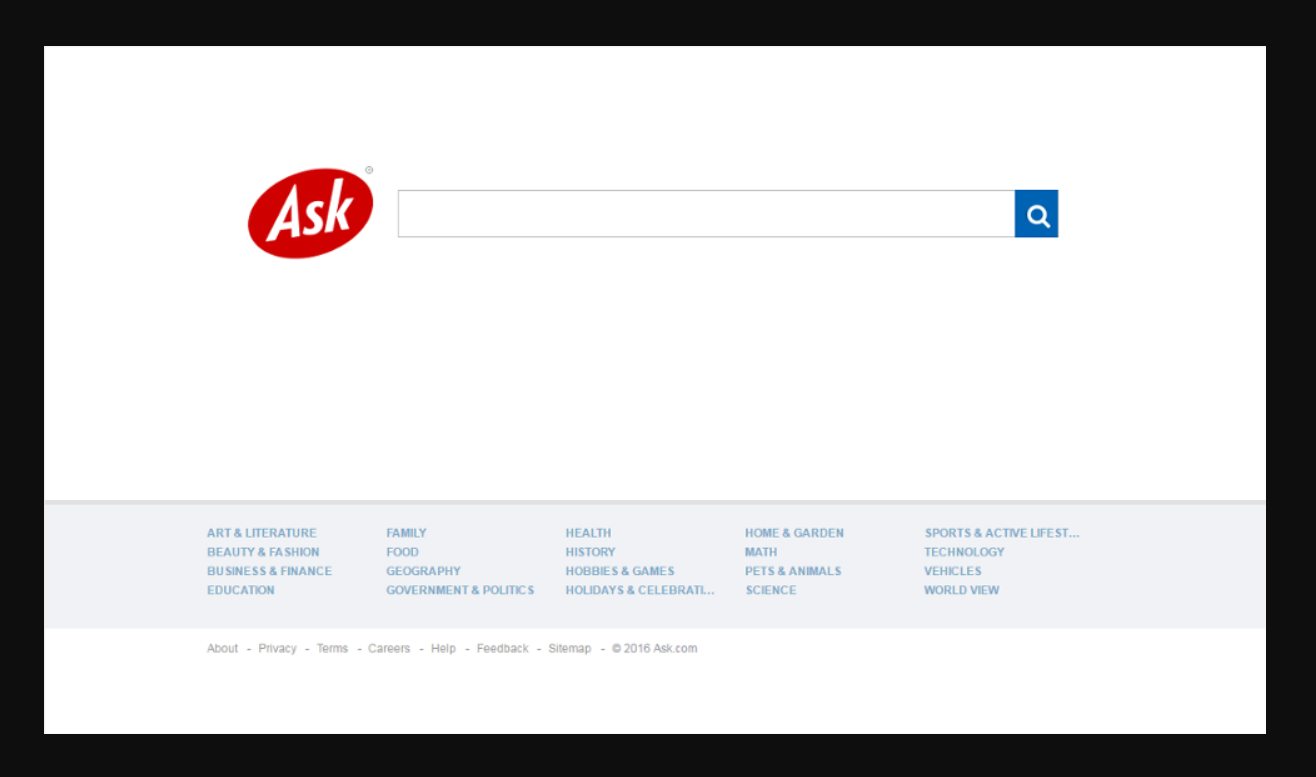
Long before Google became the default, people searched the web on engines like Ask Jeeves, Yahoo, or AltaVista. Results were often clunky, unorganized, or completely unrelated to what you wanted. Sometimes you had to reword your question several times to get a useful answer. For today’s kids who are used to precise, AI-powered searches that provide immediate results, the thought of scrolling through irrelevant links just to find basic information feels outdated and strange.
Joining Random Online Forums for Everything
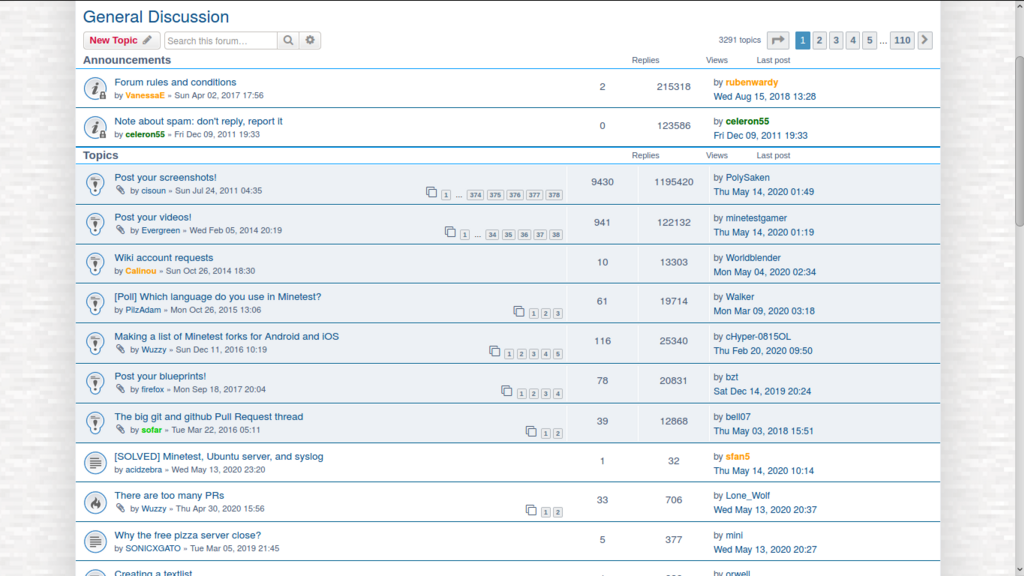
If you wanted to talk about a niche hobby or find advice, you had to join a forum dedicated to that specific topic. From fan clubs to video game cheats, these online communities were filled with strangers sharing tips. You had to remember your login and manually check for replies. Compared to modern social media feeds and real-time chats, forums moved slowly and often felt clunky. Today’s kids, used to instant notifications and broad platforms, would likely find the idea of joining dozens of small forums inconvenient and confusing.
Printing Out Directions from MapQuest
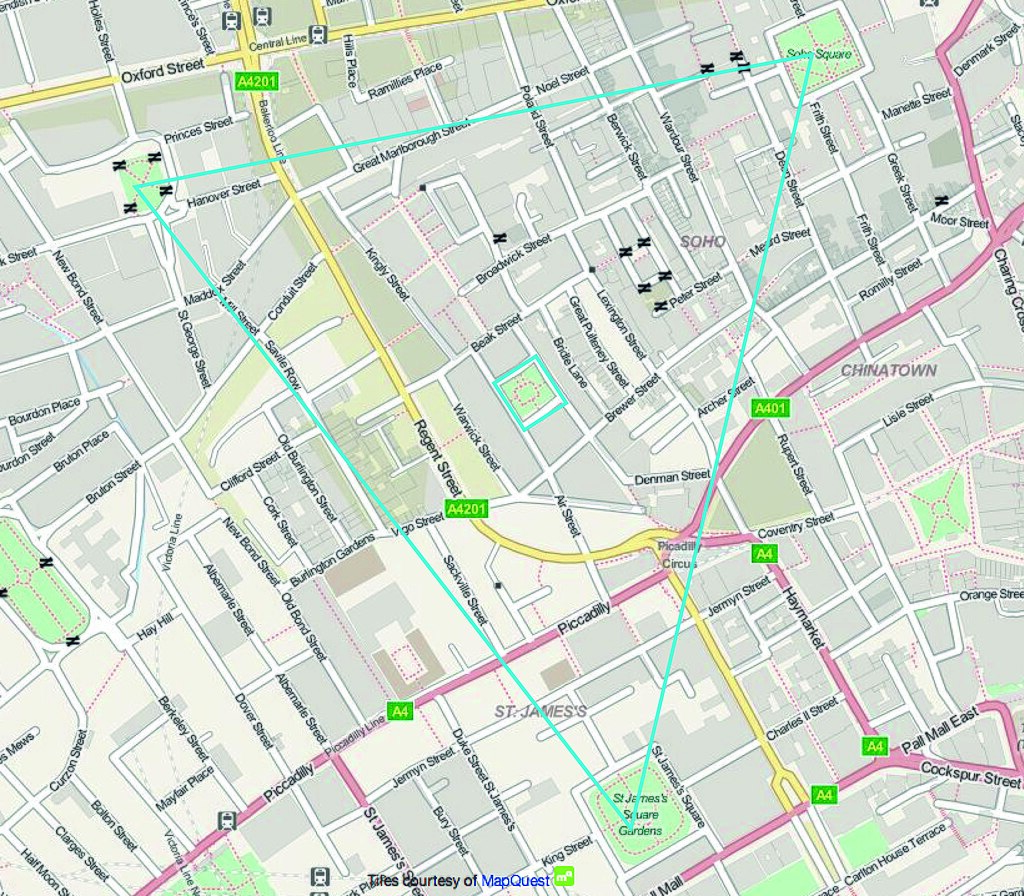
Before GPS on phones, people relied on MapQuest for directions. You would type in your start and end points, print out a sheet of turn-by-turn instructions, and carry it in the car. If you missed a turn, there was no quick recalculation. Drivers had to pull over and recheck the paper. For kids who grew up with Google Maps and live navigation, the idea of printing directions and hoping you could follow them correctly would feel more like a scavenger hunt than a reliable way to travel.
Collecting Free AOL Trial CDs
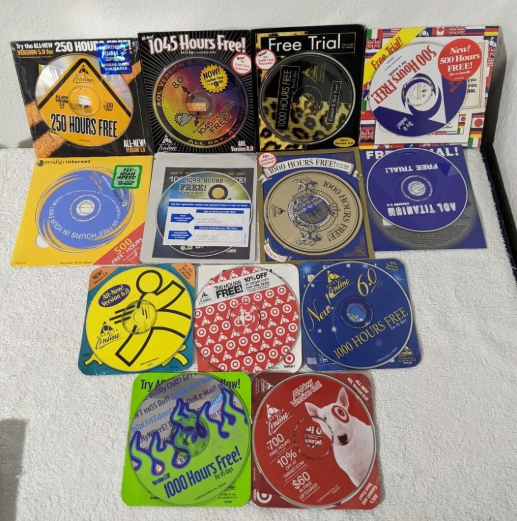
AOL was famous for sending out free trial CDs that offered hours of internet access. People collected them from the mail, grocery stores, and even magazines. Some households ended up with stacks of discs that served as their main way to connect. For kids today, the idea of relying on physical discs to get online would be baffling, since Wi-Fi and data plans provide nonstop access. Those shiny trial CDs are now little more than nostalgic relics of an early digital age.
Building Personal Websites on GeoCities

Before social media profiles, people expressed themselves by creating personal websites on platforms like GeoCities or Angelfire. These sites were often filled with colorful backgrounds, flashy GIFs, and guestbooks for visitors to sign. They were clunky and chaotic, but they gave people a creative outlet. For kids today, who are used to sleek social media profiles and professional-looking templates, the idea of coding your own quirky website with mismatched fonts would seem both funny and strange.
Carrying Floppy Disks and USB Drives Everywhere
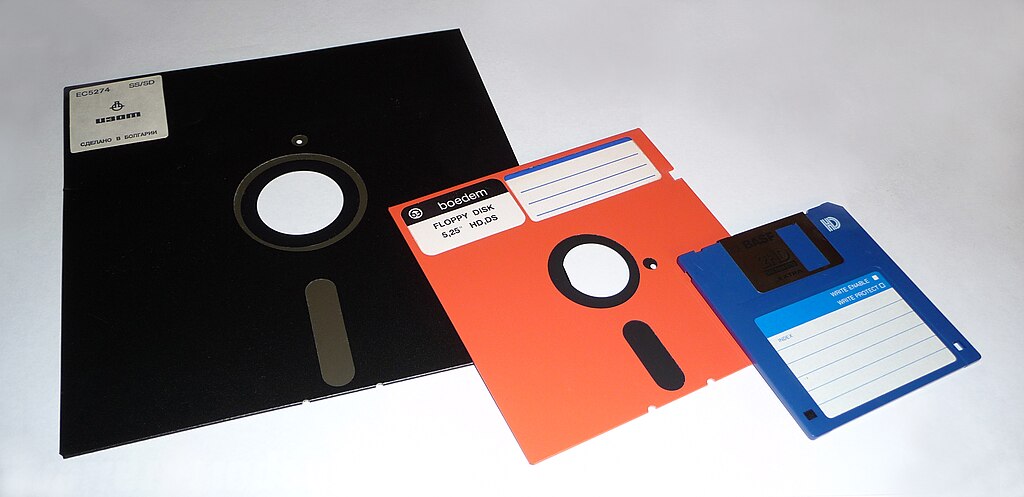
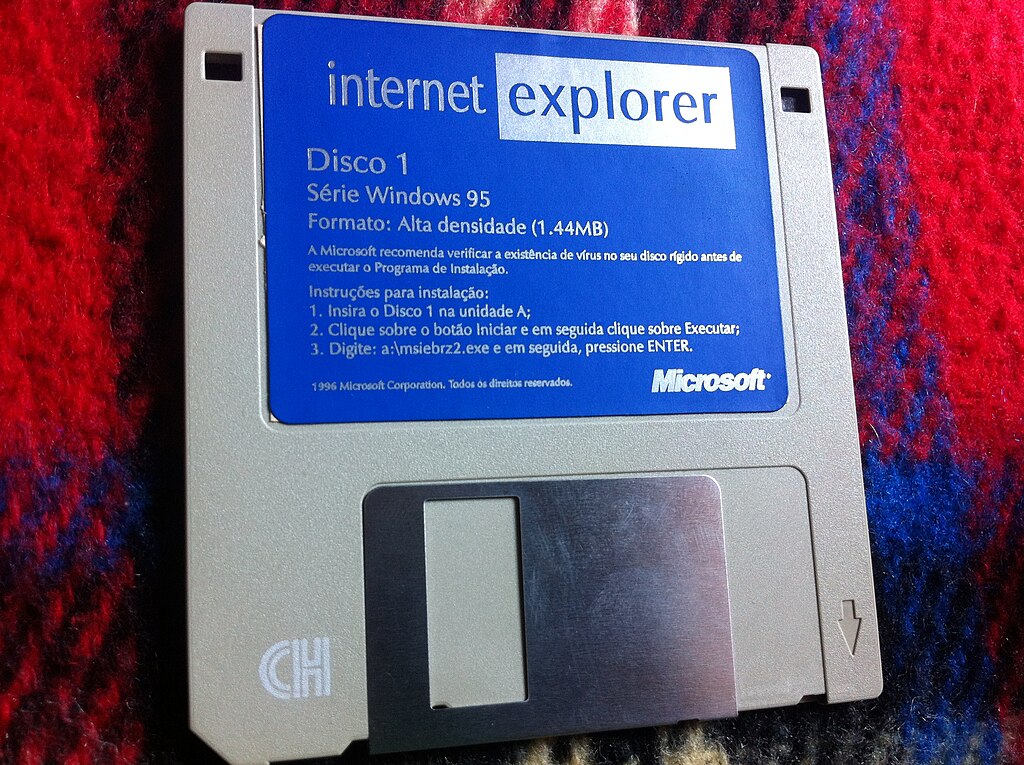
Long before cloud storage, people relied on floppy disks and later USB drives to move files from one computer to another. Students carried them to school to save assignments, and professionals used them to transport presentations. Forgetting your disk could mean losing access to important work. Kids today, who can store everything on the cloud and access files from any device, would find it bizarre to carry around tiny pieces of plastic just to move a single document.
The early internet was full of habits that seemed normal at the time but look almost comical today. From waiting for images to load to printing out directions, those digital routines remind us how far technology has come. Kids who grew up in a world of smartphones and instant access will never know the patience and creativity that defined the first generation of internet users. What feels strange now was once the cutting edge, and it shows just how quickly the digital world evolves.