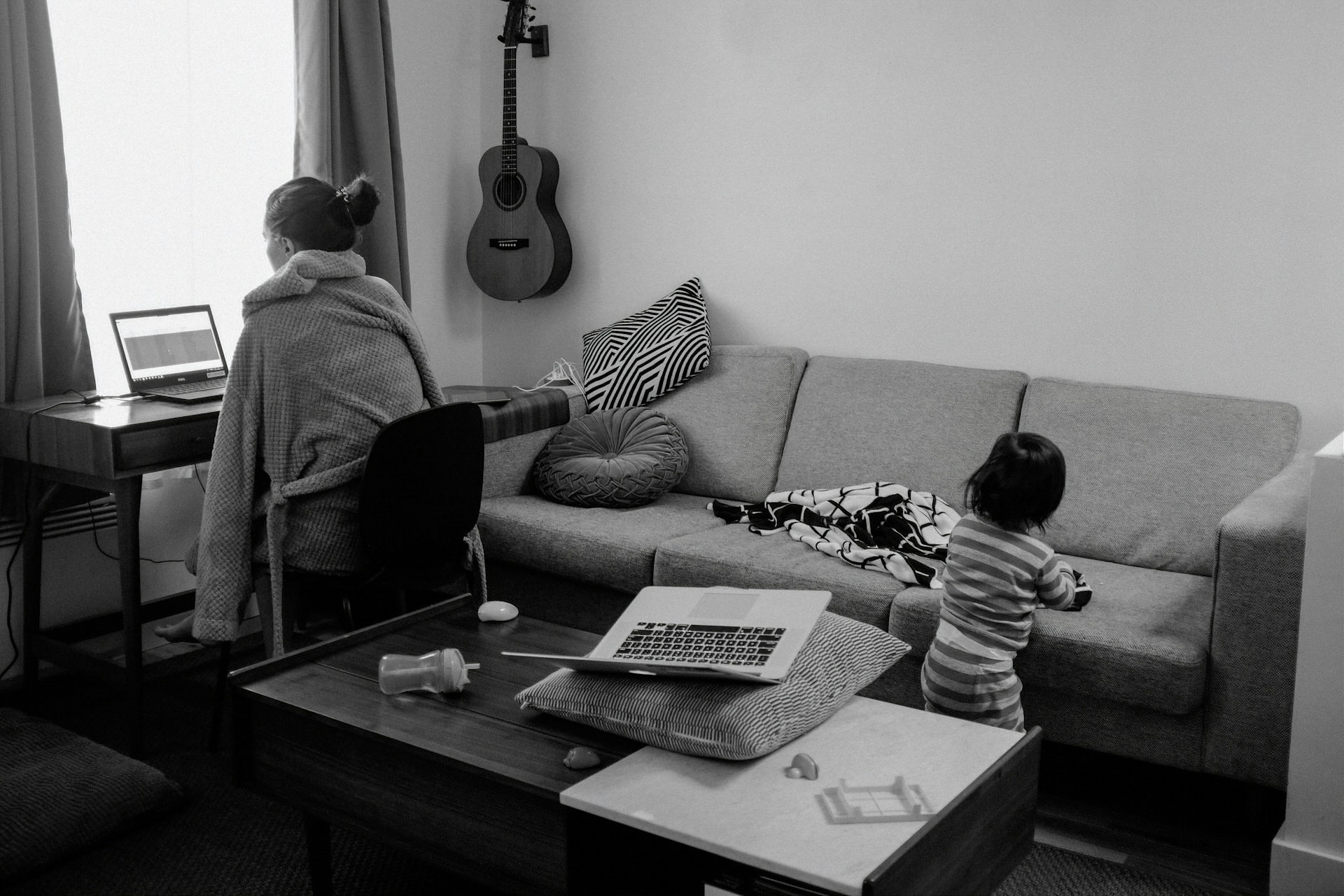
As parents, we all aim to create a safe and nurturing environment for our children, but sometimes, without realizing it, we can fall into habits that put their health and safety at risk. Whether it’s small actions repeated daily or bigger behaviors that may seem harmless, these habits can be detrimental over time. It’s important to recognize them and make conscious changes. By breaking these dangerous household habits, parents can help ensure a healthier, safer home for their families.
Leaving Cleaning Supplies within Reach

Many parents keep cleaning supplies under the kitchen sink or in bathroom cabinets, assuming their children are too young to explore these areas. However, children are naturally curious and tend to investigate places that seem interesting to them. A bottle of bleach or an open container of detergent can be extremely hazardous if ingested, inhaled, or even touched. It’s essential to store these items in high cabinets or secure, childproof containers. Make sure to educate your children about the dangers of household chemicals and teach them not to touch these items, even if they look appealing or colorful. Locking away cleaning products may seem like an extra step, but it can save lives in the long run.
Ignoring Choking Hazards in Small Toys and Household Objects
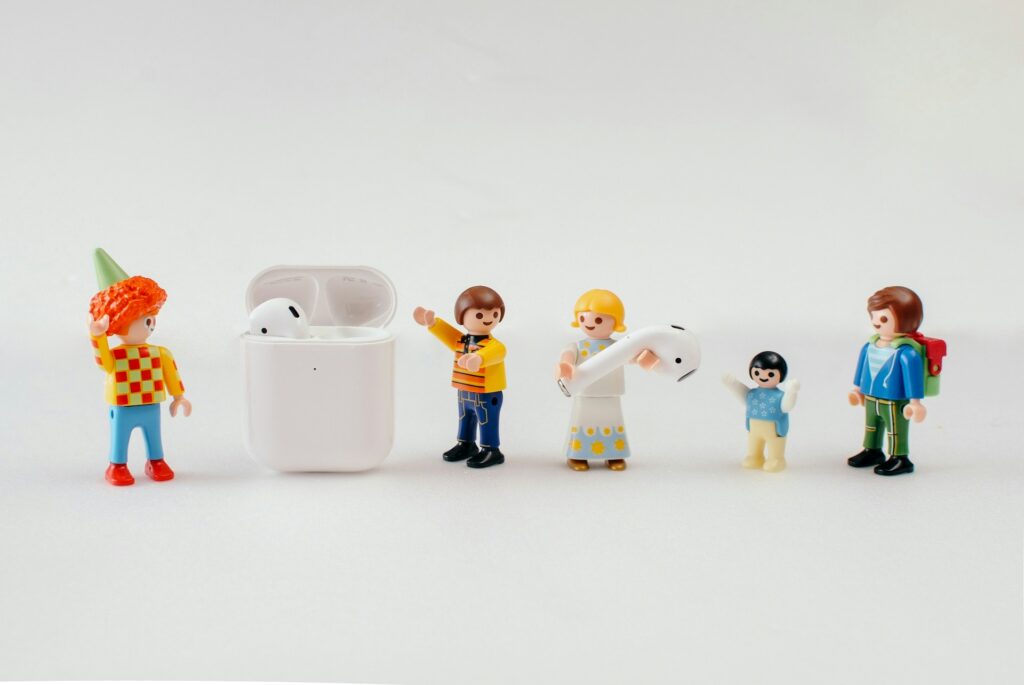
Choking is one of the leading causes of injury among children, especially toddlers who are exploring everything with their mouths. Items such as small toys, batteries, or even coins can be easily swallowed or aspirated, leading to serious complications. Parents must regularly assess their home for small items that could pose a choking hazard. This includes household items that may seem innocuous but can present real dangers. For example, buttons on clothes, bottle caps, and even certain food items can be choking risks. Ensure that toys are age-appropriate and that all small objects are placed well out of reach of young children.
Using Furniture with Sharp Edges and Corners
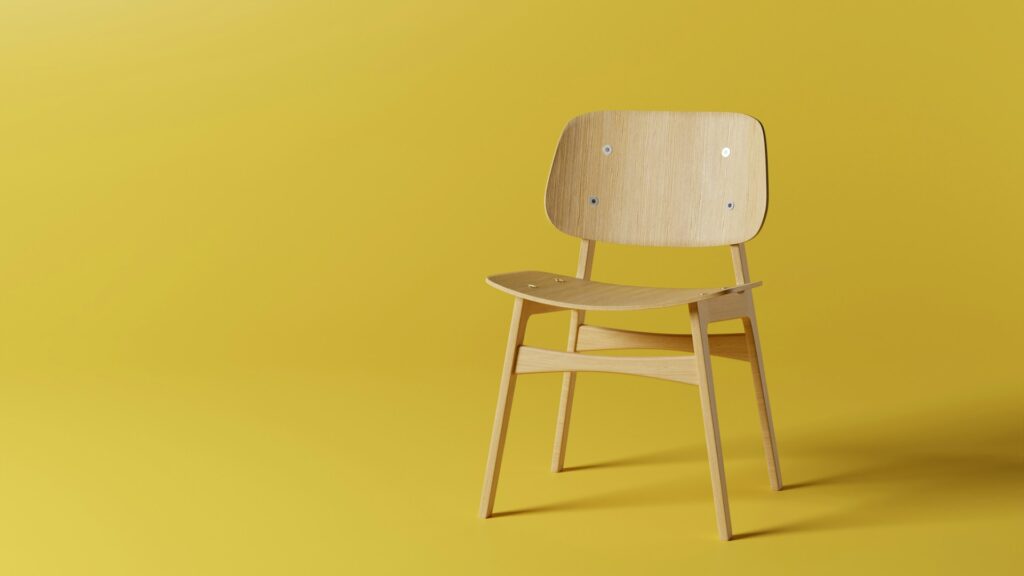
Sharp edges on furniture are a common household danger that parents often overlook. Children, especially babies and toddlers, are prone to falling or bumping into furniture as they explore their environment. A sharp edge on a coffee table or bookshelf can result in serious cuts or bruises. Parents should consider outfitting their homes with corner and edge protectors made from soft materials to reduce the risk of injury. Furniture like tables and cabinets should also be secured to walls to prevent them from tipping over, which can be deadly for small children. Investing in safe furniture and childproofing tips can significantly reduce the chances of these types of injuries.
Using High Chairs and Car Seats Incorrectly
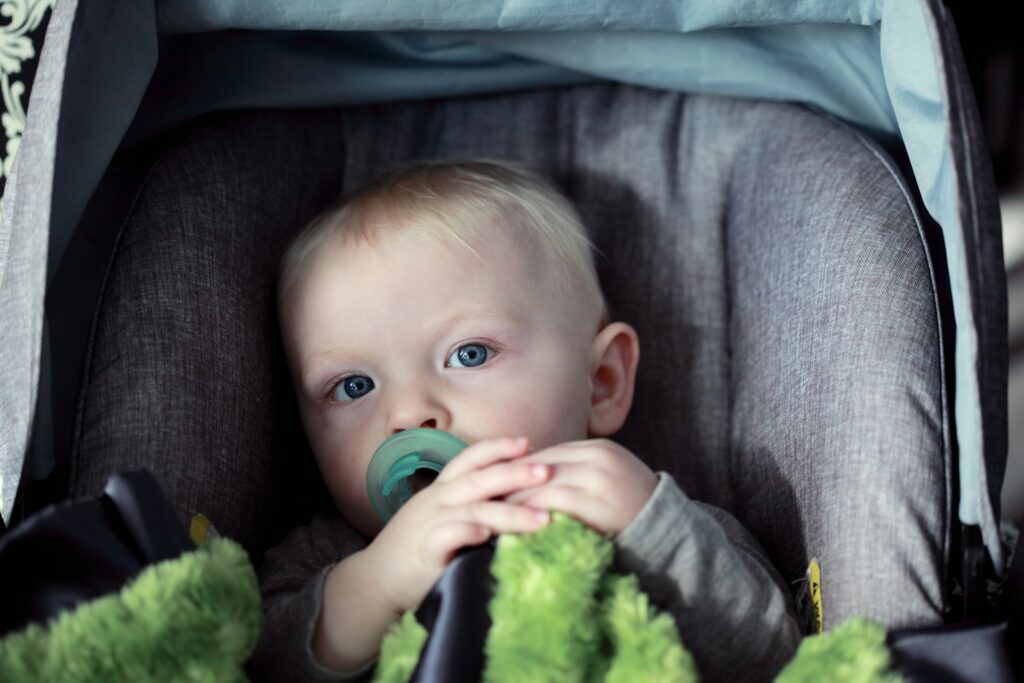
High chairs and car seats are essential safety tools, but only if they are used properly. Many parents unknowingly make mistakes, such as not securing straps tightly enough or using outdated or unsafe models. High chairs should always have a five-point harness to secure children safely, and car seats should be chosen according to their child’s age, weight, and height, ensuring that the seat is installed correctly in the vehicle. Parents should always follow manufacturer guidelines when using these items and regularly check for recalls or safety updates. Incorrect use of high chairs and car seats is a major risk and can lead to preventable injuries during daily activities.
Leaving Hot Objects or Liquids Unattended
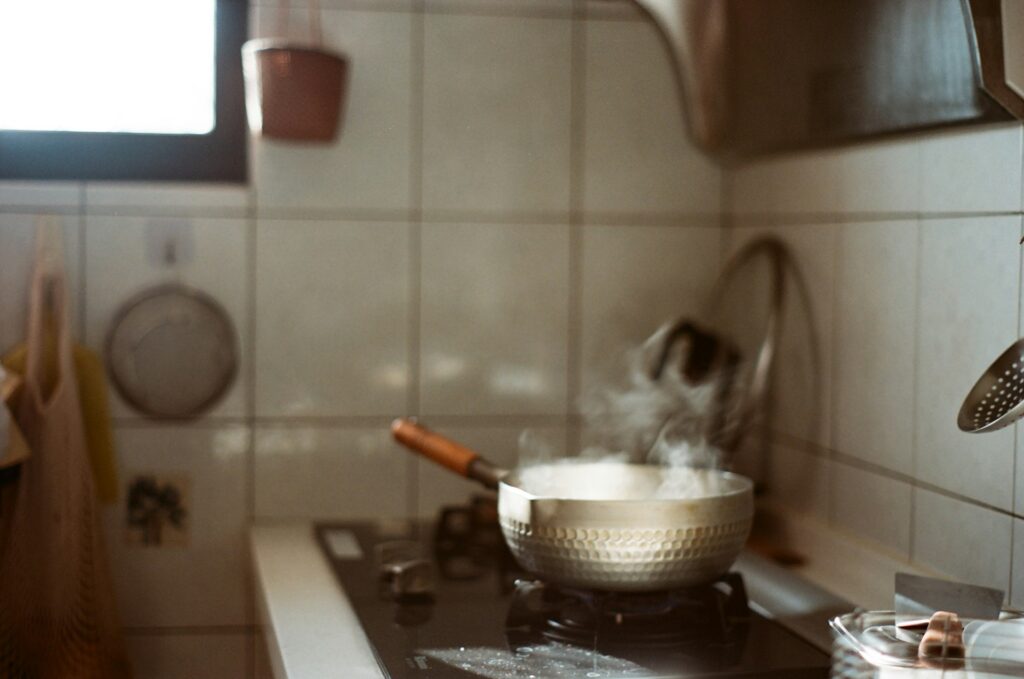
Parents often leave hot cups of coffee, boiling water, or cooking pans unattended while multitasking, unaware of the danger it can cause to curious little hands. Even the simplest of hot liquids can cause severe burns or scalds. It’s essential to be mindful of where hot objects and liquids are placed. Always keep hot items well out of reach of children, ideally in areas they cannot easily access. For example, cooking on the back burners of the stove, using kettle or pot lids, and placing cups or mugs on high countertops can prevent burns. Additionally, it’s a good practice to teach older children not to touch any hot objects, even when a parent is nearby.
Not Securing Heavy Items on Shelves or Cabinets

Heavy objects like books, vases, or large kitchen items should never be placed on high shelves or in cabinets without proper securing. Small children, particularly those who are beginning to walk or climb, may try to grab these items, and in the process, they can pull heavy objects down on themselves. This can lead to serious injuries, including head trauma or broken bones. Parents should make sure to anchor furniture, such as bookshelves, dressers, and TVs, to the walls to prevent them from tipping over. It’s also a good idea to place heavier items on lower shelves and store dangerous items (like glassware) in cabinets that are out of reach.
Failing to Supervise Children Around Water

Drowning is a leading cause of death in children, and most of these incidents occur in the home, especially in bathtubs, pools, and even buckets of water. While it may seem like an ordinary activity, parents should always supervise their children when they are near water, no matter how shallow it may seem. Even a few inches of water can be dangerous for infants and toddlers. It’s essential to install safety gates around pools, never leave children unattended in the bathtub, and ensure that buckets or containers of water are emptied immediately after use. Never rely on “just a minute” to check on your child when they are around water – accidents can happen in the blink of an eye.
Not Educating Children About Household Safety
Parents often assume that their children will naturally learn about safety as they grow older. However, it’s important to actively educate children about potential dangers around the house. Simple lessons about what to touch, what to avoid, and how to stay safe can go a long way in reducing the risk of injury. For example, children should be taught to never touch electrical outlets or appliances with wet hands, how to handle sharp objects like knives, and the importance of staying away from chemicals. Teaching them how to respond to emergency situations, like fire drills or what to do in case of an injury, can also be lifesaving.
Overloading Electrical Outlets
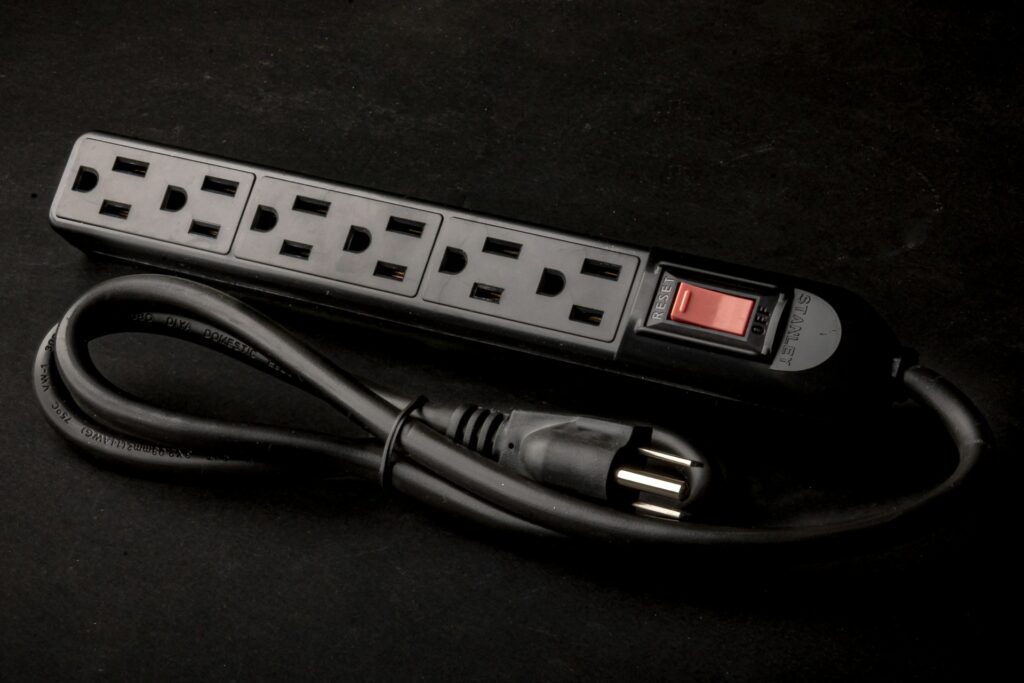
Electrical outlets, particularly those in older homes, can pose a hidden risk to children. It’s common to overload outlets with multiple plugs, which can cause overheating, short circuits, or even fires. In addition, children may be tempted to insert objects like forks or pencils into open sockets, risking electrical shocks. Parents should use outlet covers to keep young children from accessing electrical outlets and avoid using extension cords excessively. It’s also a good idea to have an electrician inspect older outlets to ensure they are up to modern safety standards, and if any are faulty, they should be replaced immediately.
Relying Too Much on Baby Monitors
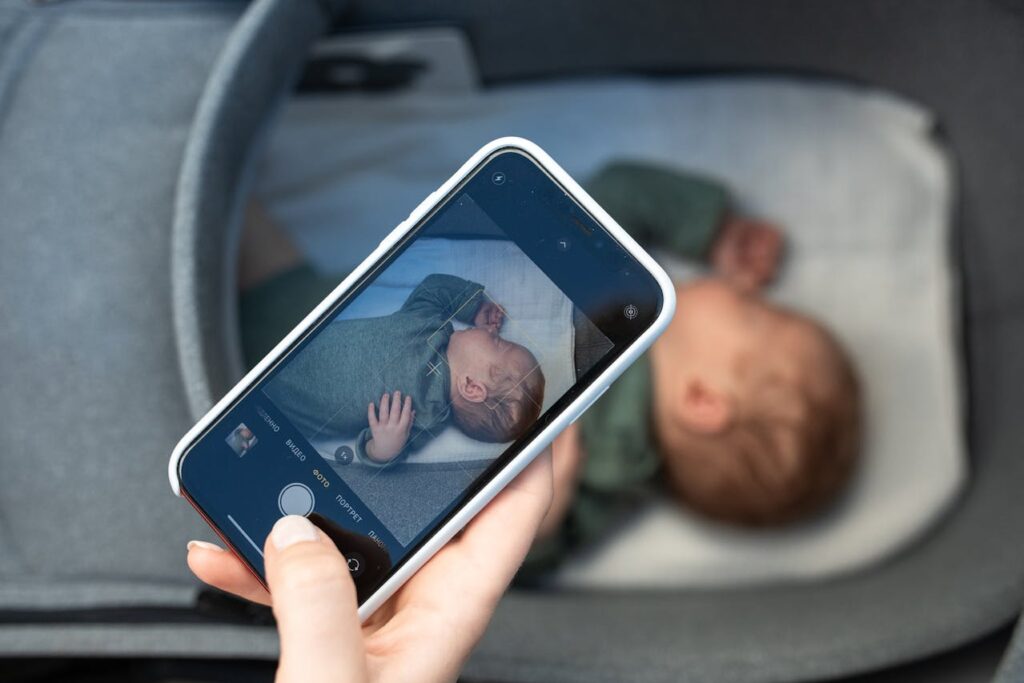
Baby monitors can be incredibly helpful, but they should never replace physical supervision. Parents may mistakenly believe that they can leave their child unattended in another room because they have a monitor, but this can be a dangerous habit. Baby monitors provide useful information, but they can’t prevent accidents from happening. It’s essential to regularly check on your child even if you have a monitor, especially when they are babies or toddlers. Additionally, avoid placing baby monitors too close to the crib, as the cords can pose a strangulation risk.
Parents often think that certain behaviors or small habits won’t cause harm, but these seemingly minor mistakes can have major consequences. It’s crucial to be proactive about safety and continuously reevaluate the practices that are in place. By breaking these dangerous household habits, parents can protect their children and create a home environment where they can grow and explore without unnecessary risks.