Tourism has become both a blessing and a burden for many destinations. While travelers bring economic growth, they can also strain local resources, harm the environment, and disrupt daily life. In response, some countries are starting to consider visitor limits to preserve their beauty and balance. Whether it is protecting fragile ecosystems or easing the pressure on overcrowded cities, these nations are rethinking what sustainable travel means. Here are ten countries that may soon start putting boundaries on tourism to save what makes them special.
1. Italy
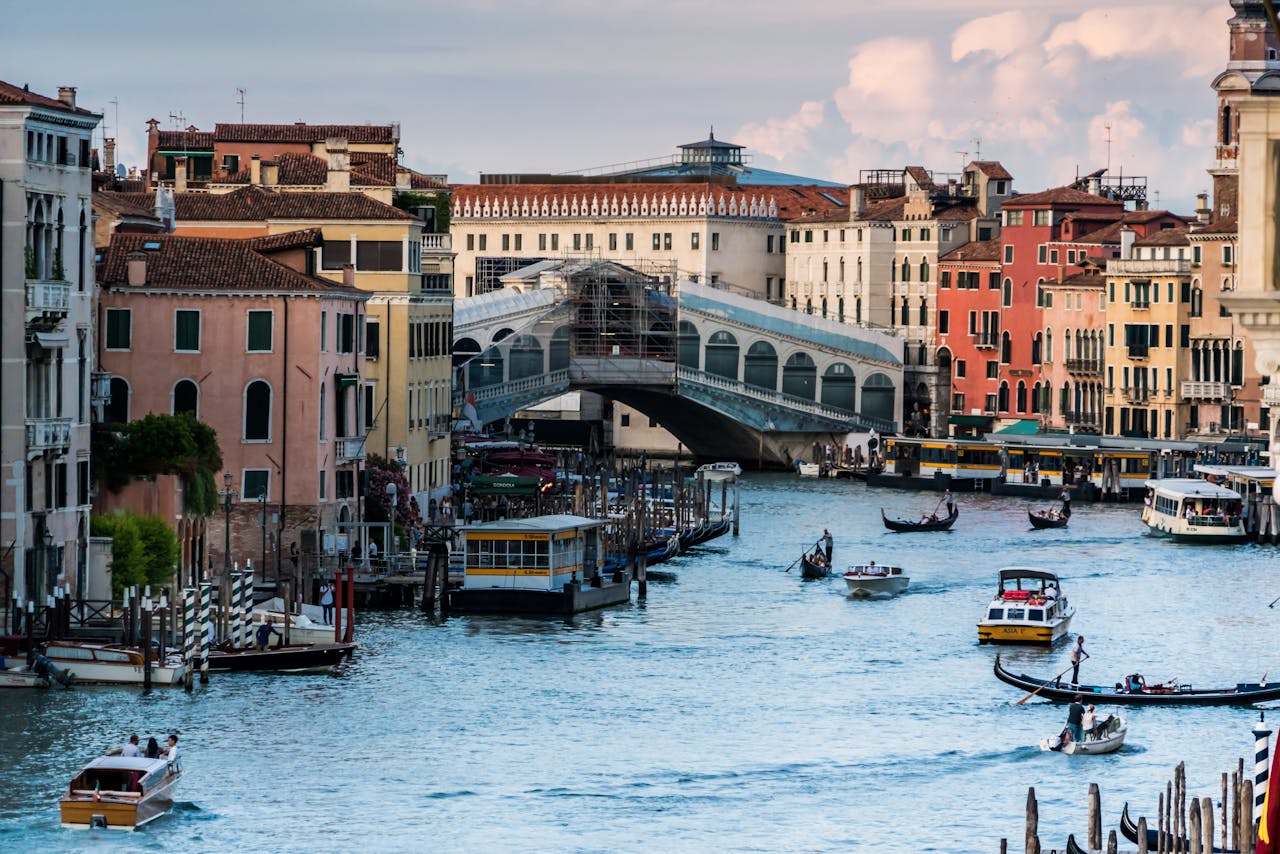
From Venice to the Amalfi Coast, Italy faces overwhelming crowds year after year. Cities are struggling to maintain infrastructure, preserve historical sites, and manage the cost of mass tourism. Venice has already started charging day-tripper fees and considering caps on cruise ships. Other popular spots like Cinque Terre are following suit, as narrow pathways and local housing shortages make daily life challenging for residents. Authorities are looking for ways to strike a balance between hospitality and preservation before tourism erodes the charm that makes Italy irresistible.
2. Japan
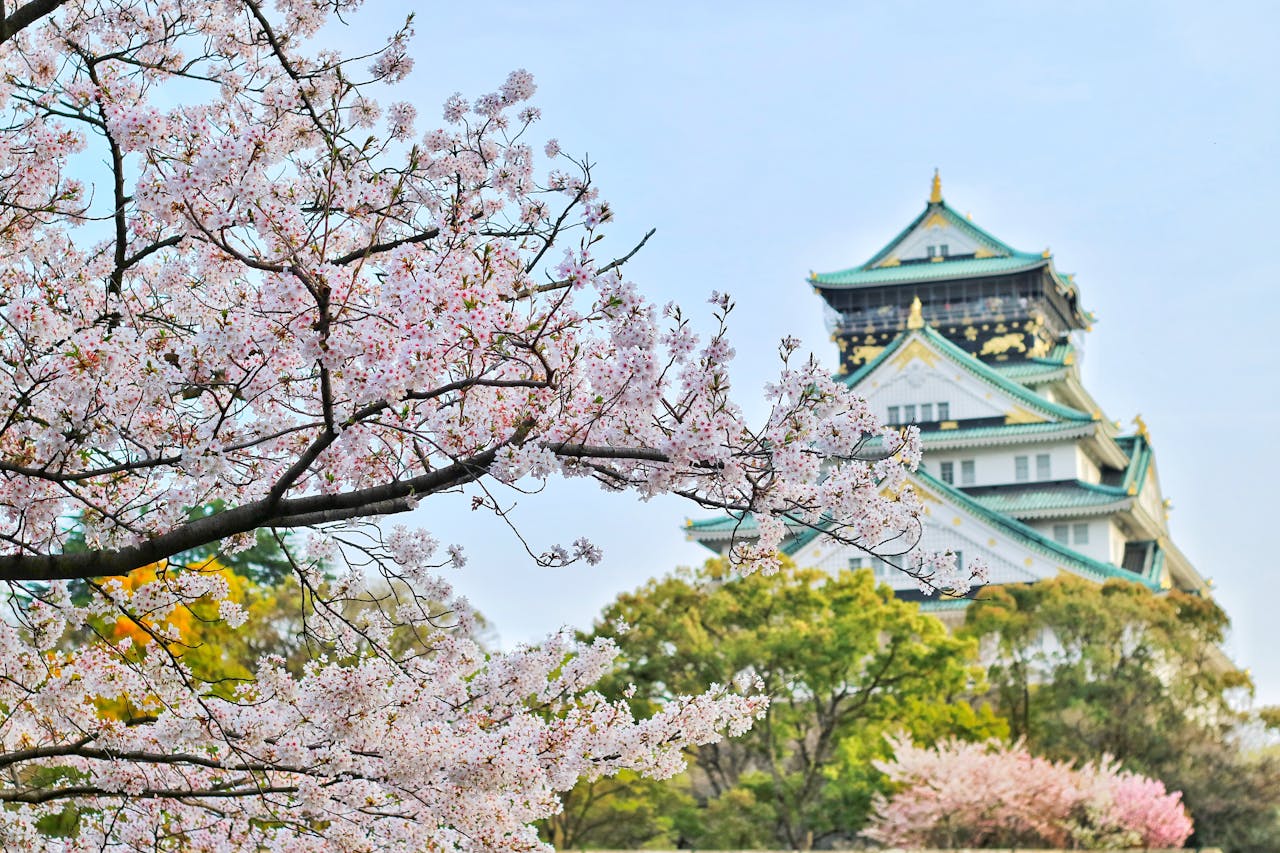
Japan’s appeal is global, with millions drawn to its temples, cherry blossoms, and cuisine. However, overtourism is starting to wear down its serenity. Kyoto’s narrow streets and sacred temples are seeing more foot traffic than ever, and residents have voiced frustration at noise, litter, and crowded public spaces. Japan is now experimenting with digital entry systems for certain attractions and discussing seasonal restrictions to protect its cultural heritage. The goal is not to deter visitors but to ensure that tourism enhances rather than disrupts the harmony that defines Japanese life.
3. Iceland
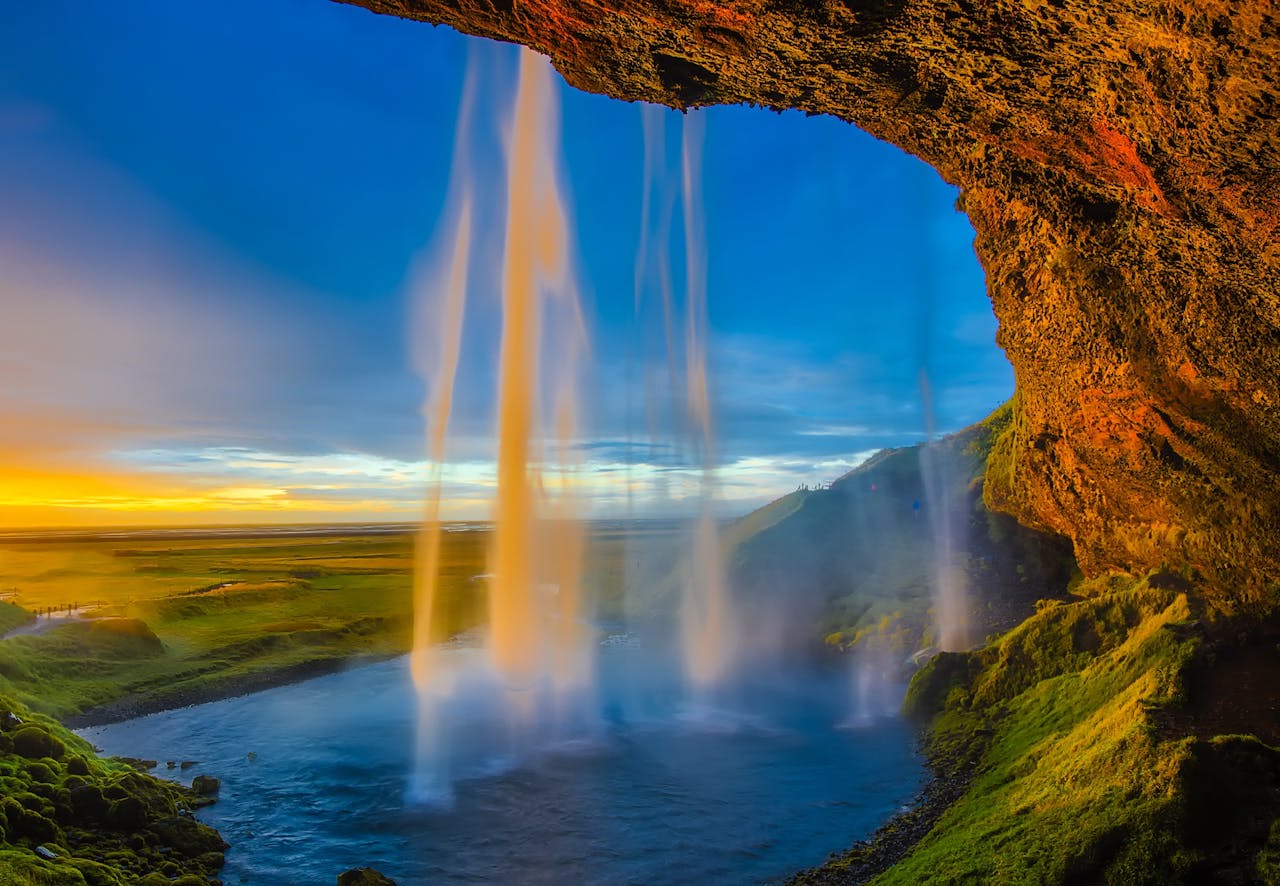
Iceland’s otherworldly landscapes once felt untouched, but a surge in tourism has changed that. Fragile moss fields, glacial lagoons, and volcanic trails are feeling the impact of constant foot traffic. The small population struggles to maintain facilities for millions of annual visitors, and locals worry that natural beauty may be compromised. The government has been debating stricter limits on visitors to certain natural sites, higher environmental fees, and sustainable travel campaigns to ensure Iceland remains pristine for future generations to enjoy.
4. Greece
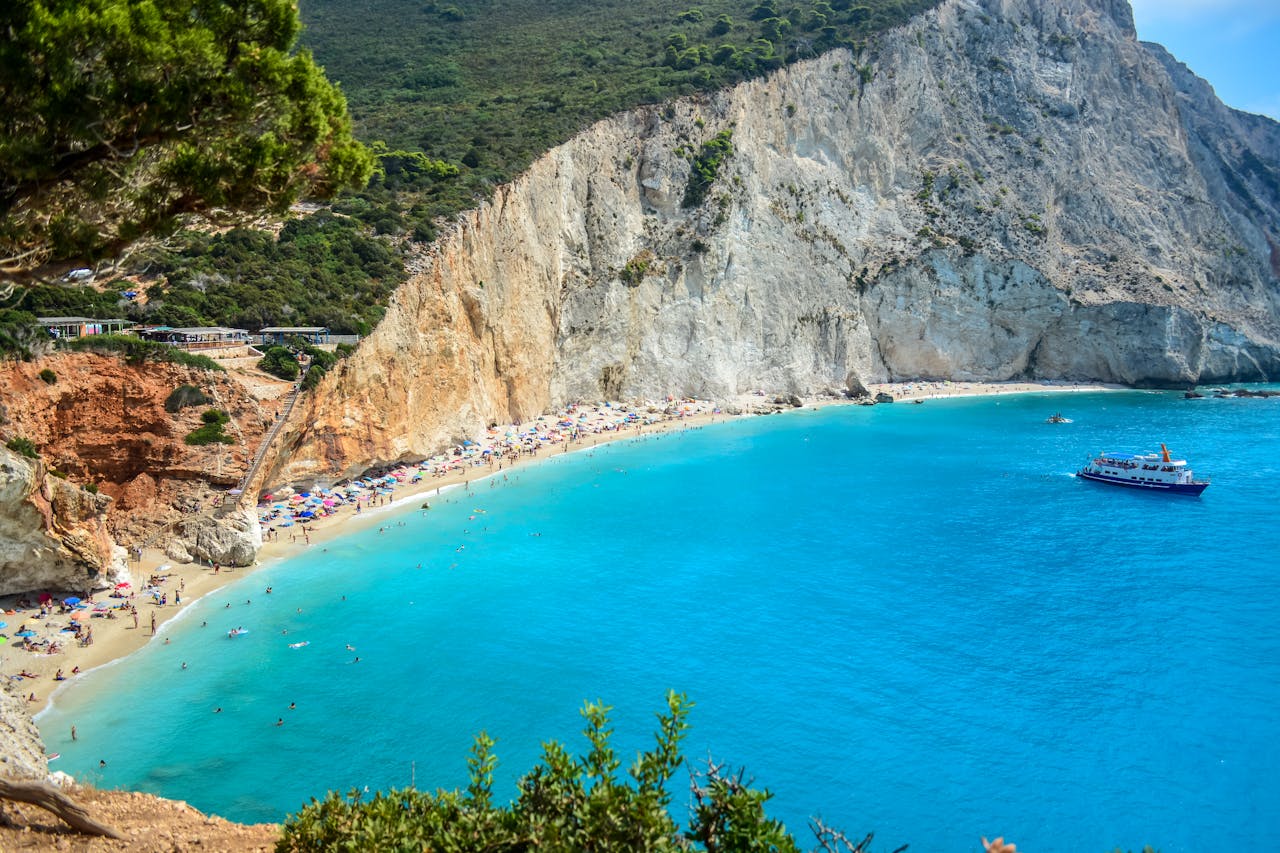
Greece has long been a dream destination, but the surge in post-pandemic tourism is taking its toll. The narrow streets of Santorini and Mykonos are often packed beyond comfort, while ancient ruins in Athens face wear from excessive footfall. Authorities have begun introducing entry caps at the Acropolis and are considering limits on cruise ships. Locals increasingly support these measures, realizing that sustainable tourism protects both their heritage and their way of life. Greece’s focus is shifting from quantity to quality when it comes to travelers.
5. New Zealand
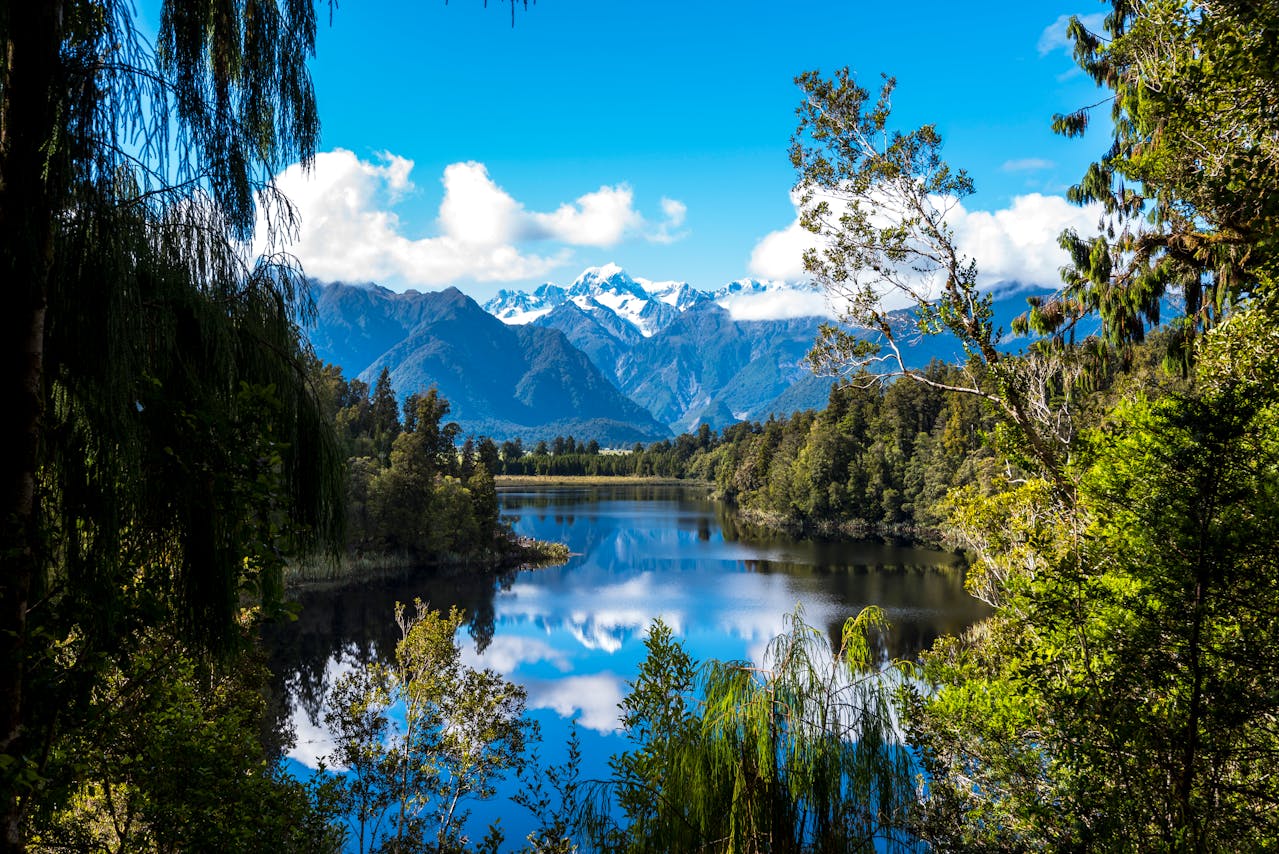
New Zealand’s natural landscapes draw millions seeking tranquility and adventure, but even this sparsely populated country is feeling the strain. Hiking trails, national parks, and wildlife areas face erosion and waste issues caused by mass tourism. The government is evaluating visitor management systems, including potential fees or limits for popular spots like Milford Sound. Locals value their country’s clean and green image, and tighter regulations are seen as necessary to ensure that the beauty of Aotearoa remains unspoiled for generations to come.
6. Thailand
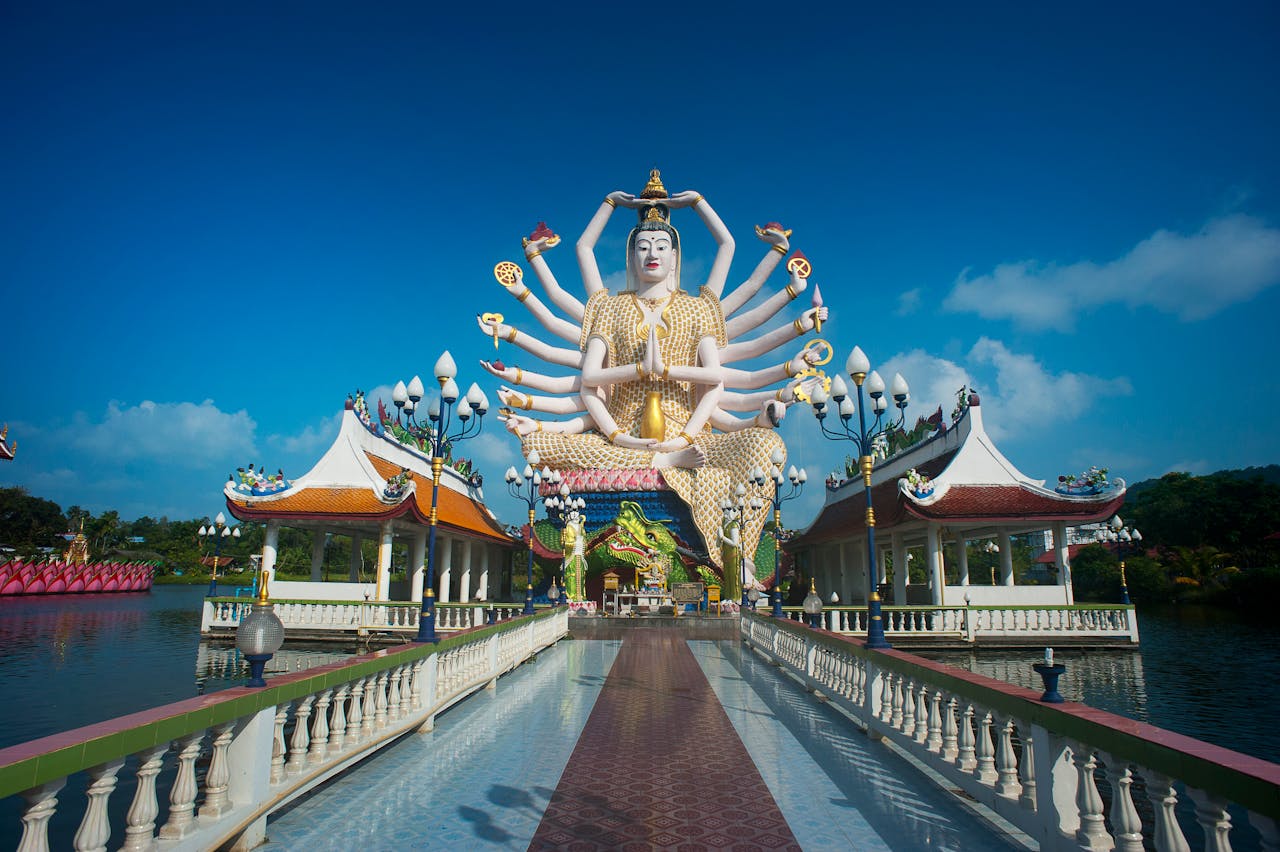
Thailand’s beaches and temples attract travelers from across the world, but over-tourism has led to ecological damage, especially in coastal areas. Maya Bay, once made famous by a movie, was forced to close for several years to allow coral and marine life to recover. Authorities now impose strict daily visitor limits there and are considering similar measures for other islands. Thailand’s approach shows a growing recognition that natural beauty has limits and that sustainable management is key to preserving what makes the country so inviting.
7. Spain
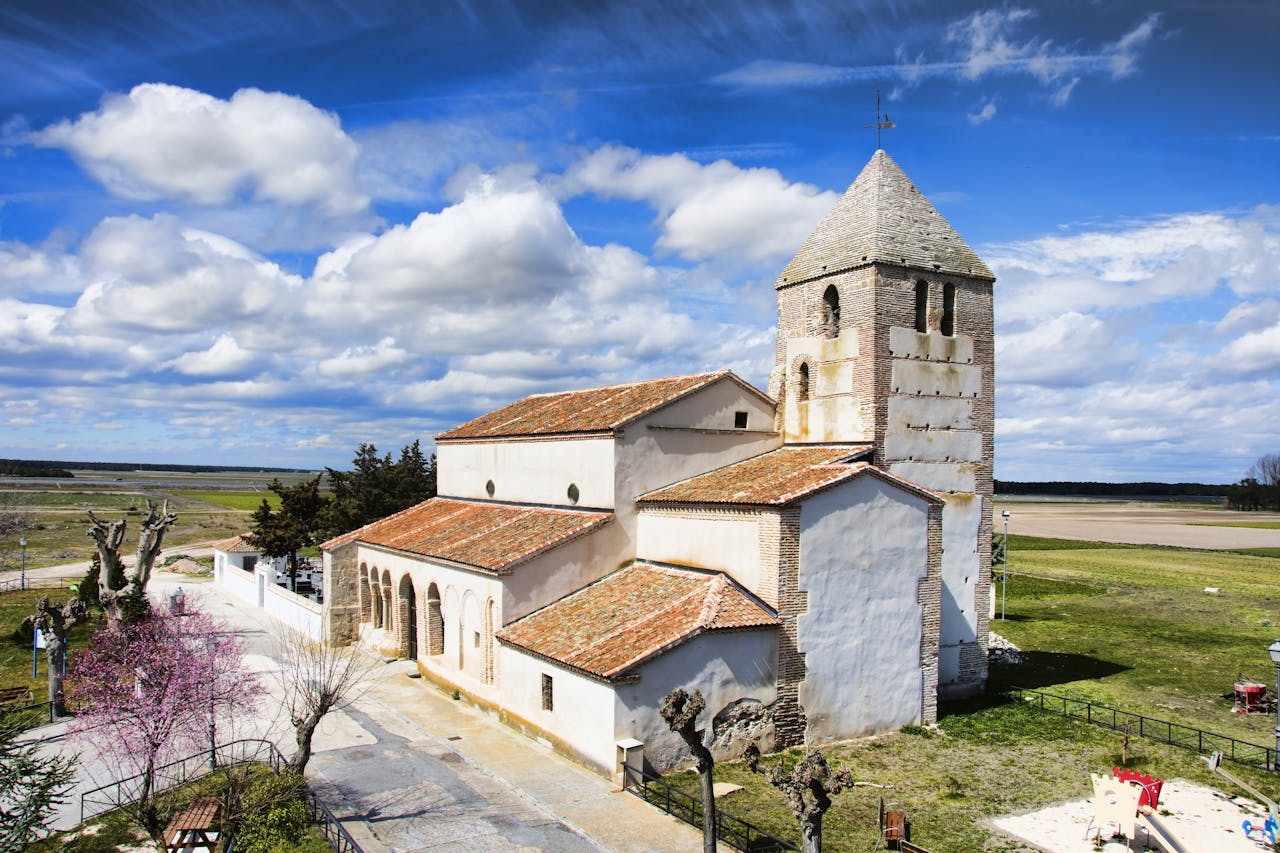
Spain’s tourism boom has brought both prosperity and problems. Cities like Barcelona and Mallorca are battling housing shortages as vacation rentals drive up rents, and locals often protest against the overwhelming crowds. Authorities have introduced tourist taxes and are discussing caps on cruise arrivals. Smaller destinations, too, are exploring regulations to protect beaches and cultural landmarks. Spain is aiming to shift toward slower, more responsible tourism that respects local life while keeping its vibrant culture accessible to those who appreciate it.
8. Croatia
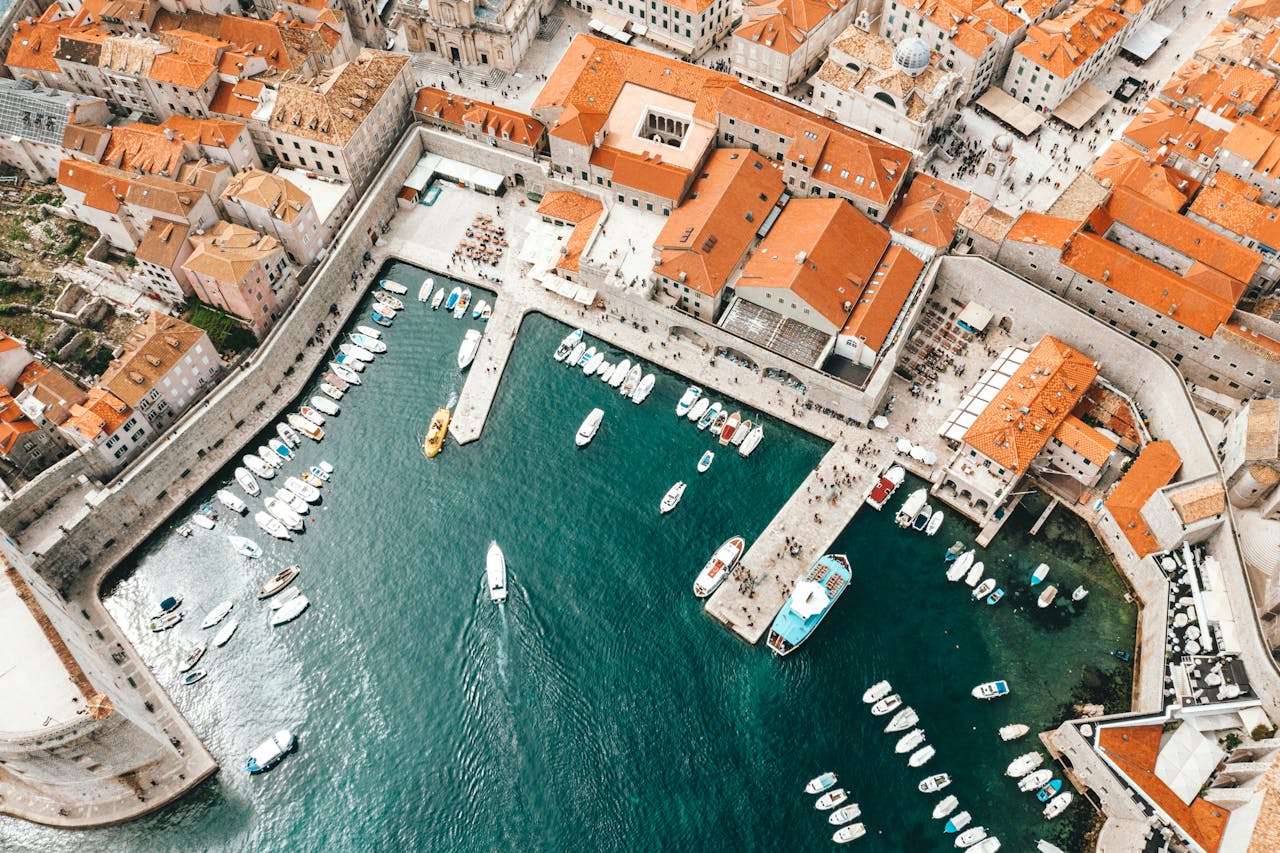
Since joining the European Union, Croatia’s tourism numbers have exploded, especially in coastal cities like Dubrovnik. The medieval walls that once kept enemies out now struggle to handle waves of tourists. To preserve its old town, the city has already introduced caps on cruise ship arrivals and limits on visitor entry at certain times. The government is working on broader policies to manage growth sustainably. Croatia’s story highlights the challenge of keeping cultural treasures open to the world without letting them be consumed by it.
9. Indonesia
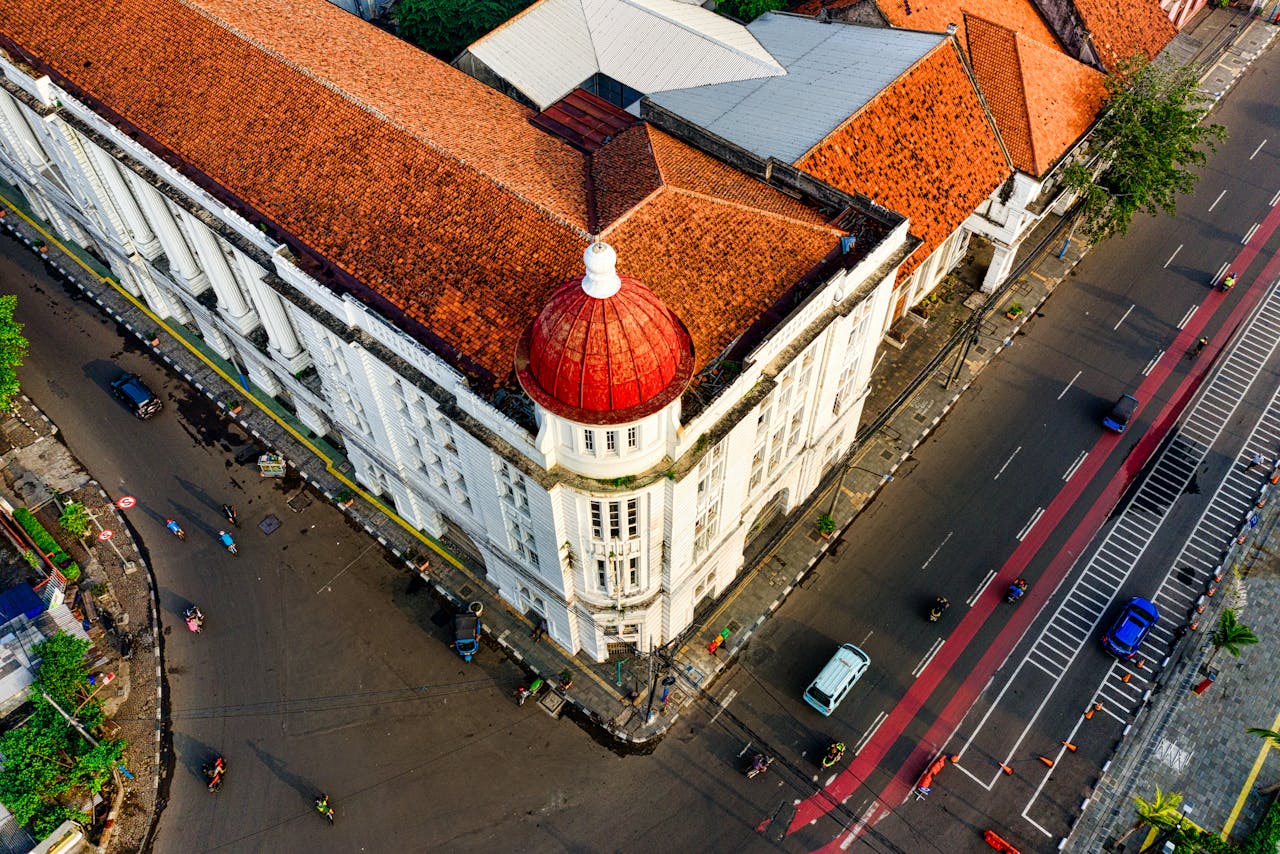
Indonesia, particularly Bali, faces one of the most intense tourism pressures in Asia. The island’s fragile ecosystem, waste management issues, and cultural shifts have sparked serious concerns among locals. Authorities have begun discussing new environmental fees, restrictions on rowdy behavior, and limits on cheap short-term rentals. Other regions like Komodo Island have even considered closing to tourists temporarily. Indonesia’s leaders want to preserve both its natural beauty and cultural integrity, ensuring that tourism benefits locals instead of overwhelming them.
10. France
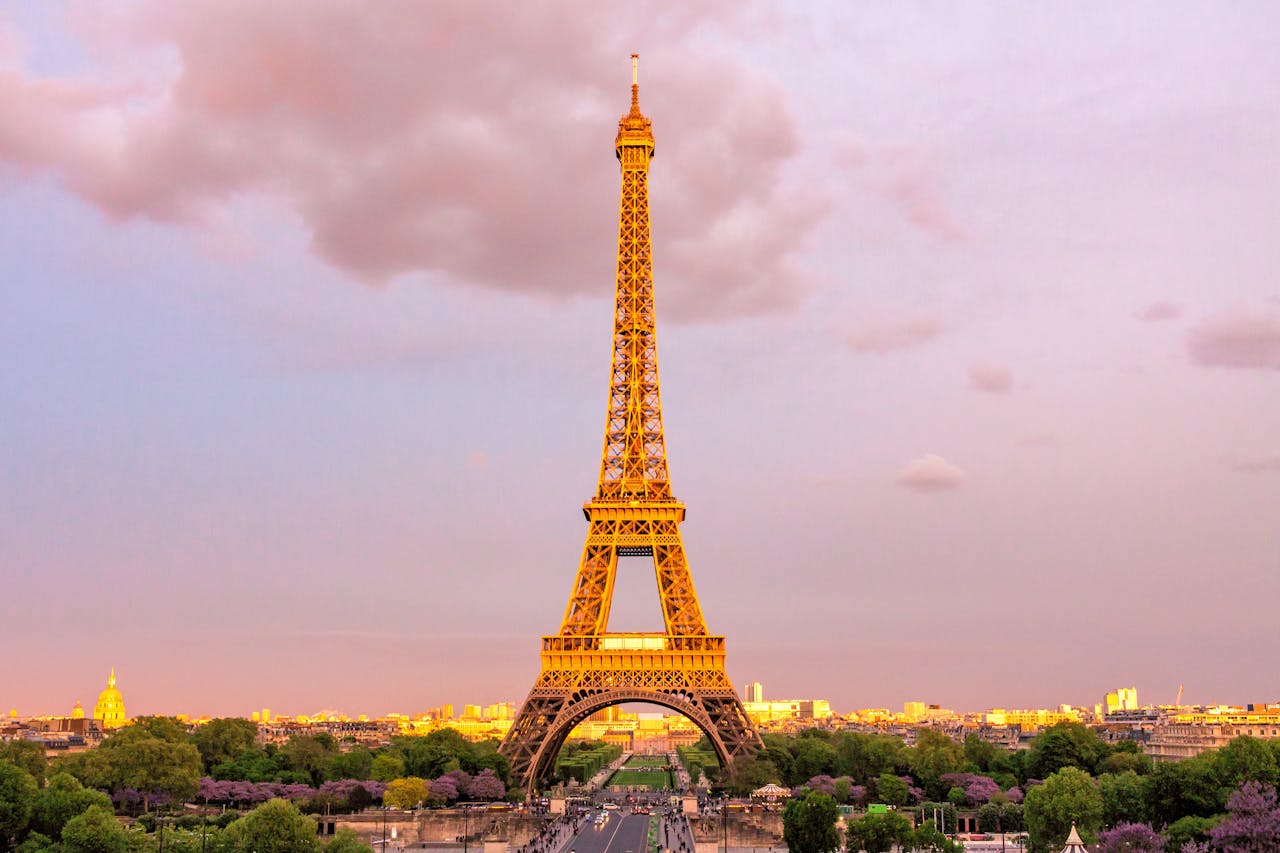
France remains the world’s most visited country, but even it is showing signs of strain. Paris grapples with overcrowded landmarks, while smaller regions like Provence and the Loire Valley see surges in seasonal tourism that disrupt local life. The government has started discussing quotas for sensitive areas and promoting lesser-known destinations to distribute crowds more evenly. France’s efforts are part of a larger European trend toward sustainable tourism that values cultural preservation over unchecked growth.
Tourism can be a bridge between cultures, but it can also test the limits of sustainability. As travel becomes more accessible, destinations are learning that protecting their identity means making difficult choices. Limiting tourists may sound restrictive, but it is ultimately about preserving the spirit of a place for those who live there and those yet to visit. These countries are not turning away travelers, they are simply asking the world to tread lightly and travel wisely.