

Parenting is a journey filled with good intentions and heartfelt efforts to nurture and protect children. However, sometimes habits that parents adopt to help or discipline their kids can unintentionally cause stress or anxiety. Understanding these common patterns can help parents create a more supportive and calm environment for their children to thrive. Recognizing and adjusting these habits can make a significant difference in how children feel emotionally and mentally.
Over-Scheduling Their Lives

Many parents want their children to be involved in as many activities as possible, from sports to music lessons and tutoring. While this may seem beneficial, cramming too many commitments into a child’s schedule can overwhelm them and leave little time for rest or free play. Kids often feel pressured to perform well in every activity, which can lead to burnout. Allowing children some downtime is essential for their mental well-being and creativity.
Constantly Correcting or Criticizing

While guidance is important, persistent correction or criticism can make children feel like they are never good enough. When parents focus mostly on what kids do wrong, children may develop low self-esteem or anxiety about making mistakes. Encouraging effort and progress rather than perfection helps build confidence and a healthy mindset. Balancing correction with positive reinforcement fosters a safer emotional space for growth.
Setting Unrealistic Expectations

Parents naturally want the best for their children, but placing overly high expectations on grades, behavior, or achievements can create undue pressure. Kids might feel they have to meet standards that are hard to sustain, which can lead to stress and fear of failure. It’s important for parents to set realistic, age-appropriate goals and celebrate progress, not just end results. Accepting children’s individuality allows them to flourish at their own pace.
Using Threats or Harsh Punishments

Threatening children or using harsh punishments to control behavior can cause fear and confusion rather than understanding. Kids may become anxious or withdrawn if they feel unsafe or unsure about what might trigger a punishment. Effective discipline involves clear communication, empathy, and consistency without intimidation. Teaching problem-solving skills and natural consequences supports healthier emotional development.
Overprotecting and Not Allowing Independence
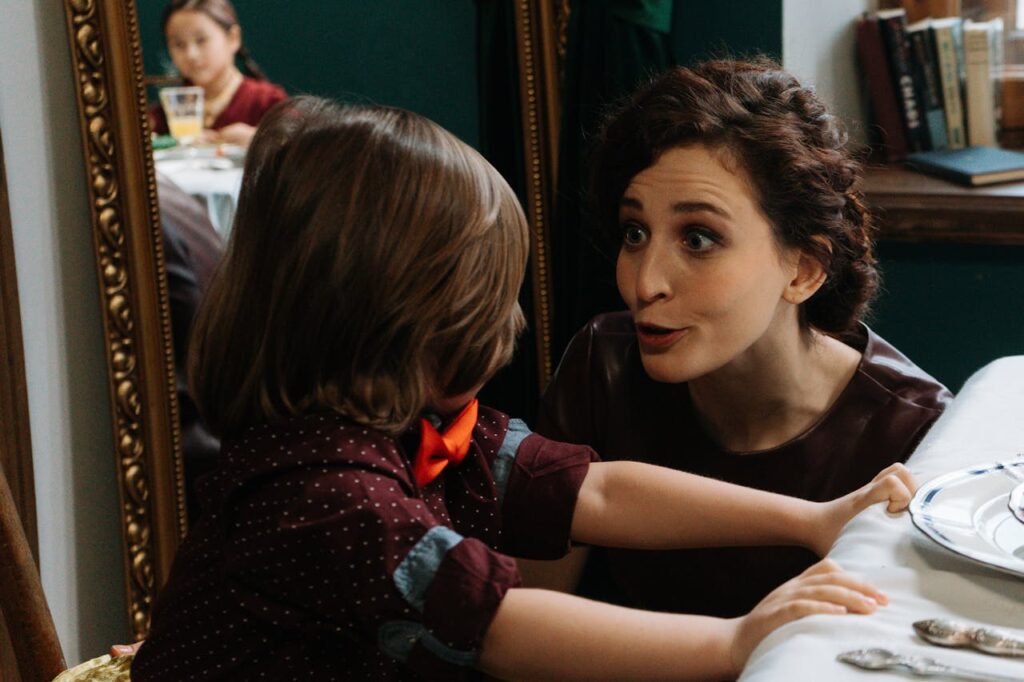
While safety is a priority, excessive hovering or preventing kids from making decisions can limit their confidence and problem-solving abilities. Children need opportunities to explore, make mistakes, and learn from experiences on their own. When parents do everything for their children, it can unintentionally communicate a lack of trust in their capabilities. Encouraging independence, even in small ways, builds resilience and self-esteem.
Comparing Them to Others
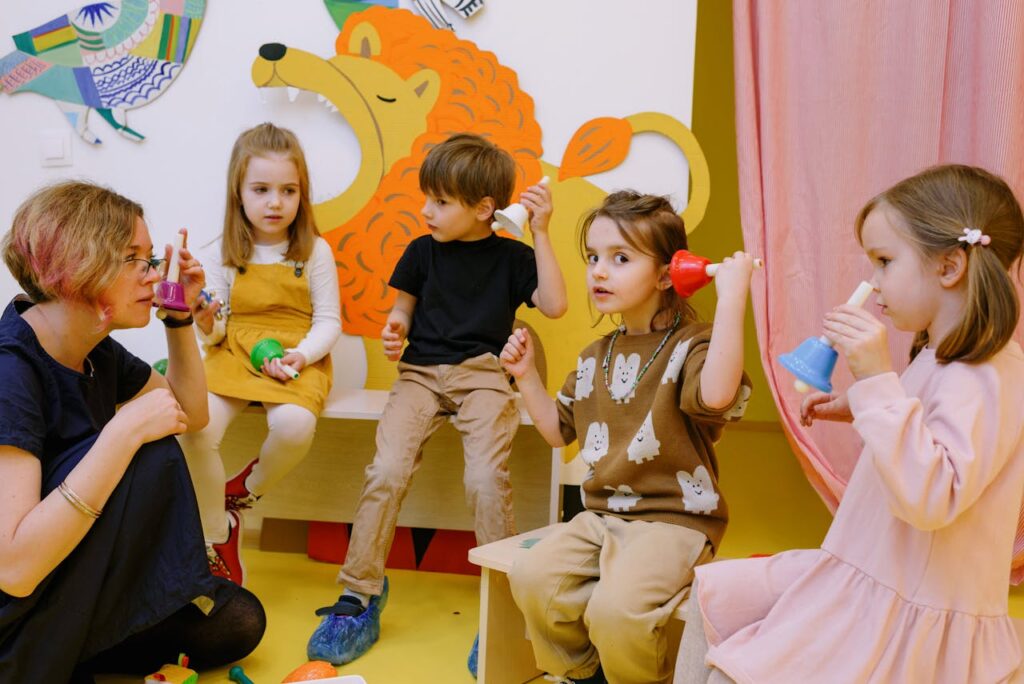
Parents sometimes compare their children to siblings, friends, or peers, hoping to motivate them to improve. However, this can make kids feel inadequate or resentful, damaging their self-worth and sibling relationships. Each child is unique, with different strengths and challenges. Focusing on individual growth and personal bests fosters a more positive and supportive environment.
Ignoring Their Emotional Needs

Children often express feelings through behavior, but parents might overlook or dismiss emotional cues, thinking they are just phases or attention-seeking. Ignoring emotional needs can cause children to feel misunderstood and isolated, increasing anxiety or acting out. Active listening and validating their feelings helps children develop emotional intelligence and feel safe sharing concerns.
Inconsistent Rules and Expectations

When household rules or consequences change frequently or are applied unevenly, children can become confused and anxious about what is expected. Consistency provides a sense of security and helps kids understand boundaries clearly. Parents who communicate and enforce rules fairly create a stable environment that reduces stress and promotes trust.
Rushing Conversations or Dismissing Questions

Children often ask many questions or need extra time to express themselves. When parents rush them or dismiss inquiries as unimportant, kids may feel ignored or discouraged from sharing. Taking time to listen patiently and respond thoughtfully strengthens communication and emotional connection. This openness helps children feel valued and supported.
Focusing Too Much on Achievement Over Effort

Highlighting only achievements such as grades or awards can make children feel pressured to perform rather than enjoy learning and growing. Praising effort, curiosity, and perseverance encourages a growth mindset and reduces fear of failure. When parents value the process, children are more likely to develop resilience and a lifelong love of learning.