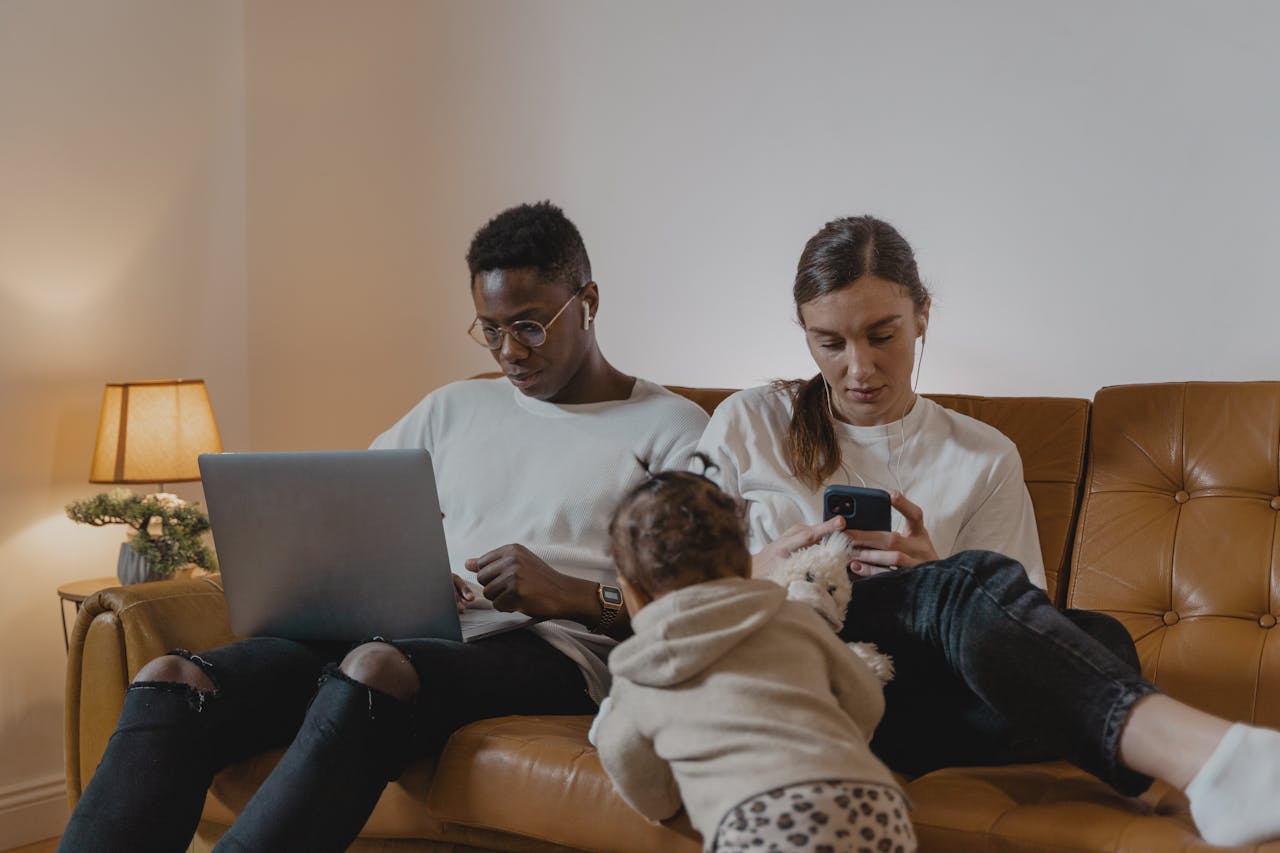
Children often feel stresses from patterns their parents may barely notice. As caregivers, our intentions may be good, but some repeated behaviors subtly strain the emotional atmosphere at home. Below is a look at habitual dynamics parents should be aware of and adjust if needed.
Micromanaging Decisions

When parents consistently control small choices, what clothes to wear, how to arrange a school bag, or even how to eat lunch, children can internalize a sense that they’re never trusted. Over time, they might doubt their own judgment or revolt against rules. Allowing small freedoms helps build decision-making confidence and reduces the feeling of chronic pressure. A balance between guidance and autonomy is healthier for emotional growth.
Criticism Framed as “Help”

Parents often correct children’s work, behavior, or choices under the guise of helpfulness. But when corrections are constant, children may hear only disapproval, not support. That breeds self-doubt, defensiveness, or shutting down emotionally. A better approach is to ask, “Would you like feedback?” or offer gentle suggestions rather than automatic critique.
Comparing Siblings or Others

“You should be more like your sister,” or comparisons to peers are common parental habits. Even if meant to motivate, this can cause sibling rivalry, low self-esteem, and resentment. Children internalize that they’re never “good enough.” Encouraging each child’s unique strengths and avoiding comparisons fosters healthier self-image and relationships.
Overemphasizing Achievement
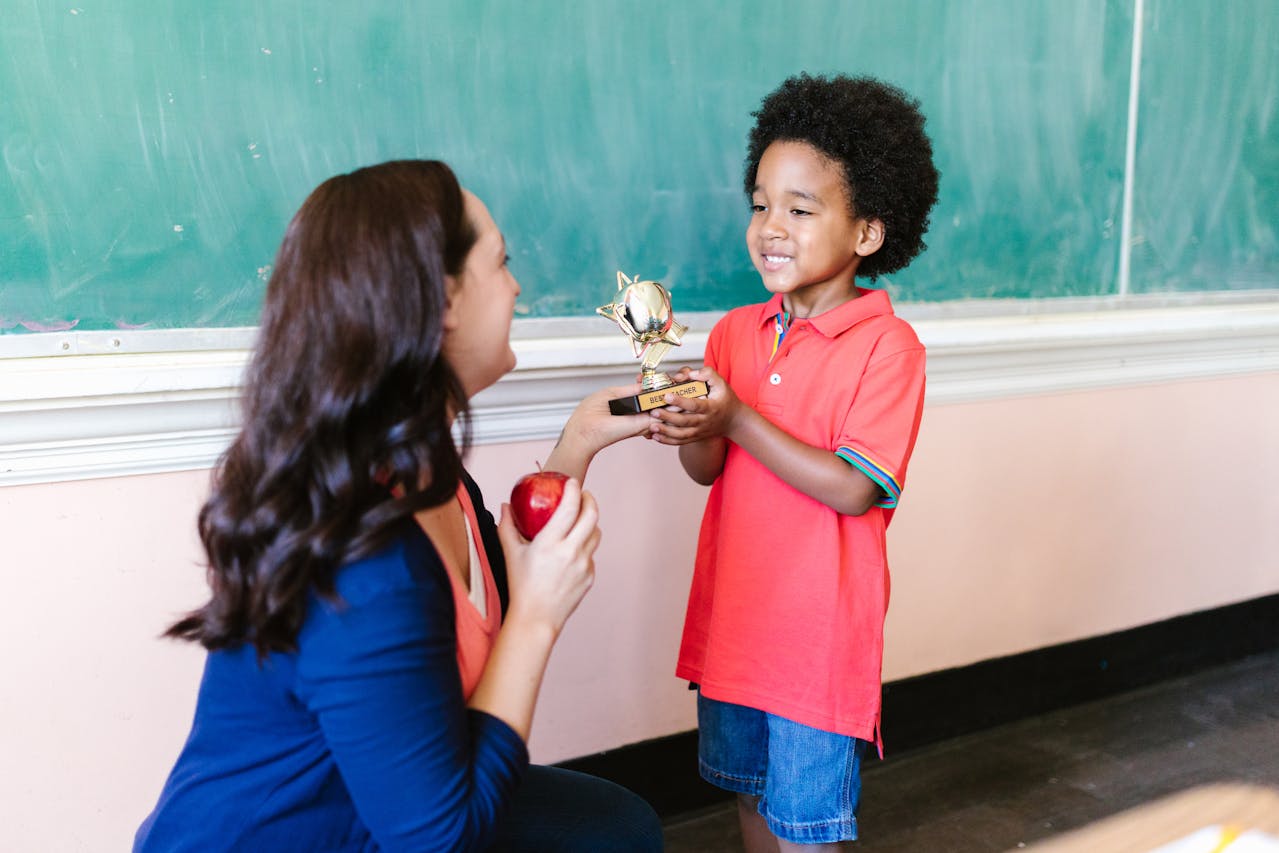
Praising grades, trophies, and sports performance continually places value on outcomes, not effort or character. When self-worth becomes tied to success, any failure or mistake becomes terrifying. Instead, parents should praise persistence, curiosity, kindness, or resilience, that tells kids they matter beyond results.
Inconsistent Rules and Reactions
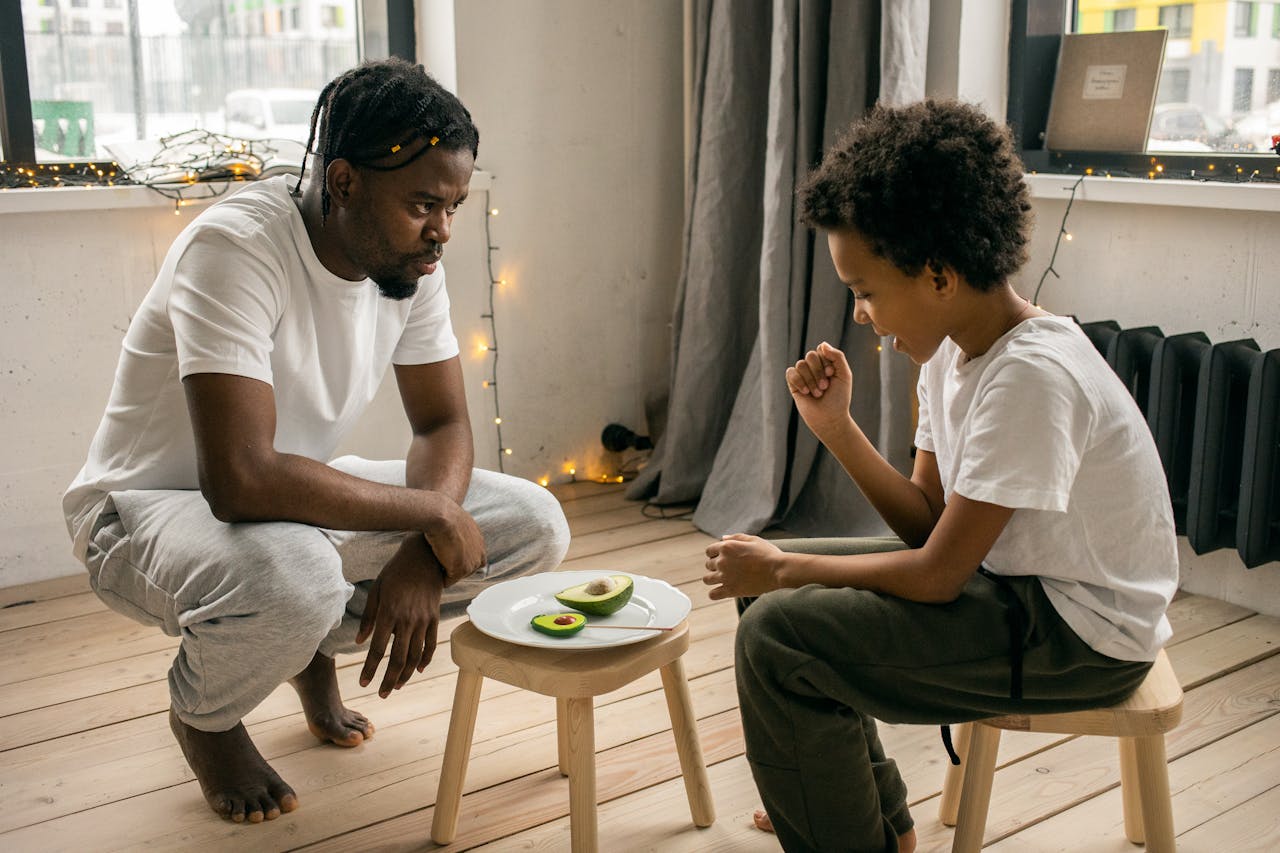
If the rules shift or consequences depend on mood, children will feel insecure and anxious. What was allowed yesterday may be forbidden today, and the emotional inconsistency stresses them. Clear, consistent expectations with reasoned boundaries make children feel safer and help them internalize responsibility.
Excessive Screen Monitoring
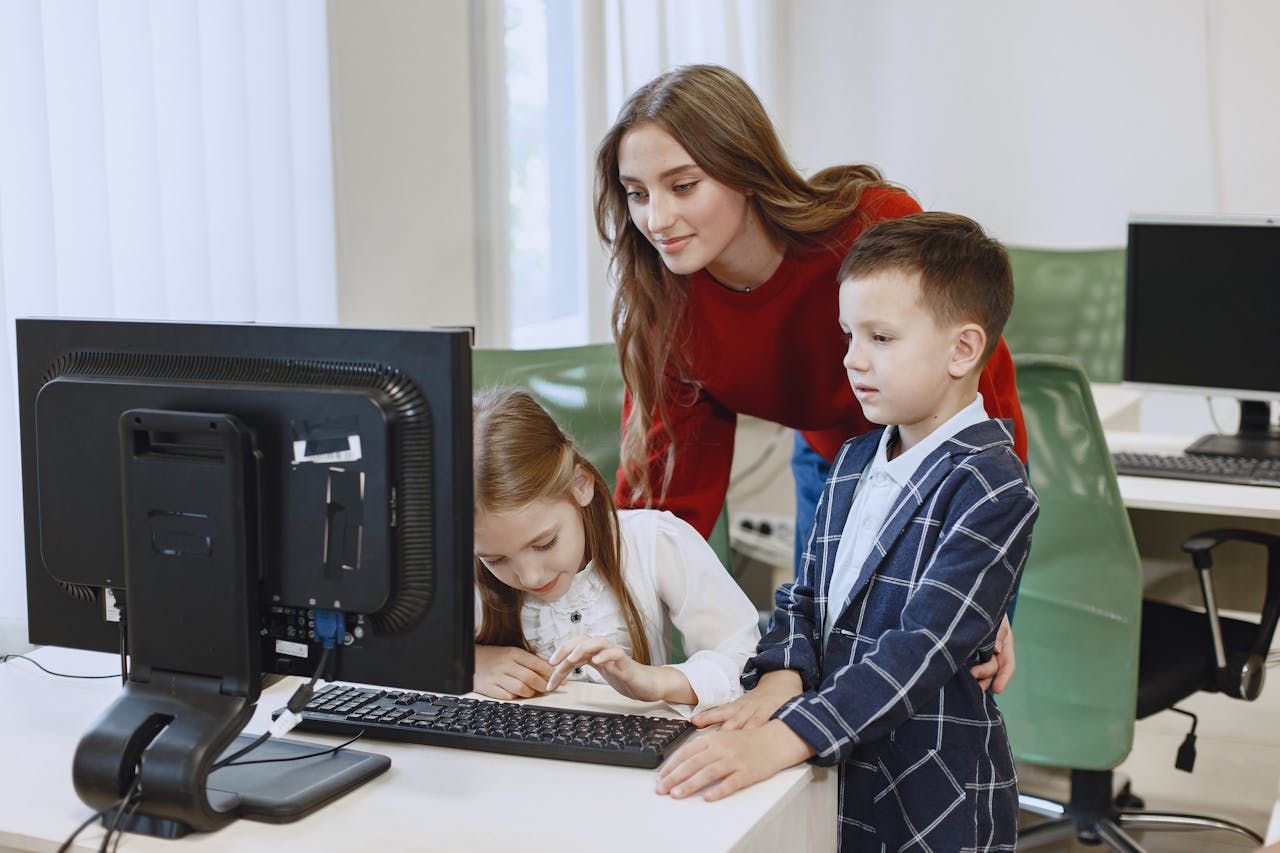
Constant checking of texts, social media, or browser history, even with good intentions, can erode trust and create suspicion. Kids may feel their privacy is violated and become secretive rather than open. Having open conversations and negotiated boundaries around devices typically works better than covert surveillance.
Using Guilt or Emotional Pressure

Statements like “After all I’ve done for you” or “If you loved me, you’d…” introduce guilt into relationships. That emotional weight can stress children and guilt-drive them into compliance, rather than healthy motivation. Parenting grounded in mutual respect and boundaries avoids guilt as a tool.
Neglecting Personal Emotional Regulation

When parents are overtired, anxious, or irritable, those emotions bleed into the home environment. Research shows parental stress and mood directly affect child behavior, such as reduced physical activity and increased screen time in children. If parents don’t model healthy coping and emotional regulation, children absorb instability and internal stress.
Interrupting or Lecturing
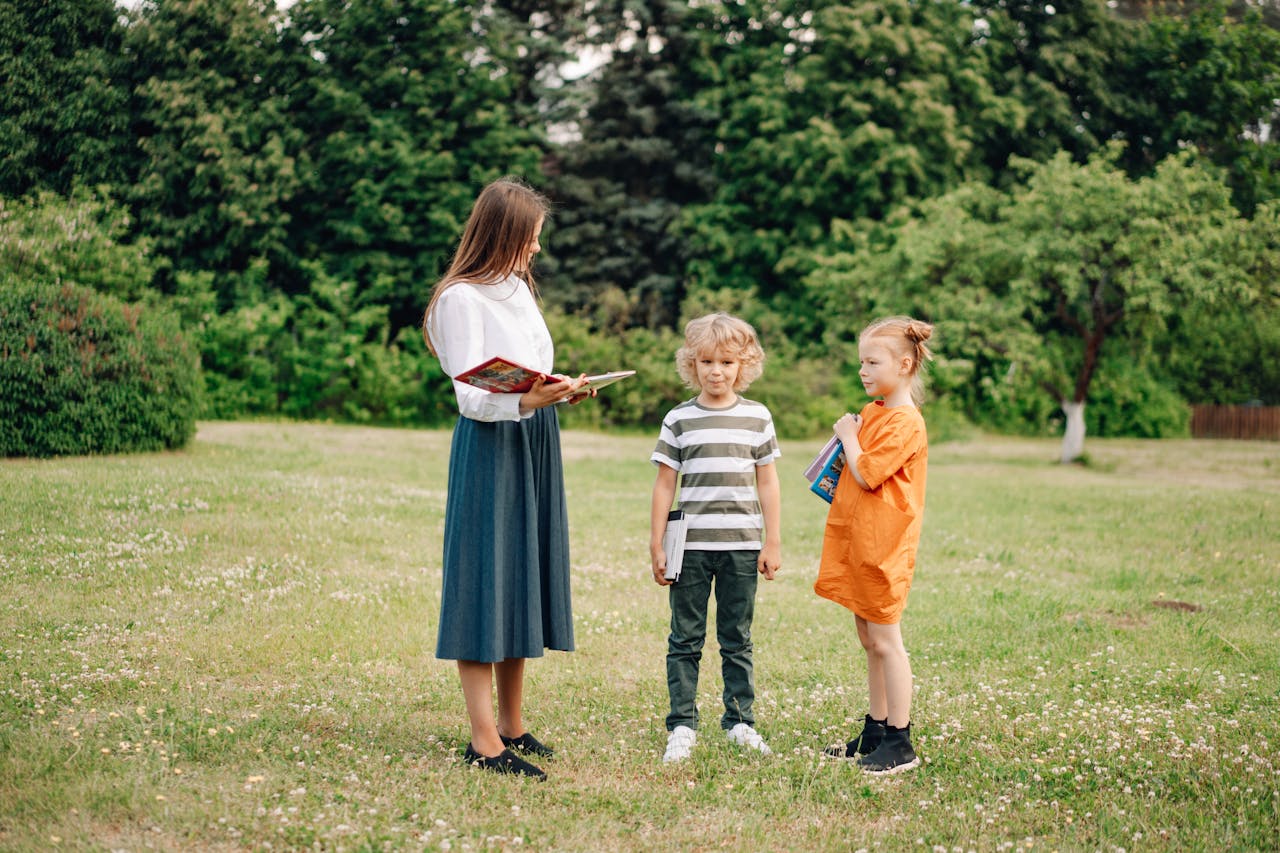
Launching into lectures when children are upset or talking over them can feel dismissive. Kids stop opening up when they don’t feel heard. Pausing, listening actively, and responding rather than lecturing keeps the line of communication open and lowers tension during conflicts.
Rewarding With Extrinsic Incentives
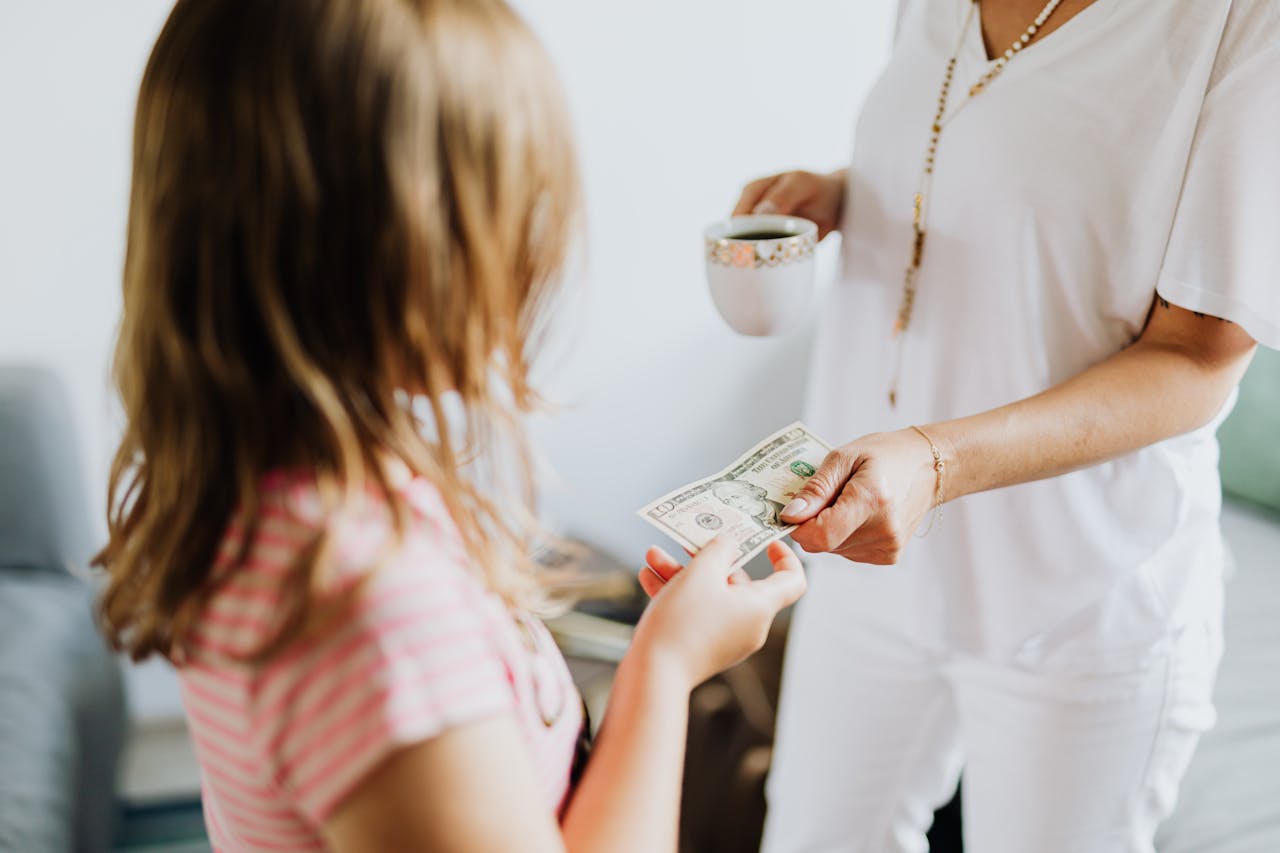
When parents rely on treats, gadgets, or money to motivate behavior, children begin expecting external pay for normal responsibilities. That can reduce intrinsic motivation and increase manipulation attempts. Encouraging the value of internal satisfaction, sense of contribution, and family cooperation fosters better character and lower tension.