Etiquette once provided a clear roadmap for polite behavior in social, professional, and even casual settings. But as society evolves, technology advances, and cultural norms shift, many traditional rules of courtesy are starting to fade away. What was once considered rude or improper is now met with casual acceptance—or has been replaced with new, modern standards. Let’s take a closer look at ten common etiquette rules that are rapidly losing their grip on everyday life.
Sending Thank-You Notes by Mail
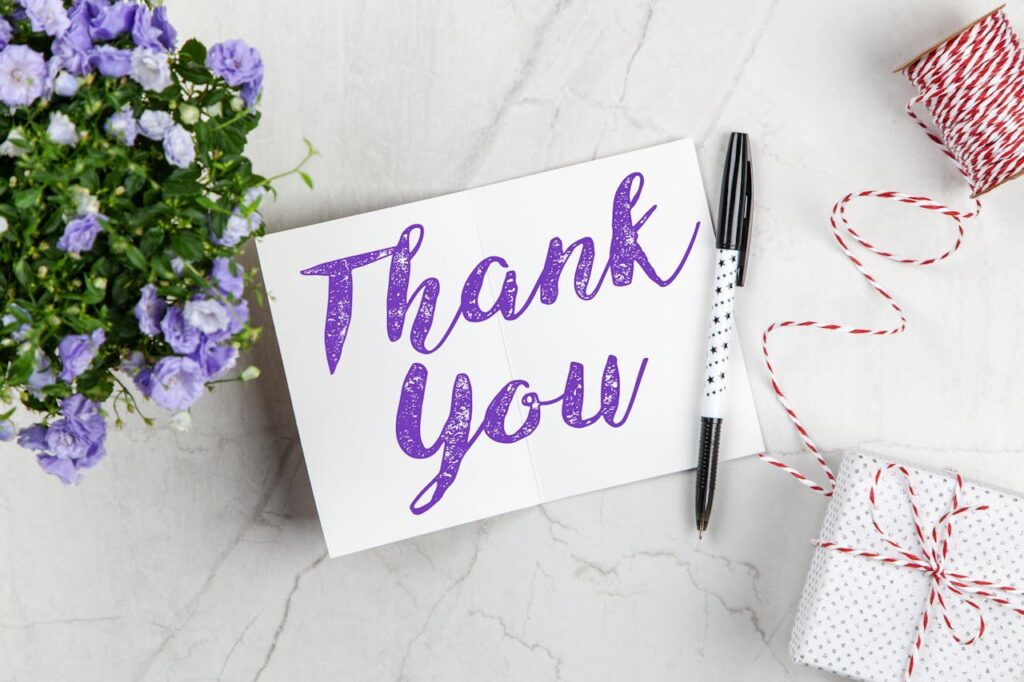
There was a time when handwritten thank-you notes were the gold standard for expressing gratitude. Today, many people opt for a quick text, email, or even a social media message instead. While the sentiment remains, the tradition of mailing a physical note is becoming less common, especially among younger generations. Convenience often wins out over formality, leaving the practice reserved for weddings, showers, or very special occasions. For many, the digital approach feels just as heartfelt, even if it’s less personal.
Answering Every Phone Call
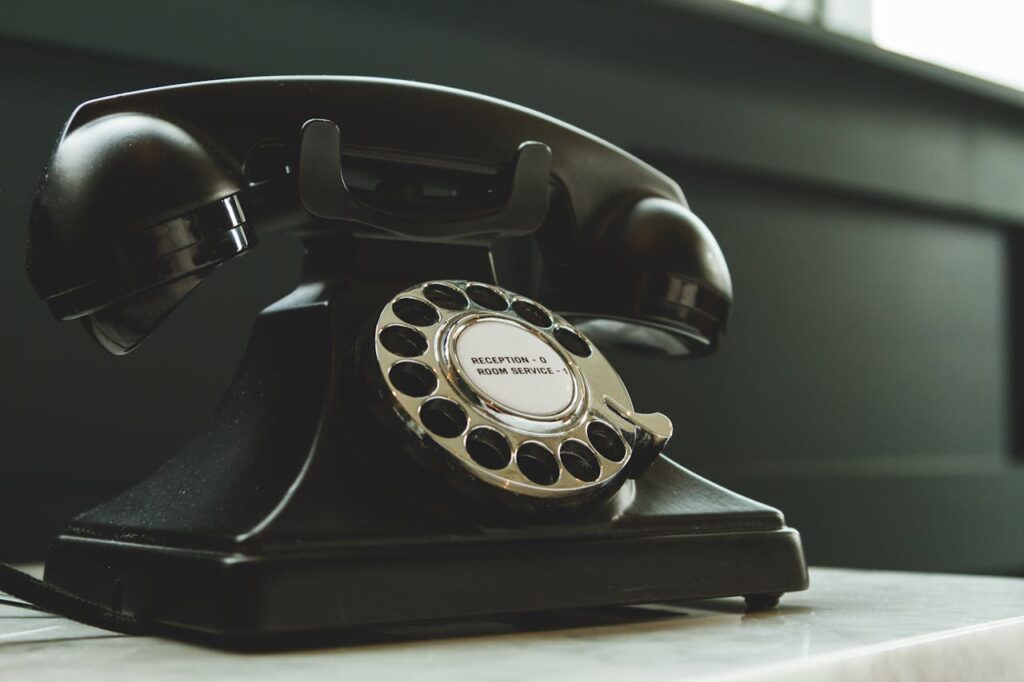
In the past, letting a call go to voicemail was considered rude or dismissive. Now, many people intentionally ignore calls and prefer texting or messaging instead. The expectation to always be available has shifted, with privacy and boundaries taking priority. Screening calls is seen as practical, not impolite, especially when spam and robocalls are so common. People increasingly believe a missed call isn’t a personal slight—it’s just part of modern communication.
Dressing Up for Travel

Air travel used to be a formal affair, with passengers donning suits, dresses, and polished shoes. Today, comfort reigns supreme, and leggings, hoodies, and sneakers have become standard airport attire. While some still appreciate dressing up for flights, the majority prioritize ease and practicality, especially on long journeys. The etiquette of travel attire has loosened as flying has become more routine and accessible. In most places, no one bats an eye at casual clothes in the terminal or on the plane.
Using Formal Titles

Addressing people as Mr., Mrs., or Miss was once a fundamental sign of respect. Nowadays, many interactions are on a first-name basis, even in professional settings. Titles often feel overly formal or outdated, especially among younger people who value equality and informality. While certain professions still hold onto these customs, the broader culture leans toward friendliness rather than rigid formality. This shift reflects changing attitudes about hierarchy and social distance.
Waiting to Eat Until Everyone Is Served

Good manners traditionally dictated that everyone should wait to start eating until all dishes were on the table. In modern, fast-paced life, this rule is often ignored, especially at casual meals. People might dig in as soon as their plate arrives, particularly when dining out or with kids. Busy schedules and a focus on practicality have loosened strict dining etiquette. Many now consider it polite simply to say, “Please start without me!” if their meal is delayed.
Writing in Cursive
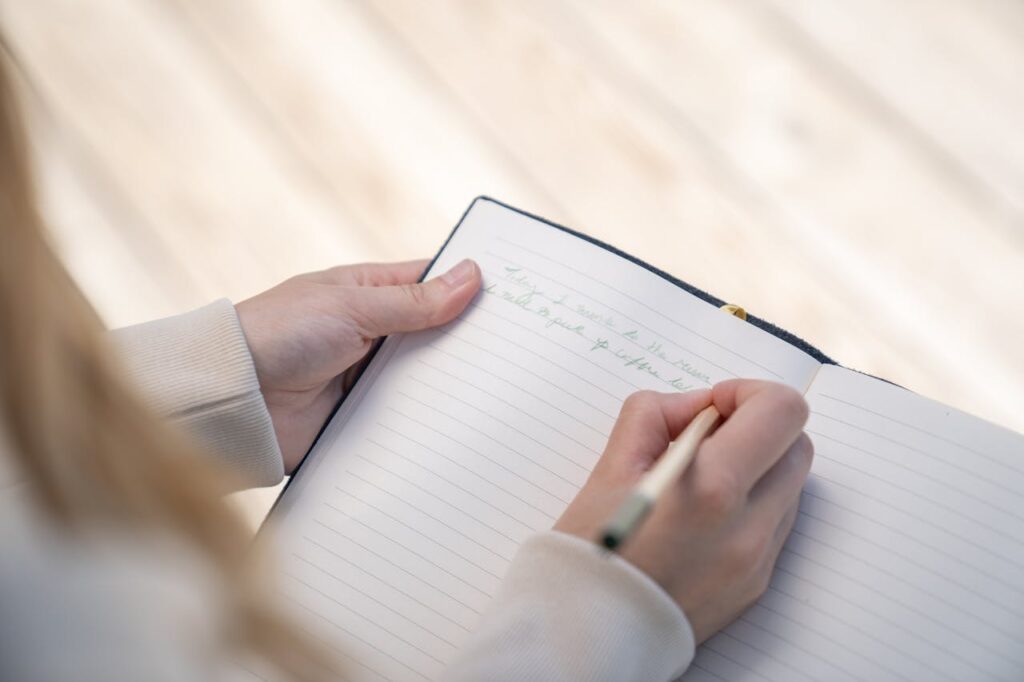
Cursive writing was once a non-negotiable skill taught in schools and used for formal correspondence and signatures. Today, it’s rapidly disappearing from everyday life, replaced by keyboards, smartphones, and print writing. Many young people struggle to read cursive, let alone write it fluently. As a result, formal handwritten letters and beautifully penned notes are becoming rare. The practicality of digital communication has rendered cursive more of an art form than a daily necessity.
Asking Permission Before Dropping By

Years ago, it was normal for friends or neighbors to pop in unannounced. Nowadays, unexpected visits are often seen as intrusive rather than friendly. Texts or calls to ask if it’s a good time have become the polite standard. People value their privacy and schedules more, making spontaneous drop-ins less acceptable. Social norms now lean heavily toward planned and confirmed get-togethers rather than surprise appearances.
Eating Meals at the Table
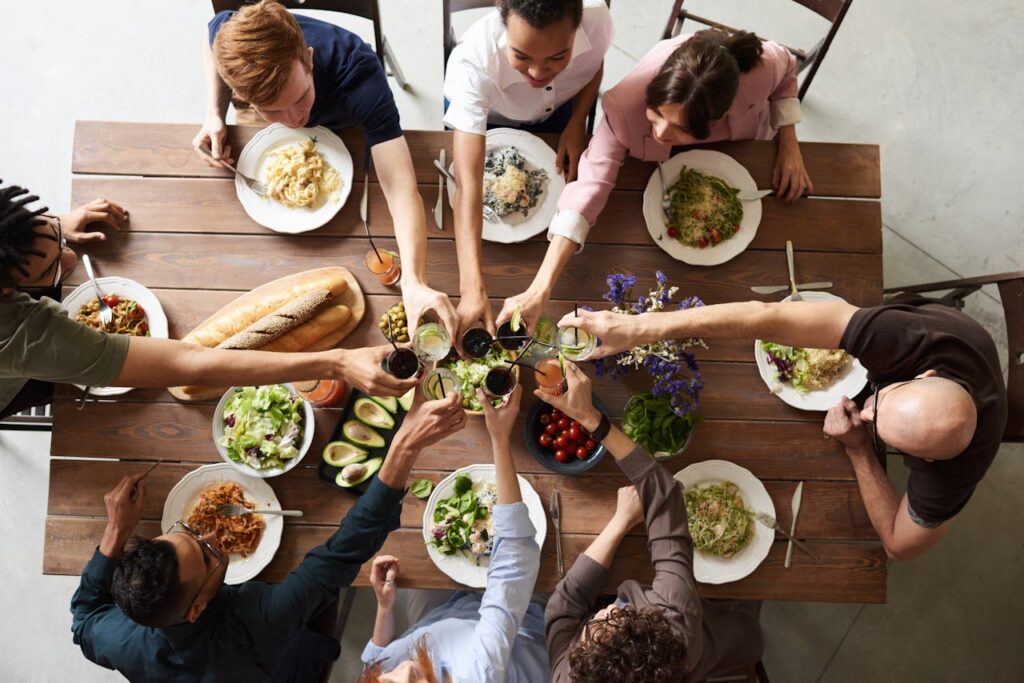
Family dinners used to be sacred, with everyone gathering at the table for shared meals and conversation. Today, many families eat separately or in front of the television. Busy schedules, work-from-home realities, and technology have reshaped dining habits. While some still prioritize sitting down together, it’s far less consistent than in previous generations. The tradition of table meals is fading as convenience and individual routines take over.
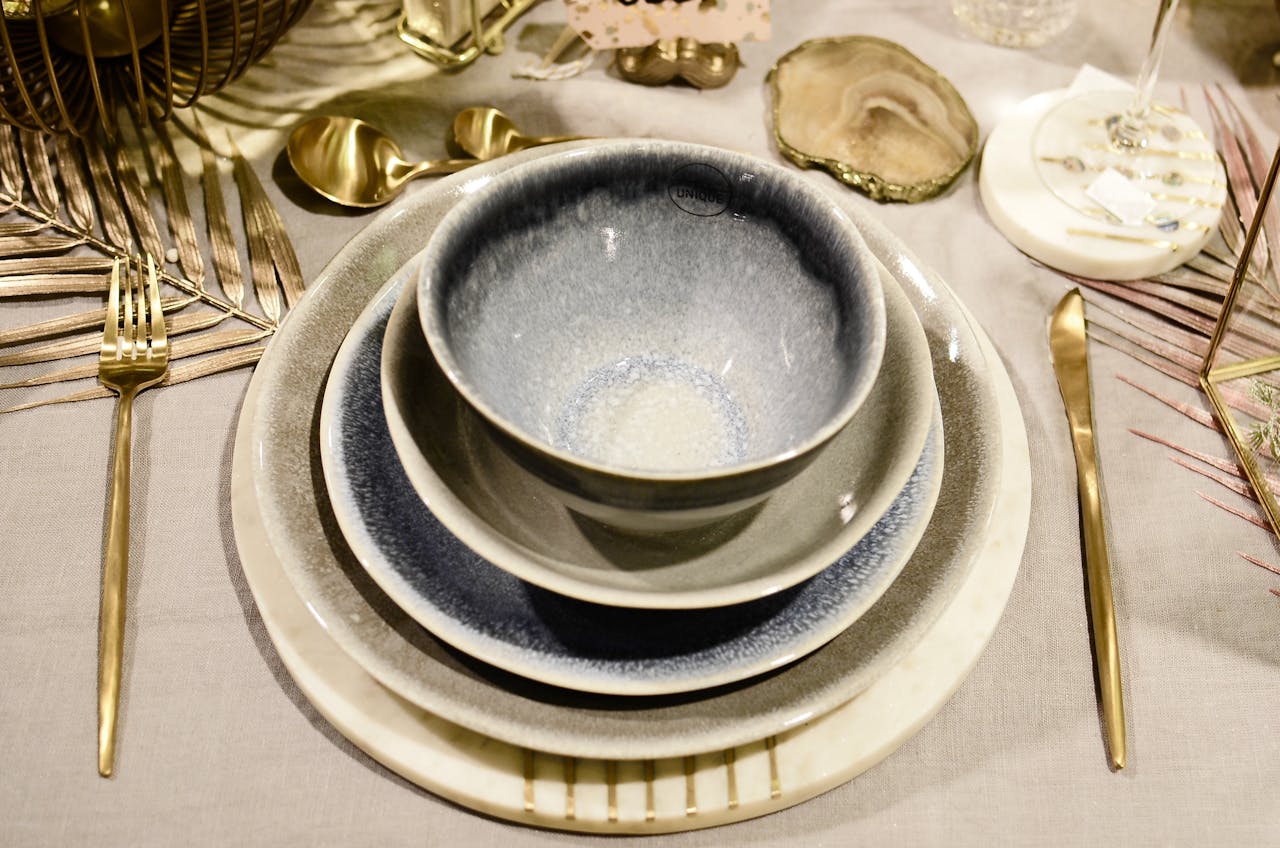
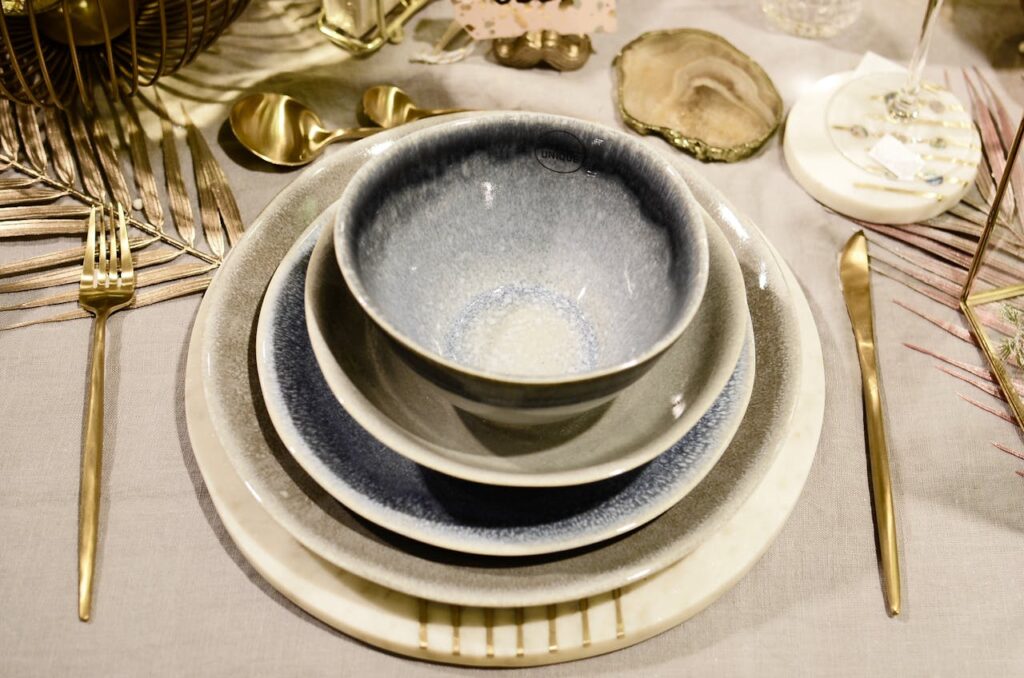
Using Place Settings Correctly
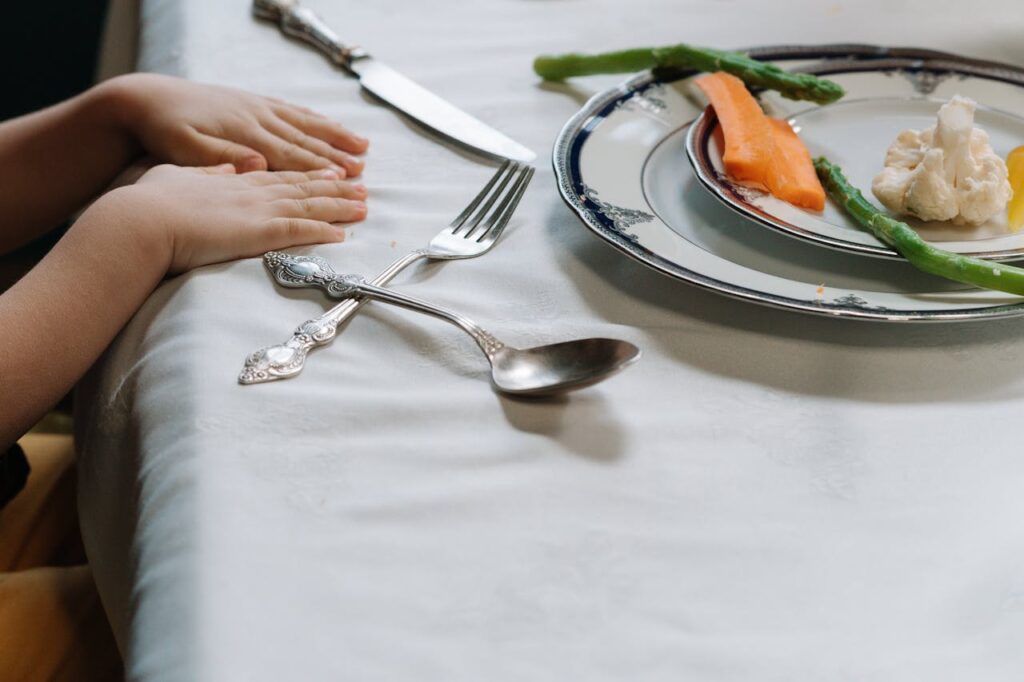
Knowing which fork to use or how to fold a napkin was once considered essential social knowledge. Today, most people are far more relaxed about formal dining etiquette. Fewer gatherings involve elaborate table settings, and many prefer simple, casual meals instead. Fancy cutlery and proper utensil order feel unnecessary for everyday life. Modern etiquette focuses more on being considerate and polite than following strict dining rules.
Giving Up Your Seat for Others
Offering your seat to elderly passengers, pregnant women, or those with disabilities used to be automatic in public spaces. While many still do, the practice has become less consistent. Distractions like headphones and smartphones mean people often don’t notice someone who might need a seat. Public transportation etiquette is changing, and reminders are sometimes posted to encourage courtesy. While the spirit of the rule remains, the frequency of the gesture has certainly declined.