Before constant connectivity, weekends felt slower and more intentional. People planned activities ahead of time, invested hours into hobbies, and often shared those moments face-to-face. The arrival of the internet gradually reshaped how Americans spent their free time. Many once-beloved weekend pastimes quietly faded, not because they lacked value, but because convenience replaced commitment. Now, digital distractions pull attention away from real-world rhythms, eroding anticipation and depth.
Building Model Kits at the Kitchen Table
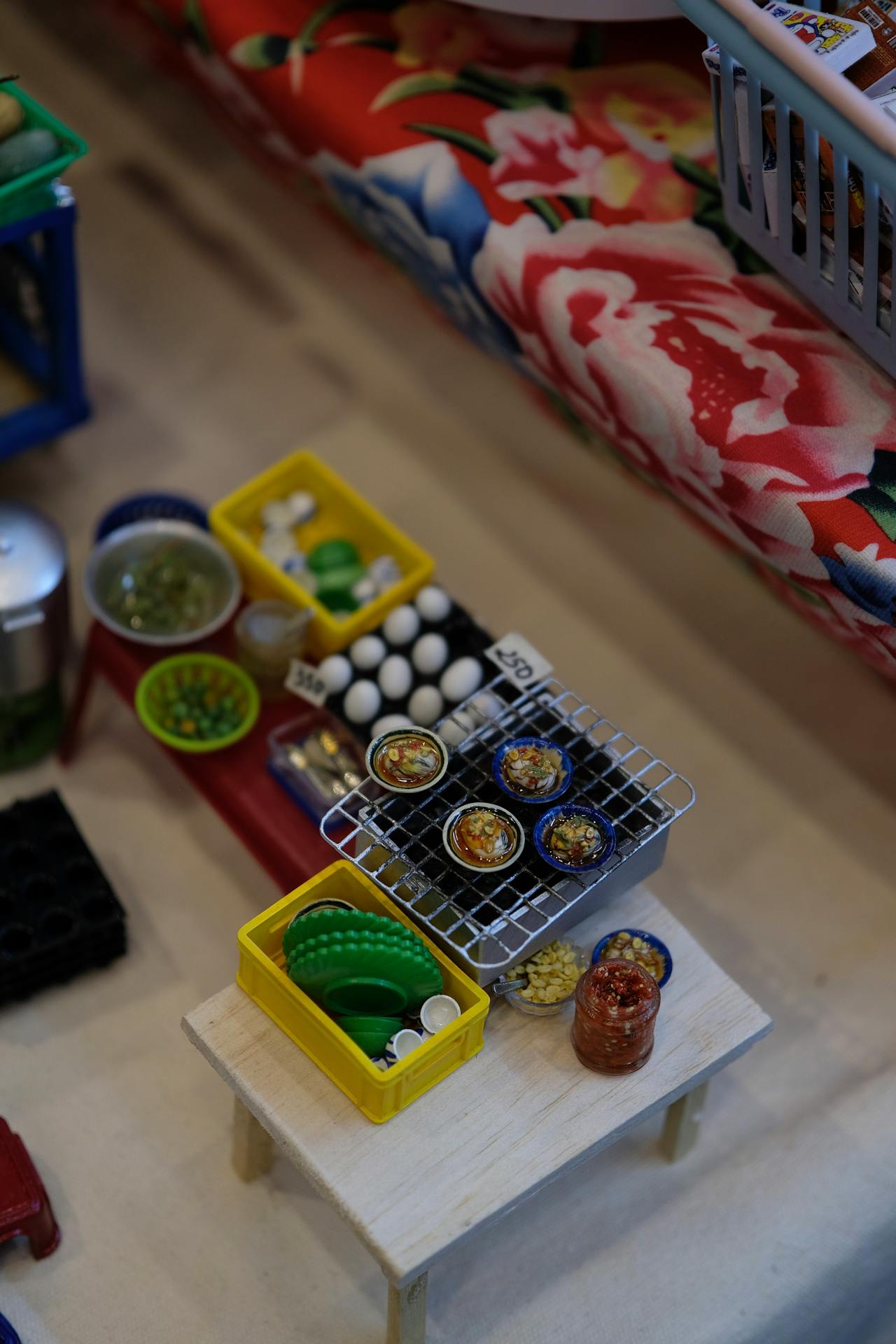
Before constant connectivity, weekends were anchored by patient, hands-on hobbies. Model airplanes, cars, and ships drew families and enthusiasts into long, focused sessions of careful craftsmanship. The reward came slowly, a tangible sense of progress and a quiet pride in detail. But as digital entertainment offered instant gratification, fewer people were willing to invest hours into delicate assembly, trading depth for quick, fleeting thrills.
Browsing Record Stores for Hours

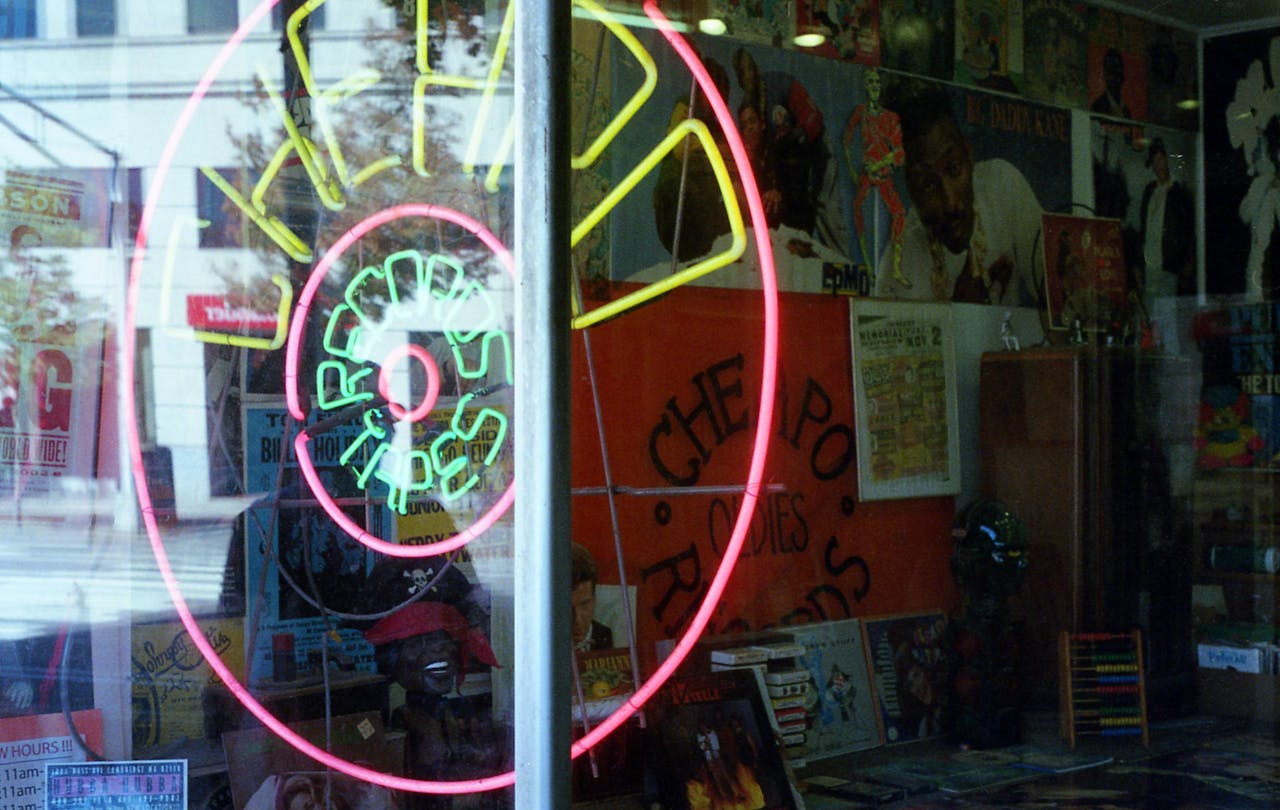
Visiting record stores was once an immersive ritual. Shoppers listened to samples, read liner notes, and talked with staff and fellow music lovers. Discovering music felt personal and intentional. Streaming replaced exploration with algorithms, removing the physical joy of discovery.
Writing Letters by Hand
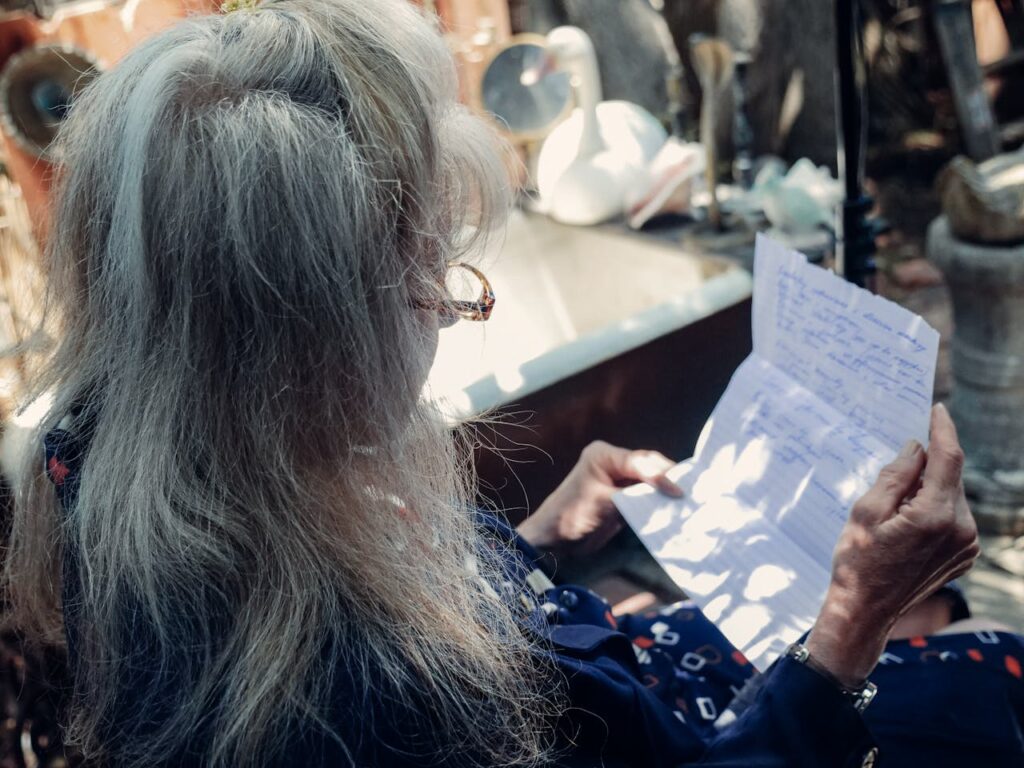
Letter writing once filled quiet weekend afternoons. People chose stationery carefully and composed thoughtful messages over time. Waiting for replies built anticipation and emotional depth. Email and messaging eliminated the patience that made handwritten letters meaningful, replacing slower, soulful rhythms with instant communication. The ritual gave way to quick exchanges, reducing the care and deliberate reflection that once defined weekends and personal connection.
Weekend Photography as a Craft

Photography used to involve film rolls, darkrooms, and careful planning. Weekend photographers learned lighting, timing, and composition through trial and error. Each photo carried weight because it couldn’t be instantly deleted. Digital photography and smartphones removed the deliberate nature of the hobby.
Woodworking in Home Garages
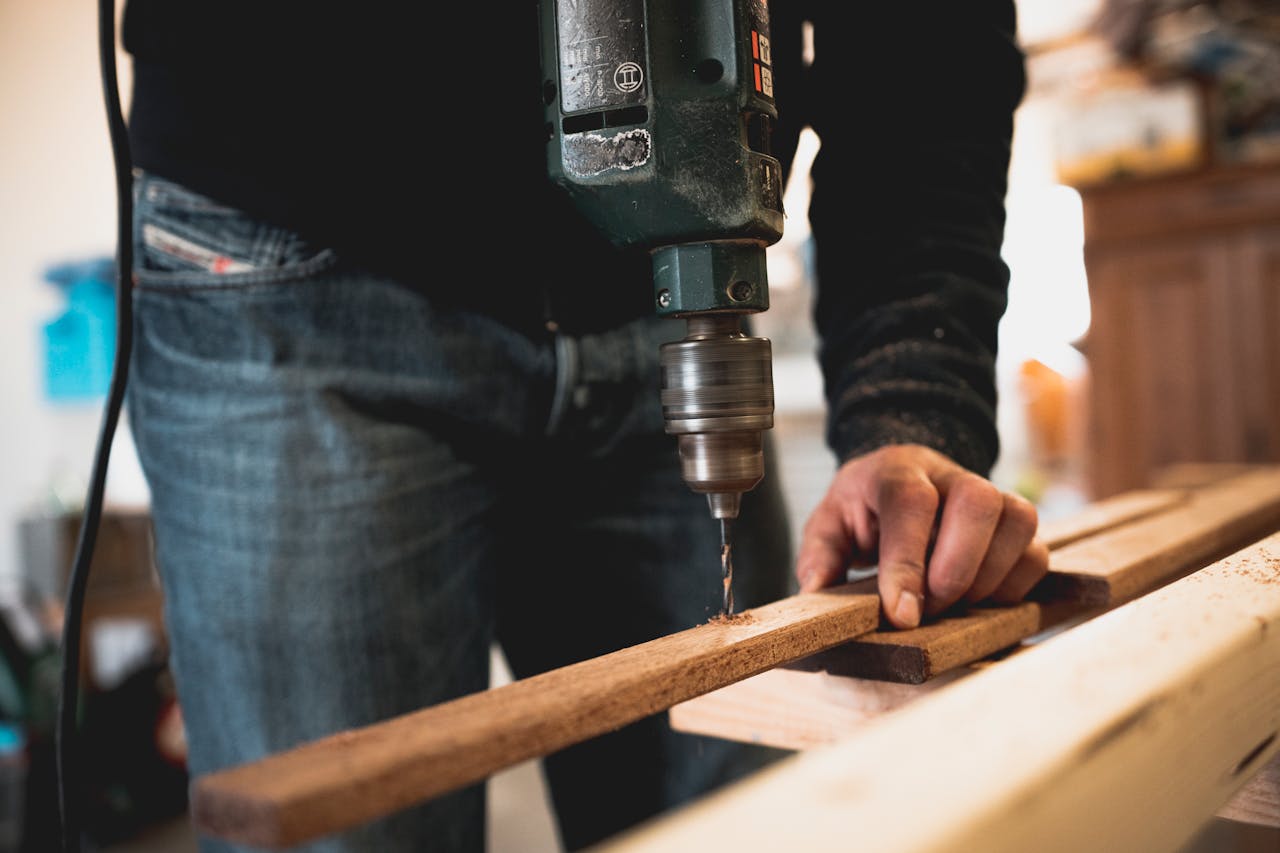
Woodworking was both practical and meditative. People built furniture, shelves, and gifts using hand tools and patience. Mistakes were seen as part of the learning process, shaping skills and character. As online shopping surged, the urge to create gave way to convenient purchases, reducing hands-on craftsmanship and the tactile satisfaction of shaping wood. The quiet, focused hours gave way to quicker, one-click solutions, subtly shifting weekend traditions.
Collecting and Trading Stamps
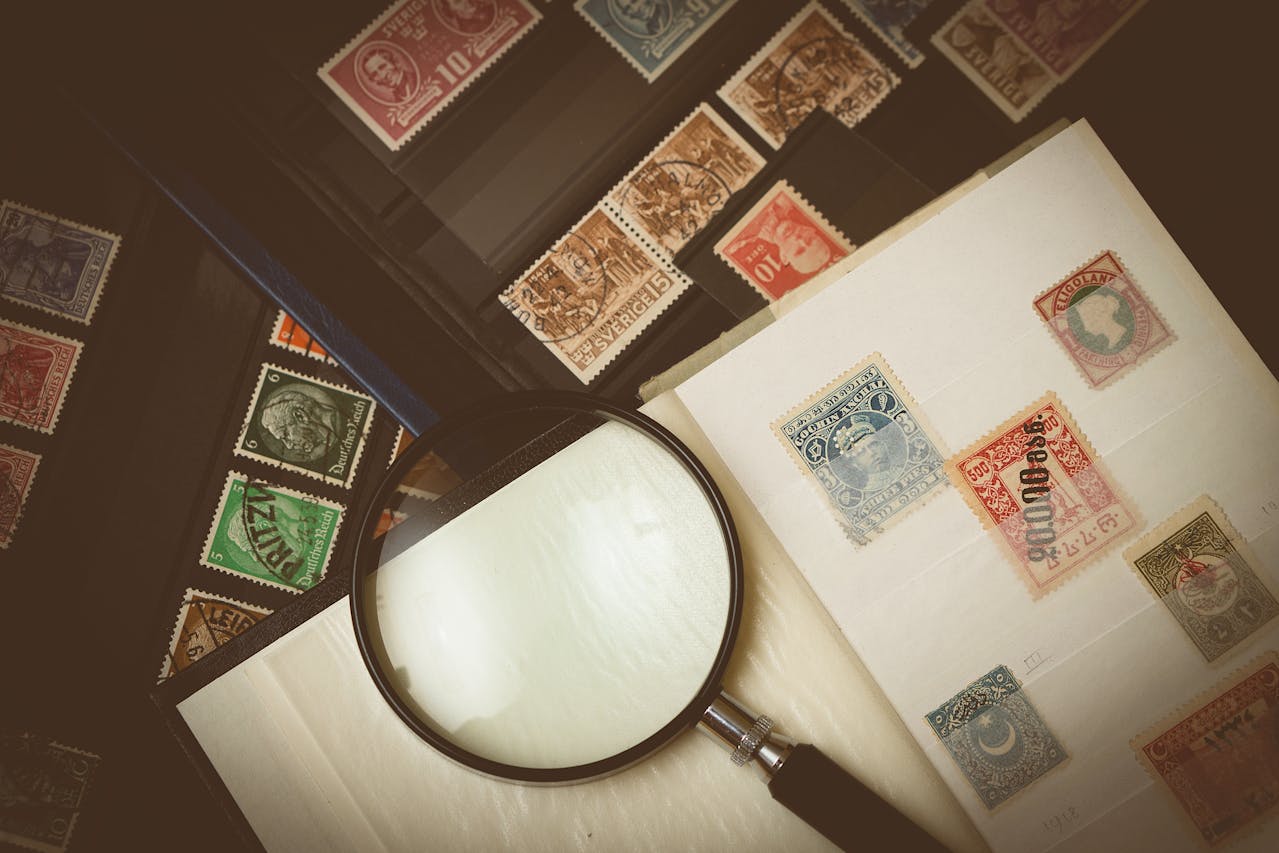
Stamp collecting taught history, geography, and patient attention. Weekends were spent organizing albums, labeling shelves, and trading stamps with others. Each stamp carried a small story and a tangible connection to places and people. As digital communication surged, the relevance of physical postage faded, replacing tactile stamps and handwritten notes with quick, online exchanges. The quiet ritual of sorting and sharing gave way to instant, virtual exchanges.
Weekend Newspaper Deep Reading

Sundays once revolved around thick newspapers spread across tables. Readers engaged deeply with long-form journalism, absorbing articles in full rather than skimming. As online news took over, attention spans shortened and focus fragmented, reducing the immersive, patient ritual that defined weekend reading. The tactile engagement of paper gave way to quick headlines and fleeting online glimpses, dimming the deliberate pacing once cherished.
Board Games with Extended Family
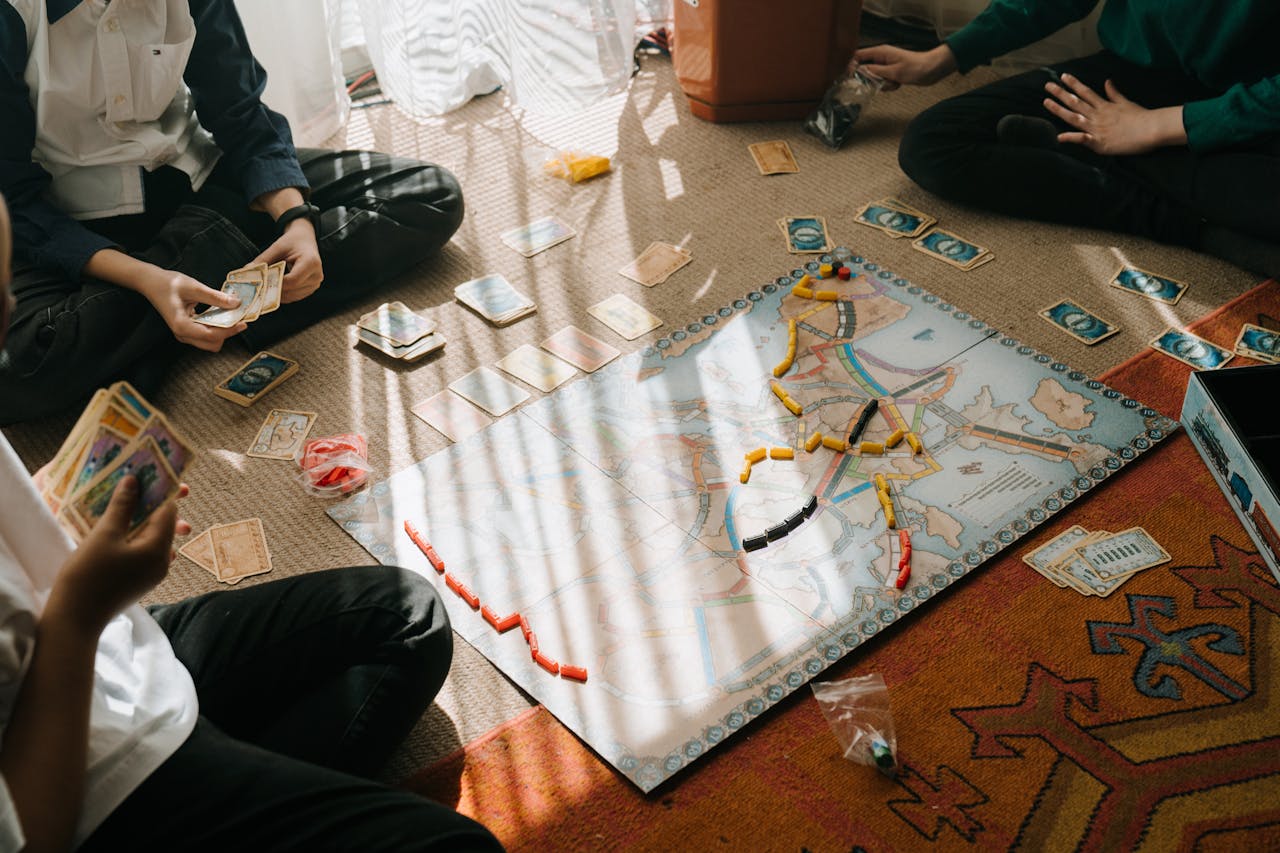
Board games required time, rules, and social interaction. Families gathered for hours, embracing both competition and conversation. These games built memories through shared presence and face-to-face laughs. As online gaming surged, play shifted into isolated digital spaces, eroding the warmth of in-person collaboration and delayed gratification that made weekends feel special. The ritual of gathering around a table gave way to screens and single-player pacing.
Amateur Radio as a Social Network
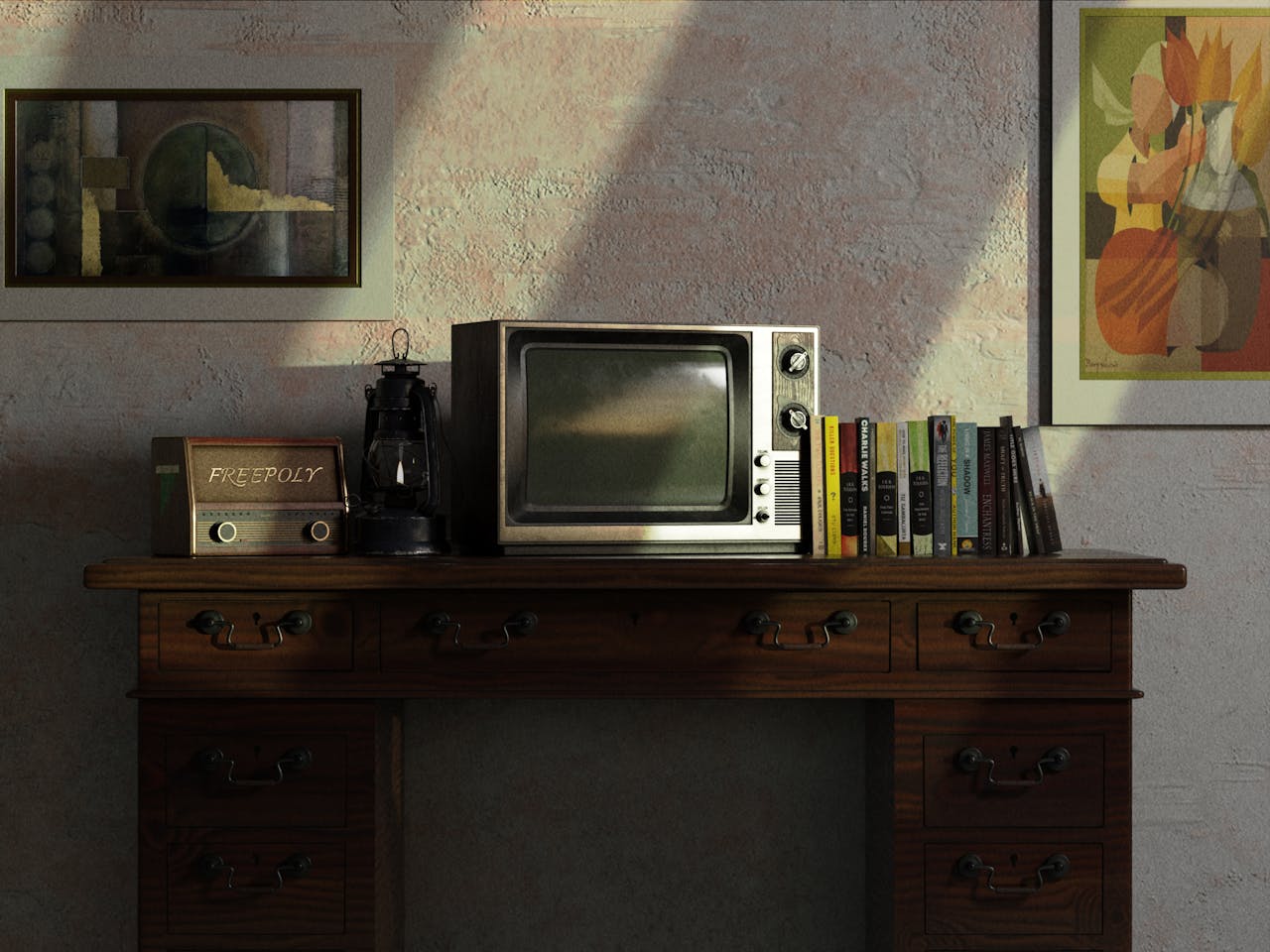
Ham radio connected strangers through voice alone. Enthusiasts spent weekends tuning frequencies, sharing stories, and refining signals. The hobby demanded technical skill, patience, and a calm, attentive voice. As social media surged, curiosity gave way to convenience, and the slow art of radio communication faced competing, instant channels. The ritual of calling, listening, and coordinating faded into quick messages, eroding the communal tempo once defined by weekends and airwaves.
Scrapbooking Personal Histories
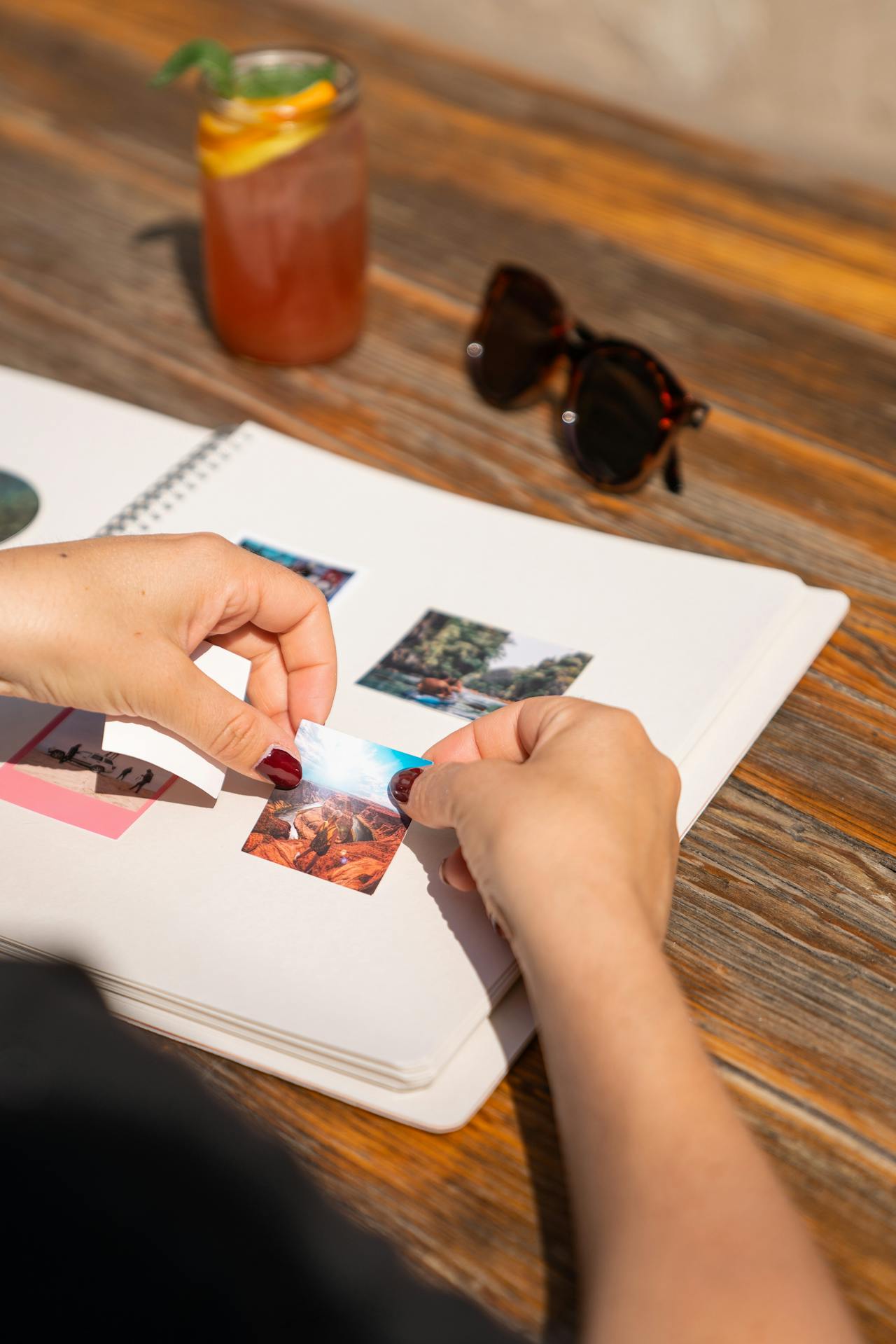
Scrapbooking preserved memories through physical creativity. Photos, notes, and decorations captured life’s details, with each page telling a personal story. As digital albums rose, the tactile process of remembrance faded, replaced by glue, clips, and pasted mementos with quick, virtual slide shows. The hands-on ritual gave way to instant access, diminishing the deliberate, devotional pace that once made scrapbooks a cherished weekend practice.