
While parenting styles have evolved with time, some fundamental childhood lessons remain timeless. In a world filled with digital distractions and rapid change, it’s easy to overlook the values that truly shape character. The core teachings that guided previous generations—like responsibility, respect, and kindness—are just as important today as ever. Here are 10 essential lessons every parent should still be passing on to their children, no matter the era.
Treat Others the Way You Want to Be Treated

This golden rule is a foundation for empathy and compassion. Teaching children to consider how their actions affect others helps build strong relationships and social awareness. It also reduces bullying and promotes inclusion. In a world where online communication often lacks accountability, this principle remains more relevant than ever.
Actions Have Consequences
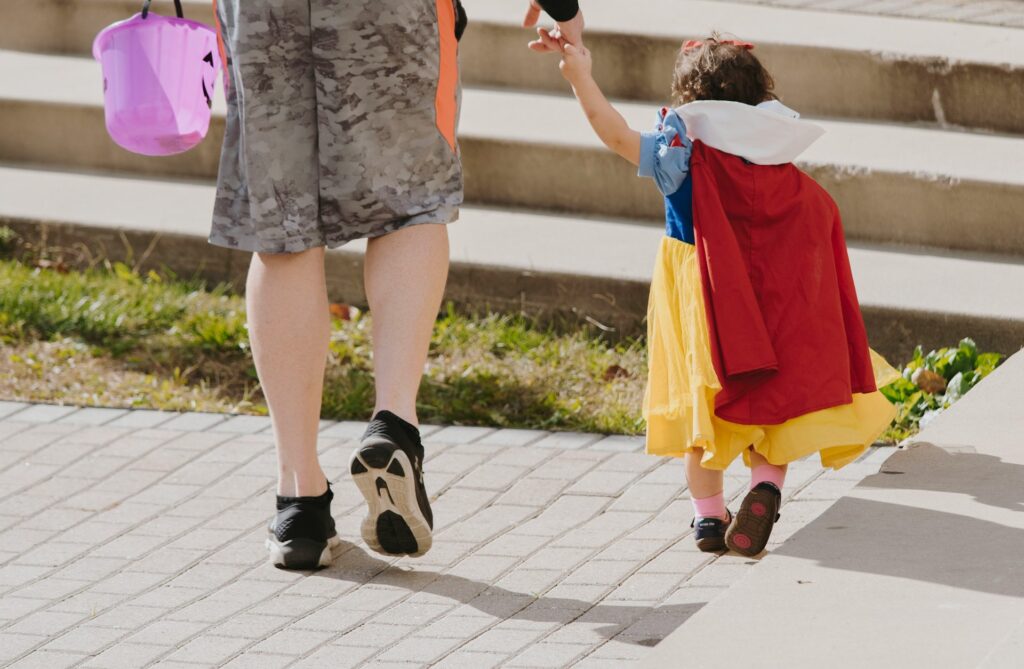
Helping kids understand that their choices carry outcomes builds accountability. Whether it’s forgetting homework or breaking a rule, children learn best when they experience fair consequences. This lesson lays the groundwork for personal responsibility in adulthood. Avoiding natural consequences denies kids the opportunity to grow and mature.
Say Please and Thank You
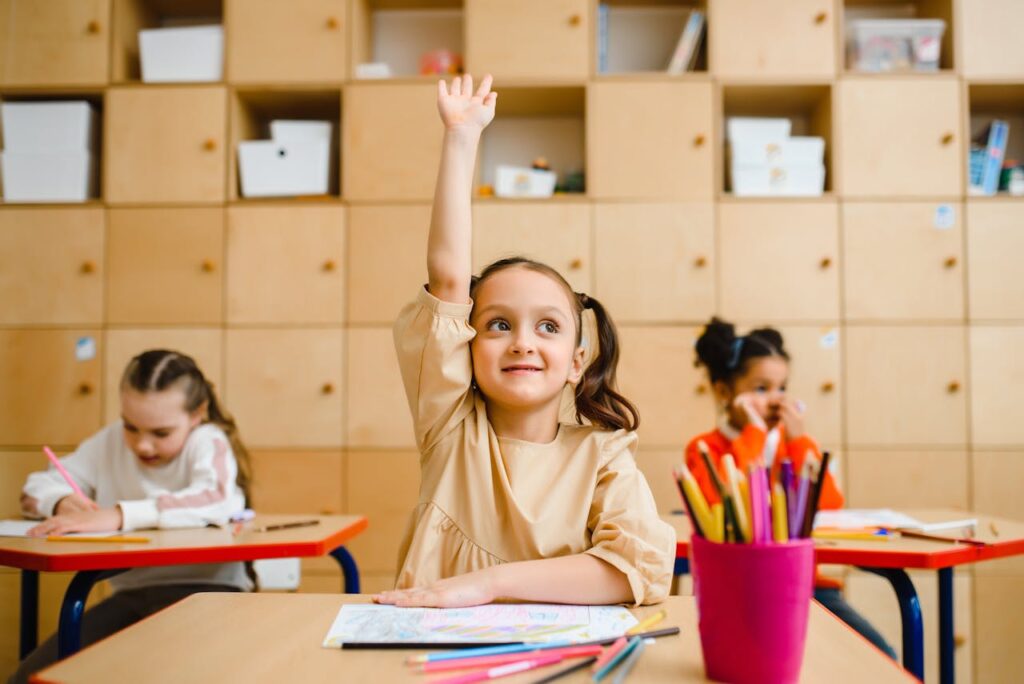
Manners never go out of style. Simple expressions of gratitude and courtesy teach children to be polite, considerate, and respectful. They help children navigate social situations with grace and form good first impressions. In an increasingly casual world, kindness through manners still makes a strong impact.
Tell the Truth

Honesty fosters trust and integrity—qualities that define good character. Teaching kids the value of truthfulness, even when it’s hard, helps them develop a moral compass. It also encourages open communication between parent and child. Lying to avoid consequences may be tempting, but learning to face the truth builds strength.
Finish What You Start
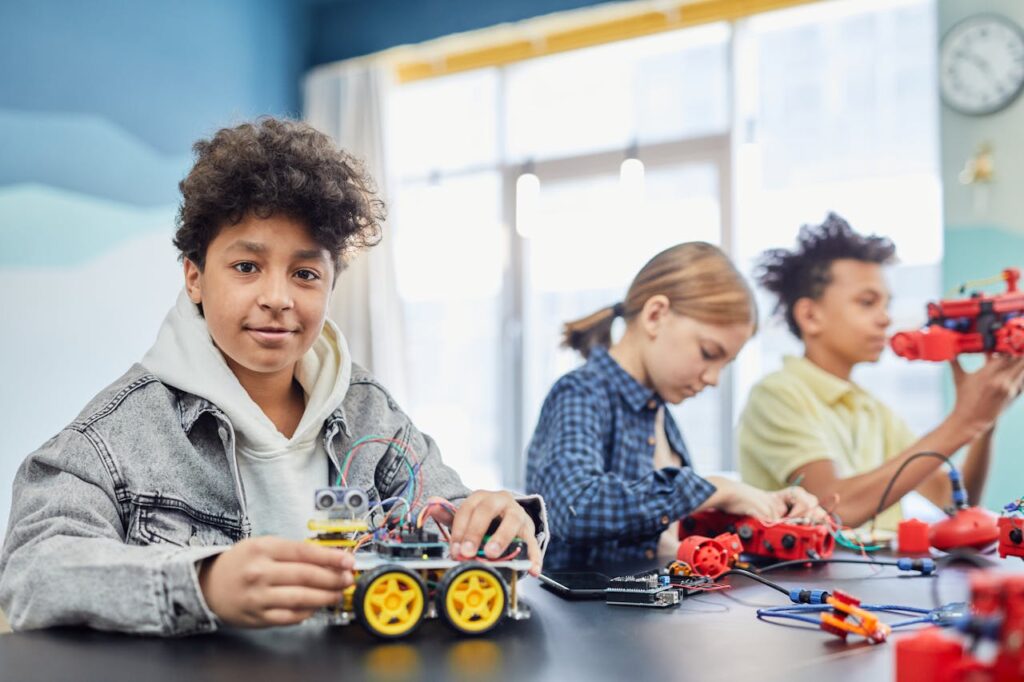
Perseverance is a vital life skill in any generation. Encouraging children to follow through on commitments—whether it’s a school project or sports practice—instills discipline and resilience. This lesson helps kids learn how to handle setbacks and avoid giving up too easily. In a fast-paced world of instant gratification, persistence is a valuable trait.
Be Responsible With Money

Financial literacy should begin early, starting with saving allowance or understanding the value of a dollar. Teaching kids about budgeting, needs versus wants, and delayed gratification helps set them up for long-term success. In a consumer-driven society, this lesson prevents impulsive habits and encourages financial independence.
Respect Your Elders

Respecting those with more life experience teaches humility and cultural awareness. It also strengthens family bonds and encourages listening to diverse perspectives. This lesson isn’t about blind obedience but about recognizing the wisdom and struggles of those who came before. In an era where youth culture dominates, respecting elders remains crucial.
Help Without Being Asked
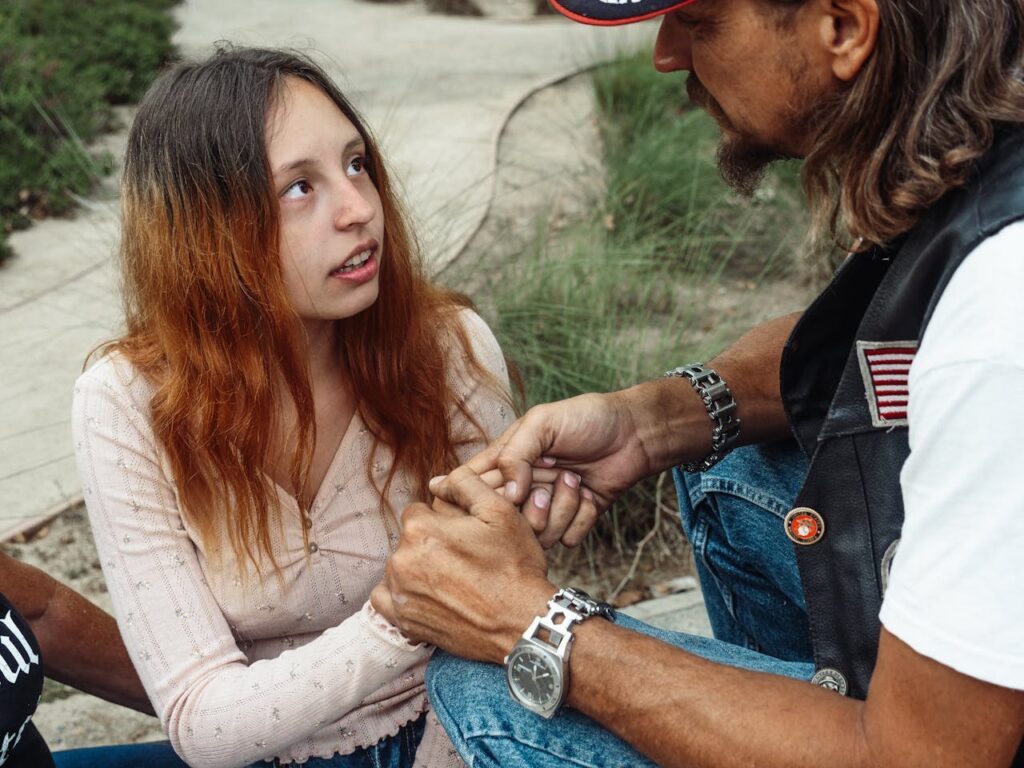
Kindness is most meaningful when it’s offered voluntarily. Teaching kids to notice when someone needs help—and to act on it—builds empathy and a strong sense of community. Whether it’s helping a sibling clean up or opening a door for a stranger, these small acts foster a giving spirit. This lesson shapes children into compassionate adults.
Don’t Be Afraid to Apologize

Apologizing shows maturity, humility, and a willingness to make things right. Teaching children how to sincerely say “I’m sorry” helps them repair relationships and learn from their mistakes. It also promotes emotional intelligence by encouraging reflection. Apologizing is not a weakness—it’s a powerful step toward growth.
Value Your Time and Other People’s

Time is one of life’s most precious resources. Teaching children to be punctual, plan their days, and respect others’ time cultivates responsibility and respect. It also helps them develop better work habits and interpersonal skills. Understanding the value of time early on leads to a more productive and thoughtful adulthood.