
Many habits associated with boomers are often mocked as outdated or irrelevant, but a surprising number of them quietly solved problems modern life is now struggling with again. Before smartphones, apps, and on demand services, people built routines that supported memory, attention, relationships, and personal responsibility by default. These habits were not designed as productivity systems or wellness strategies. They simply emerged from living in a slower, more physical, and more structured world. What makes them useful today is not nostalgia, but how well they counter the side effects of constant connectivity, automation, and digital dependence.
Having an Offline Identity

Earlier generations developed a sense of self that existed mainly in the physical world. Identity came from real roles such as work, family, neighborhood, and long term social circles. You were known by people who interacted with you regularly, not by strangers observing curated content. This created a stable internal identity that did not require constant validation or performance. In contrast, modern identity is often distributed across platforms and shaped by likes, metrics, and algorithms. This encourages comparison, self monitoring, and emotional volatility. An offline identity reduces psychological noise and makes self worth less dependent on external feedback systems.
Using Physical Alarm Clocks
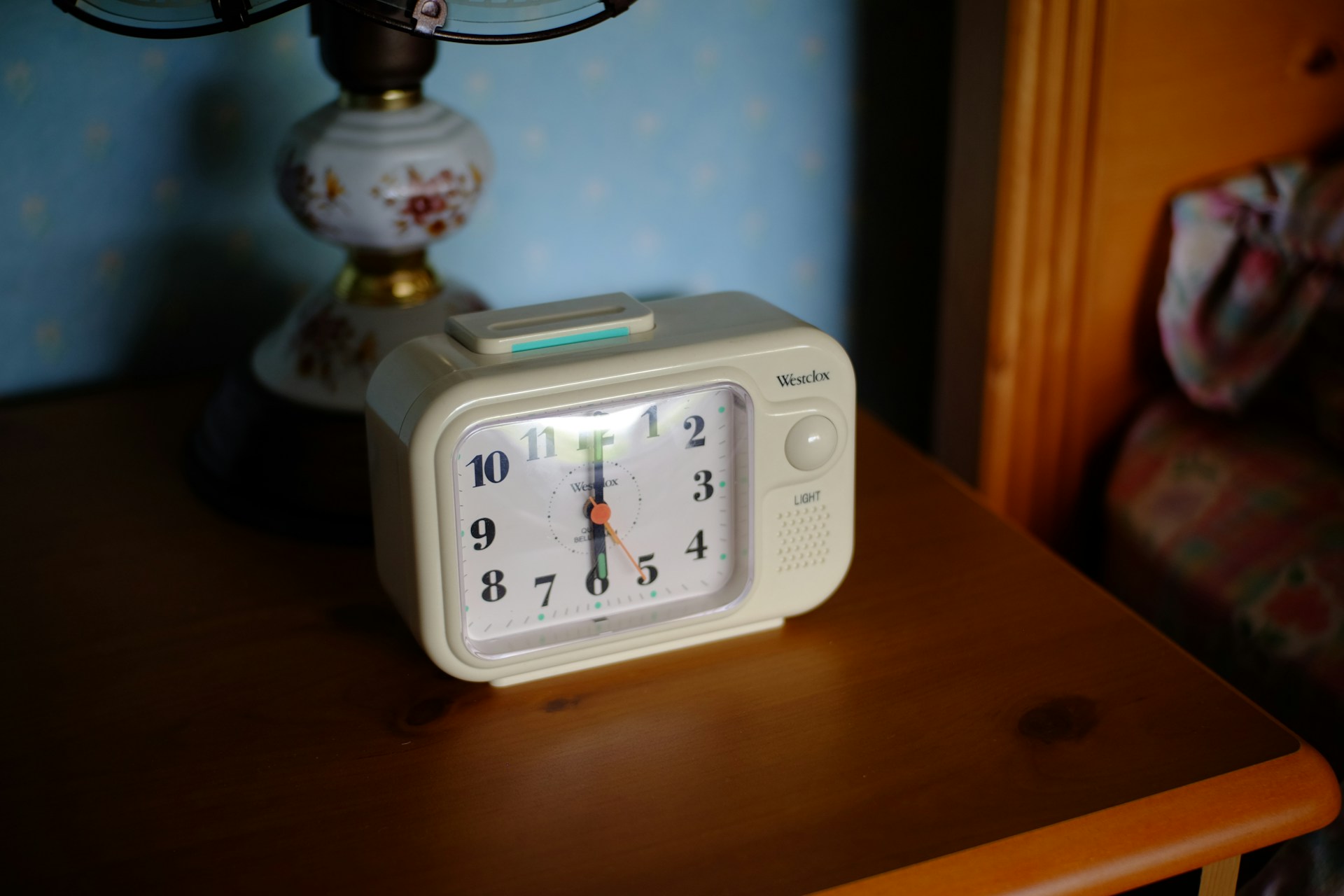
Waking up used to be a single purpose action. You turned off an alarm and started your day. There were no notifications, messages, or news feeds attached to that moment. This created a clean cognitive boundary between sleep and mental stimulation. Today, phones serve as alarm clocks, which means the first thing people do each morning is expose themselves to information, stress, and social comparison. This floods the nervous system before it is fully alert and creates a reactive mental state. A physical alarm clock protects the first moments of consciousness from digital overload and helps maintain attention control throughout the day.
Buying Seasonal Produce

Food choices were once shaped by local availability and natural growing cycles. People ate what was in season, which meant fresher produce, higher nutrient density, and fewer preservation processes. Seasonal fruits and vegetables are harvested closer to ripeness and retain more vitamins and minerals than items transported and stored for long periods. Modern grocery systems provide year round access to everything, but at the cost of taste, nutritional quality, and environmental efficiency. Out of season produce travels long distances and often relies on refrigeration, chemicals, and artificial ripening. Seasonal eating creates a natural structure for diet and reduces dependence on highly processed food.
Buying Tools Instead of Services

Earlier households invested in basic tools and learned how to handle small repairs and maintenance themselves. Fixing things was part of normal adult competence, not a specialized task outsourced immediately. This built practical problem solving skills and a sense of control over one’s environment. Today, most minor issues are solved by hiring someone, ordering a replacement, or subscribing to a service. This increases dependency and reduces confidence in handling everyday challenges. Owning tools encourages active engagement with the physical world and preserves skills that save money, build self reliance, and reduce long term consumption.
Filing Physical Documents

For decades, important personal and financial information existed in physical form and was stored deliberately in labeled folders, drawers, and cabinets. People knew exactly where their birth certificates, insurance policies, medical records, property documents, and tax papers were kept. This created a stable external memory system that did not rely on devices, passwords, software updates, or cloud services. Retrieval was simple and predictable. In contrast, modern digital storage spreads information across emails, apps, portals, and platforms that constantly change interfaces and access rules. People forget where files are saved, lose access to accounts, or depend on search functions to recover critical data. Physical filing builds a sense of ownership, visibility, and long term control over personal information that digital systems often fragment.
Having Long Term Friendships
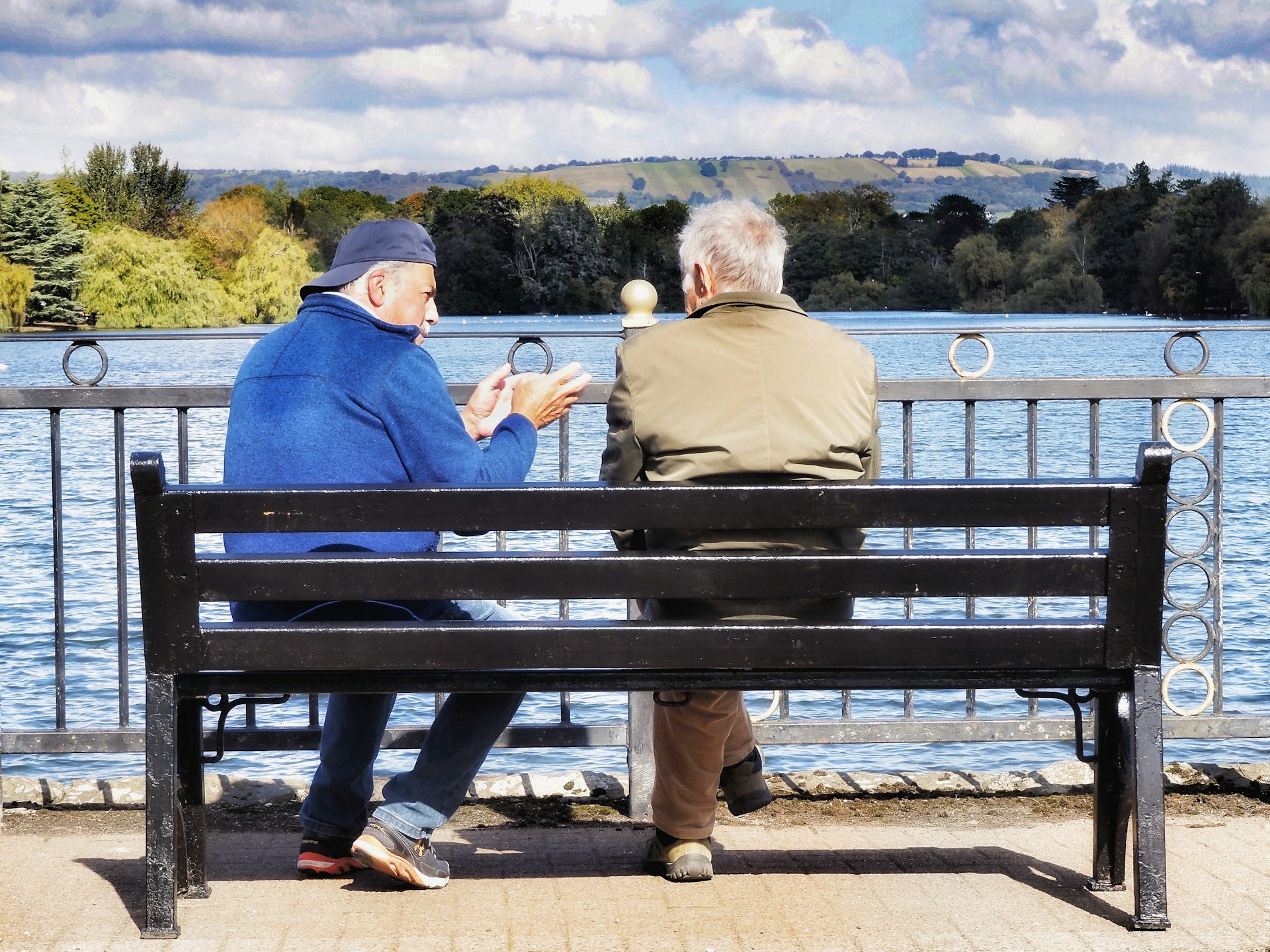
Earlier generations formed friendships through repeated physical presence, shared environments, and long periods of time spent together in ordinary situations. Relationships developed slowly through workplaces, neighborhoods, schools, and family networks. This created bonds rooted in shared history rather than shared interests alone. Modern social life is increasingly shaped by platforms, short term contexts, and algorithm driven matching. People connect easily but often lack continuity as life phases change and digital spaces replace physical ones. Long term friendships provide emotional grounding, collective memory, and a deeper sense of being understood without constant explanation or self presentation.
Walking for Errands

Routine life once included built in physical movement. People walked to grocery stores, local shops, post offices, banks, and public services because these spaces were integrated into daily geography. Physical activity was not separated from life into scheduled workouts. It was embedded into normal functioning. Modern convenience culture replaces walking with cars, delivery apps, and remote services, which removes natural movement from daily behavior. This contributes to sedentary lifestyles and forces people to artificially reintroduce exercise later. Walking for errands supports cardiovascular health, cognitive clarity, spatial awareness, and a more embodied relationship with the environment.
Face to Face Socializing
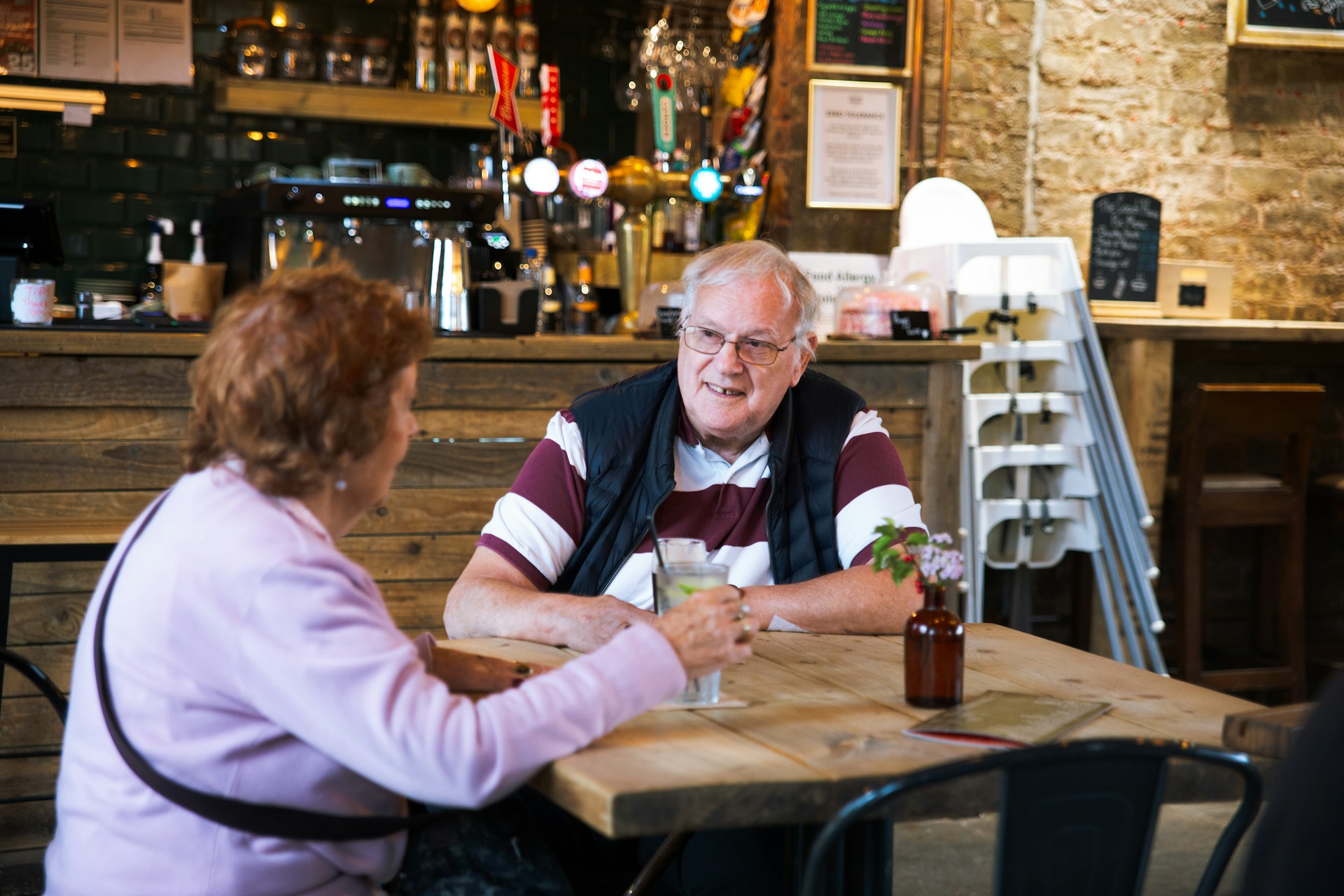
Social interaction used to happen almost entirely in physical settings. Conversations unfolded in real time with access to tone, facial expression, posture, and immediate emotional feedback. This allowed people to adjust communication dynamically, resolve misunderstandings quickly, and build trust through consistent presence. Digital communication removes most of these cues and replaces them with text, reaction buttons, and delayed replies. This increases ambiguity, misinterpretation, and emotional detachment. Face to face socializing strengthens empathy, attention, conflict resolution skills, and psychological connection in ways that mediated communication cannot replicate.
Wearing a Wristwatch Instead of Checking a Phone

Checking the time used to be a single, neutral action. You glanced at a watch and returned to what you were doing. The action had a clear boundary and no additional cognitive cost. Today, checking the time usually means unlocking a phone, which immediately exposes the brain to notifications, messages, headlines, and app icons competing for attention. This turns a simple task into an interruption cascade. Even when people intend to only check the time, they often get pulled into unrelated content. Wearing a wristwatch preserves the original function of timekeeping without triggering distraction loops. It protects attention, reduces compulsive device interaction, and restores a sense of control over when information enters the mind.
Waiting Without Stimulation

Waiting used to be a normal and unavoidable part of everyday life. People waited in lines, sat in public spaces, stood at bus stops, or waited for appointments without filling every moment with input. This created natural periods of mental rest, reflection, and internal processing. Modern waiting is almost always mediated by screens. The moment there is a pause, people scroll, watch, listen, or consume content. This eliminates idle mental states and trains the brain to avoid stillness. Over time, this reduces tolerance for boredom and weakens the ability to sit with one’s own thoughts. Waiting without stimulation supports emotional regulation, attention recovery, and cognitive flexibility in ways constant input cannot.