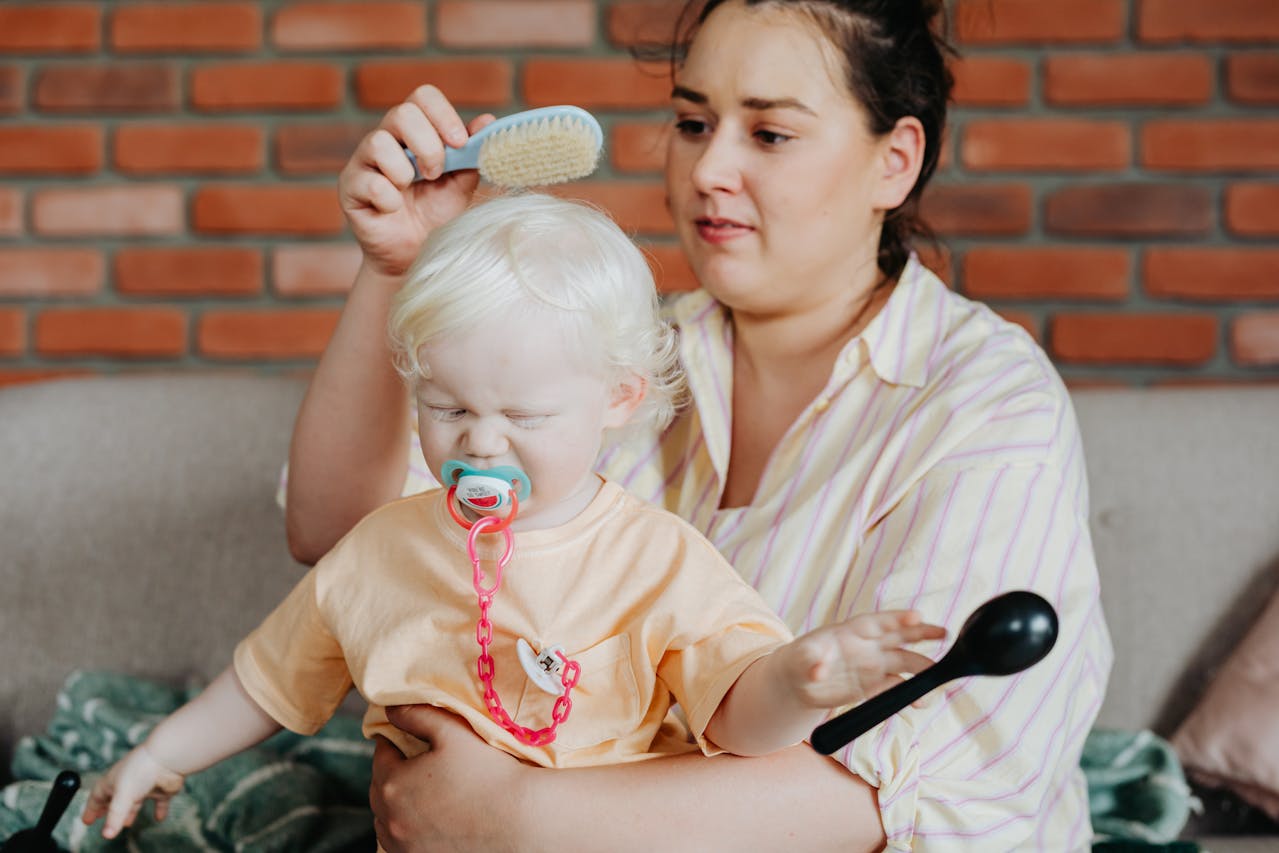
The 1970s were a decade of shifting fashion and cultural trends, but for many mothers, beauty standards were still rigid and demanding. Women were expected to maintain an idealized appearance, combining domestic responsibilities with societal expectations of femininity and glamour. These standards often dictated clothing, hairstyles, makeup, and even body shape. Looking back, many of these expectations seem extreme or unreasonable today, reflecting a time when image and conformity often overshadowed comfort and individuality.
Perfectly styled hair

Mothers were expected to have immaculately styled hair at all times. Hairdos like bouffants, curls, or feathered styles were popular, and daily maintenance required significant effort. Salon visits were regular, and any “messy” look was socially frowned upon. Today, casual hairstyles and natural textures are widely accepted, and comfort often takes precedence over rigid beauty expectations.
Consistent makeup

Wearing makeup was considered essential for a polished appearance. Mothers were expected to apply foundation, blush, eyeshadow, and lipstick every day, even while performing household duties. Natural or minimal looks were often seen as incomplete or lazy. Today, makeup is optional, and many women embrace natural appearances or choose styles that prioritize convenience and personal preference.
Slim and toned body

The ideal mother in the ’70s was expected to maintain a slim, toned figure regardless of age or life stage. Post-pregnancy weight gain was often criticized, and dieting was common. Fitness routines or structured exercise became increasingly promoted in mainstream media. Modern beauty standards are more inclusive, celebrating a range of body types and focusing on health rather than strict appearance norms.
Fashionable clothing

Even at home, mothers were expected to dress stylishly. Dresses, coordinated outfits, and carefully chosen accessories were standard. Comfort and practicality were often secondary to appearance. Today, casual wear, athleisure, and practical clothing are widely accepted for everyday life, reflecting a shift toward convenience and self-expression.
Well-groomed hands and nails

Manicured nails were considered a key element of a polished mother’s image. Nail care, including polish and trimming, was expected despite busy household schedules. Hands were scrutinized as a reflection of overall femininity and attention to detail. Today, self-care remains valued, but there is less social pressure to maintain a constantly manicured appearance.
Youthful appearance

Mothers were expected to look youthful, with limited tolerance for natural signs of aging. Wrinkles, gray hair, or sagging skin were often hidden or treated with beauty products. Anti-aging creams and cosmetics were widely promoted to help women maintain a “forever young” look. Today, there is growing acceptance of aging gracefully, and older women are celebrated for their natural beauty.
Coordinated accessories
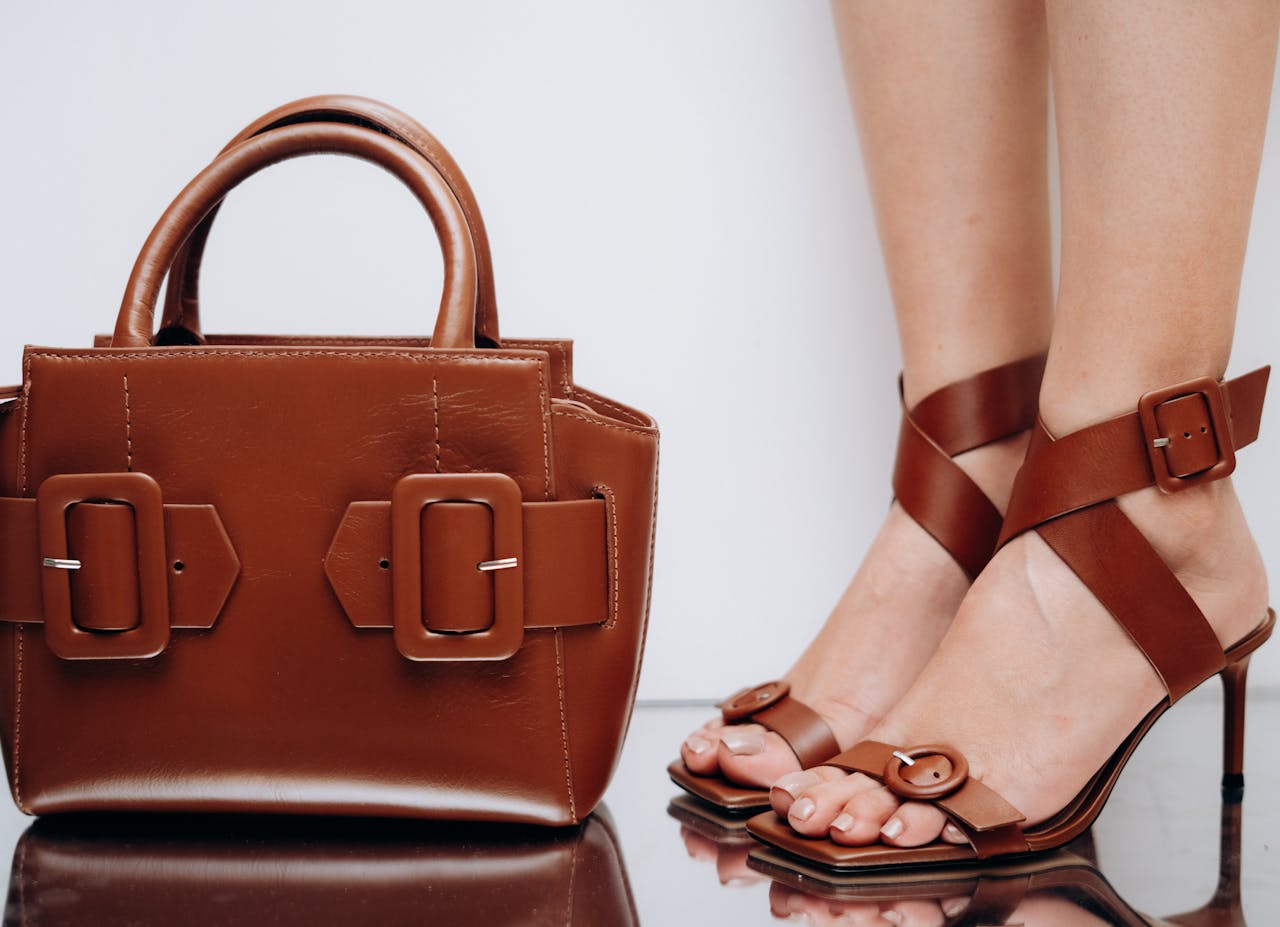
Matching shoes, handbags, and jewelry were considered essential to a polished appearance. Mothers were expected to coordinate outfits meticulously, even for everyday errands. Accessory choices were scrutinized socially, and a mismatched look was often criticized. Modern fashion is more relaxed, and personal style and individuality are encouraged over rigid coordination rules.
Perfume and scent etiquette
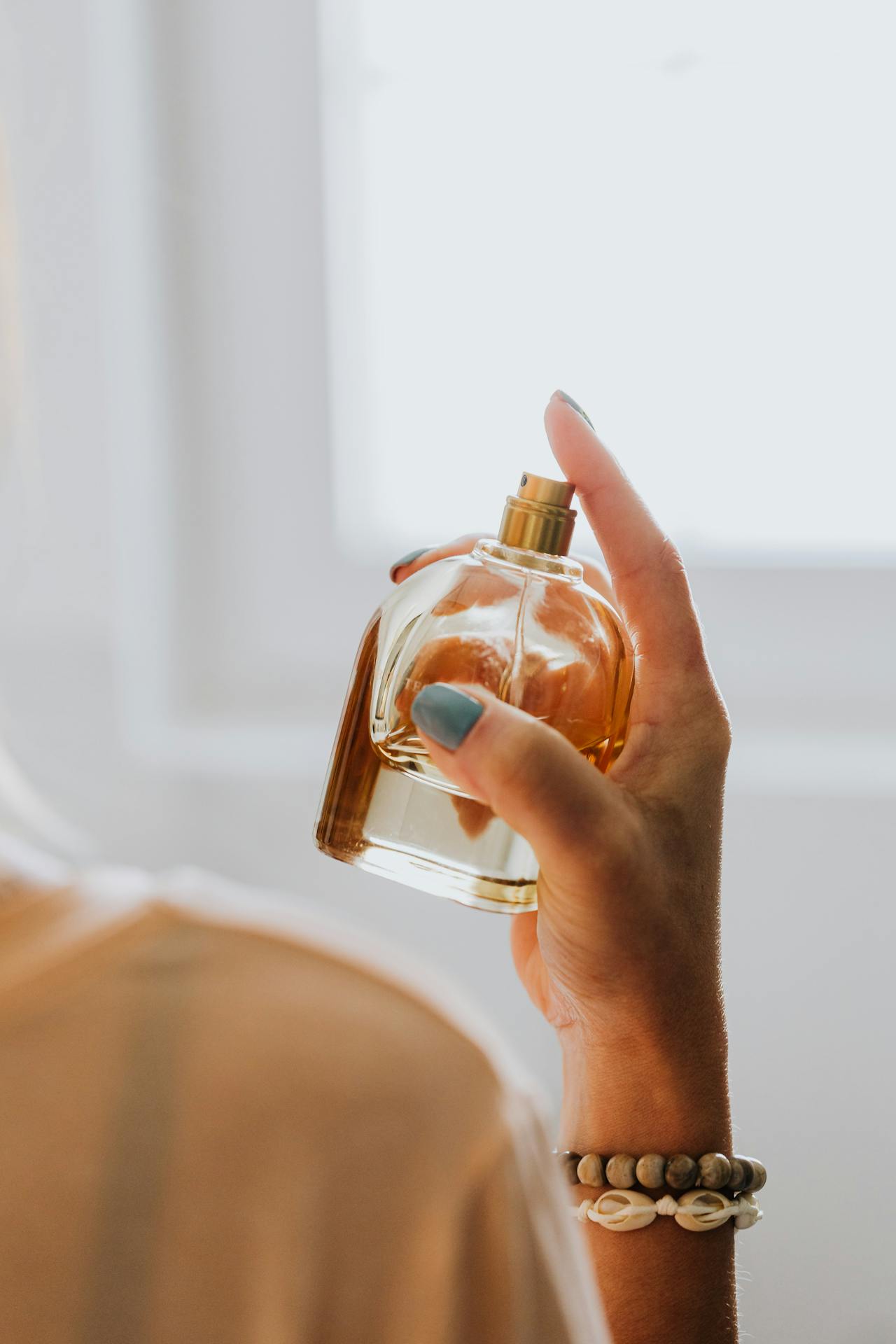
Wearing perfume daily was expected, but not too much; fragrance had to be “pleasant but subtle.” Scents were part of a woman’s social presentation, reflecting femininity and refinement. Overpowering or absent scents could attract judgment. Today, fragrance use is a personal choice, and there is less societal pressure to conform to such subtle, regulated norms.
Posture and poise

Mothers were expected to stand and sit with perfect posture at all times. Slouching or casual movements were seen as unladylike. Poise was considered essential, whether hosting guests or interacting socially. Today, natural posture and comfort are prioritized, and rigid standards of poise are much less enforced.
Household appearance as reflection of beauty
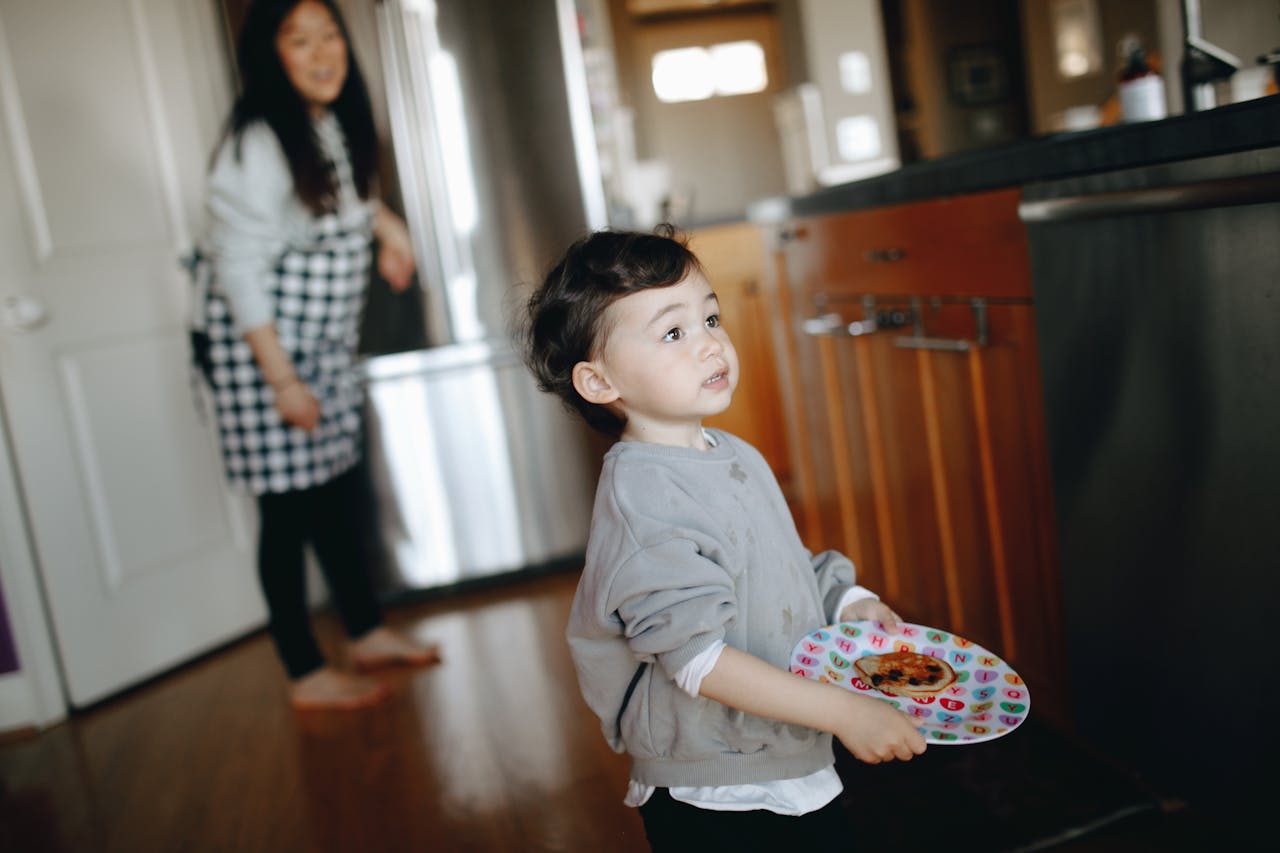
A mother’s home presentation was often seen as an extension of her personal beauty. Neatness, cleanliness, and decor were considered part of her social image. A messy or unkempt house could reflect poorly on her appearance and judgment. Today, while cleanliness is valued, there is more understanding that a woman’s worth and beauty are not tied to household perfection.