
Every era writes its own rules, and history proves that some laws age worse than others. From bizarre bans to outdated moral codes, the United States has seen legislation that would raise eyebrows in any modern courtroom. These strange, well-intentioned, or downright hilarious laws once shaped everyday life. Today, they serve as reminders of how society evolves, and how quickly yesterday’s “justice” can turn into today’s comedy of errors.
1. The “No Ice Cream on Sundays” Laws

In the early 1900s, several towns banned the sale of ice cream on Sundays to prevent “sinful indulgence.” Religious leaders believed enjoying a sundae violated the Sabbath. Soda fountains were forced to remove ice cream from menus, leading to the invention of the ice cream soda alternative. The irony is that ice cream became even more popular because of the ban. Imagine modern families being told to wait a full day before dessert; it would cause nationwide revolt.
2. Banning Women from Wearing Pants

In the 19th century, laws in several U.S. cities made it illegal for women to wear pants in public. The reasoning was rooted in outdated ideas about modesty and “proper female dress.” Some women were even fined or arrested for wearing trousers. Today, such a rule would spark outrage and endless memes. What was once considered scandalous now symbolizes equality and comfort, proving how fashion and freedom often evolve side by side over time.
3. The “Bathing Suit Police” Era

During the 1920s, beach patrol officers literally measured women’s swimsuits to ensure they weren’t too short. Violations could lead to public shaming or arrest. The goal was to preserve morality, but the spectacle became ridiculous as beaches turned into battlefields over hemlines. Today, such restrictions would never survive social media scrutiny. The idea of police enforcing swimsuit length now feels like a cartoon of old-fashioned prudishness.
4. Outlawing Fortune Telling
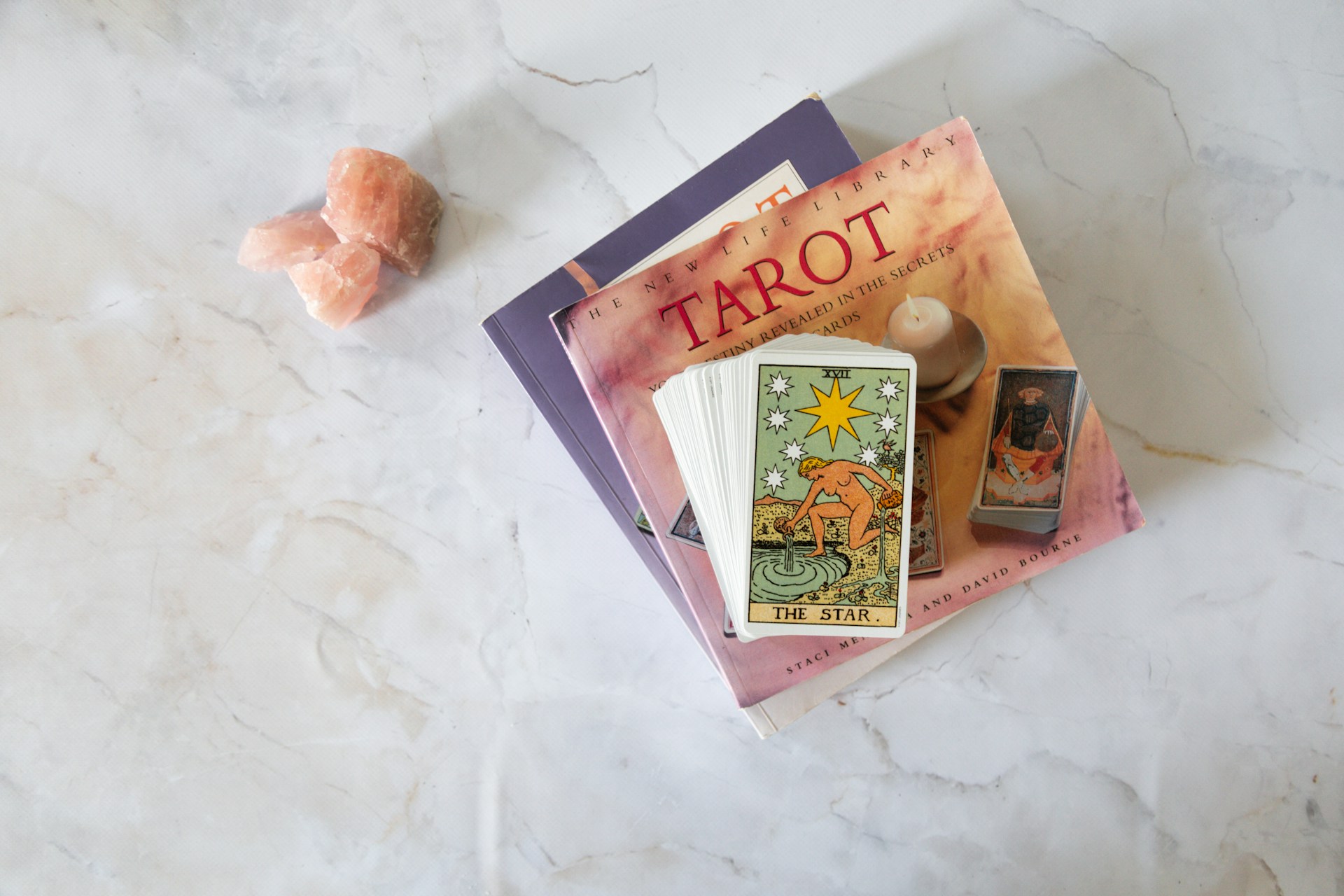
Some states once criminalized fortune telling, tarot readings, and palmistry as forms of fraud or witchcraft. Anyone claiming to see the future risked fines or jail time. These laws reflected deep fear of superstition and moral corruption. Now, fortune telling is a form of entertainment and self-expression, found in fairs, apps, and cozy shops. What was once considered criminal deception is now a billion-dollar industry powered by curiosity and comfort.
5. Prohibiting “Public Whistling”

Believe it or not, certain cities once outlawed whistling in public after dark. Officials claimed it disturbed the peace or encouraged mischief. The idea of ticketing someone for a cheerful tune sounds absurd now, but it reflected stricter attitudes toward public behavior. Today, people whistle freely or even post entire videos dedicated to their skills. What was once rebellious is now a quirky form of harmless expression that brings smiles instead of fines.
6. Taxing Soap and Perfume

In the late 1700s, Pennsylvania and a few other regions imposed taxes on soap and perfume, claiming they were unnecessary luxuries. The idea was to raise money for the government while discouraging vanity. Ironically, the tax punished cleanliness and personal care. In a modern world obsessed with hygiene and self-care, such a rule would never last. People today would rather protest in the streets than give up their favorite scented products or daily showers.
7. Banning “Unnecessary Travel” on Sundays
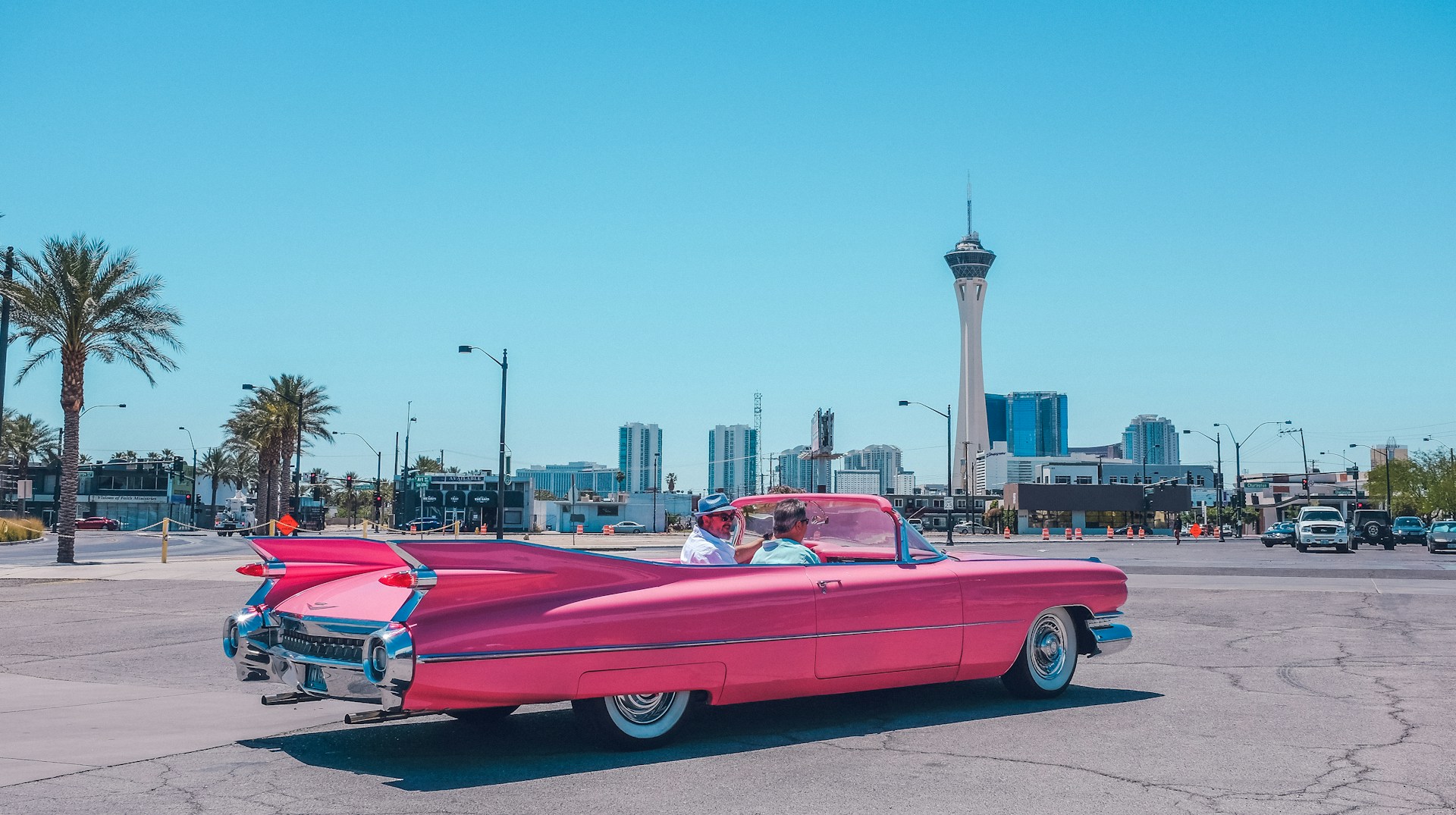
Blue laws once restricted nearly all activity on Sundays, including travel considered “unnecessary.” The idea was to force citizens to rest and attend church. Of course, the definition of “unnecessary” was vague and often unfair. In modern life, where weekends mean errands, sports, and road trips, such a rule would be impossible to enforce. Imagine telling people they can’t drive to brunch; it would lead to mass rebellion before the first coffee run.
8. Forbidding Men from Cooking for Women

In one Midwestern town during the 1800s, men were legally prohibited from cooking for women outside marriage. The law was meant to prevent “improper courtship.” Today, it sounds like a punchline. Cooking has become an act of creativity and love, not moral danger. The idea that a home-cooked meal could lead to scandal feels absurd in a world full of food blogs and cooking shows. Modern relationships thrive on shared kitchens, not chaperoned dinners.
9. Outlawing “Happy Hour” Promotions

Several states once banned happy hour deals to prevent excessive drinking after work. While some states still regulate alcohol discounts, the idea of banning drink specials outright feels extreme in modern culture. For many, happy hour is less about drinking and more about relaxing with friends. In today’s social landscape, such a ban would face backlash from both customers and bar owners alike. The line between regulation and overreach has changed with the times.
10. The “No Dancing After Midnight” Ordinances

Some towns once made it illegal to dance after midnight, believing late-night revelry led to sin. These rules gave rise to underground parties and, ironically, more dancing. Today, nightlife thrives as part of city culture, with music festivals and dance clubs celebrating community and freedom. A modern attempt to revive such laws would collapse instantly. Dancing became a symbol of joy and resistance that no curfew could ever truly silence.
Old laws reveal the quirks, fears, and values of their time. What once felt righteous or necessary now feels absurdly restrictive. As society evolves, so does the definition of fairness and freedom. These outdated rules remind us that progress often begins with questioning the status quo. The next time a law feels silly, remember that history is full of ideas we now laugh about; and that’s how humanity moves forward.