Invention is often fueled by courage and curiosity, but sometimes that same boldness leads to tragedy. Throughout history, a handful of American inventors paid the ultimate price for pushing boundaries too far. Their deaths serve as strange and haunting reminders that innovation is never risk-free. These inventors believed in their creations so strongly that they put their own lives on the line, often testing prototypes personally. Here are ten American inventors whose stories ended with their own inventions turning fatal.
1. Thomas Midgley Jr. and His Deadly Pulley System
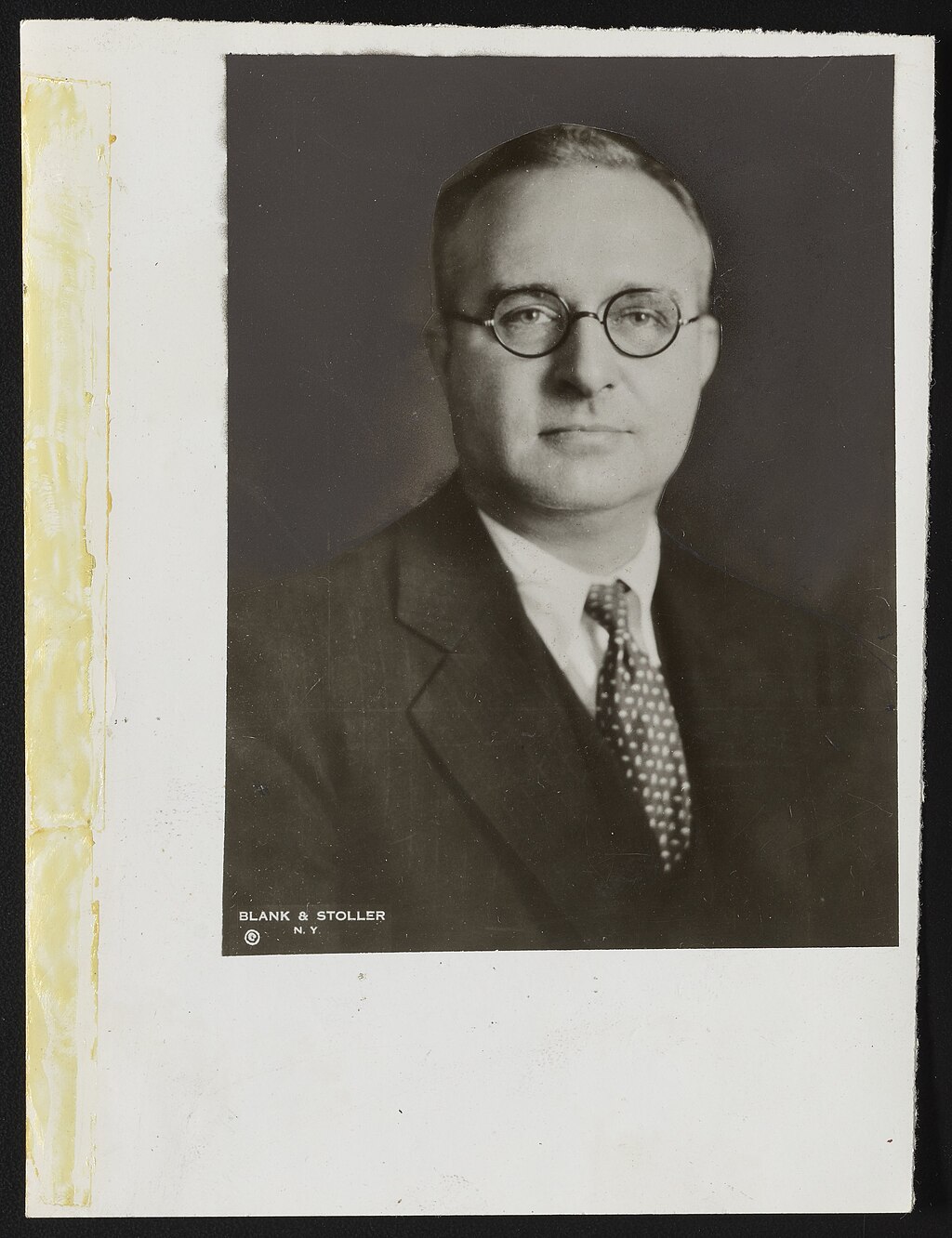
Thomas Midgley Jr., the chemist who brought the world leaded gasoline and CFCs, was already infamous for creating substances that caused global harm. Later in life, after contracting polio, he invented an elaborate system of pulleys and ropes to help him move in and out of bed. While clever, the device turned into a trap. In 1944, Midgley was accidentally strangled by his own contraption. His death is often seen as a dark irony, since his other inventions had already caused widespread damage to human health and the environment. The tragedy underscored how even brilliant minds can create things that spiral out of control, whether on a global or personal scale.
2. Sylvester H. Roper and His Steam-Powered Bicycle
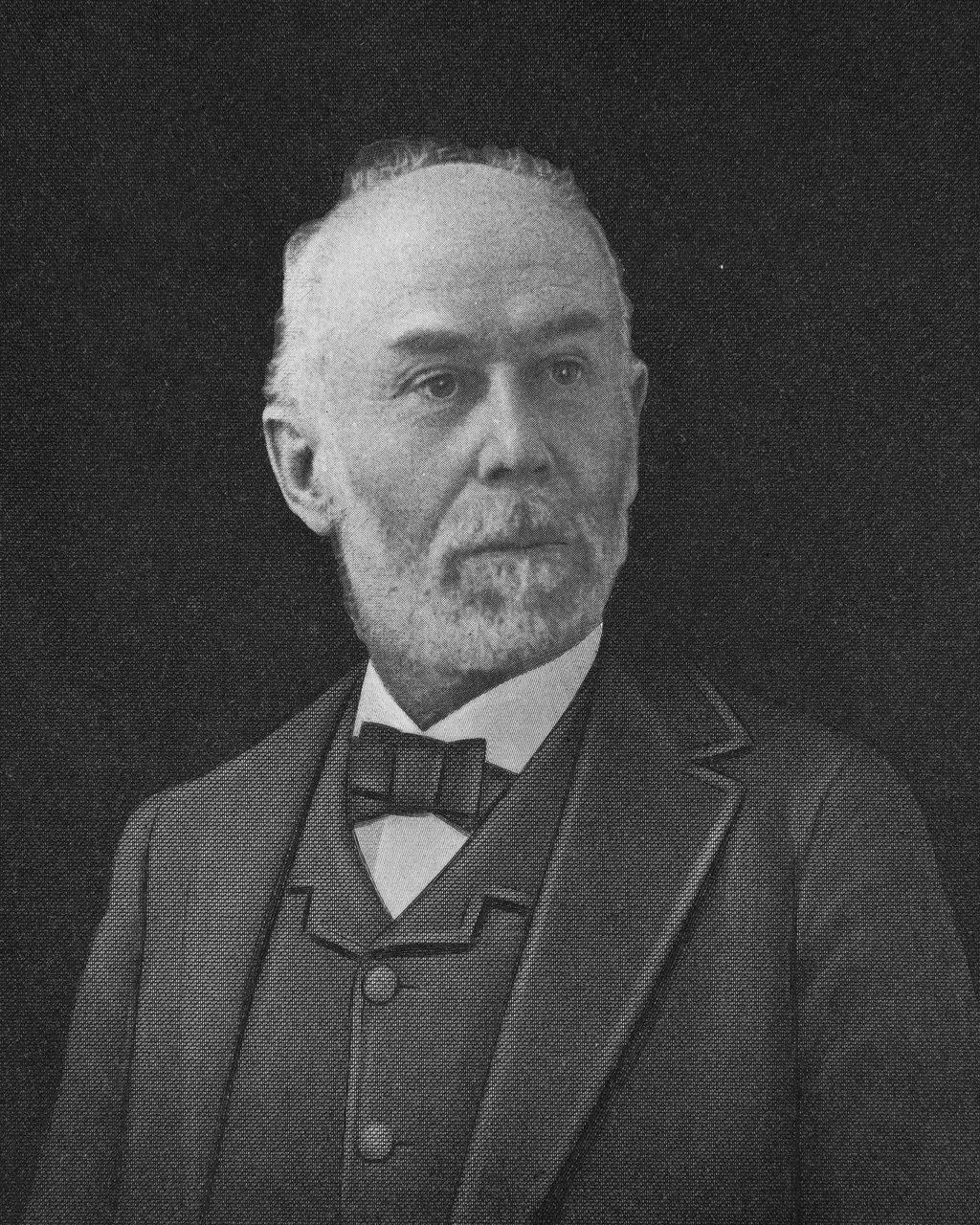
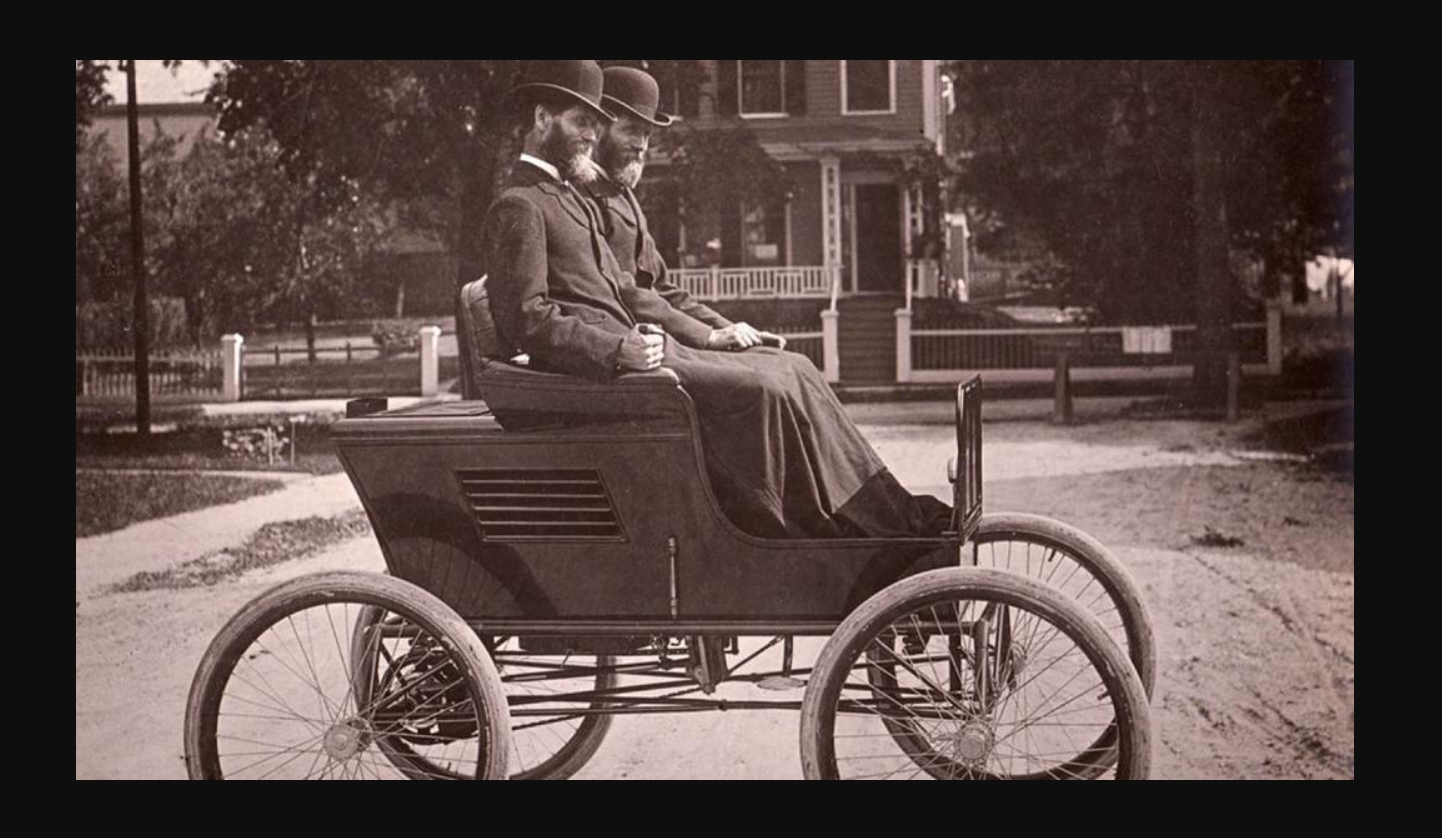
Sylvester H. Roper was a 19th-century inventor with a passion for speed and mechanics. He created an early steam-powered bicycle, a forerunner of the motorcycle. In 1896, while demonstrating his invention in Cambridge, Massachusetts, Roper pushed the machine to its limits. He suffered a heart attack and fell from the bike during the ride, dying instantly. Some historians debate whether the heart attack was caused by the crash or by overexertion, but the event remains one of the earliest recorded deaths involving motorized personal transport. Roper’s tragic end illustrates the risks inventors take when they test experimental machines with little protection or medical awareness.
3. Francis Edgar Stanley and the Stanley Steamer Crash
Francis Edgar Stanley, co-founder of the Stanley Motor Carriage Company, helped popularize the steam-powered automobile. The Stanley Steamer was a fast, elegant vehicle that fascinated the public at the turn of the 20th century. In 1918, while driving his car near Wenham, Massachusetts, Stanley swerved to avoid an obstacle and crashed into a woodpile. The impact killed him instantly. Although the accident was not directly caused by a flaw in his design, it was his own invention that delivered the fatal blow. The story highlights how early automobiles, while groundbreaking, were far less forgiving than today’s cars, with little in the way of safety features to protect drivers.
4. Horace Lawson Hunley and His Submarine
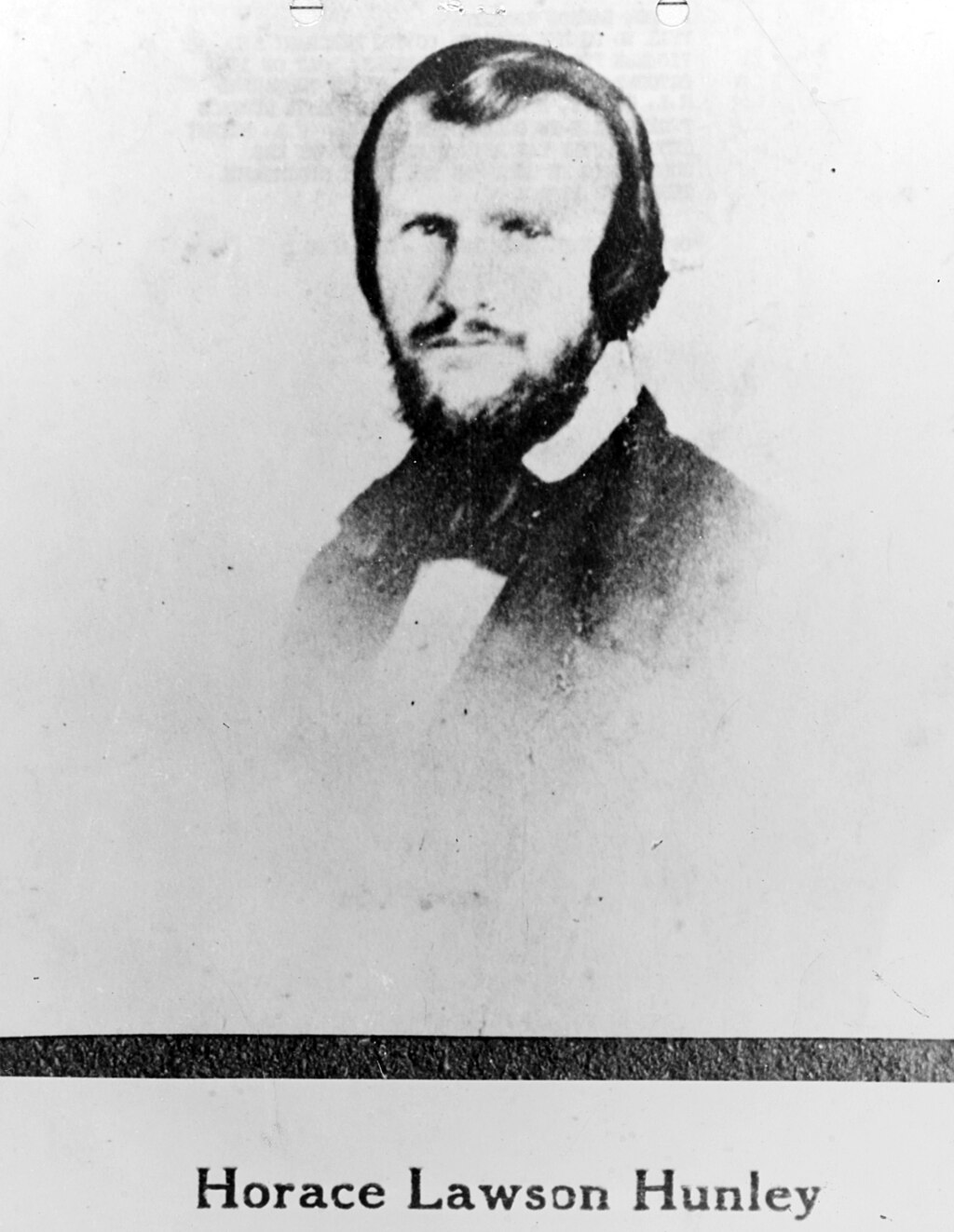
Horace Lawson Hunley was a Confederate marine engineer who designed experimental submarines during the Civil War. In 1863, he personally tested the submarine H.L. Hunley, which he hoped would revolutionize naval warfare. During a trial run in Charleston Harbor, the vessel sank with Hunley and his crew trapped inside, killing them all. Ironically, the Hunley later became the first submarine to sink an enemy ship in combat, proving Hunley’s design could work. Yet the achievement was overshadowed by the fact that its own creator perished during testing. His death is a reminder of the enormous personal risks inventors sometimes accept in pursuit of innovation.
5. Franz Reichelt and His Parachute Coat
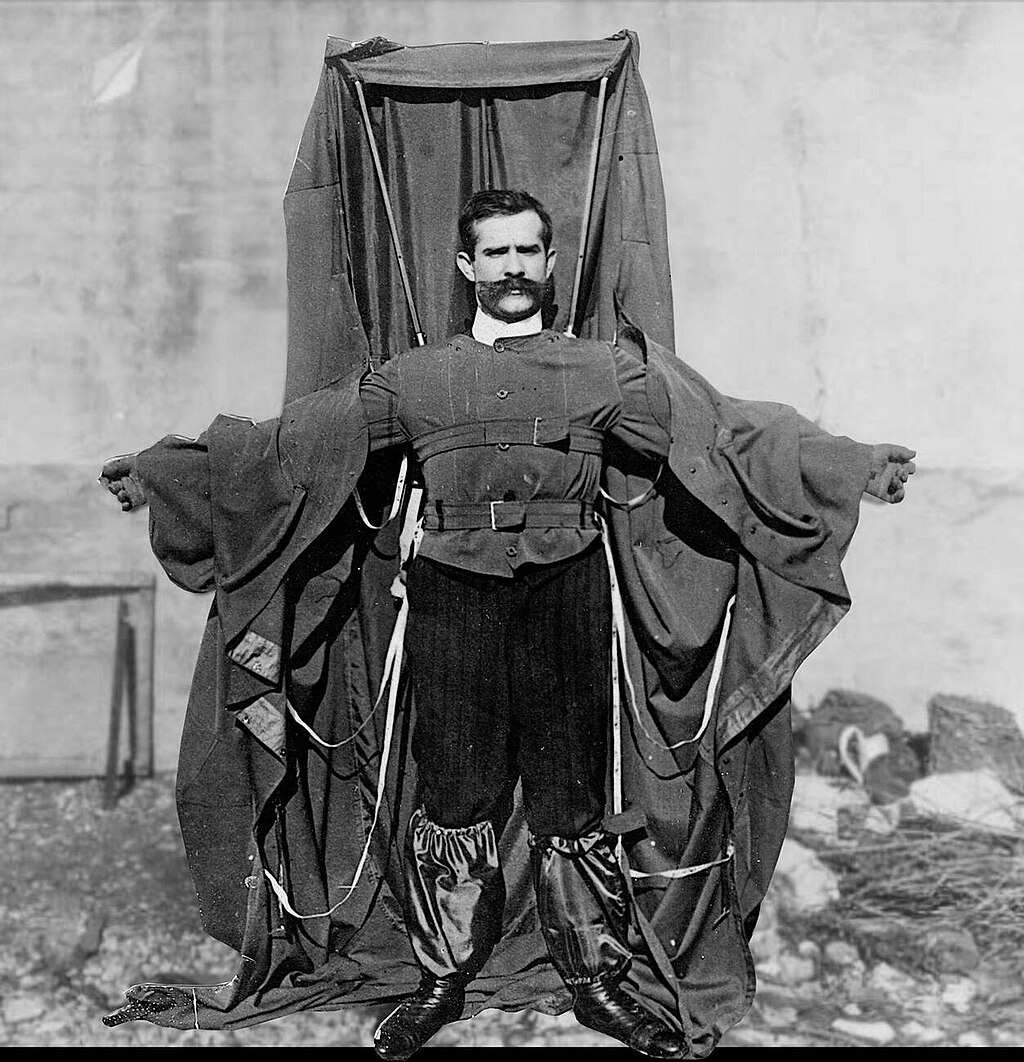
Franz Reichelt, known as the “Flying Tailor,” created a wearable parachute coat in the early 1900s, convinced it could allow people to leap safely from buildings or aircraft. To prove its effectiveness, he tested it himself by jumping from the Eiffel Tower in 1912. Tragically, the device did not deploy correctly, and he fell to his death as onlookers and cameras recorded the event. Reichelt’s fatal leap became one of history’s most infamous examples of an inventor’s confidence outpacing the safety of their design.
6. William Bullock and the Printing Press Accident
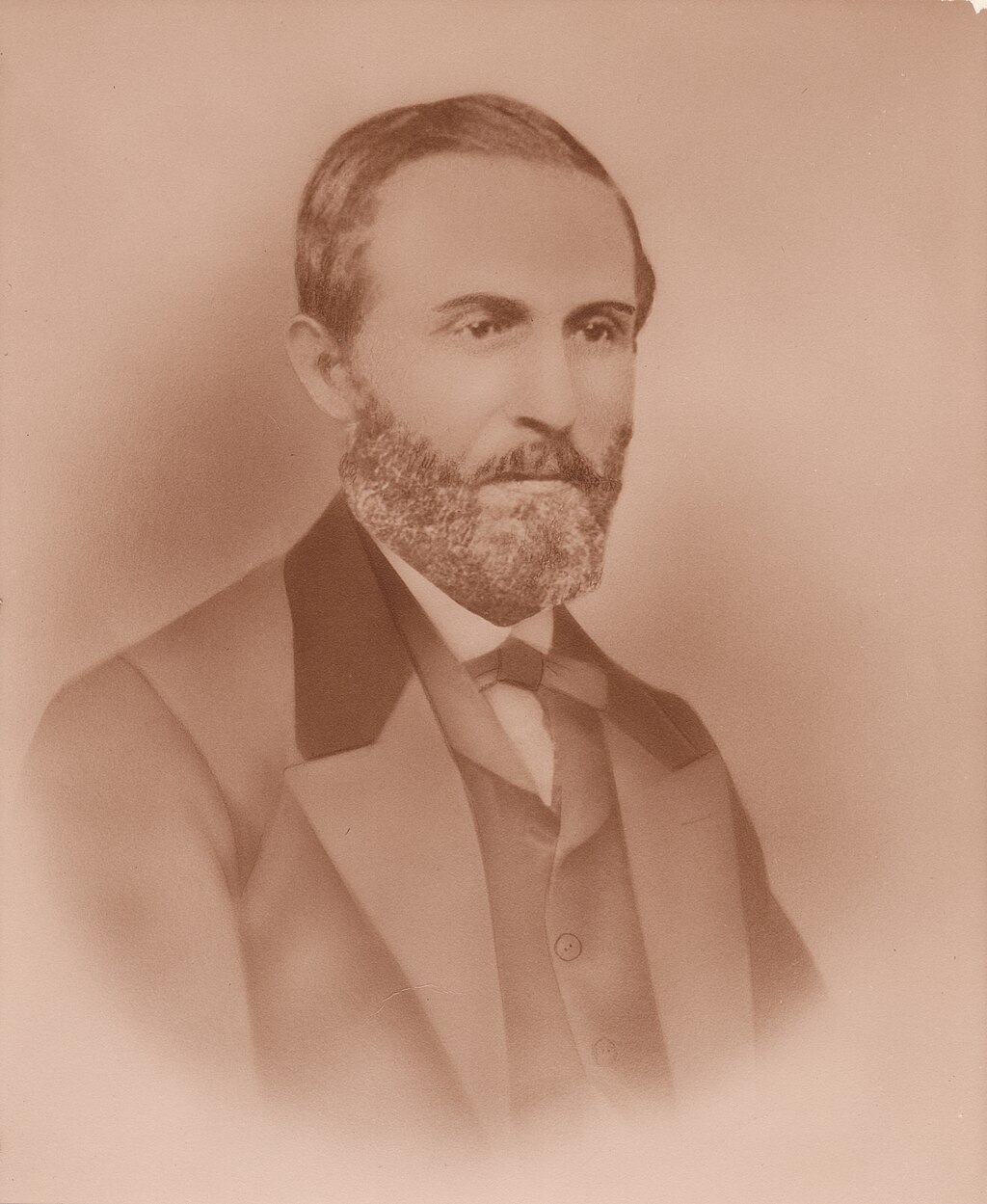
William Bullock revolutionized the printing industry in the 19th century with his invention of the rotary printing press. His machine allowed newspapers to be printed at unprecedented speed and efficiency, forever changing mass communication. However, Bullock’s creation also claimed his life. In 1867, while trying to fix a jam in one of his presses, his leg was caught and crushed by the machine. Gangrene set in, and despite attempts at surgery, Bullock died shortly after. His death illustrated the dangers of working with large, complex machinery in an era before modern safety standards. It also underscored how inventors often placed themselves at risk to keep their creations running.
7. William Nelson and the Early Motorbike
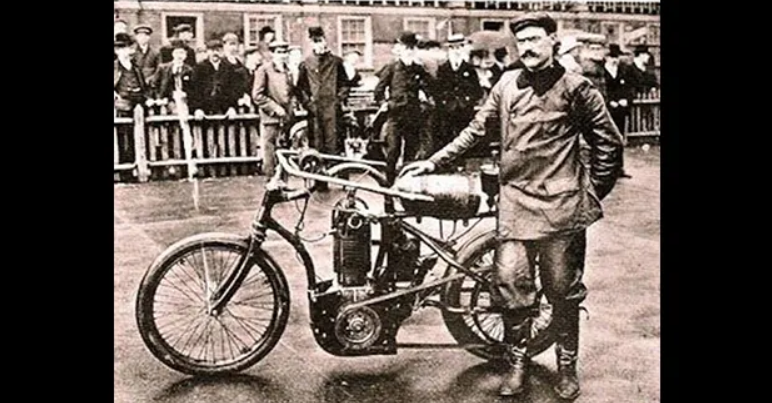
William Nelson, an employee of General Electric, was experimenting with a new type of motorized bicycle in 1903. He had developed the machine as a way to improve personal transport, a passion that was shared by many inventors of his time. While testing the motorbike on a hill in New York, Nelson lost control and crashed, dying from his injuries. His death was especially tragic because it occurred during a simple test ride, something he had done many times before. The incident showed that even small miscalculations could turn deadly when working with machines that had no established safety standards. Nelson’s fate demonstrates how progress often comes at a personal cost.
8. Otto Lilienthal and His Glider Experiments
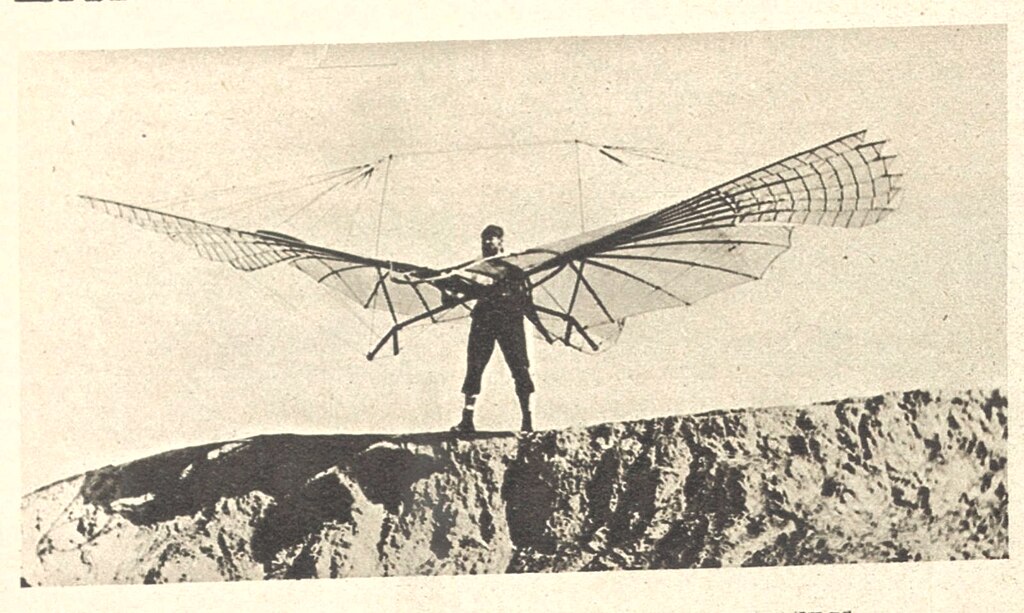
Although Otto Lilienthal was German by birth, his influence extended strongly into American aviation, inspiring inventors like the Wright brothers. During his lifetime, Lilienthal created a series of experimental gliders. In 1896, during one of his flights, he lost control and fell more than fifty feet, breaking his spine. He died shortly afterward. His work laid the foundation for powered flight, and his loss was deeply felt across the world, including in America, where aviation pioneers were building on his research. His tragic death is a reminder of how many early inventors in aviation risked everything in pursuit of the dream of flight.
9. Alexander Bogdanov and Blood Transfusion Experiments
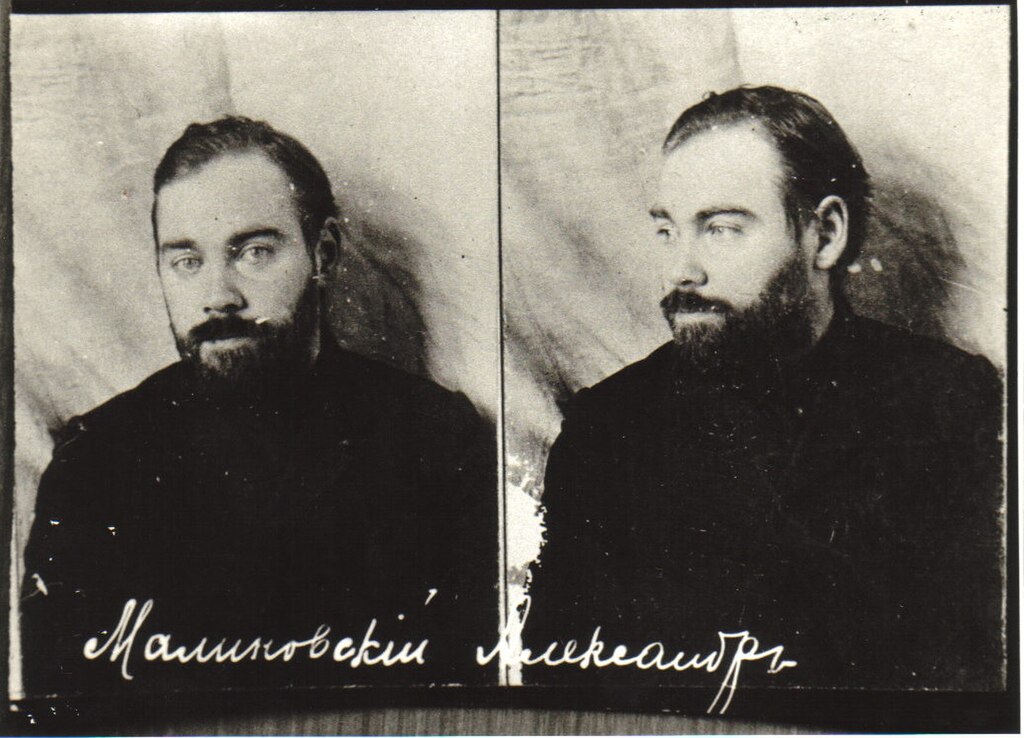
Alexander Bogdanov, a physician and philosopher with ties to American scientific communities, worked extensively on blood transfusion research. His experiments aimed to rejuvenate the human body and prolong life. In 1928, he conducted a transfusion using blood from a student, which turned out to be infected with malaria and tuberculosis. Bogdanov contracted both diseases and died shortly after. While not American-born, his work influenced medical science in the United States, making his death relevant in this context. His tragic fate shows how the eagerness to test theories firsthand can place inventors at immense risk, even when the goal is to advance human health.
10. Aurel Vlaicu and Experimental Flight
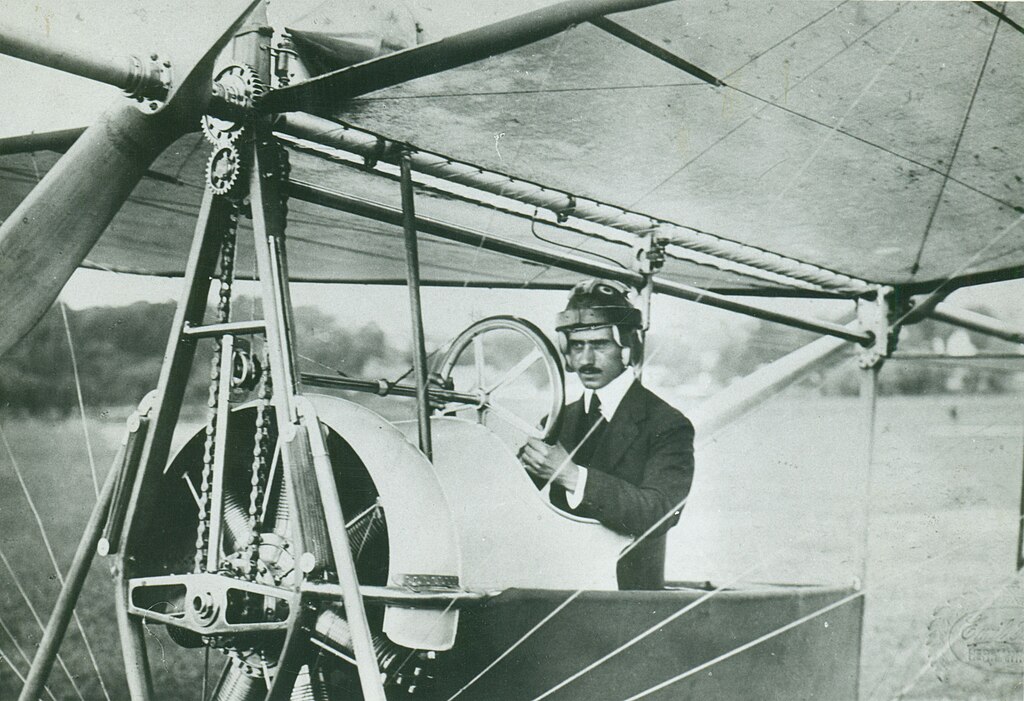
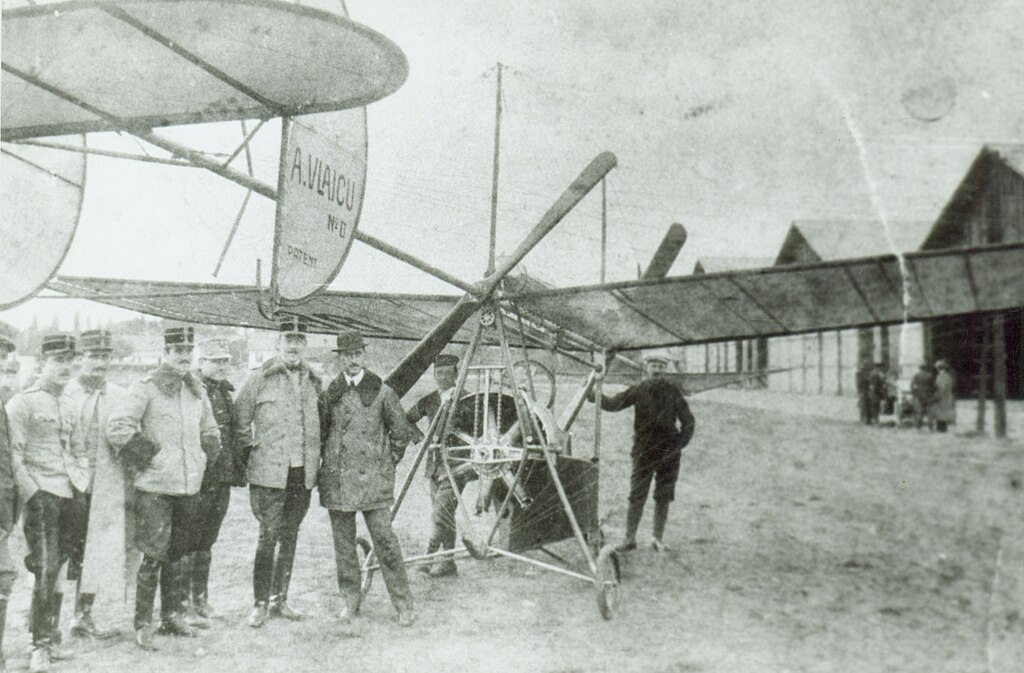
Aurel Vlaicu, though originally from Romania, collaborated with American aviation circles and became known for his early experimental aircraft. In 1913, during a test flight of one of his prototypes, Vlaicu lost control of the aircraft and crashed to his death. His story is included here because it reflects a broader truth about the aviation pioneers who inspired American inventors in the early 20th century. Flight was an unexplored frontier, and every test carried the potential for disaster. Vlaicu’s end illustrates the universal dangers faced by those who tried to conquer the skies before reliable safety measures existed.
The inventors on this list pushed boundaries, but their own creations turned against them in ways they never expected. Their stories remind us that every great leap in technology carries risk, and sometimes those risks fall on the very people who dreamed of changing the world.