Halloween in the 1980s felt like pure magic, a mix of innocence, excitement, and community spirit. Kids ran through neighborhoods in makeshift costumes, homes turned into haunted houses, and nobody worried much about curfews or liability. But times have changed. Modern safety standards, legal concerns, and shifting social values mean that many beloved ’80s Halloween traditions would never be allowed today. Here are the nostalgic customs that simply wouldn’t fly in our current era.
Community Haunted Houses Run by Volunteers
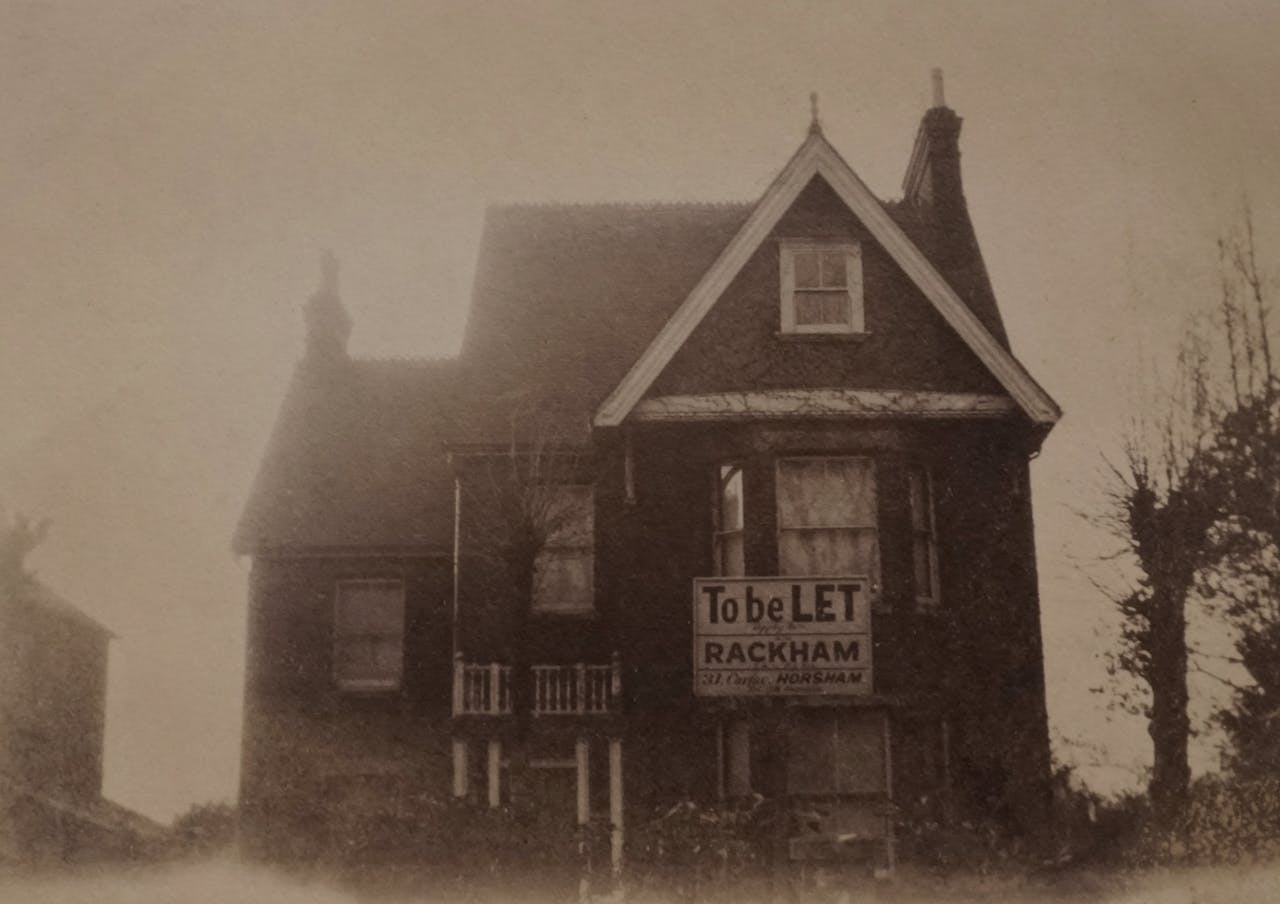
Back in the day, local churches, schools, or neighborhood groups often transformed basements and gyms into spooky haunted houses. With homemade decorations, fog machines, and volunteer actors, these community creations captured the spirit of the season. Today, however, strict safety codes, fire regulations, and insurance liabilities make such informal events nearly impossible. Most haunted attractions are now commercialized or must undergo inspection before opening, removing much of the small-town charm of the ’80s setup.
Trick-or-Treating Without Parental Supervision
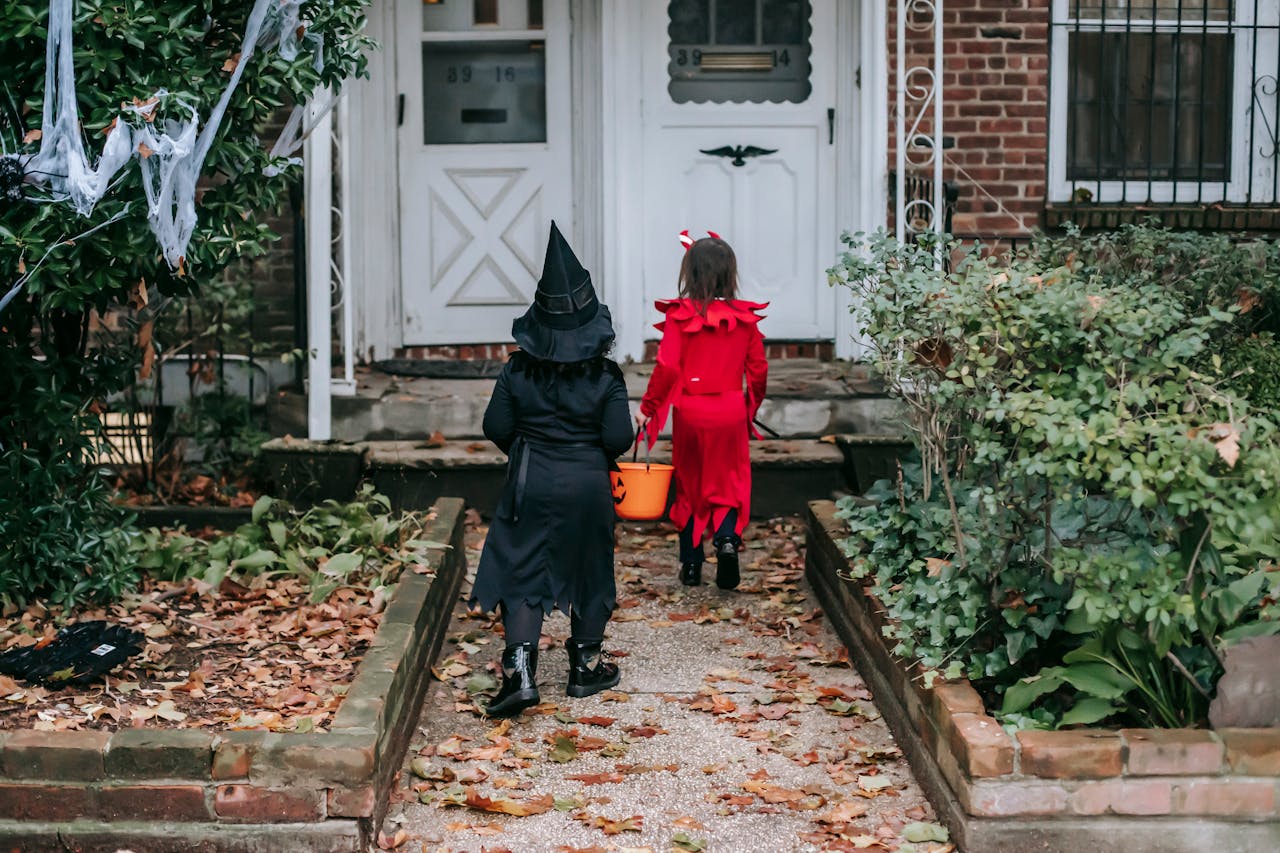
Children in the 1980s freely roamed neighborhoods after sunset, pillowcases in hand, sometimes until ten at night. Parents trusted neighbors and believed the streets were safe. Today, unsupervised trick-or-treating is considered risky due to traffic dangers, stranger anxiety, and stricter community guidelines. Modern families often accompany kids, attend trunk-or-treat events, or stick to designated trick-or-treat hours. The independence of those ’80s nights has largely vanished.
Homemade Costumes and DIY Spirit
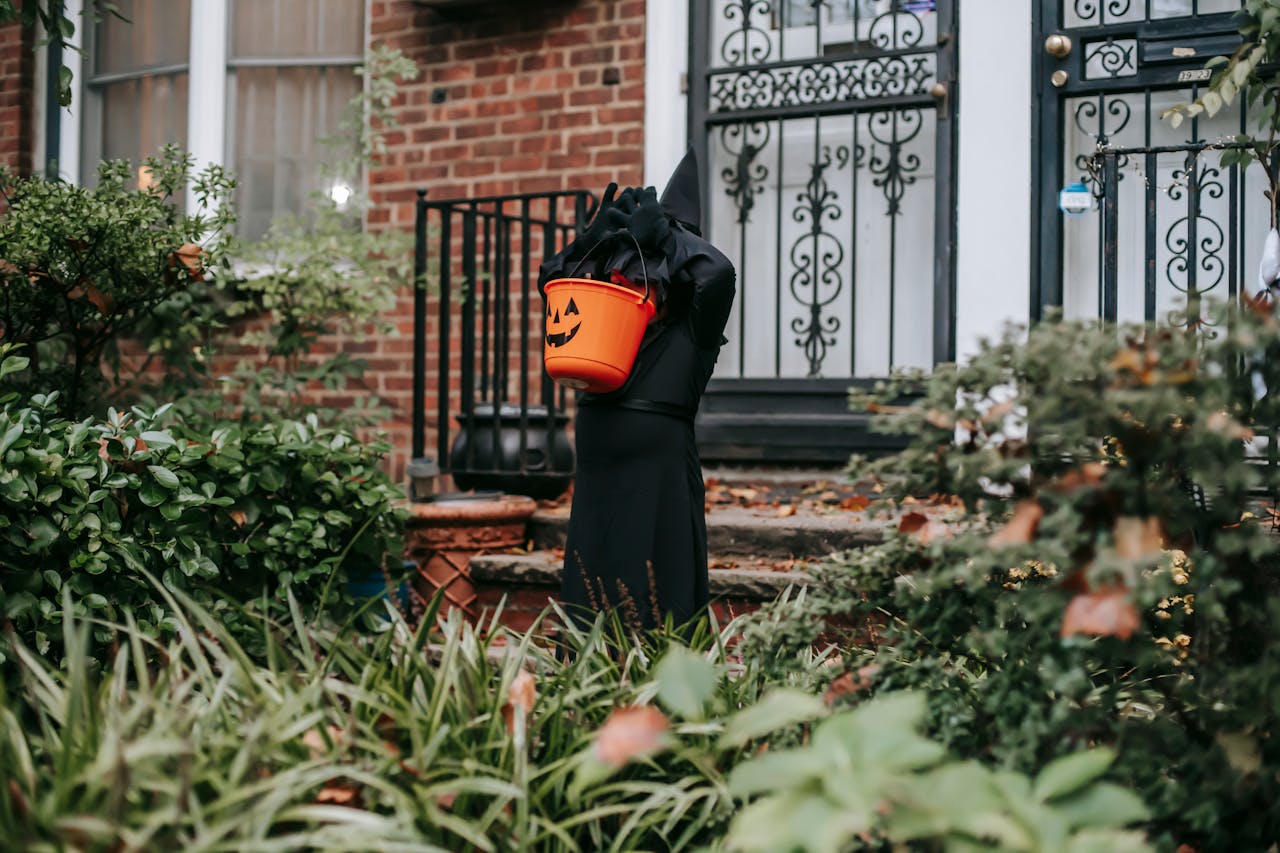
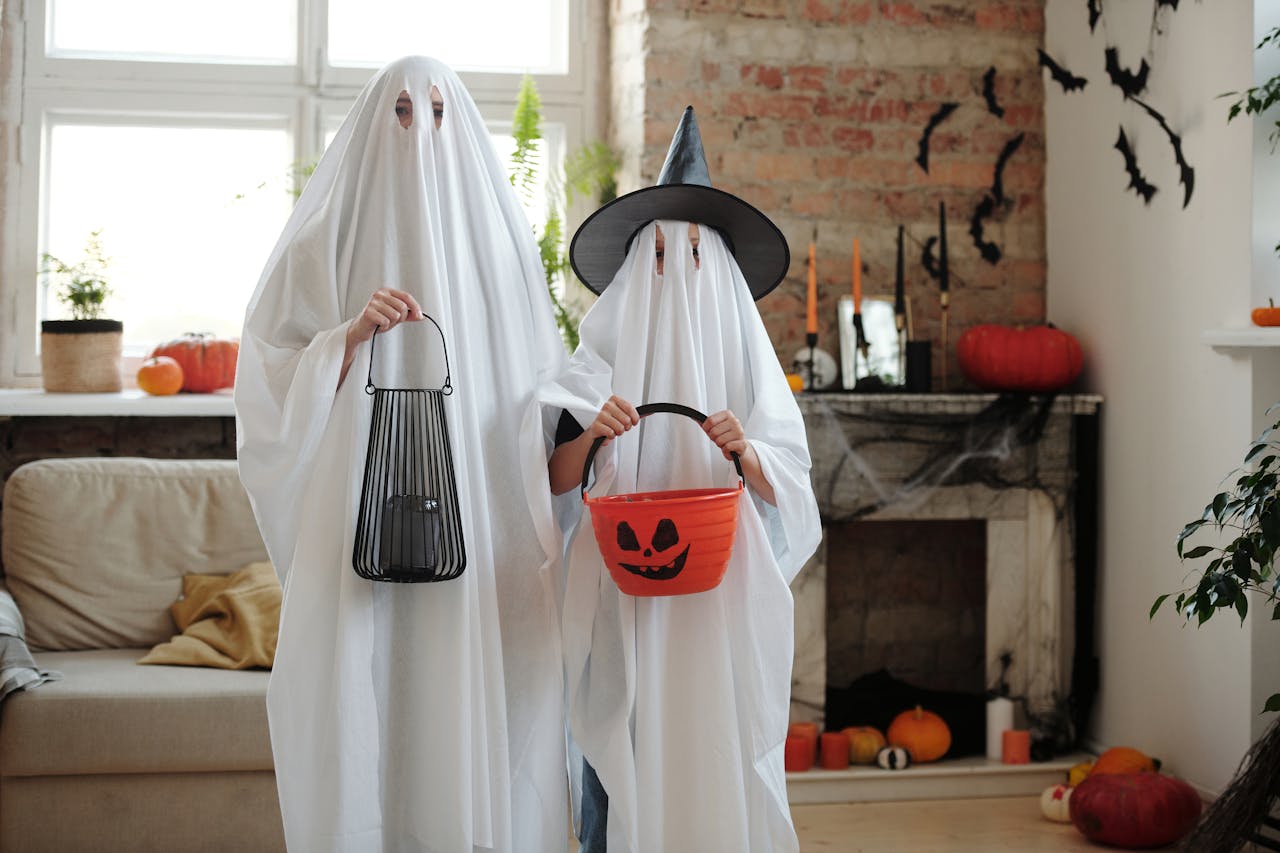
Store-bought costumes were the exception, not the rule, in the 1980s. Kids proudly crafted ghosts from sheets, robots from cardboard boxes, or witches from old clothes. Today, with mass-produced costumes dominating shelves and social media setting visual standards, homemade creations often get overshadowed. Parents also worry more about materials being flammable or unsafe. The creative freedom of the DIY era has been replaced by convenience and conformity.
Candy Inspection Panic and Urban Legends
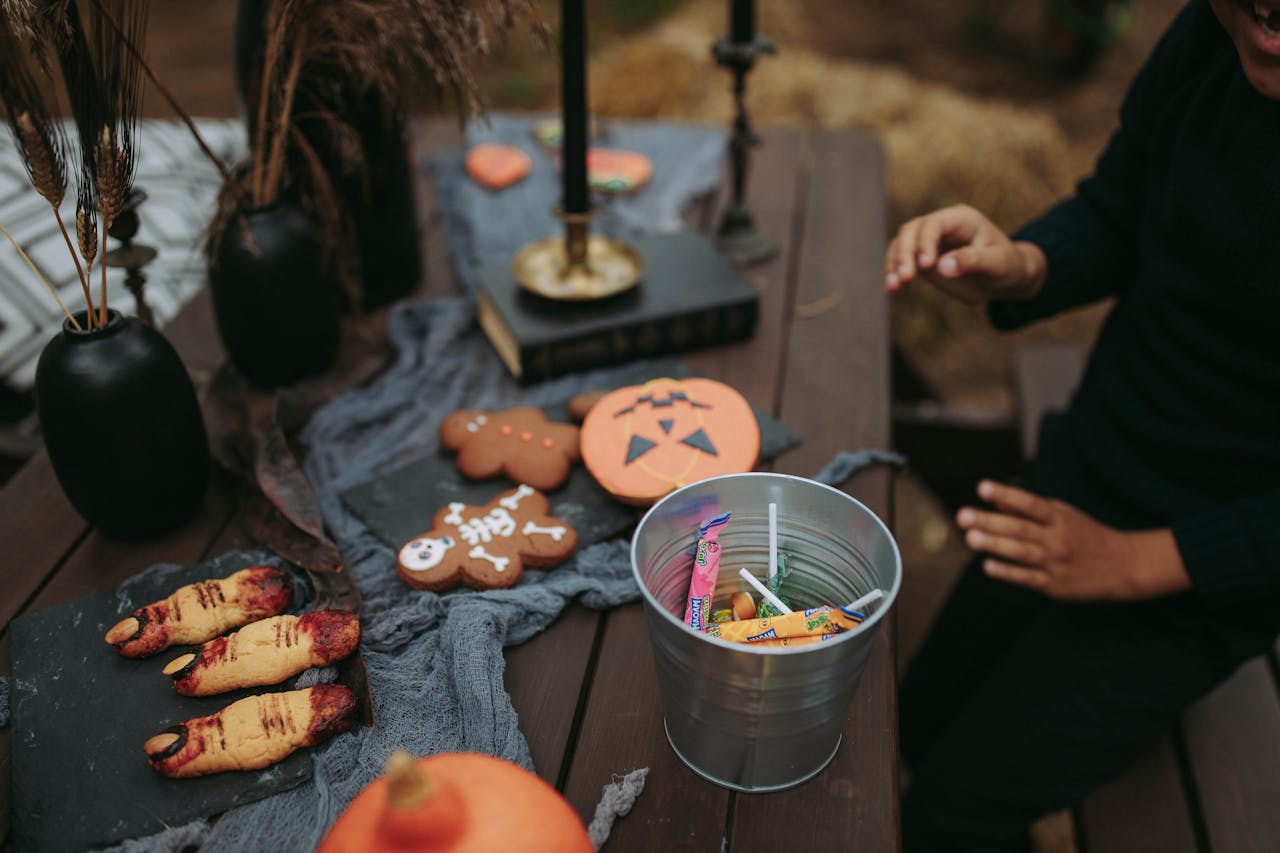
The ’80s saw widespread paranoia about tampered Halloween candy, rumors of razor blades, needles, or poison in treats terrified parents. Communities organized candy checkpoints, and police offered X-ray inspections. While these fears were largely unfounded, they shaped an entire generation’s Halloween experience. Today, the myth persists faintly, but tamper-evident packaging and heightened awareness have largely quelled the hysteria. The cultural obsession with candy safety is a relic of its time.
School Halloween Parades and Costume Days
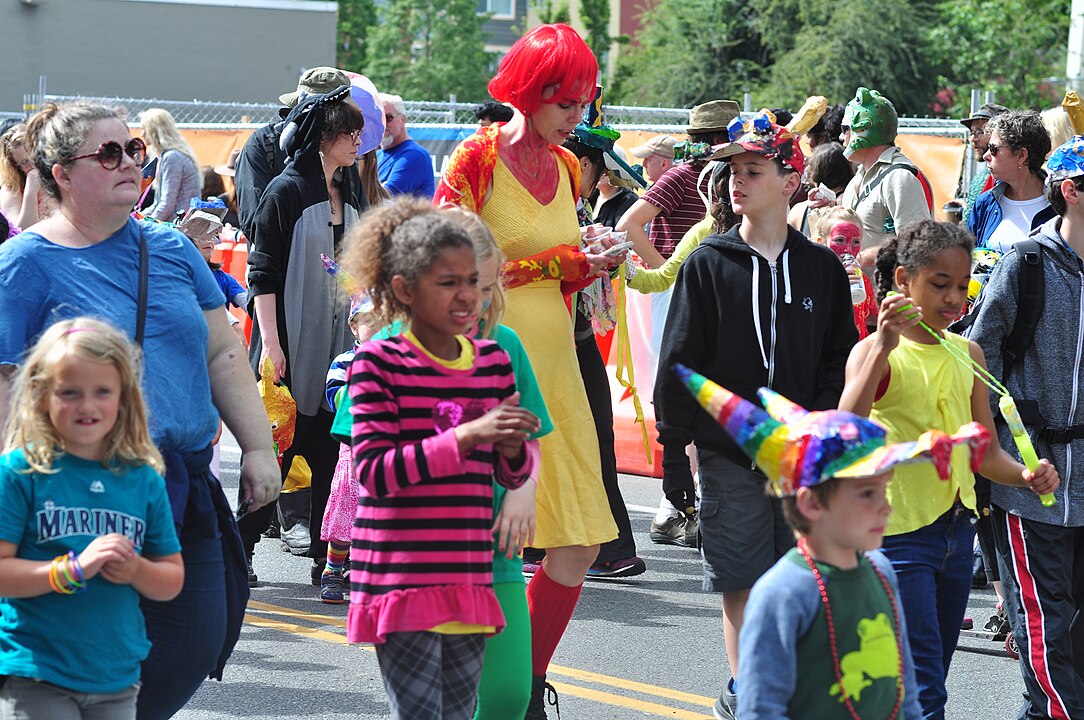
Every October, schools once hosted lively costume parades through hallways, allowing kids to show off their outfits and share candy. These events built excitement and a sense of belonging. Now, many schools have scaled back or banned Halloween celebrations entirely to avoid excluding certain beliefs, reduce distractions, or prevent allergen exposure. Neutral “fall festivals” have replaced costume days in many districts, marking a major cultural shift from the free-spirited ’80s classroom celebrations.
Mischief Night and Harmless Pranks
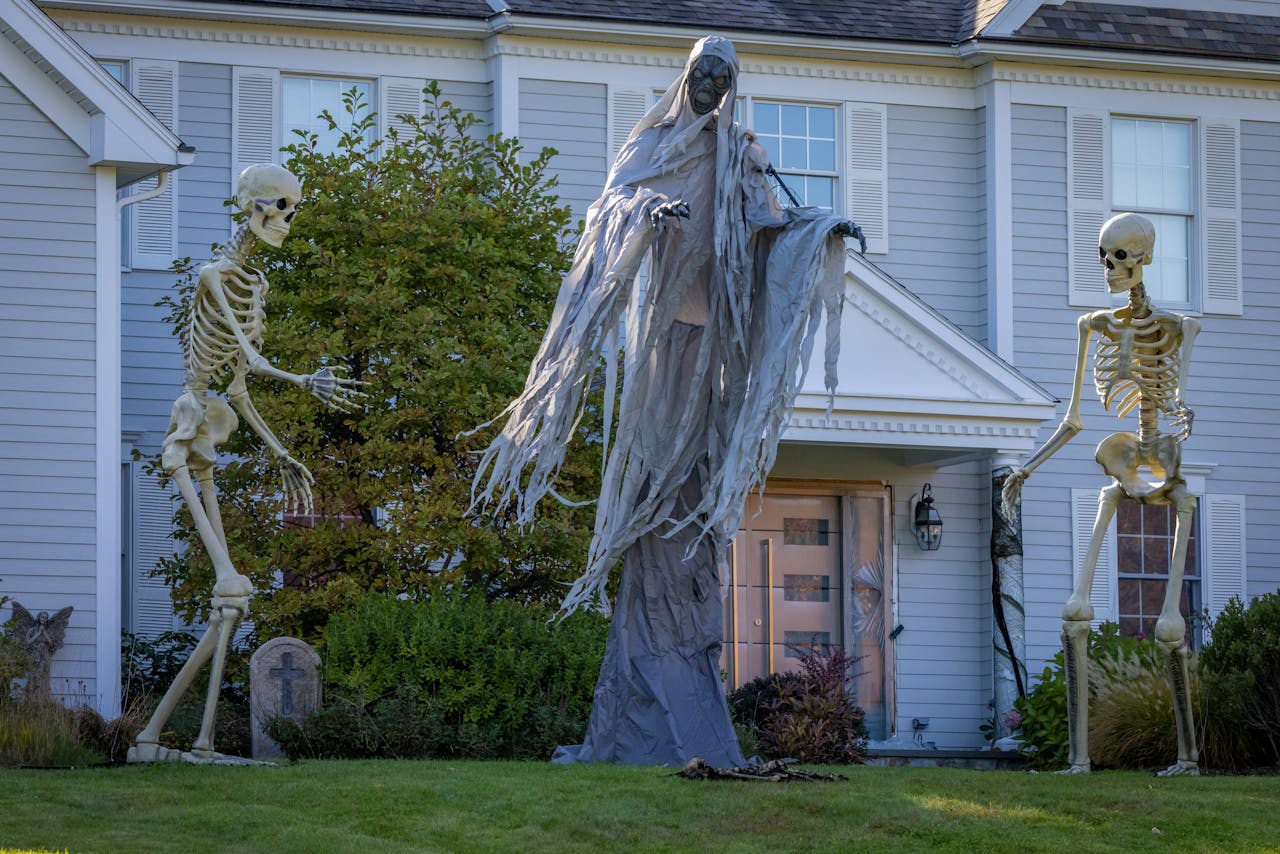
In the ’80s, Halloween mischief like toilet-papering trees, egging cars, or spraying shaving cream was viewed as part of the fun. Kids learned where the line was and rarely faced serious punishment. Today, the same antics are considered vandalism, with homeowners armed with doorbell cameras and stricter local enforcement. What was once a lighthearted rite of passage would now land pranksters in legal trouble.
Jack-O-Lanterns Lit with Real Candles
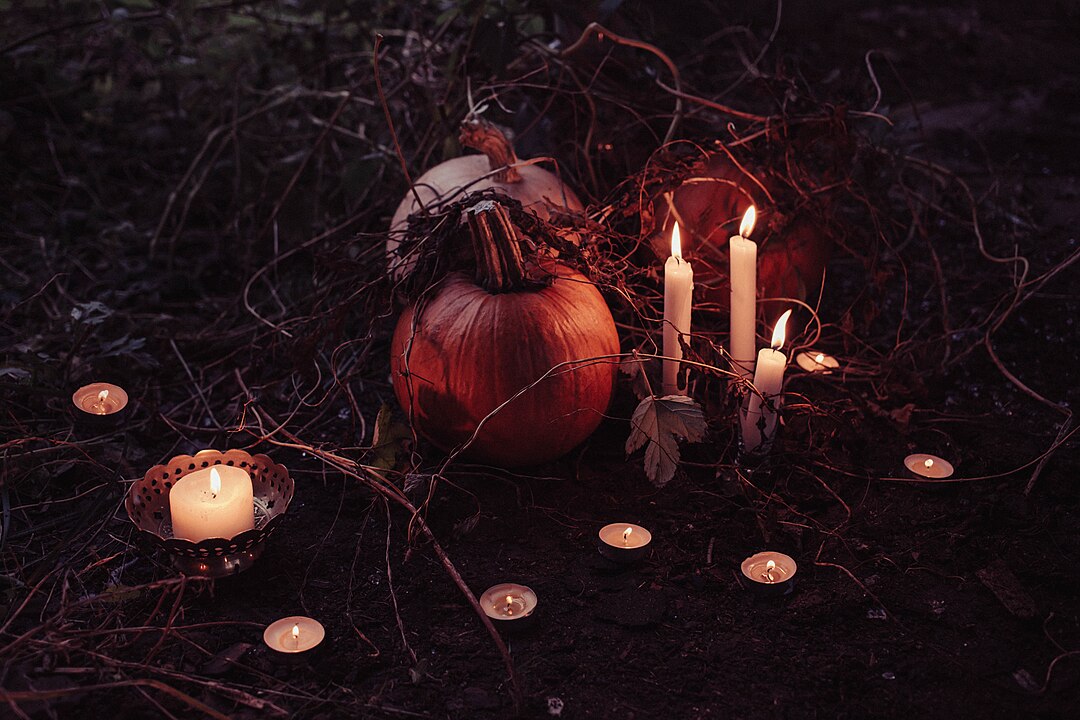
Nothing beat the eerie glow of a real candle flickering inside a hand-carved pumpkin. But as fire safety laws tightened and LED technology improved, open flames have mostly disappeared from porches and windowsills. Modern fire codes and homeowner rules discourage or outright forbid candle use in decorations. The nostalgic warmth of those glowing pumpkins has been replaced by battery lights and timers.
Trading and Sharing Candy Freely
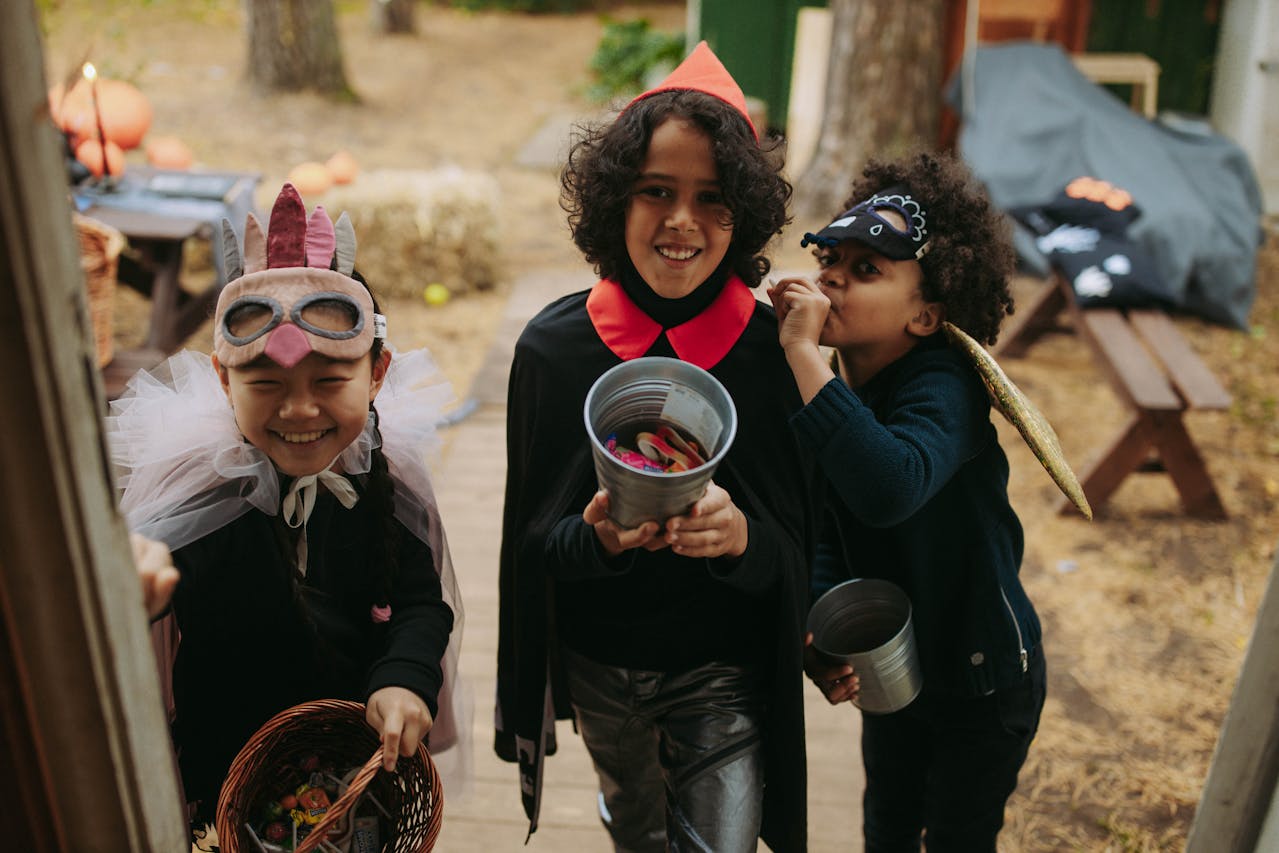
After trick-or-treating, kids gathered on living room floors, sorting, swapping, and sometimes eating candy without adult oversight. Parents didn’t worry much about allergies, choking hazards, or sugar overload. Today’s awareness around food sensitivities and processed ingredients has changed that carefree ritual. Candy swaps still exist, but under watchful parental eyes and far more cautious rules.
Unsafe Plastic Masks and Costumes
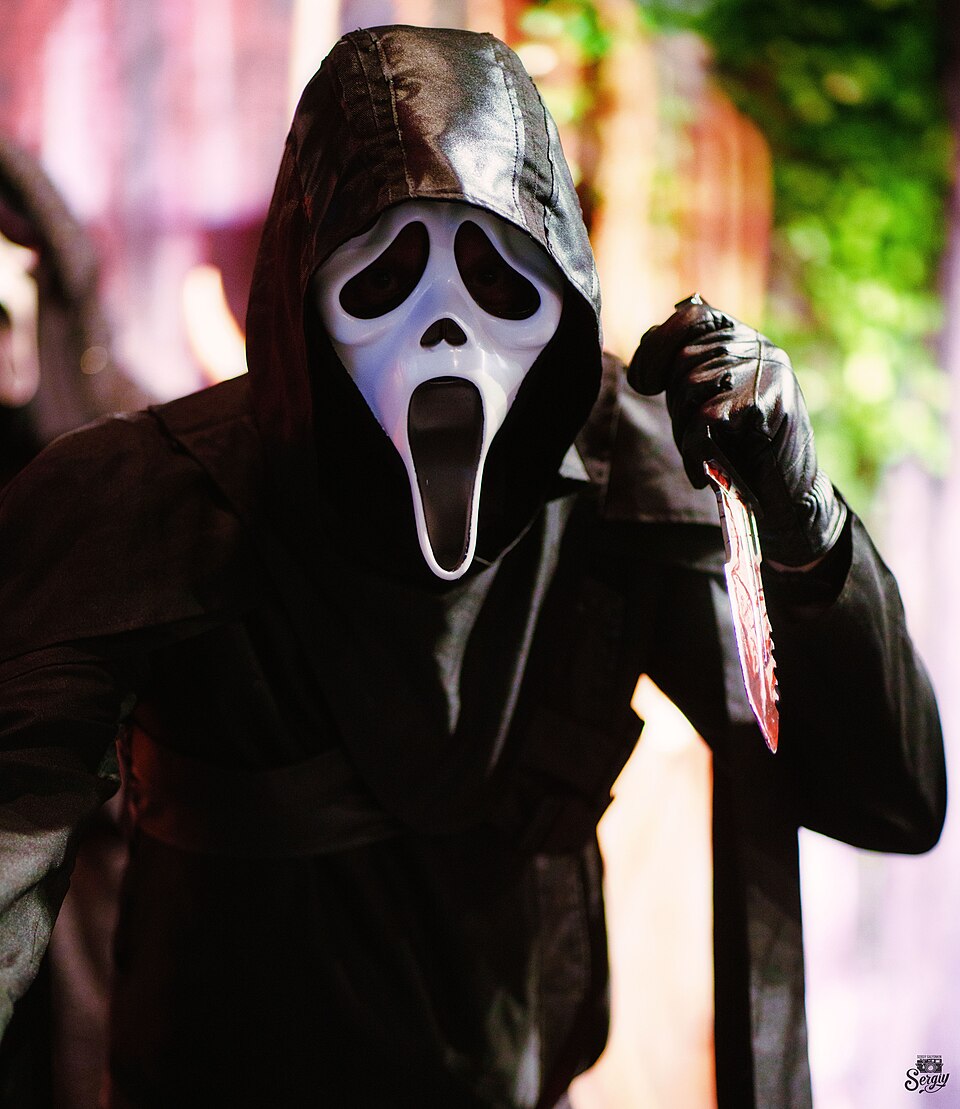
Thin plastic masks with tiny nose holes and elastic bands were staples of ’80s Halloween costumes. Kids could barely breathe or see, but nobody minded. Today, safety regulations would never allow such designs. Modern costumes focus on visibility, comfort, and non-toxic materials, meaning those nostalgic but suffocating masks are gone for good.
Neighborhood Pumpkin Walks
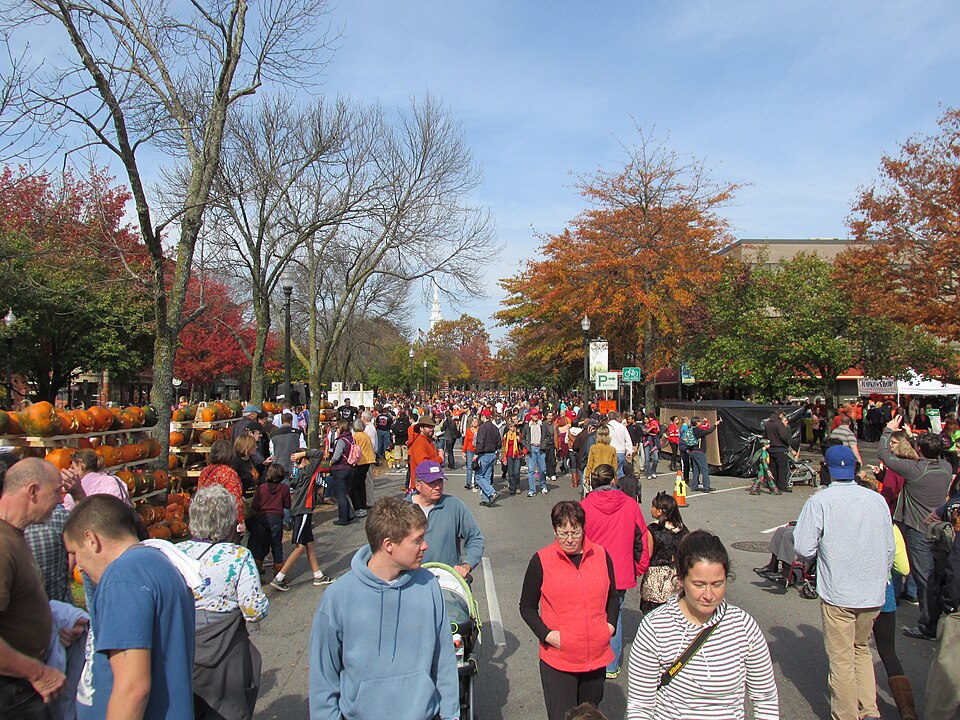
Entire neighborhoods once lined streets with glowing jack-o-lanterns, inviting families to stroll and admire them. These grassroots displays were a hallmark of community spirit. Today, liability issues, HOA restrictions, and safety codes limit such unsupervised events. The communal creativity of these pumpkin paths now survives mostly in organized city festivals.